
Calibrate at least twice a year, after any drop, and whenever temperature readings seem wrong.
I’ve worked with food safety teams and home cooks to test thermometers and I know how small errors can risk food safety and ruin a meal. This guide explains how often should you calibrate a meat thermometer, why it matters, easy tests you can do at home, and practical tips to keep readings accurate. Read on for clear steps, personal tips, and a simple schedule you can follow to keep meat safe and tasty.
Why calibration matters
Calibration keeps a meat thermometer accurate. A wrong reading can undercook or overcook food. Undercooked meat risks foodborne illness and overcooking wastes time and flavor.
An accurate thermometer also helps you meet safe target temperatures. That protects guests and builds kitchen confidence. Small errors add up fast when you grill, roast, or smoke large cuts.
How often should you calibrate a meat thermometer?
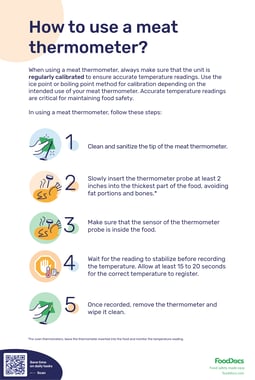
The short rule: calibrate at least twice a year, after every drop, and whenever readings seem off. This answers how often should you calibrate a meat thermometer in most home and light commercial settings. Calibrate more often if you use the thermometer daily or in harsh conditions.
A simple schedule you can follow:
- Calibrate every 6 months for normal home use.
- Calibrate every 3 months for heavy or commercial use.
- Calibrate immediately after a fall, exposure to extreme heat, or after cleaning with harsh chemicals.
- Check calibration before major holiday cooking or big events.
Many cooks ask how often should you calibrate a meat thermometer when grilling season starts. Do a quick ice water test before big cooks. It only takes minutes and saves guesswork.
Factors that change calibration frequency
Several factors change how often should you calibrate a meat thermometer. Think about use, impact, and storage.
- Frequency of use
- Daily users need checks every 1–3 months.
- Type of thermometer
- Cheap probes drift faster than quality instant-read models.
- Exposure to heat and liquids
- Repeated high-heat or steam can affect sensors.
- Physical damage
- Drops and bends can misalign probes and sensors.
- Age of device
- Older units drift more and may need more checks.
Trust but verify. If a reading looks odd, test it now rather than waiting for your next scheduled calibration.
Two simple calibration tests anyone can do
There are two easy, reliable tests: the ice water test and the boiling water test. Both use known temperatures to check your device.
Ice water test (good for checking near 32°F / 0°C)
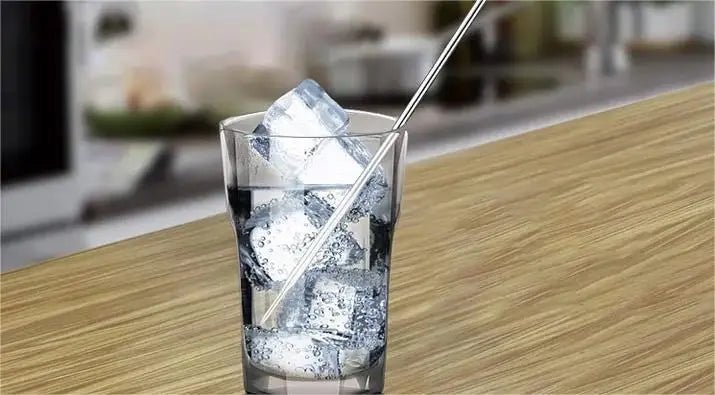
- Fill a tall glass with crushed ice. Add cold water until the glass is full.
- Stir and let sit for 30 seconds.
- Insert the probe into the center of the ice water, avoiding contact with glass or ice chunks.
- Wait until the reading stabilizes. It should read 32°F (0°C). Adjust if your device allows calibration or note the offset.
Boiling water test (good for checking near 212°F / 100°C, altitude matters)
- Boil water in a pot with a rolling boil.
- Insert the probe into the center of the boiling water, avoiding contact with the pot.
- Wait until the reading stabilizes. At sea level it should read 212°F (100°C). Subtract about 1°F per 500 feet elevation to adjust the expected boiling point.
- If the reading is off, adjust or record the offset.
If the thermometer is off by a small, consistent amount you can mentally correct for home cooking. For large or variable errors, service or replace the unit.
Types of thermometers and calibration notes
Know your tool. Different thermometers need different care and calibration frequency.
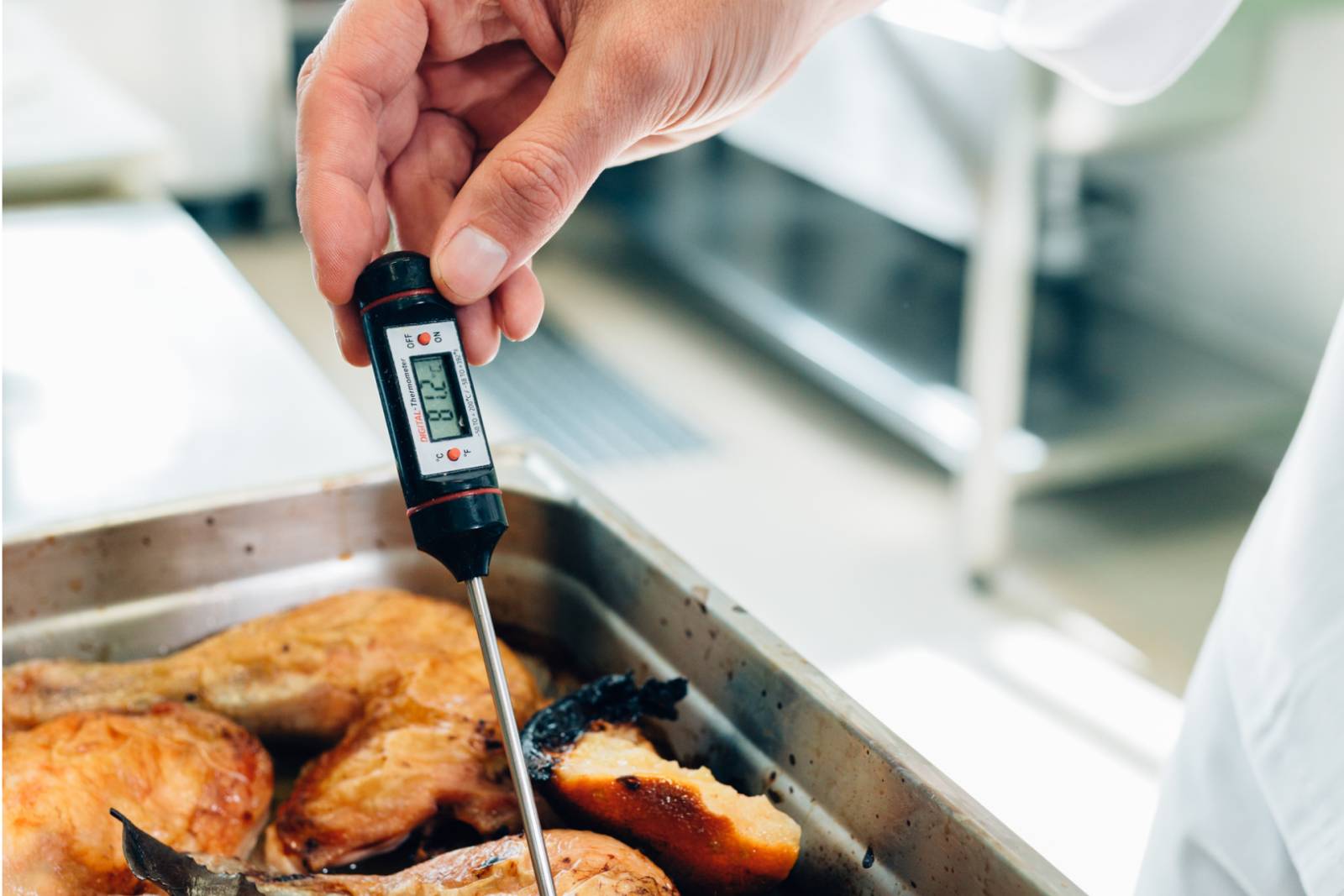
- Instant-read digital probes
- Fast and common. Calibrate every 3–6 months depending on use.
- Leave-in probe thermometers (oven probes)
- Exposed to long heat cycles. Calibrate every 3 months if used often.
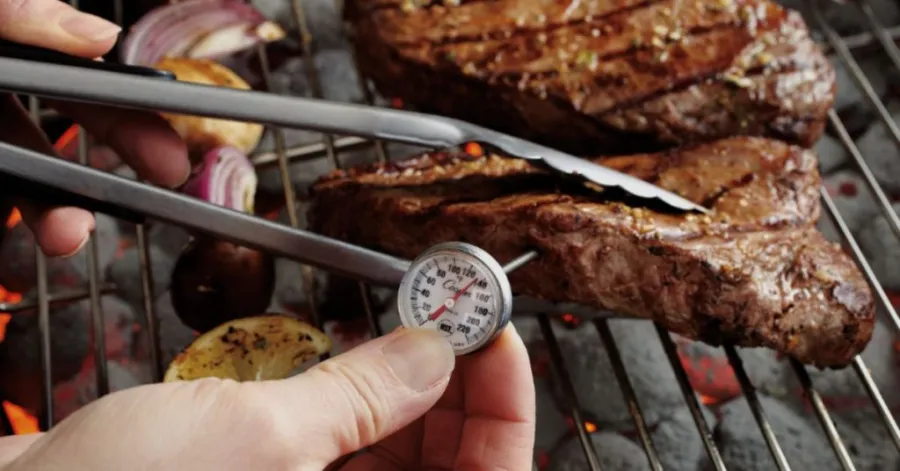
- Dial (analog) thermometers
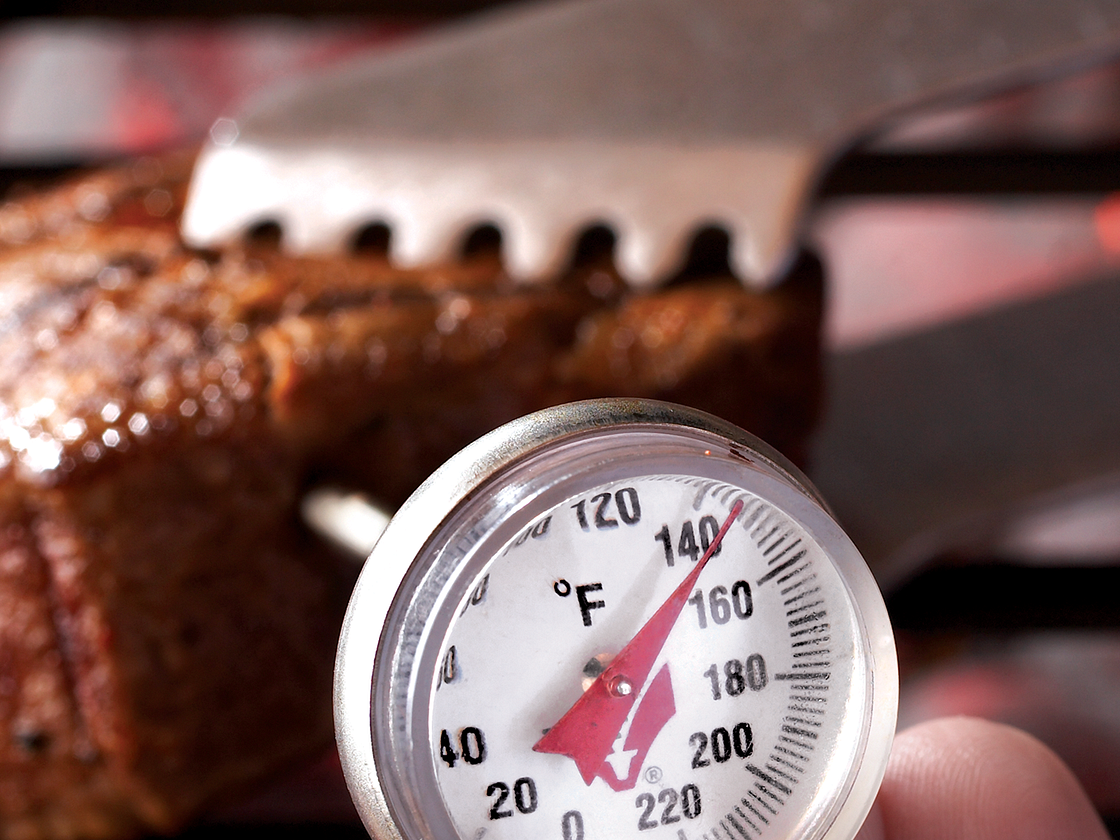
- Often adjustable with a nut. Calibrate before use and check monthly if in heavy use.
- Infrared (surface) thermometers
- Measure surface temps only. Check against a reference regularly; they are less reliable for internal temps.
Quality matters. Higher-end models usually hold calibration longer. Cheap thermometers often drift and may need replacement rather than repeated calibration.

Signs your thermometer needs calibration
Watch for these red flags so you know when to test calibration now.
- Readings jump or never stabilize.
- A test with ice water or boiling water is off by more than 2°F (1°C).
- The unit was dropped or exposed to very high or low heat.
- Strange behavior after battery change or cleaning.
- Cooking results are inconsistent despite correct technique.
If you see any sign, run an ice water test. It’s quick and it answers the question: how often should you calibrate a meat thermometer? — immediately when needed.
How to keep records and simple maintenance tips
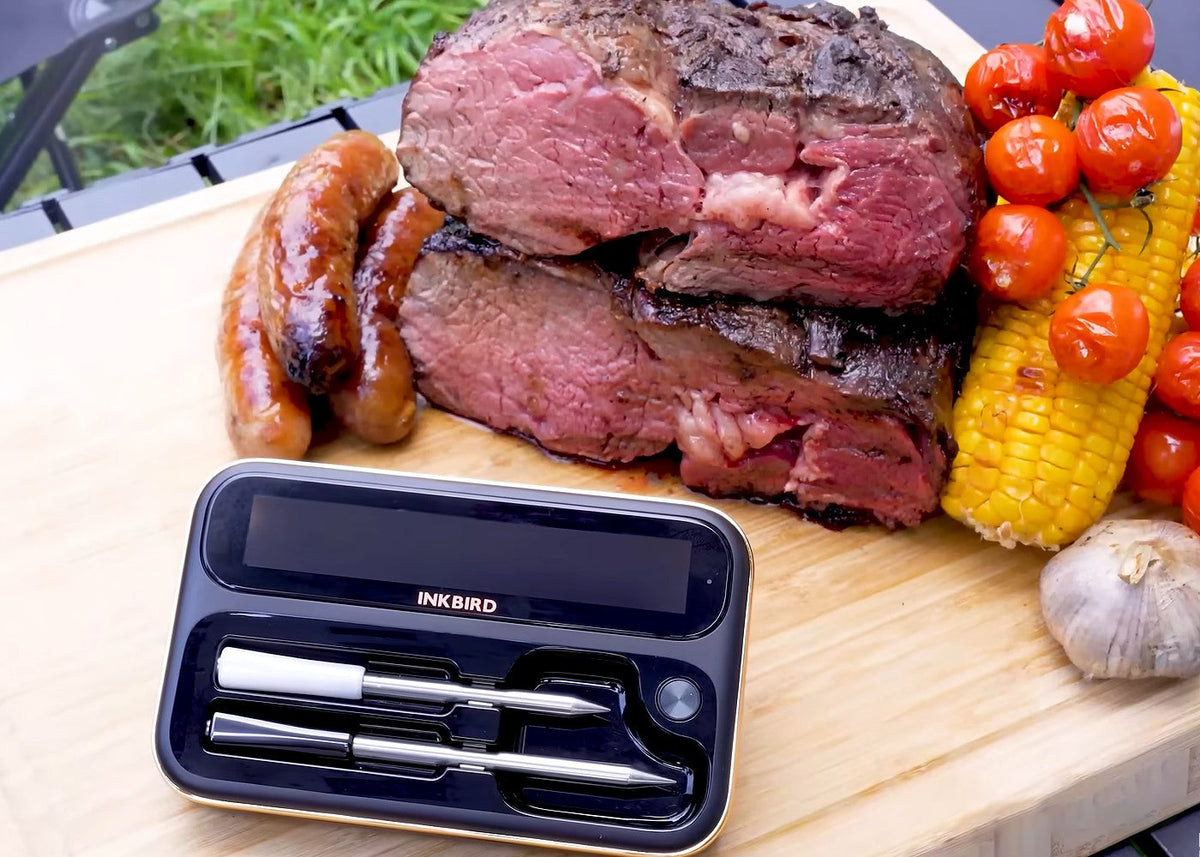
Record keeping helps you spot drift and patterns. Keep a simple log and follow a maintenance routine.
- Log each calibration
- Date, test (ice or boil), reading, and offset if any.
- Mark events
- Note drops, repairs, or heavy use days.
- Battery and sensor care
- Replace batteries regularly. Clean probes with warm soapy water and avoid harsh abrasives.
- Storage
- Store in a dry case and avoid bending the probe.
A tiny record sheet or phone note keeps things easy. Over time you will know how often should you calibrate a meat thermometer for your kitchen.

Personal experience and common mistakes to avoid
I once trusted a cheap probe for a summer BBQ. It read 145°F but the roast was underdone. After an ice test, I found it was 7°F low. Lesson learned: test before a big cook.
Common mistakes I see:
- Not testing after a drop.
- Relying only on guesswork, not a calibration test.
- Using surface thermometers to check internal temps.
- Ignoring altitude changes when using boiling test.
My tip: run an ice test the day before a big meal. It’s five minutes and prevents food waste and safety risks.

People also ask
How long does calibration take?
A basic ice water or boiling point test takes 3–5 minutes. Adjusting or logging results adds a few more minutes.
Can I calibrate at home?
Yes. Use the ice water and boiling water methods for simple, reliable checks. Professional calibration labs are available for high-precision needs.
What if my thermometer can't be recalibrated?
If your thermometer has a fixed bias and you can’t adjust it, note the offset and correct mentally, or replace the unit if inconsistency persists.
Is a 2°F error acceptable?
For home cooking, a 2°F error is usually acceptable for most meats. For precise work or commercial kitchens, aim for ±1°F and professional checks.
Do digital thermometers lose accuracy over time?
Yes. Sensors can drift with age, heat exposure, and repeated use. Regular checks help catch drift early.
Frequently Asked Questions of How often should you calibrate a meat thermometer
How often should you calibrate a meat thermometer for home use?
Calibrate at least every 6 months for typical home use. Also test after any drop, extreme heat exposure, or if readings seem wrong.
How often should you calibrate a meat thermometer for commercial use?
Calibrate every 1–3 months for heavy or commercial use, and follow local health or safety regulations if they require a specific schedule.
Can I use the ice water test for all thermometers?
Yes, most internal temperature probes and dial thermometers can be checked with ice water. Infrared surface models cannot use this test reliably.
Does altitude affect calibration tests?
Yes, altitude lowers the boiling point of water, affecting the boiling test. Use the ice water test for altitude-independent checks.
What is the easiest way to check accuracy quickly?
The ice water test is the fastest and most reliable quick check. It’s easy and does not need elevation adjustments.
Conclusion
Regular calibration prevents food safety risks and keeps meals consistent. Calibrate at least twice a year, after any drop, and more often if you use your thermometer heavily. Use simple ice water and boiling water tests, keep a short log, and replace or service devices that drift too far. Try an ice test before your next big cook and share your results or questions below — your next meal will be safer and tastier when you know how often should you calibrate a meat thermometer.