
Pantry organizers streamline storage, boost visibility, and make items far easier to reach.
I’ve spent years helping homeowners, designers, and busy families reshape messy pantries into calm, efficient spaces. This article walks through practical ways that pantry organizers improve kitchen storage and accessibility, from measurable benefits and tested layouts to real-life tips I’ve learned on installations and daily use. Read on to learn what works, what to avoid, and how to choose solutions that save time, reduce waste, and make your kitchen feel effortless.
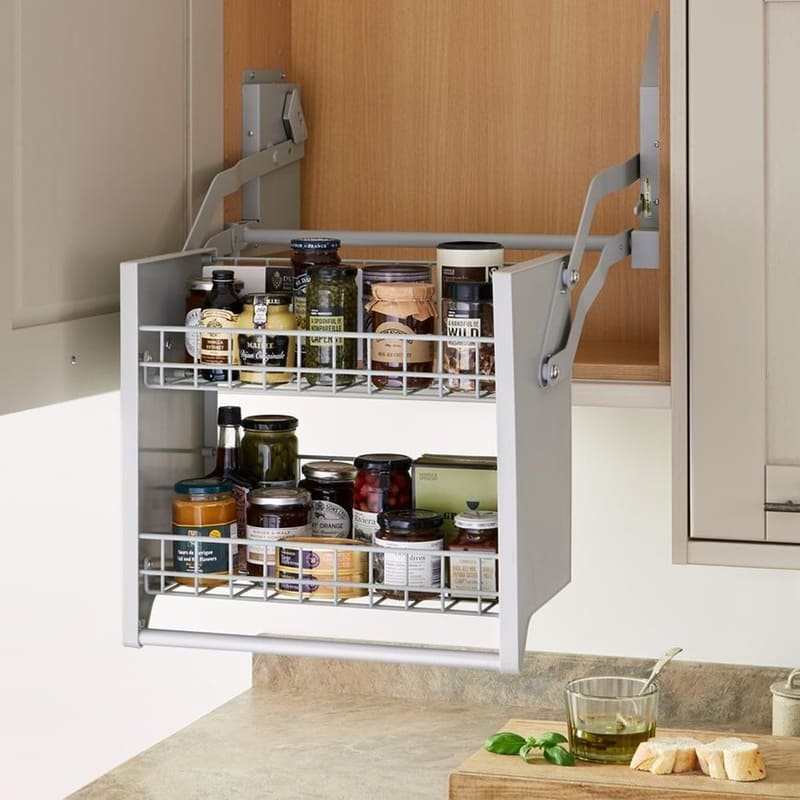
Why pantry organizers matter
A well-organized pantry changes how you use your kitchen every day. Clear systems cut search time, reveal what you actually have, and reduce duplicate purchases and food spoilage.
How pantry organizers improve kitchen storage and accessibility by turning cluttered shelves into intentional zones. That shift saves time and money while making cooking and meal prep calmer and faster.
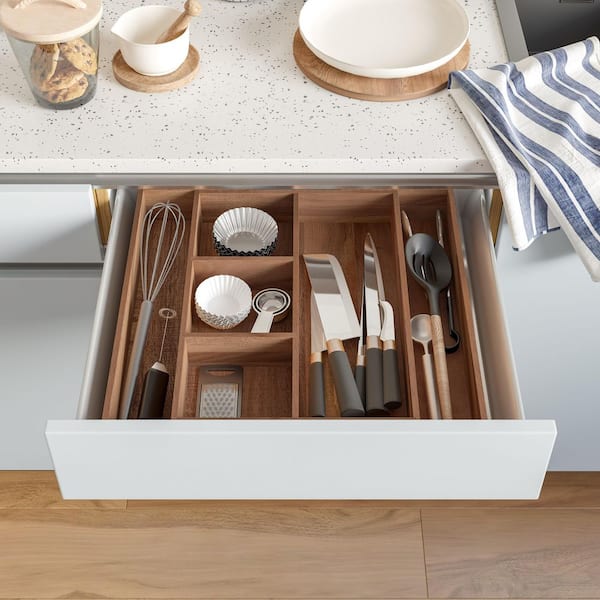
Key benefits of pantry organizers
Pantry organizers deliver practical returns that everyone notices. Here are the main benefits I see in projects and at home.
- Increased storage density — Use vertical space and stackables to fit more items without crowding.
- Better visibility — Clear bins and tiered racks put items at eye level so nothing hides.
- Faster access — Pull-out drawers and labeled zones let you grab ingredients quickly.
- Less waste — When you can see expiration dates, you use food before it spoils.
- Safer storage — Proper racks and containers prevent glass or cans from toppling.
- Consistent inventory — With a system, shopping lists become accurate and efficient.
These advantages show precisely how pantry organizers improve kitchen storage and accessibility for everyday life and for busy households.
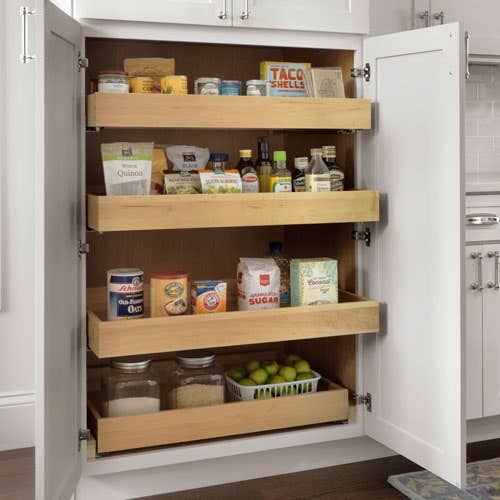
Types of pantry organizers and where they work best
Choosing the right type depends on pantry shape, family habits, and what you store most. Below are reliable options with practical uses.
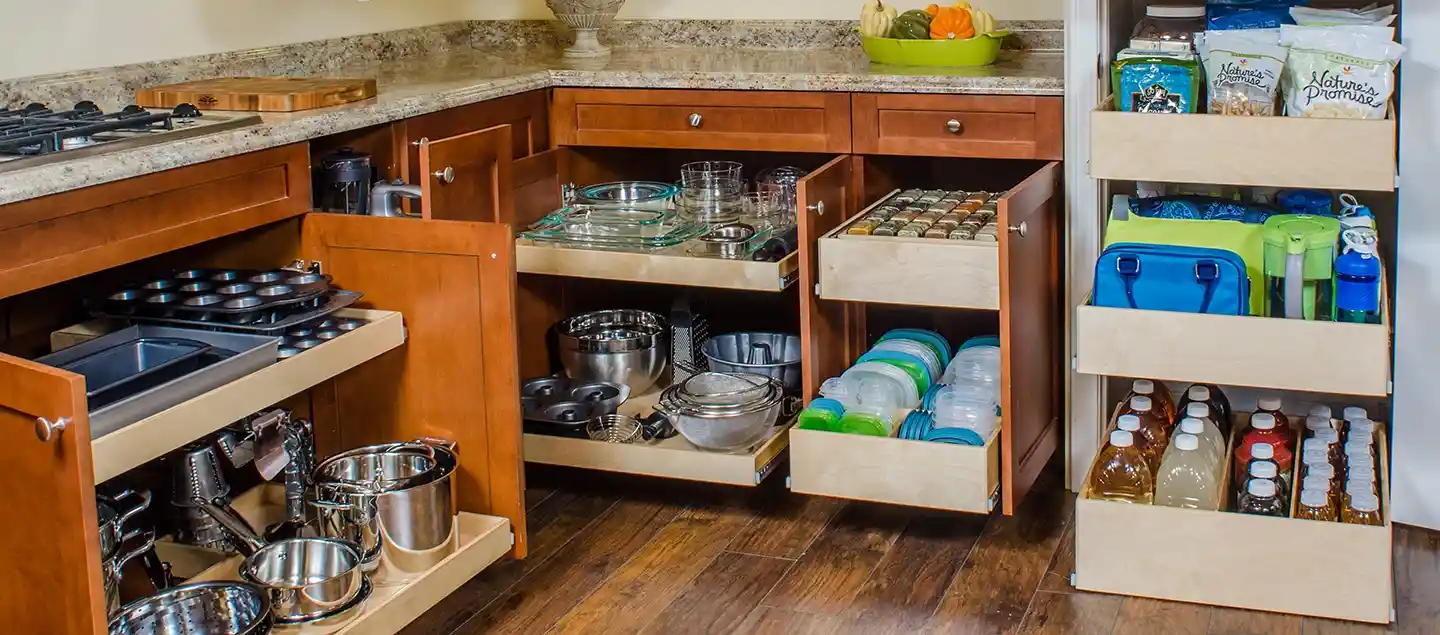
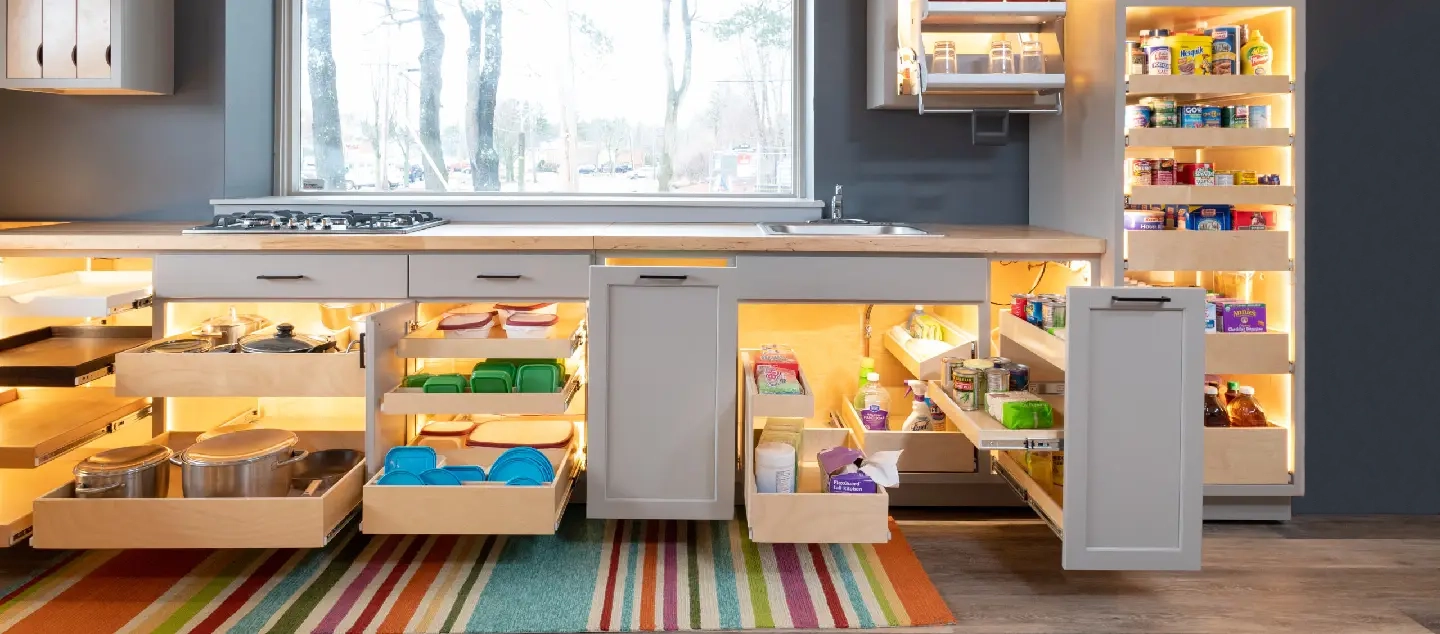
- Pull-out drawers — Best for deep shelves so items don’t get lost at the back.
- Clear stackable bins — Ideal for snacks, baking supplies, and kid-friendly sections.
- Shelf risers — Great for doubling shelf space for plates, cans, or jars.
- Door-mounted racks — Perfect for small spices, sweeteners, or cleaning supplies.
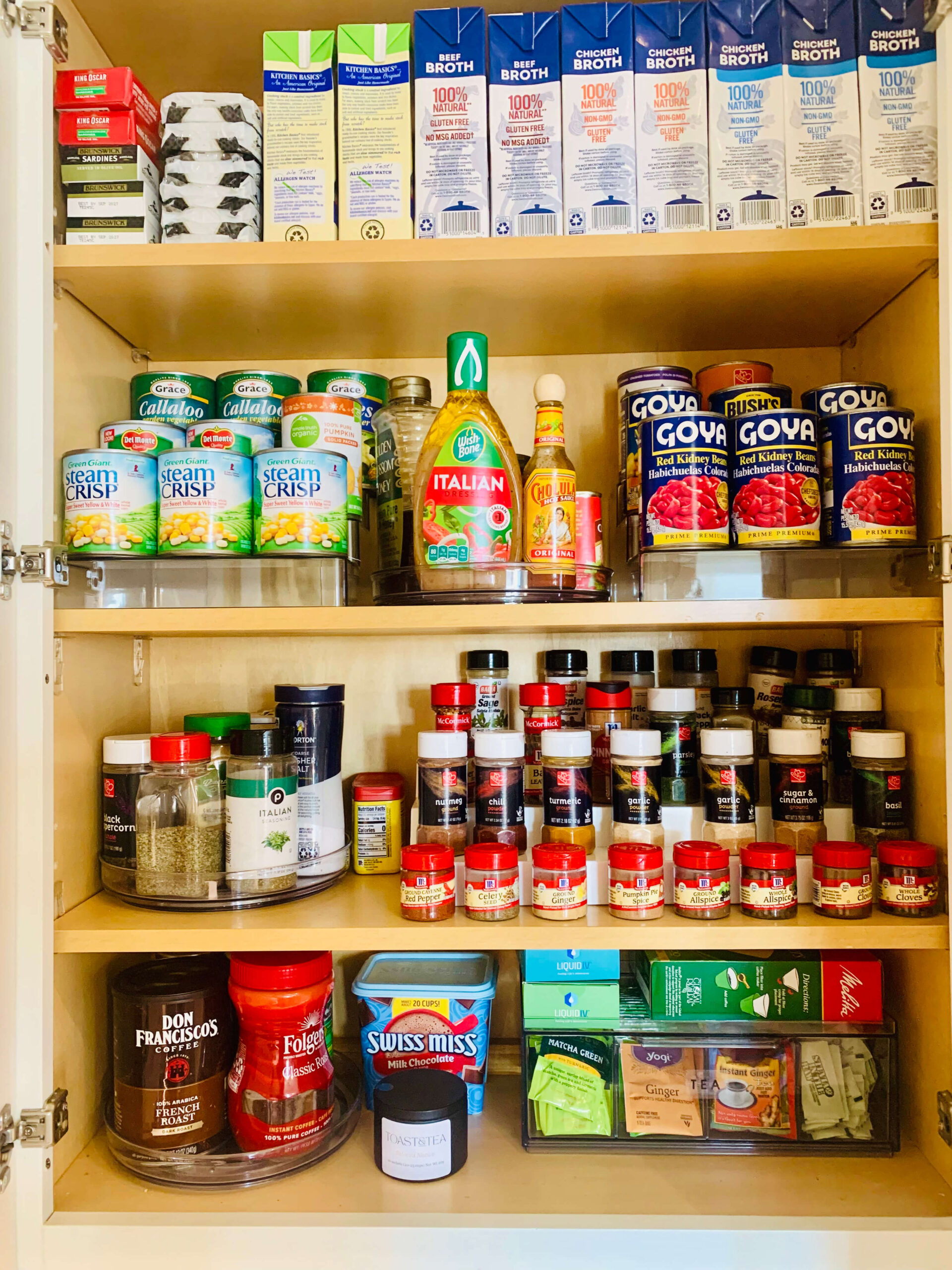
- Can organizers and tiered spice racks — Keep cans and bottles visible and easy to pull forward.
- Lazy Susans — Work well in corner spaces and for taller jars where spin access is helpful.
- Wire baskets — Provide airflow for produce and are easy to clean.
Each option contributes to how pantry organizers improve kitchen storage and accessibility by matching form to function and creating repeatable habits.
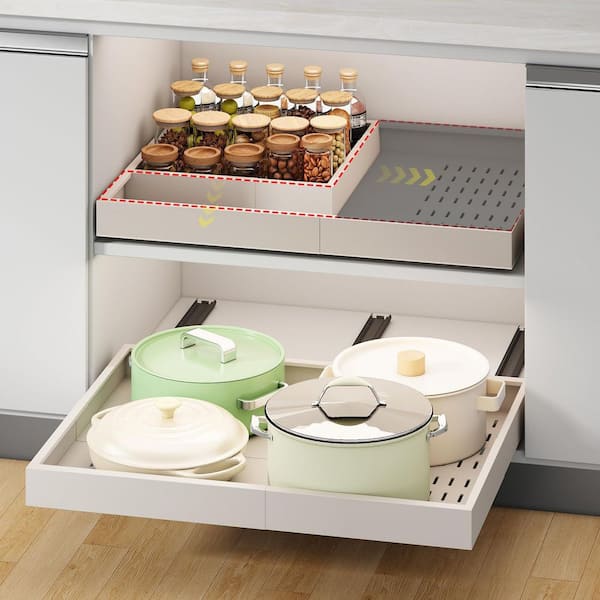
How to choose the right organizer for your pantry
Measure, prioritize, and plan before you buy. A few simple steps prevent common mistakes.
- Measure twice — Note shelf depth, height, and door swing. Know exact dimensions before purchasing.
- List priorities — Decide if you need more space, better visibility, or faster access.
- Pick durable materials — Plastic for damp areas, metal for heavy cans, and acrylic for clear visibility.
- Consider adjustable solutions — Flexible shelves and modular bins adapt as needs change.
- Budget for quality where it matters — Invest in pull-outs and heavy-duty racks if you use them daily.
Thoughtful selection is how pantry organizers improve kitchen storage and accessibility long term. The right choice saves money and avoids wasted purchases.
Layout and installation tips for maximum accessibility
A thoughtful layout makes daily routines simpler. Use these practical layout strategies I’ve applied in dozens of projects.
- Create zones — Group baking, breakfast, snacks, and canned goods so everything has a home.
- Put everyday items at eye and waist level — Reserve top shelves for rarely used items and bottoms for heavy bulk goods.
- Use vertical space — Stackable bins and risers unlock wasted height between shelves.
- Employ pull-out options on lower shelves — They reduce bending and reaching, improving accessibility.
- Secure tall items — Use rails or molded slots to keep bottles and jars stable.
Smart layout and careful installation show exactly how pantry organizers improve kitchen storage and accessibility by reducing motion and clarifying storage.
Maintenance habits that keep a pantry functional
An organizer is only as good as the habits that support it. Small routines yield big benefits.
- Do a weekly quick scan — Note low or expired items and update your shopping list.
- Rotate older items forward — Use first-in, first-out to cut waste.
- Keep like with like — Return items to their zones after every use to maintain order.
- Wipe shelves monthly — Clean spills and check seals on container lids.
- Reassess seasonally — Swap bulk storage needs and adjust zones for holidays or school schedules.
These maintenance habits are the practical side of how pantry organizers improve kitchen storage and accessibility over time.
Personal experience: lessons learned and mistakes to avoid
I’ve installed dozens of pantry systems and learned a few reliable lessons the hard way.
- Measure carefully — Once I bought deep pull-outs that wouldn’t fit because I misread the depth. Always double-check.
- Don’t over-segment — Too many tiny bins create fragmentation. Aim for clarity, not clutter.
- Label clearly — Handwritten labels fade; invest in consistent, readable labels for family use.
- Test ergonomics — Kids and older adults need lower, reachable shelves, so plan accessibility for your household.
- Start small — It’s better to install a few versatile solutions and expand than to commit to a full overhaul that doesn’t suit daily habits.
These practical insights show how pantry organizers improve kitchen storage and accessibility when designed around real family routines and tested ergonomics.

Cost, value, and return on investment
Investing in pantry organizers ranges from budget DIY fixes to professional custom systems. Here’s how to evaluate value.
- Low-cost options — Clear bins, risers, and door racks are inexpensive and provide immediate wins.
- Mid-range — Pull-out drawers and higher-quality stackables balance cost and durability.
- High-end — Custom cabinetry and built-in systems increase home value and offer premium function.
- Measure ROI in time and waste reduction — Most people recover the investment through fewer duplicate buys and saved time within months.
- DIY vs professional — If you enjoy DIY, small upgrades are straightforward; for complex layouts, a pro saves mistakes.
Thinking about cost through the lens of how pantry organizers improve kitchen storage and accessibility helps you pick solutions that pay back in daily ease.
:strip_icc()/blue-kitchen-spice-drawer-ffd217c2-a40f2b4e0ae74536946d32f5cac2e672.jpg)
Common mistakes to avoid
Avoiding a few predictable pitfalls keeps your system working for the long haul.
- Buying before measuring — Leads to returns and frustration.
- Over-compartmentalizing — Too many tiny containers make maintenance harder.
- Ignoring user needs — If kids can’t reach snacks, they won’t follow the system.
- Choosing style over function — Pretty containers that don’t stack or seal can be counterproductive.
- Skipping labels — Without labels, systems degrade quickly.
Learning from these mistakes highlights how pantry organizers improve kitchen storage and accessibility when designed with practicality and users in mind.
Frequently Asked Questions of how pantry organizers improve kitchen storage and accessibility
What is the first step to organizing a pantry?
Start by emptying the pantry, sorting items into keep, donate, and discard piles, and measuring the space. That foundation guides decisions about which pantry organizers will work best.
How often should I reorganize my pantry?
A quick scan once a week and a deeper reorganization every 3 to 6 months keeps systems tidy and prevents food waste. Seasonal changes often prompt useful adjustments.
Are custom pantry organizers worth the cost?
Custom organizers are worth it if you need precise fit, aesthetics, and long-term durability; otherwise, modular systems often provide strong value and flexibility. Think about daily use and resale value when deciding.
How do I make a pantry accessible for kids and older adults?
Place frequently used items at lower, reachable heights, use pull-out drawers to reduce bending, and use clear, labeled bins for easy identification. Small ergonomic changes improve accessibility immediately.
Can pantry organizers reduce grocery costs?
Yes. When you can see and track inventory, you buy less duplicate food and waste fewer items. Better visibility and labeling make meal planning and shopping more efficient.
What materials are best for pantry organizers?
Plastic bins are great for moisture-prone areas, metal racks hold heavier items, and acrylic gives clear visibility. Choose materials that match your pantry environment and cleaning habits.
Conclusion
Pantry organizers transform chaotic shelves into practical, time-saving systems that lower waste, speed meal prep, and make kitchens more enjoyable. Start with measurements, focus on usable zones, invest where daily convenience matters most, and adopt simple habits to keep the system working. Try one change this week—measure a shelf, add a pull-out bin, or label a zone—and notice how quickly small improvements compound into daily ease. Share your results or questions below, subscribe for more organizing tips, or explore further resources to refine your pantry system.