
Open windows, light colors, and layered lighting make your kitchen feel brighter fast.
I’ve helped dozens of kitchens go from dim and cramped to bright and welcoming. This guide shows practical ways and proven tweaks for how to bring more light into kitchen spaces, from easy fixes you can do in a day to small remodel ideas that pay off for years. You’ll get clear steps, budget options, and real-life tips I used when renovating my own kitchen to maximize light and comfort.
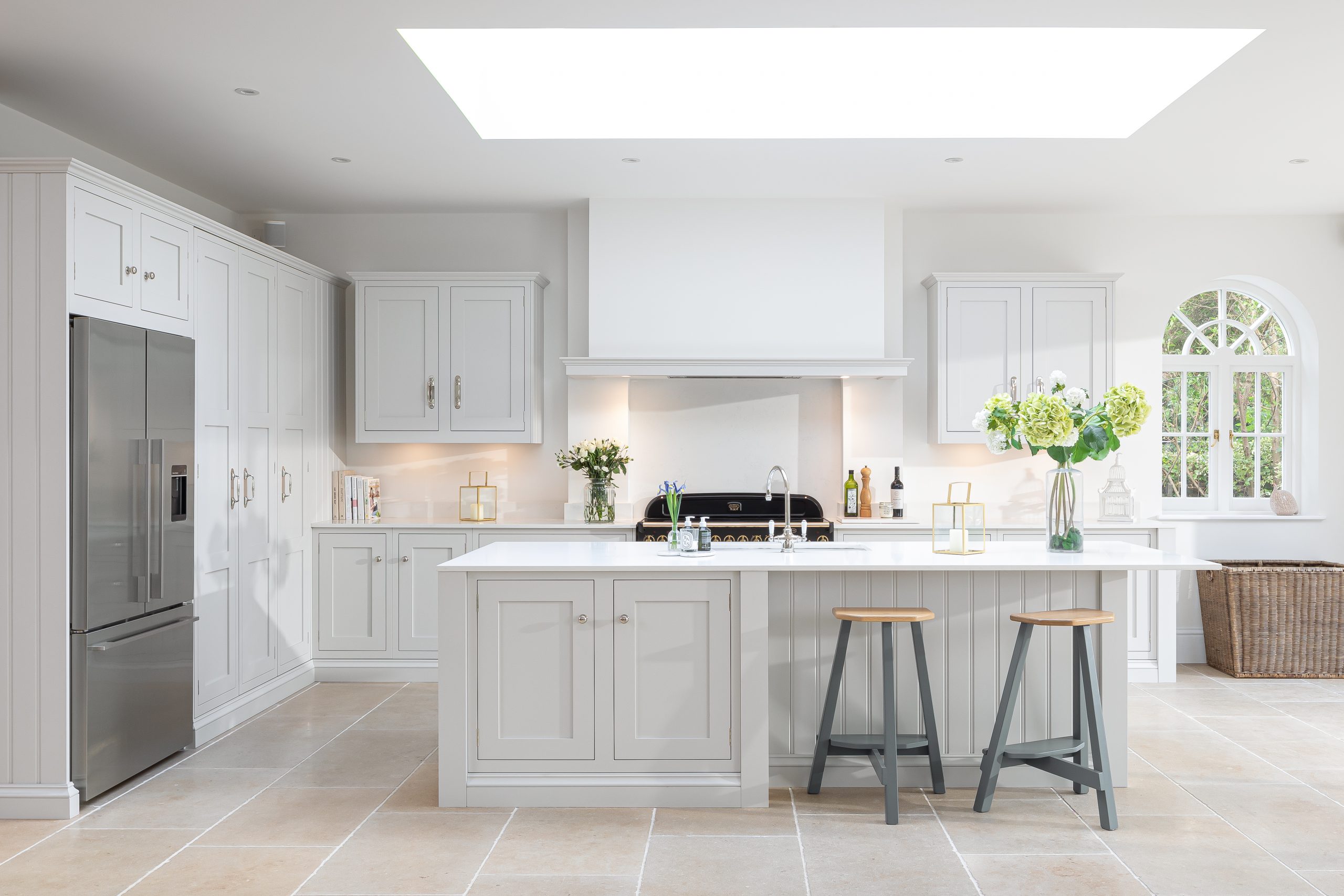
Why light matters in the kitchen
Good light makes food prep safer. It improves mood and makes a kitchen feel larger. Bright kitchens sell faster and get used more by families and guests.
How you approach how to bring more light into kitchen affects safety, function, and the look of every meal you make. Think of light as a design ingredient. It’s as important as cabinet color or counter material.
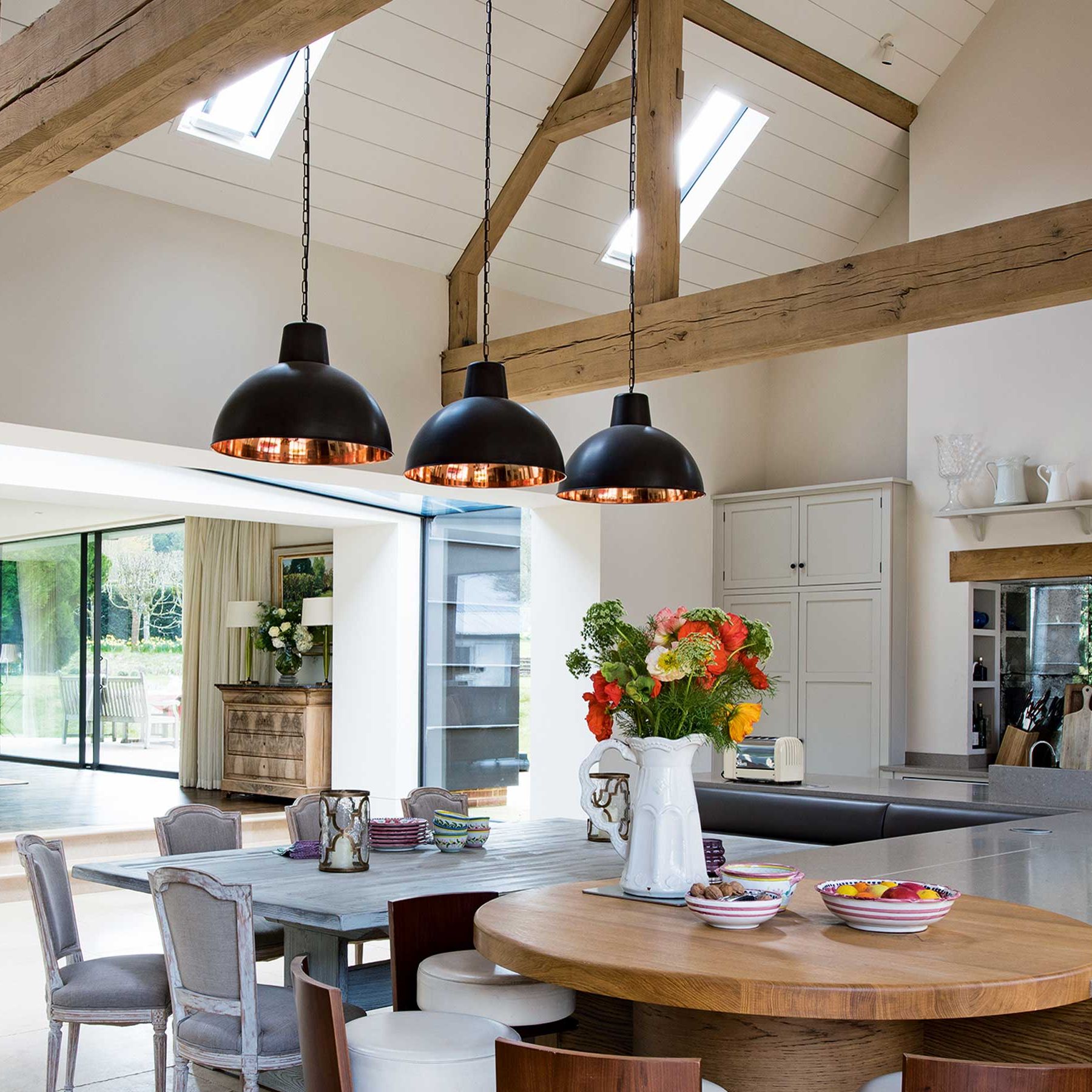
Natural light strategies
Natural light is the cleanest, most flattering source for a kitchen. Use these tactics to bring in more daylight and spread it around the room.
- Add or enlarge windows
- Larger windows bring more daylight. Even adding a single, wider window over the sink can change how the room feels.
- Install skylights or roof windows
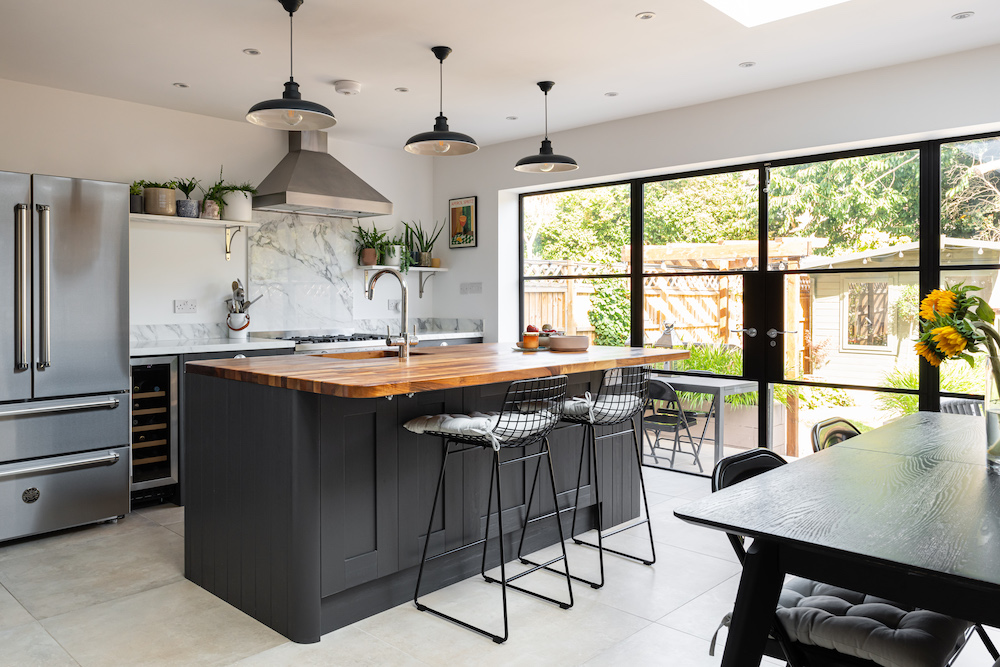
- Skylights work well in single-story homes or over islands to add direct overhead light.
- Use glass doors or sliding doors
- Replace a solid back door with a glass or full-light door to flood the kitchen with light.
- Remove obstructions outside the window
- Trim trees and shrubs that block light. Keep window wells clean.
- Use interior glass features
- Interior glass partitions or transom windows move light deeper into the home.
People also ask
Will skylights make my kitchen too hot?
Skylights can add heat in summer, but modern options include low-E glass and shades to reduce heat gain.
Can I add a window to a load-bearing wall?
Yes, but you’ll need a pro to add headers or beams. A contractor can advise on permits and structure.
Is glass door privacy a problem?
You can use frosted glass, shades, or films that let light in while keeping privacy.
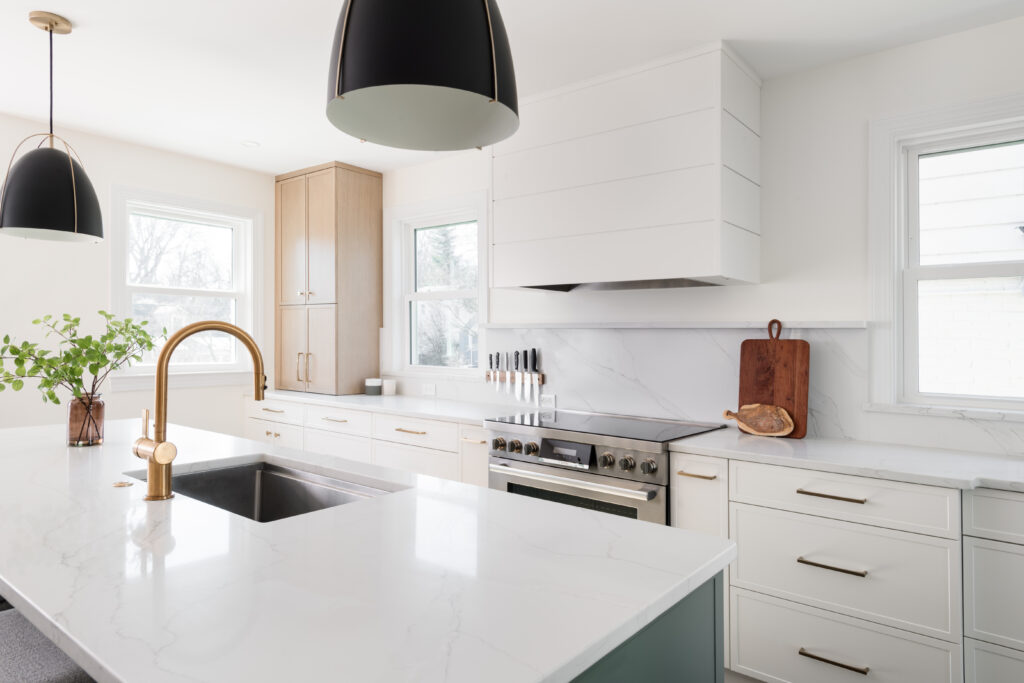
Artificial lighting: a layered approach
Layered lighting gives control day and night. Combine three layers for the best result.
- Ambient lighting
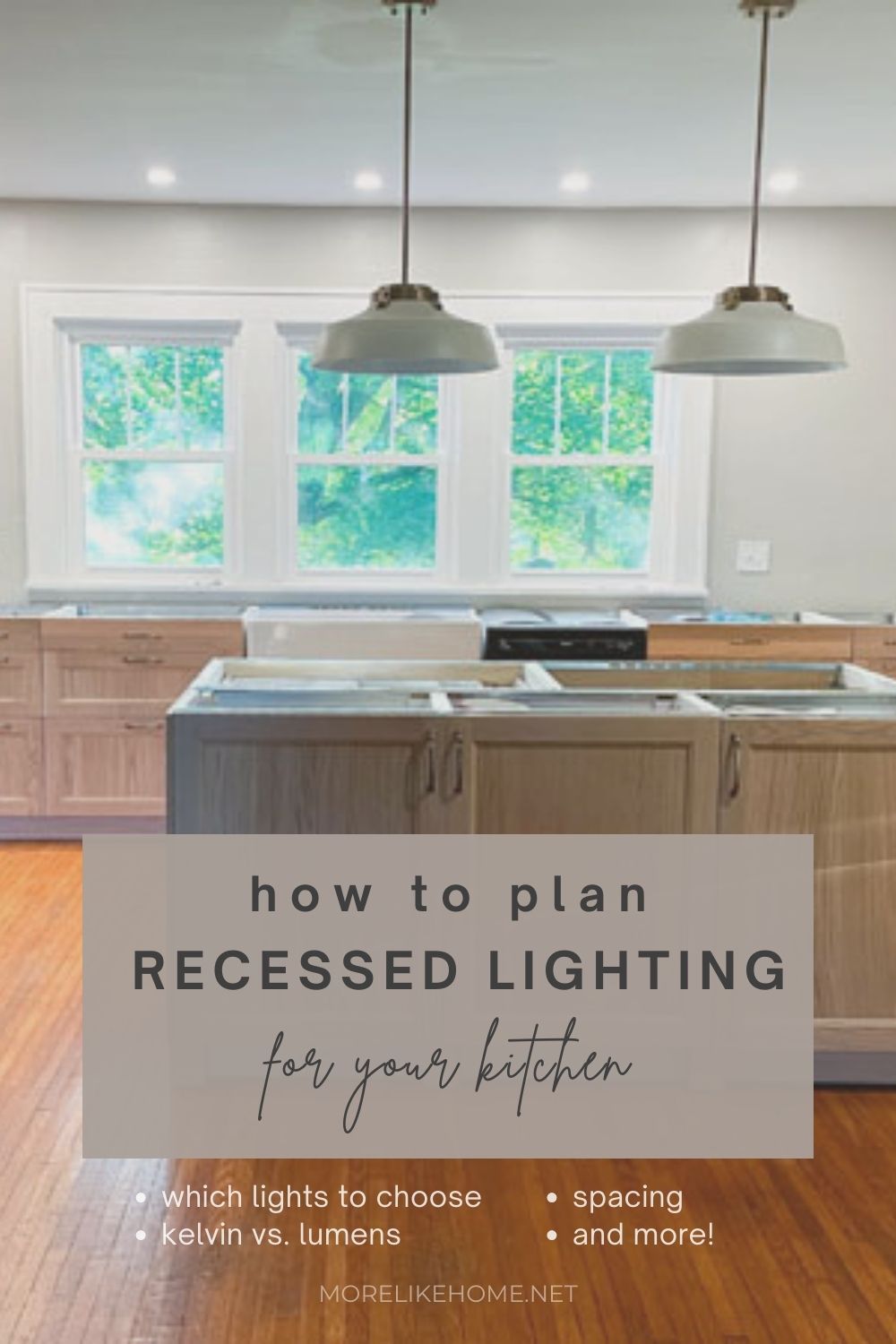
- Use ceiling fixtures or recessed lights to light the room evenly.
- Task lighting
- Put under-cabinet lights over counters and sinks for food prep and safety.
- Accent lighting
- Add pendant lights over islands and toe-kick LEDs to highlight features.
Choose bulbs with the right color temperature. Aim for 2700K–3500K for a warm but clear kitchen feel. High CRI bulbs (90+) show food colors accurately. Dimmers add flexibility and save energy. Proper placement and bulb choice are vital when learning how to bring more light into kitchen without glare or shadows.

Color, finishes, and reflective tactics
Color and finish choices multiply the effect of light. Paint, counters, and fixtures all matter.
- Light wall colors
- Whites, soft grays, and pale pastels reflect light. Use eggshell or satin for slight sheen.
- Reflective backsplashes
- Glossy tiles, glass, or polished metal bounce light from windows and fixtures.
- Cabinet finishes
- Semi-gloss or lacquered cabinets reflect more light than matte finishes.
- Bright counters and floors
- Light stone or engineered surfaces help spread light. Avoid very dark floors if you want a bright feel.
- Mirrors and reflective art
- Place a mirror opposite a window or near a light source to amplify daylight.
Applying these choices is a simple answer to how to bring more light into kitchen spaces without major construction.

Layout and architectural changes that add light
Small layout changes can have big effects on light flow.
- Open shelving or glass doors on upper cabinets
- These reduce visual weight and let light pass.
- Remove or shorten upper cabinets
- Add a floating shelf or high windows in their place to let light through.
- Create sightlines
- Open the kitchen to adjoining rooms to share daylight.
- Add clerestory windows or transoms
- High windows bring in light while keeping privacy.
- Consider a sun tunnel
- Sun tunnels are cost-efficient ways to bring daylight into interior kitchens.
These changes show practical ways to bring more light into kitchen areas during a remodel or refresh.
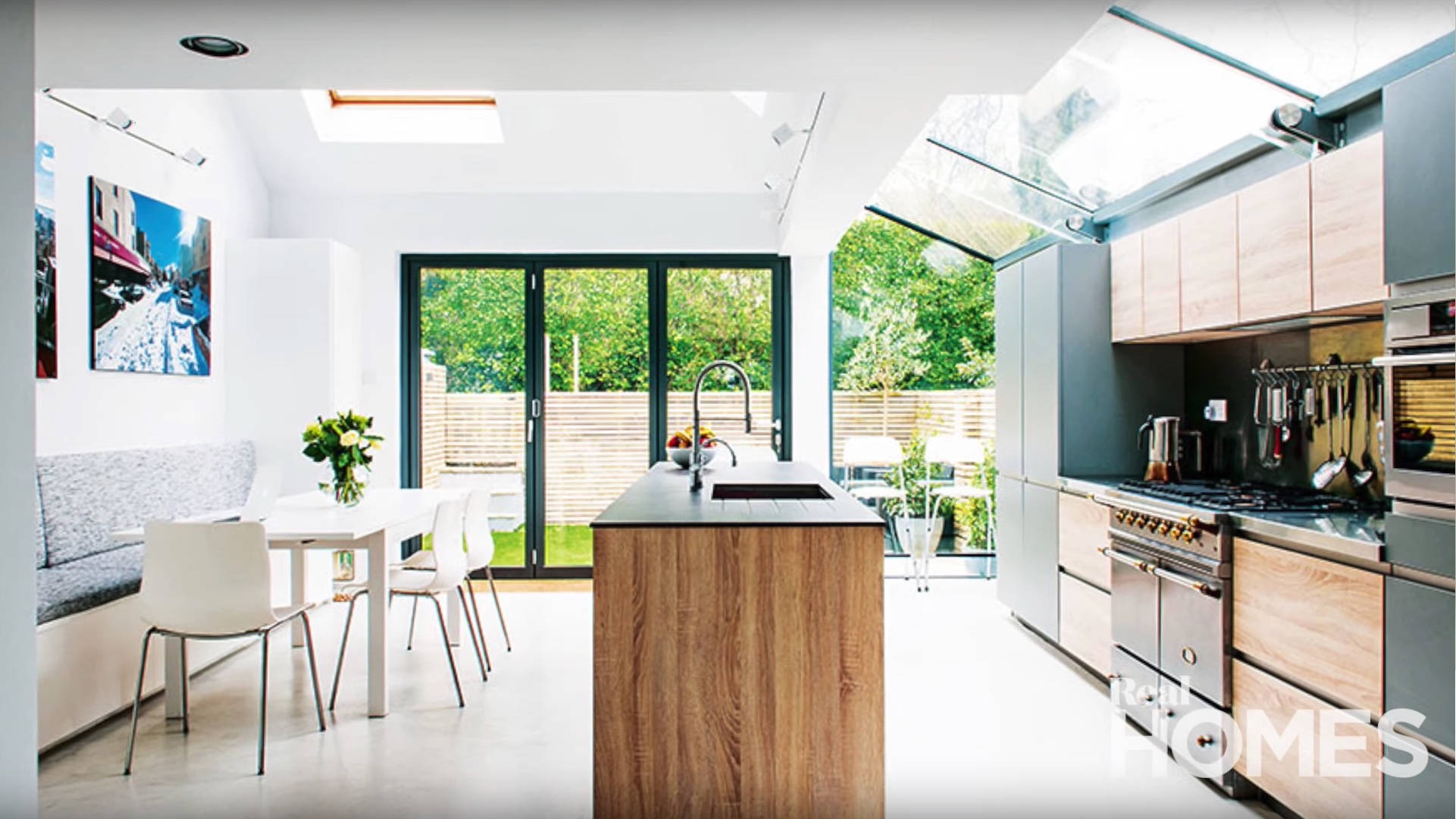
Small-budget fixes and quick wins
You don’t need a big budget to improve light. Try these low-cost steps today.
- Clean windows and light fixtures to increase output.
- Swap heavy curtains for light sheers or no treatment.
- Change bulbs to brighter LEDs with a higher CRI.
- Add plug-in under-cabinet lights or LED strips.
- Swap matte cabinet hardware for shiny pulls that reflect light.
- Use a large mirror on a free wall to bounce daylight.
These quick fixes are the fastest way to see how to bring more light into kitchen spaces without a contractor.
Common mistakes to avoid
Avoid choices that reduce light or create glare.
- Painting everything white without contrast
- All-white can feel sterile; add warm accents to keep the room cozy.
- Installing the wrong color temperature bulbs
- Too cool (blue) light can make food look unappealing.
- Relying only on overhead lighting
- This causes shadows on counters; add task lights instead.
- Blocking windows with tall appliances or bulky window treatments
- Keep sightlines clear to maximize daylight.
These are lessons I learned when I first redecorated my own kitchen and had to undo a few rushed choices.

Personal experience: a quick case study
When I remodeled my older kitchen, it had small windows and dark cabinets. I started by painting cabinets a soft cream and adding LED under-cabinet lights. Next I replaced the back door with a glass door and added a mirror across from the sink. The change was dramatic.
Lessons learned:
- Tackle quick, visible changes first to get immediate value.
- Balance brightness with warmth so the kitchen feels lived-in.
- Test bulb color and dimmers before committing to fixtures.
These steps reflect real results and show practical ways to bring more light into kitchen spaces without overspending.
Frequently Asked Questions of how to bring more light into kitchen
How much natural light does a kitchen need?
Aim for a bright, even mix of natural and artificial light. No strict number exists, but more windows and unobstructed sightlines usually work best.
Can paint color really affect brightness?
Yes. Lighter wall and cabinet colors reflect more light, making the room feel larger and brighter.
Are LED bulbs good for kitchens?
LEDs are energy efficient and come in varied color temperatures and high CRI ratings, making them ideal for kitchens.
Do skylights increase home value?
Skylights can boost appeal and value if installed correctly and without causing leaks or glare issues.
What’s the fastest way to brighten a kitchen?
Clean windows, swap to brighter LEDs, add under-cabinet strips, and remove heavy window coverings for an instant lift.
Conclusion
Brightening a kitchen improves safety, mood, and the way your home feels. Start small with bulbs, paint, and reflective surfaces, then move to windows, skylights, or layout changes as your budget allows. Try one change this week—like swapping bulbs or adding under-cabinet lights—and see how it transforms your space. If this guide helped, share your result or ask a question below, and consider subscribing for more practical home tips.