You can build durable, custom kitchen cabinets with basic tools, planning, and patience.
I’ve built cabinets for friends and my own home, and I know what works. This guide walks you through how to build your own kitchen cabinets step by step. I cover tools, materials, layout, cutting, joinery, finishing, installation, costs, and common mistakes. Read on for practical tips, real-world lessons, and clear steps you can follow even if you are new to woodworking.
:max_bytes(150000):strip_icc()/CabinetOpener-2000-05483ad02f854fceb8833a3d91f687d3.jpg)
Materials and Tools You Need
Start by gathering the right gear. How to build your own kitchen cabinets begins with choosing materials and tools that match your goals.
Materials to consider
- 3/4-inch plywood for cabinet boxes for strength and flatness.
- 1/4-inch plywood for backs to save cost and weight.
- Hardwood or plywood face frames, or slab faces if you prefer frameless.
- Drawer slides, hinges, screws, glue, wood filler, sandpaper, paint or stain, finish.
Essential tools
- Table saw or circular saw with a straight guide.
- Drill and driver, pocket-hole jig or dowel jig.
- Router, clamps, tape measure, speed square, and sander.
- Jigsaw for cutouts and a level for installation.
Why these matter
- The right plywood gives straight boxes that are easier to install.
- Basic power tools cut time and improve accuracy.
- Quality hardware keeps doors and drawers working for years.
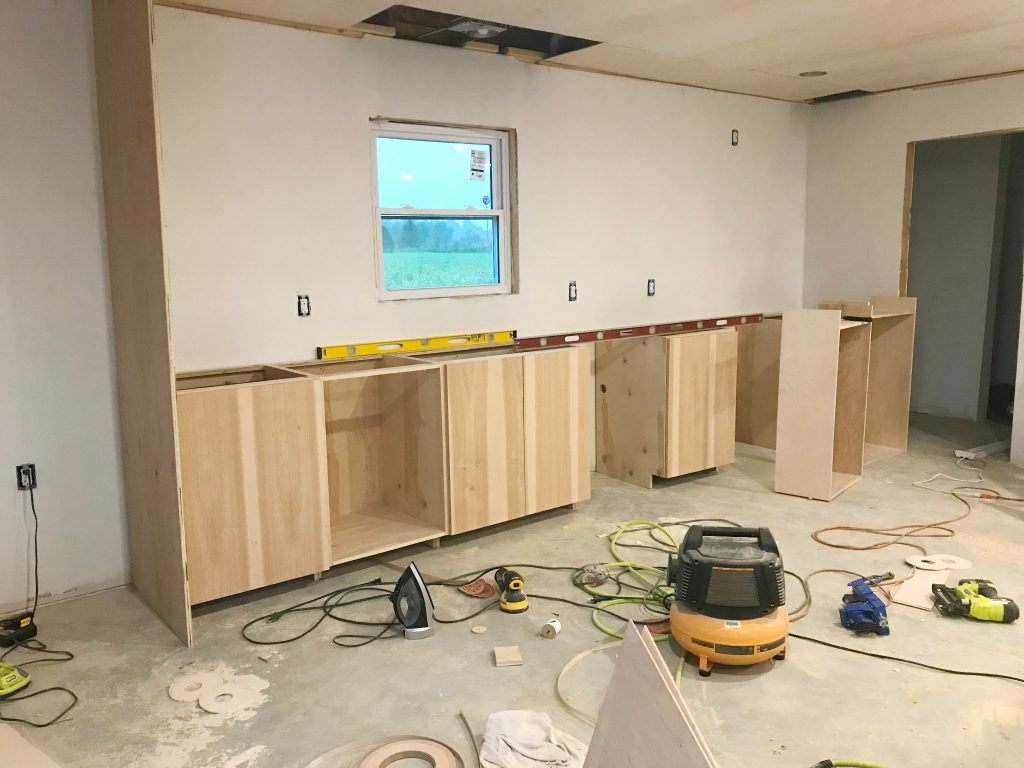
Source: woodshopdiaries.com
Planning and Measuring Your Kitchen
Good planning saves time and money. How to build your own kitchen cabinets starts with a detailed plan and accurate measurements.
Steps to plan
- Measure kitchen walls, windows, doors, and appliances.
- Sketch a layout with base cabinets, wall cabinets, and tall units.
- Decide between framed or frameless cabinets and door styles.
- Pick standard cabinet depths or custom sizes to fit your space.
Design tips
- Allow 34 1/2 inches for base cabinet height before the countertop.
- Leave at least 36 inches of working aisle width when possible.
- Plan for outlets, plumbing, and appliance clearances early.
PAA-style questions
What is the easiest cabinet style for beginners?
- Frameless boxes with slab doors are simpler because they need fewer parts and easier alignment.
How long does planning usually take?
- For a single small kitchen it can take a day or two; larger kitchens take longer to finalize.
Should I design cabinets to standard sizes?
- Yes, standard sizes save cost and make finding hardware simpler.

Source: youtube.com
Building the Cabinet Boxes (Step-by-Step)
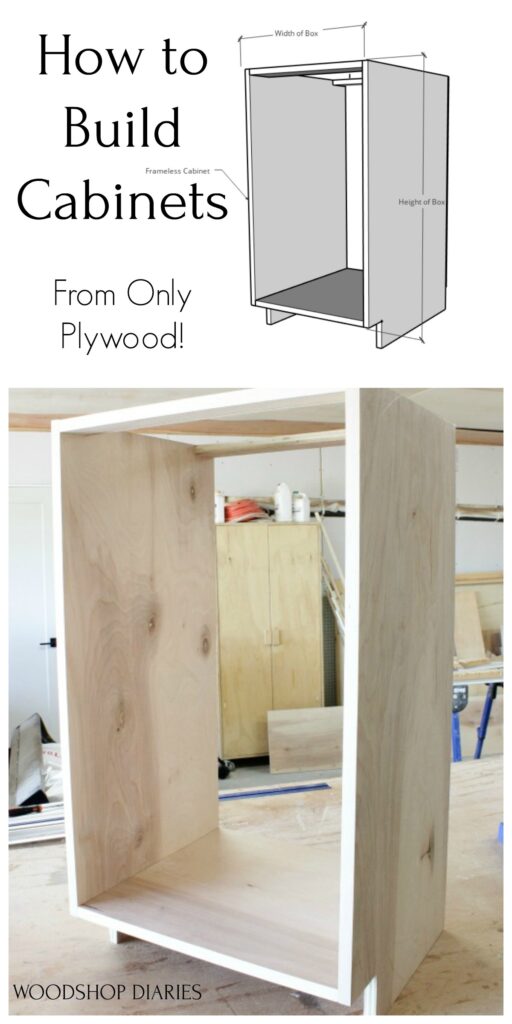
This is the core of how to build your own kitchen cabinets. Keep cuts square and glue lines clean.
- Cut parts
- Cut sides, bottom, top, and fixed shelves from 3/4-inch plywood.
- Keep pieces stacked and labeled as you cut.
- Assemble boxes
- Use pocket holes or dados for strong joints.
- Apply glue and clamp the pieces before screwing.
- Check squareness with a diagonal measurement.
- Add backs and rabbets
- Attach 1/4-inch back with screws or brads into a rabbet.
- For extra strength use plywood back glued and screwed.
- Add internal supports
- Install a cleat near the floor for toe kick support.
- Add shelf pins or fixed shelves as required.
Tips from experience
- I mark every piece with a pencil code. It cut down mistakes.
- Make one test box first. This saves errors when making the rest.
Common cuts to watch
- Check grain direction to avoid tear-out.
- Use a sacrificial fence when ripping narrow pieces.
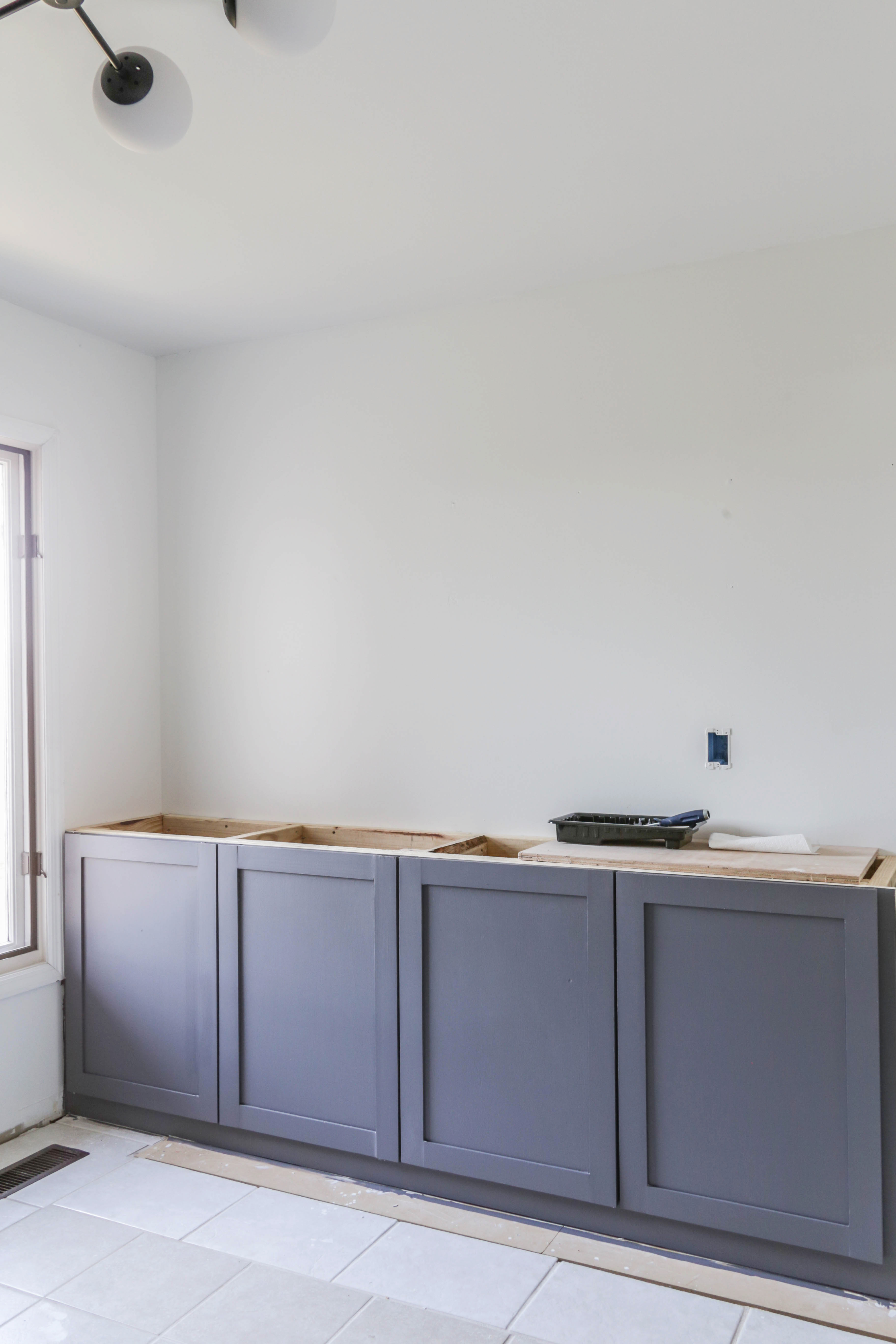
Source: designingvibes.com
Making Doors, Drawers, and Face Frames
Doors and drawers give your kitchen its look. This part defines style and function when you learn how to build your own kitchen cabinets.
Door options
- Slab doors are simple to make and paint.
- Shaker or rail-and-stile doors need a router or table saw for profiles.
- Consider MDF for painted doors to avoid grain show-through.
Drawer building
- Use box joints or dovetails for strength, or dowels/pocket holes for speed.
- Fit 3/4-inch plywood bottoms for stability.
- Choose undermount or side-mount slides based on budget and feel.
Face frames
- For framed cabinets, build 1 1/2-inch wide rails and stiles from hardwood.
- Use glue and clamps for tight joints.
- Sand and cut for long-term fit so doors close evenly.
Personal note
- My first drawers stuck because I used cheap slides. Buy good slides — they change the feel entirely.
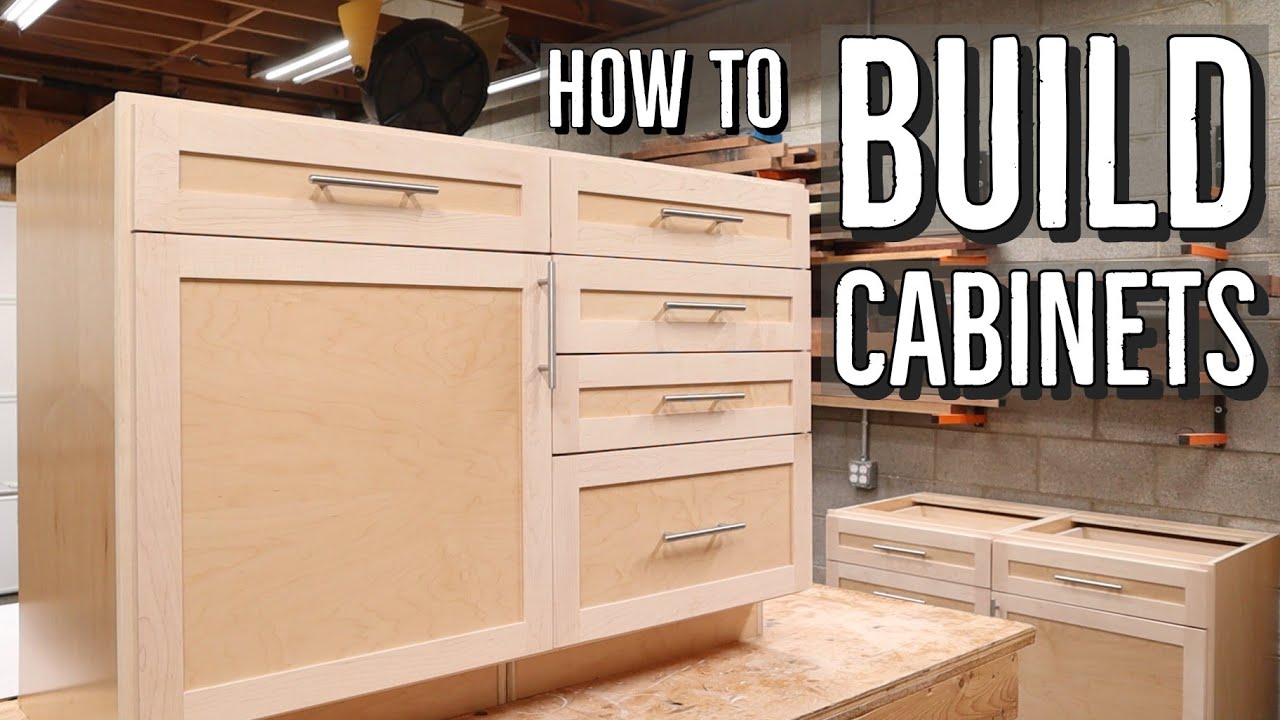
Source: youtube.com
Assembly and Installation Tips
Installing your cabinets correctly makes the kitchen last. How to build your own kitchen cabinets includes careful layout and robust fastening.
Wall and base installation
- Start from the highest point on a floor for a straight run.
- Shim base cabinets to level and screw them together through the sides.
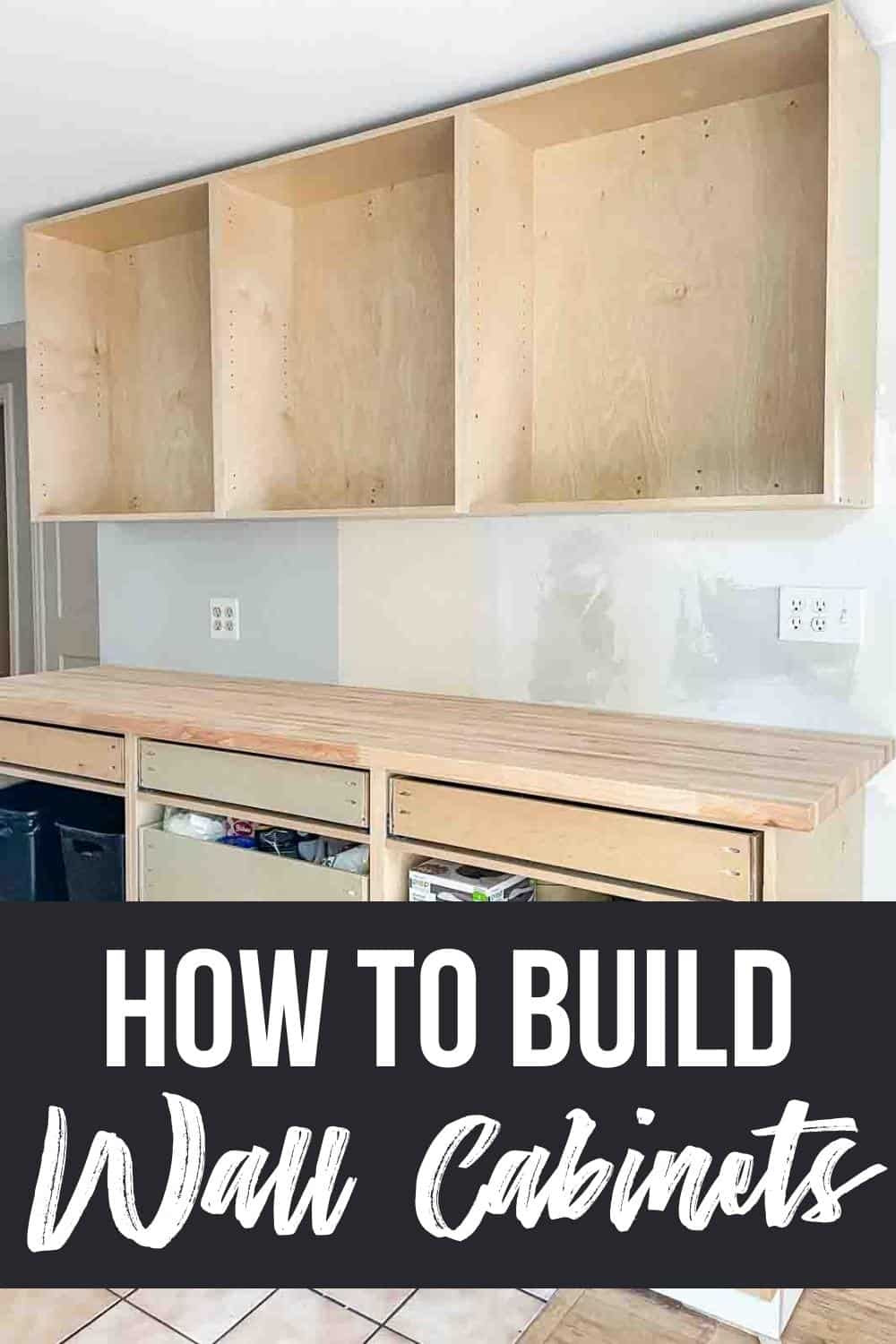
- Use a ledger board when placing wall cabinets to support weight while fastening.
Fastening and alignment
- Screws into studs are best for wall units.
- Clamp and screw adjacent cabinets together to keep a flush seam.
- Check plumb and level after each cabinet; small errors add up.
Appliance and countertop prep
- Leave clearance for range, hood, and refrigerator.
- Confirm countertop overhang and sink placement before finishing.
Real-world tip
- When installing hanging cabinets I used a second pair of hands and a French cleat for safety. It made the job easier and safer.
Source: woodshopdiaries.com
Finishing, Painting, and Hardware
A good finish protects and polishes your work. This step makes how to build your own kitchen cabinets feel professional.
Sanding and prep
- Sand to 120–220 grit depending on final finish.
- Clean dust thoroughly before priming or staining.
Painting vs staining
- Paint hides wood choices and is forgiving for amateur builders.
- Stain shows wood grain but needs wood selection and sealing.
Applying finish
- Use thin coats and sand between coats.
- Consider water-based finishes for low odor and quick dry time.
Hardware selection
- Choose hinges and slides with proven load ratings.
- Pulls and knobs should match the style and scale of cabinets.
Lesson learned
- I once painted without priming and had to repaint. Primer matters.
Source: thehandymansdaughter.com
Cost, Time Estimates, and Common Mistakes
Knowing cost and time helps you plan. How to build your own kitchen cabinets can save money but takes time.
Cost factors
- Material quality: plywood vs MDF changes price a lot.
- Hardware quality: good hinges and slides cost more but last longer.
- Tools: buying tools adds upfront cost, renting can save money.
Time estimates
- Small kitchen: 2–4 weekends for a single person with basic tools.
- Full kitchen: 1–3 months depending on detail and finish.
- Allow extra time for drying finishes and unexpected errors.
Common mistakes to avoid
- Rushing measurements — measure twice, cut once.
- Skipping test fit — a mock-up reveals hidden issues.
- Using low-quality hardware — it leads to poor function and early replacement.
Cost-saving tips
- Build base boxes and buy premade doors to save time.
- Use semi-custom cabinet options for lower labor needs.

Source: youtube.com
Safety and Maintenance
Work safe and maintain cabinets for long life. How to build your own kitchen cabinets includes safe practice and upkeep advice.
Safety practices
- Wear eye and ear protection and a dust mask when cutting.
- Keep blades sharp and guards in place.
- Use push sticks and avoid loose clothing near saws.
Maintenance tips
- Clean spills quickly to avoid finish damage.
- Re-tighten screws and hinges yearly.
- Touch up finishes with matching stain or paint for small dings.
Limitations and transparency
- DIY cabinets can be high quality but may lack complex shop finishes from pros.
- If you lack time or need custom curves, a pro shop may be better.

Source: grandmashousediy.com
Frequently Asked Questions of how to build your own kitchen cabinets
How long does it take to build a simple cabinet?
A simple base cabinet can take a few hours for a practiced builder. Expect a full set for a small kitchen to take several weekends.
Do I need a table saw to build cabinets?
A table saw speeds up cutting and improves accuracy but a circular saw with a guide can work for beginners.
What type of plywood is best for cabinets?
Cabinet-grade 3/4-inch plywood with minimal voids is best for boxes. Birch or maple plywood gives good edges and stability.
Can I build cabinets without a router?
Yes. You can use pocket-hole joinery and pre-made edges. A router helps with door profiles and decorative details.
Is it cheaper to build or buy cabinets?
DIY can save labor costs but adds time and requires tools. Stock cabinets are cheaper up front; custom pros cost more but offer finish quality and speed.
Conclusion
Building your own kitchen cabinets is a practical way to get custom looks and save money. You can control materials, sizes, and finishes while learning useful skills. Start small, plan well, and test one cabinet before doing a full run. Take the time to measure, use good hardware, and follow safety rules. If you enjoyed this guide, try a practice box, subscribe for more DIY projects, or share your cabinet story in the comments.