
Soak, deglaze and scrub with baking soda and vinegar to remove burnt pressure cooker bottom.
This guide shows How to clean a burnt pressure cooker bottom safely and efficiently. I have restored many scorched cookware pieces in my own kitchen and for friends. Read on for step-by-step methods, quick fixes, and prevention tips that protect your cooker and speed up cleanup.

Why pressure cooker bottoms burn and what that looks like
Pressure cookers burn when food hits high heat or when liquid runs low. Burn marks range from light brown stains to black, crusted layers. Burn can glue to stainless steel, aluminum, enamel, or nonstick bases. Knowing the burn type helps you choose the right clean-up method.
Common causes
- Cooking on too high heat and no liquid.
- Food stuck during high-pressure cycles.
- Sugary sauces that caramelize and scorch.
- Ignoring follow-up cleaning after heavy use.
How this affects cleaning
- Thin stains often lift easily with soak and scrub.
- Thick, carbonized layers need boiling, baking soda, or gentle scraping.
- Nonstick or enamel needs milder methods to avoid damage.

Source: reddit.com
Safety first: protect yourself and the cooker
Always cool the pressure cooker fully before cleaning. Hot metal and trapped steam can cause burns. Remove gasket, valves, and any plastic parts before using chemical cleaners. Wear gloves and eye protection if you use acidic or alkaline cleaners.
Avoid harsh tools
- Do not use metal wool on nonstick or enamel bottoms.
- Avoid oven cleaners on aluminum; they can discolor metal.
- Test a small area if you're unsure about a cleaning method.

Source: youtube.com
Materials and tools you’ll need
Gather items before you begin. Short prep makes the job faster and safer.
Must-haves
- Baking soda
- White vinegar
- Dish soap
- Soft scrubbing pads or nylon brush
- Wooden or silicone spatula for deglazing
- Hot water and saucepan or the pressure cooker itself
Optional - Bar keepers friend or citric acid for stubborn stains
- Cream of tartar for light discoloration

Source: edu.tr
Step-by-step: How to clean a burnt pressure cooker bottom
Follow these tested steps from quick fixes to deep cleaning. Read each method and pick the one that matches the burn level.
- Quick deglaze for light burns
- Pour one cup of hot water into the cooker.
- Turn heat to low and use a wooden spatula to scrape loose bits.
- Pour out water and wash with dish soap.
- Soak with baking soda (easy and safe)
- Sprinkle 2–3 tablespoons baking soda over the burnt area.
- Add hot water to cover and let sit 30 minutes to several hours.
- Scrub gently with a nylon pad and rinse.
- Boil with vinegar for tougher residue
- Fill cooker with equal parts water and white vinegar to cover the burn.
- Bring to a gentle boil for 10–15 minutes, then let cool.
- Scrub and rinse. Repeat if needed.
- Baking soda paste for stubborn crusts
- Mix baking soda and water to a thick paste.
- Spread on burnt area and let sit 30–60 minutes.
- Scrub with a soft pad and rinse.
- Oven or stovetop method for heavy carbon
- For stainless steel: make a baking soda paste, heat oven to 300°F, place pan for 20 minutes, then scrub after cooling.
- For enamel: avoid high heat; rely on soaking and plastic scraping.
- Professional cleaners as last resort
- Use citric acid or a mild abrasive cleaner cautiously.
- Follow product instructions and test a hidden spot first.
I often start with deglazing and baking soda. That combo solved most burns in my kitchen. For very bad burns I used the boil-vinegar step and finished with a paste.

Special-case cleaning by material
Different bases need different care. Choose the right method for your cooker’s material.
Stainless steel
- Sturdy and responds well to baking soda, vinegar, and boiling.
- Use light abrasives if needed.
Aluminum
- Avoid strong alkaline cleaners which darken aluminum.
- Use vinegar soak and gentle scrub.
Nonstick
- Never use metal pads or high heat to remove burns.
- Soak, then scrub with a soft sponge and gentle paste.
Enamel-coated
- Avoid heavy scraping and oven extremes.
- Soak and use nylon tools; consider a specialized enamel cleaner.
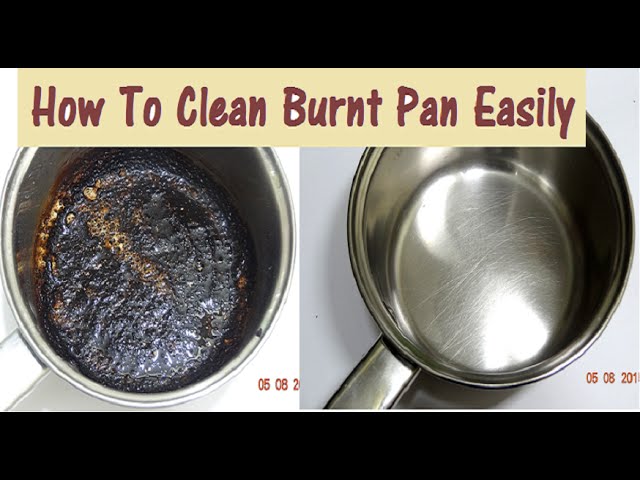
Source: youtube.com
Prevention tips to avoid future burns
Preventing burns saves time and extends cooker life.
Practical tips
- Always use the correct liquid level for recipes.
- Start on medium heat; reduce after pressure builds.
- Deglaze after frying before adding liquid.
- Clean promptly after each use to prevent buildup.
Storage and maintenance
- Remove the gasket and clean valve channels regularly.
- Check seals and pressure parts for wear.

Source: edu.tr
PAA-style quick questions
How to clean a burnt pressure cooker bottom quickly?
For a quick fix, add hot water and deglaze with a wooden spatula, then wash with dish soap and baking soda. This lifts many light scorches fast.
Can baking soda remove burnt-on food?
Yes. Baking soda is mildly abrasive and helps lift burnt food when used as a paste or soak. It is safe for most metals except untreated aluminum if used very strongly.
Is vinegar safe to use on a pressure cooker bottom?
Vinegar is safe for stainless steel and enamel in short boils. Avoid long acidic soaks on aluminum to prevent discoloration.

Personal experience and lessons learned
Years of cooking taught me to start mild. I once scrubbed a beloved cooker with a metal pad and ruined the finish. Now I always deglaze first. I also learned that patience helps: many burns lift after an overnight baking soda soak. If you try a stronger cleaner, test a small area first.
Lessons to remember
- Start simple: soak, deglaze, then scrub.
- Match the method to the material.
- Protect seals and parts from harsh chemicals.
 professional help”
style=”max-width: 100%; height: auto; border: 2px solid black; border-radius: 10px; display: block; margin: 0 auto;”
loading=”lazy”
/>Source: youtube.com
When to replace or seek professional help
If the burner has deep pitting, warped base, or a permanently damaged nonstick surface, cleaning may not restore performance. Severe damage can affect heat distribution and safety. Contact the manufacturer for repair advice or consider professional restoration for high-value cookware.
Frequently Asked Questions of How to clean a burnt pressure cooker bottom
How long should I soak a burnt pressure cooker bottom?
Soak time varies: 30 minutes for light stains and overnight for tough, cooked-on burns. Check progress and scrub gently after soaking.
Will vinegar damage my pressure cooker?
Vinegar is fine for short boils on stainless steel and enamel. Avoid prolonged acidic soaks on bare aluminum to prevent discoloration.
Can I use bleach to remove blackened residue?
Avoid bleach; it can react with metals and damage seals. Stick to baking soda, vinegar, or mild commercial cleaners.
How do I clean a nonstick pressure cooker bottom without scratching it?
Soak in warm soapy water, use a soft sponge, and a baking soda paste for stubborn spots. Never use metal pads.
My pressure cooker still smells after cleaning. What helps?
Boil water with lemon slices or a cup of vinegar for 10–15 minutes, then air-dry with the lid off to remove odors.
Final thoughts and next steps
You can save many cookers with the right approach. Start with deglazing, then move to baking soda or vinegar soaks for tougher burns. Match methods to the material and protect seals and finishes. Try one gentle method first and escalate only as needed.
Try these steps today on a small burn. If it works, leave a comment and share your experience. If you want more tips, subscribe or explore other cleaning guides.