
Clean your dish scrubber by rinsing, sanitizing, and fully drying it regularly.
I’ve cleaned hundreds of scrubbers and tested different methods, so you’ll get clear, practical steps on how to clean a dish scrubber that actually work. This guide covers simple daily care, weekly sanitizing, deep-clean techniques for different scrubber types, and tips I learned from real use. Read on to keep your scrubbers fresh, safe, and long-lasting.

Why you should clean a dish scrubber regularly
A dirty scrubber traps food, grease, and microbes. That can make dishes smell and spread bacteria back onto plates. Cleaning removes residue and prevents odors. It also makes the scrubber last longer and work better.
I once kept a sponge too long and learned the hard way when it made my sink smell. Cleaning saved me time and dishes later. Think of cleaning your scrubber like changing a filter: small effort, big benefit.

When to clean or replace a dish scrubber
Clean after heavy use and at least once a week for daily use. Replace when it falls apart, still smells after cleaning, or after heavy grease buildup. Natural fiber scrubbers often need more frequent replacement than plastic or silicone ones.
If a scrubber looks torn or misses grime, it’s time for a new one. Regular checks help you avoid cross-contamination.

How to clean a dish scrubber: step-by-step
This section gives easy, repeatable steps on how to clean a dish scrubber for daily and weekly care. Follow the quick daily steps and pick a deeper method weekly.
Daily rinse and dry
- Rinse scrubber well after each use to remove food bits and soap.
- Squeeze or shake out excess water.
- Store it somewhere with good air flow so it dries fully.
Weekly sanitize options
- Run the scrubber through a hot dishwasher cycle if it’s dishwasher-safe.
- Soak in a mixture of equal parts white vinegar and water for 5–10 minutes, then rinse.
- Microwave a wet sponge or scrubber on high for 1 minute if it’s microwave-safe.
Deep clean method for most scrubbers
- Fill a bowl with hot water and 1 tablespoon of baking soda.
- Add the scrubber and let soak for 15–30 minutes.
- Rinse and air-dry completely.

Cleaning methods by scrubber type
Different materials need different care. Use the right method for the type you own.
Plastic or nylon scrubbers
- Dishwasher safe for most models; run the hottest cycle.
- Boil for 3–5 minutes to kill germs if dishwasher isn’t available.
- Avoid bleach unless the manufacturer allows it.
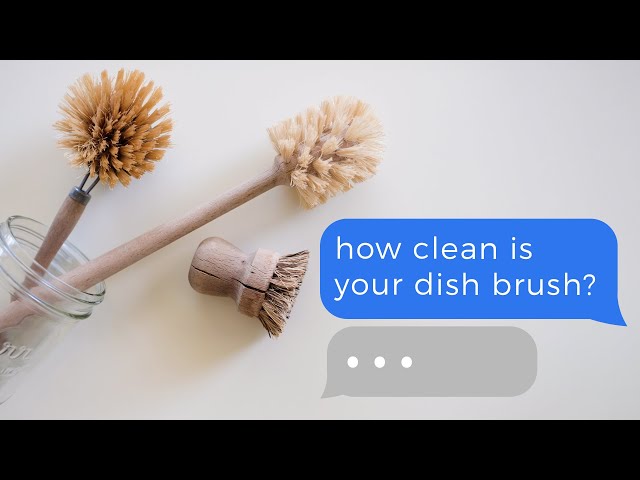
Natural fiber scrubbers (coconut, cellulose)
- Soak in vinegar and water weekly.
- Avoid high heat that can warp or shrink fibers.
- Replace more often than synthetic scrubbers.
Silicone scrubbers
- Very durable. Wash in dishwasher or boil for 5 minutes.
- Silicone resists odors well but still needs drying.
Sponge-scrubber combos
- If they have a sponge core, microwave only if labeled safe.
- Sanitize with vinegar soak or dishwasher.
Deep-clean and disinfect options (when things get grimy)
When a scrubber smells bad or looks grimy, use stronger methods safely.
Boiling water
- Boil for 3–5 minutes for plastic, nylon, and silicone scrubbers.
- Use tongs to remove and let air-dry.
Bleach soak (for heavy contamination on plastic)
- Mix 1 tablespoon of bleach per gallon of water.
- Soak for 1–2 minutes, rinse well, and dry.
- Do not use bleach on natural fibers or untested materials.
Vinegar and baking soda
- Sprinkle baking soda on the scrubber and pour vinegar over it.
- Let fizz for 5–10 minutes, then scrub gently, rinse, and dry.
- Safe for most materials and good for odor removal.
Dishwasher heat cycle
- Place scrubber in the top rack for a hot wash.
- Use a heated dry cycle if available to remove moisture.

Best drying and storage practices
Drying is as important as cleaning. Germs thrive in damp places.
Air dry upright
- Set scrubbers upright or hang them so air moves freely.
- Use a rack or holder that drains water.
Avoid closed containers
- Don’t leave scrubbers in a closed soap dish or sink caddy.
- Open storage stops mildew and odor.
Rotate scrubbers
- Have two scrubbers in rotation. Use one while the other dries or is cleaned.
- Rotation extends life and limits bacterial buildup.

Maintenance tips, mistakes to avoid, and personal notes
Small habits keep scrubbers safe and useful.
Tips from experience
- I keep a simple schedule: rinse daily, vinegar soak weekly, deep clean monthly. It saves time and smell.
- Use hot water when possible. Heat kills more germs.
- Mark scrubbers by use: one for dishes, one for pots, and another for vegetables.
Common mistakes
- Leaving scrubbers in the sink or in a closed caddy.
- Expecting vinegar to disinfect instantly; it helps but may not be enough for heavy contamination.
- Using bleach on natural fibers, which can damage them.
When to toss it
- If the scrubber keeps smelling after a proper clean, toss it.
- If it frays or crumbles, replace it right away.

Frequently Asked Questions of How to clean a dish scrubber
How often should I clean my dish scrubber?
Clean scrubbers daily by rinsing and drying. Sanitize weekly with vinegar soak, dishwasher, or boiling for best results.
Can I put any dish scrubber in the dishwasher?
Most plastic and silicone scrubbers are dishwasher-safe. Check the label; avoid dishwashing natural fiber scrubbers.
Is microwave sanitizing safe for scrubbers?
Microwaving works for wet, microwave-safe scrubbers and sponges. Do not microwave scrubbers with metal or that are labeled unsafe.
Will bleach ruin my scrubber?
Bleach can damage natural fibers and some plastics. Use bleach only on bleach-safe, non-porous scrubbers and rinse well.
How long do dish scrubbers last?
Lifespan varies by material and care. With regular cleaning, plastic and silicone scrubbers can last months; natural scrubbers may last weeks.
Conclusion
Keeping your scrubber clean protects your dishes and saves money. Follow simple daily rinses, weekly sanitizing, and the right deep-clean method for the material. Rotate scrubbers and dry them fully to avoid mildew and odors. Try the schedule I use—rinse daily, vinegar soak weekly, deep clean monthly—and see how much fresher your kitchen stays. Share your scrubber tips, subscribe for more cleaning guides, or leave a comment below.