
Use mild dish soap, warm water, and a soft sponge; treat stains with baking soda paste.
I’ve cleaned dozens of kitchens and tested many granite composite sinks. I know how to clean granite composite kitchen sink safely and effectively without dulling the finish or voiding warranties. This guide walks you step by step through daily care, weekly deep cleans, stain removal, mineral deposit removal, tools to use, what to avoid, and smart maintenance tips drawn from real experience. Read on to keep your sink looking new and to prevent common mistakes I’ve learned from over the years.
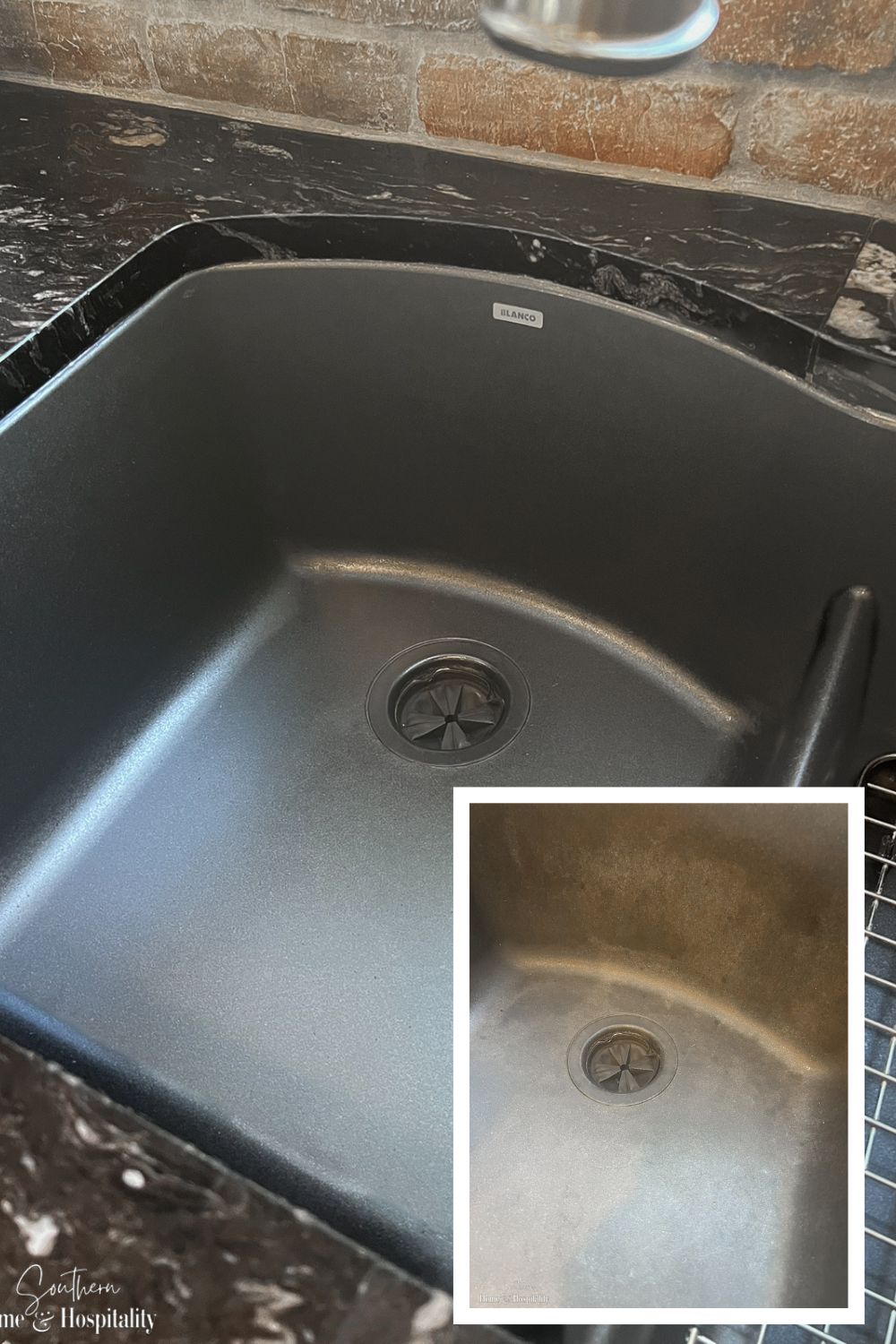
Why granite composite sinks need special care
Granite composite sinks are made from crushed stone mixed with resin. They look like natural stone but have a different surface chemistry than stainless steel. That means harsh acids, strong bleaches, and abrasive pads can damage the finish or cause color fading. Knowing how to clean granite composite kitchen sink helps you protect the sink’s matte or satin look and extend its life.
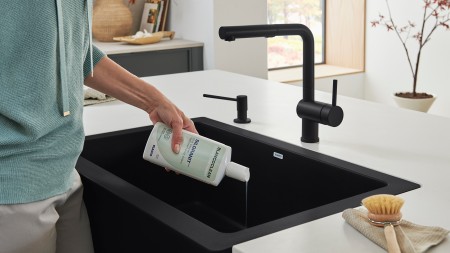
Daily cleaning: simple steps you can do now
Simple daily care prevents stains and buildup. Use warm water and a small squirt of mild dish soap. Wash the sink with a soft sponge or microfiber cloth, then rinse thoroughly and dry with a soft towel to avoid water spots. For grease, add a drop of degreasing dish soap and scrub gently. Doing this every day keeps grime from bonding to the surface and cuts down on deep cleans later.
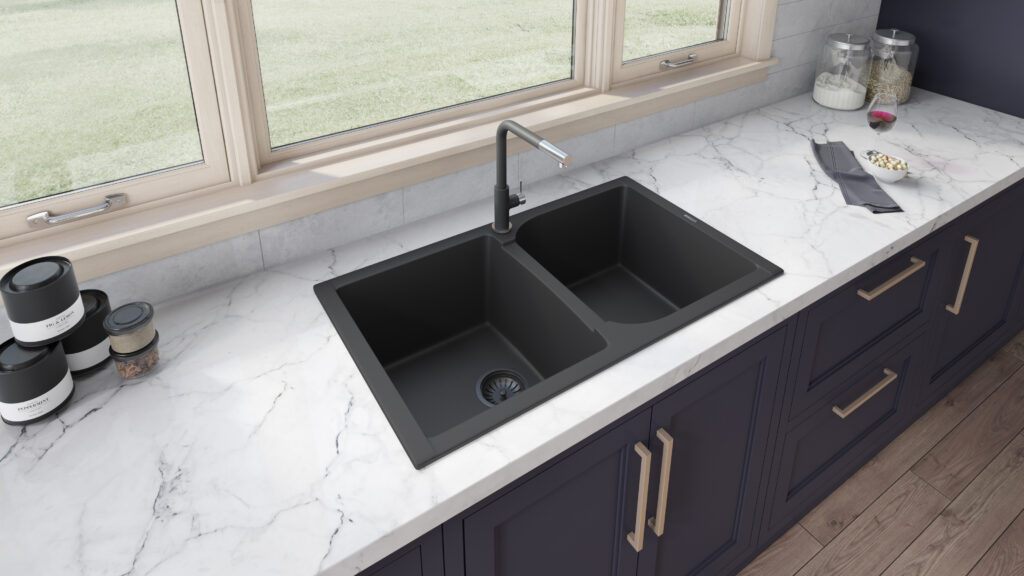
Weekly and monthly deep cleaning routine
A short weekly routine prevents stubborn stains. Once a week:
- Sprinkle baking soda across the sink surface.
- Add a few drops of water to make a paste.
- Gently scrub with a soft nylon brush or sponge in circular motions.
- Rinse and dry.
Once a month, give the sink a deeper clean to remove soap scum and light mineral deposits. Mix warm water with a mild, non-acidic cleaner, scrub gently, rinse, and dry. This regular routine is a core part of how to clean granite composite kitchen sink well and keep the finish consistent.

Removing stains: grease, coffee, and food color
Stains happen. Here’s a safe approach:
- For fresh stains, rinse quickly with warm water.
- For set-in stains, make a paste of baking soda and water. Apply and let sit 10–15 minutes, then scrub gently and rinse.
- For oil and grease, use a grease-cutting dish soap and warm water. Let it soak for a few minutes before scrubbing.
- For stubborn color stains, a diluted oxygen-based bleach (follow label instructions) can be used as a short soak. Rinse thoroughly afterward.
I once removed a red wine stain by applying baking soda paste overnight. The next morning the stain was gone with only light scrubbing. Always test any treatment on a hidden edge first.

Removing mineral deposits and hard water rings
Hard water leaves white rings and spots. To remove them safely:
- Use equal parts warm water and white vinegar applied briefly (no more than a few minutes) to the spot, then rinse quickly and dry.
- For heavier buildup, use a paste of baking soda and water, scrub gently, and rinse.
- Repeat as needed, but avoid prolonged contact with acidic cleaners.
From personal tests, short contact with diluted vinegar helps dissolve scale. Long contact can dull the finish, so always rinse and dry promptly.
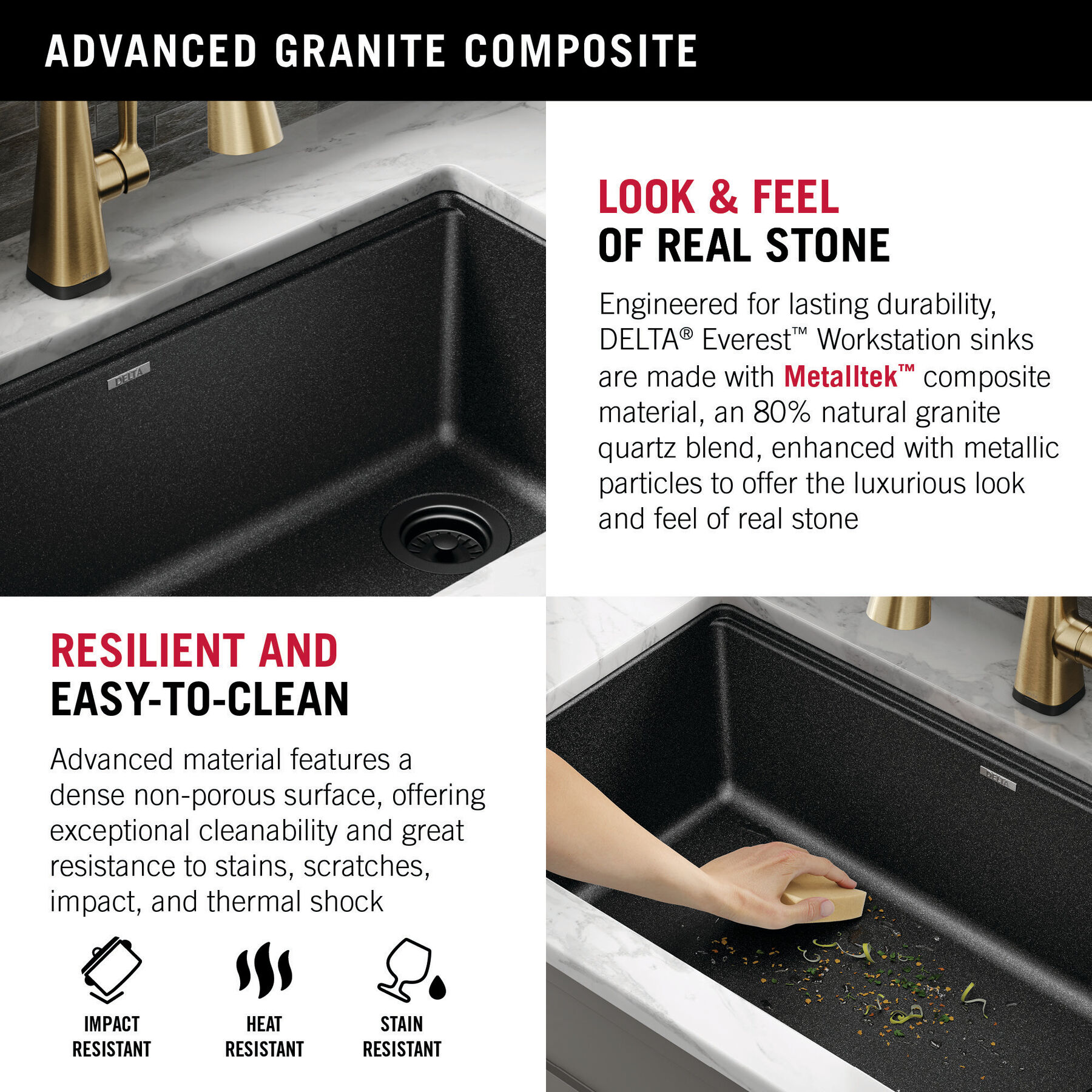
What to avoid — cleaners and tools that harm the sink
Avoid these to keep the finish intact:
- Abrasive scouring pads or steel wool.
- Strong acids like undiluted vinegar, oven cleaner, or toilet bowl cleaner.
- Chlorine bleach in high concentrations or long contact.
- Harsh powdered cleaners that contain silica or pumice.
I learned this the hard way when a low-quality scrub pad left micro-scratches on a sink. Always choose non-abrasive tools and cleaners when learning how to clean granite composite kitchen sink correctly.

Best tools and products to keep on hand
Keep a small set of safe tools nearby:
- Soft microfiber cloths for drying and polishing.
- Non-abrasive sponges and soft nylon brushes.
- Baking soda for gentle scrubbing.
- Mild dish soap for everyday cleaning.
- Oxygen-based bleach for occasional stain lifts (use per instructions).
- A spray bottle with diluted water and mild cleaner for quick freshening.
These tools cover almost every cleaning scenario without risking damage. I prefer microfiber towels because they dry fast and leave no lint.

Quick fixes and emergency tips
When accidents happen, act fast:
- Blot spills immediately. Do not wipe; blot to avoid spreading.
- For hot-pan marks, let the sink cool and clean with mild soap. Do not apply cold water suddenly to a hot sink; thermal shock can damage composite materials.
- For stubborn odors, pour baking soda into the drain and follow with hot water and a bit of vinegar; flush after a minute.
A quick, calm approach prevents many problems from becoming permanent. This is a key part of learning how to clean granite composite kitchen sink in a real home setting.

Prevention and care tips that add years to your sink
Small habits save time and money:
- Rinse and dry after each use to prevent mineral buildup and spotting.
- Use a sink mat or grid to protect from heavy pots and accidental knocks.
- Avoid leaving acidic foods (like lemon or tomato) sitting in the sink for long periods.
- Follow the manufacturer’s care instructions for warranty safety.
I once advised a client to use a silicone mat under a cast-iron pan. It prevented scratching and saved the sink’s finish. Little steps like this matter.
Eco-friendly cleaning options
You can clean effectively without harsh chemicals:
- Baking soda and water for scrubbing.
- Short vinegar dilutions for mineral deposits, rinsed quickly.
- Lemon juice for small, quick freshening, rinsed immediately.
Eco methods work well for daily and light deep cleaning. They are also gentle and safe for most households.
How to handle tough damage or fading
If you notice deep scratches, large chips, or noticeable color fading:
- Contact the sink manufacturer or a professional repair service.
- Some composite sinks can be professionally refinished or patched.
- Keep documentation and photos for warranty claims.
I once coordinated a professional repair for a chipped sink corner. The fix matched the finish closely and extended the sink’s useful life. When in doubt, seek a pro.
PAA-style questions
How often should I clean my granite composite sink?
Clean daily with warm water and mild dish soap, and do a light weekly clean with baking soda paste for best results.
Can I use bleach on a granite composite sink?
Avoid strong, undiluted bleach and long contact times. Use diluted oxygen-based bleach sparingly and rinse thoroughly.
Will vinegar damage my granite composite sink?
Short, diluted vinegar applications can help remove mineral deposit spots but avoid prolonged contact to prevent dulling.
What removes coffee or tea stains from these sinks?
Use a baking soda paste, let it sit 10–15 minutes, then scrub gently and rinse; repeat if needed.
Can I use a scrubbing pad on my sink?
Do not use steel wool or abrasive pads. Use soft sponges or nylon brushes to avoid scratching.
Frequently Asked Questions about how to clean granite composite kitchen sink
What is the safest daily cleaner for a granite composite sink?
Warm water with a mild dish soap is the safest and most effective daily cleaner; rinse and dry after use.
How do I remove hard water rings quickly?
Apply a short contact of diluted white vinegar, rinse thoroughly, then dry. Do not leave vinegar sitting for long.
Can I use baking soda and lemon together?
Yes, but rinse quickly. Baking soda is a gentle abrasive and lemon is acidic; combined they can help but should not be left on the surface.
How do I disinfect my granite composite sink?
Use a mild, diluted disinfectant recommended by the manufacturer or an oxygen-based cleaner; rinse well and dry afterward.
Will polishing help restore the sink’s shine?
Some composite sinks can be gently polished with a manufacturer-approved product. Check guidance before polishing to avoid voiding warranties.
Conclusion
A few simple habits keep a granite composite sink looking great: daily mild cleaning, weekly baking soda scrubs, quick action on stains, and avoiding harsh tools or chemicals. These steps form the backbone of how to clean granite composite kitchen sink effectively and safely. Start with gentle care today and your sink will remain beautiful for years. Try the routines in this guide, share your results, or ask a question below — I’d love to hear what worked for you.