
Disconnect the water, unplug fixtures, loosen fasteners, and lift the sink out carefully and safely.
I’ve removed and replaced many kitchen sinks over the years for friends, clients, and my own home. This guide explains exactly how to take out a kitchen sink step by step, with clear tools, safety tips, common pitfalls, and real-world advice so you can do it confidently and avoid costly mistakes. Read on for practical steps, troubleshooting, and pro tips from hands-on experience.

Tools and materials you'll need
Removing a sink is easier with the right gear. Below is a compact kit to prepare for how to take out a kitchen sink.
- Adjustable wrench for water lines and tailpieces.
- Basin wrench for hard-to-reach nuts under the sink.
- Pliers for clips and clamps.
- Bucket and towels to catch water.
- Utility knife to cut old caulk and sealant.
- Screwdrivers (flat and Phillips) for clips and mounting hardware.
- Putty knife to pry and clean old seal.
- Flashlight or headlamp for under-sink work.
- Replacement parts box for gaskets, plumber’s putty, and new clips.
- Optional: cordless drill for stubborn screws, reciprocating saw for very old sinks.
I recommend gathering everything before you start. When you know how to take out a kitchen sink, small delays under the cabinet are the main time sink.

Prepare the area and shut off water
Good prep keeps the job safe and smooth. Follow these steps before you touch plumbing.
- Clear out under-sink cabinet and nearby shelves to give room to work.
- Turn off the water supply at the shutoff valves under the sink. If there are no local valves, turn off the main water.
- Run the faucet to drain pipes and relieve pressure.
- Place a bucket under the P-trap and disconnect the trap to catch water. Expect some spills.
- Turn off power if you have a garbage disposal. Unplug or flip the breaker.
- Protect cabinets and floors with towels or cardboard.
Proper prep matters. If you skip prep, the process of how to take out a kitchen sink becomes messier and slower.
Step-by-step: How to take out a kitchen sink
This step-by-step sequence shows exactly how to take out a kitchen sink safely and cleanly.
- Turn off water and power, and clear the cabinet area. Confirm no water flow.
- Disconnect water supply lines at the shutoff valves using the adjustable wrench. Place a towel and bucket underneath.
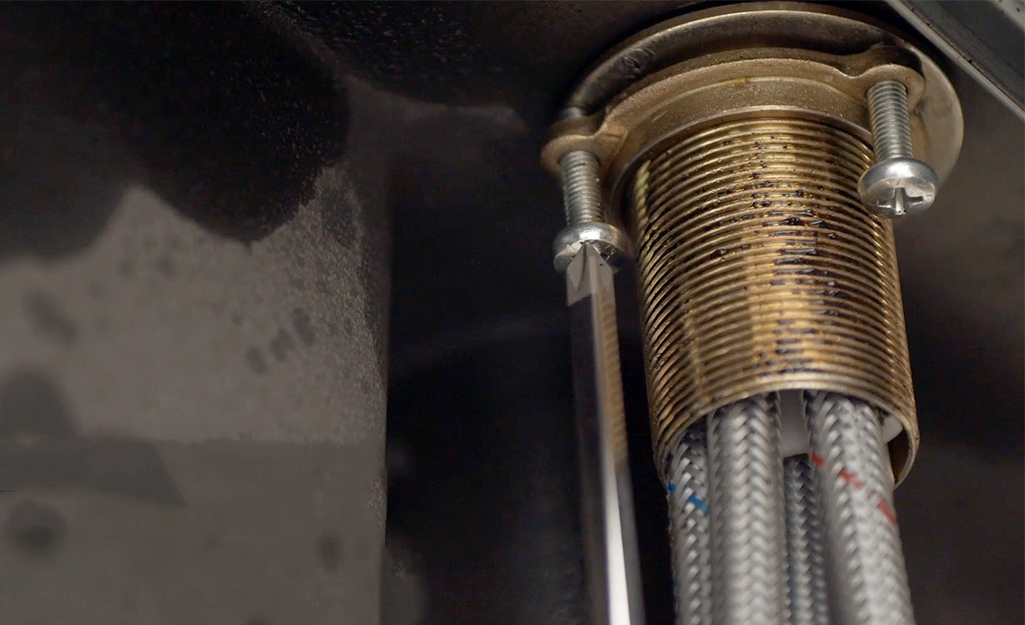
- Disconnect the faucet supply lines from the faucet tailpieces. If braided lines are stiff, use two wrenches to hold fittings.
- Remove the P-trap and tailpiece. Loosen slip nuts carefully and empty trapped water into the bucket.
- Disconnect the dishwasher drain hose if it is attached to the sink drain or disposer.
- If you have a garbage disposal, either unplug it or flip the breaker, then disconnect the disposal from the sink flange or mounting ring. Remove disposal if needed.
- Remove sink clips or mounting hardware under the rim. Use a screwdriver or wrench depending on clip type. Keep parts organized.
- Cut through old caulk around the sink rim with a utility knife. Work slowly to avoid damaging the countertop.
- If the sink is heavy, have a helper. Lift the sink straight up from the counter. For undermount sinks, you may need to loosen adhesive or bolts beneath the countertop.
- For drop-in sinks, tilt and lift out. For undermount sinks, support the sink while removing the mounting bolts, then lift with help.
- Inspect the countertop, plumbing, and cabinet for water damage while the sink is out.
- Clean the sink opening by scraping away old caulk and debris.
I once removed a sink that had been silicone-sealed for 20 years. A putty knife and patience won that battle. Knowing how to take out a kitchen sink saves time and prevents damage to the countertop.

Removing common add-ons: garbage disposal and dishwasher hookups
Add-ons require extra care. Here are focused steps for common attachments when you learn how to take out a kitchen sink.
- Garbage disposal
- Turn power off at the breaker. Never work on a live unit.
- Support the disposal with one hand while you twist off the mounting ring or remove the bolts.
- If hard to remove, use penetrating oil on the mounting hardware and give it time.
- Disconnect the electrical conduit if wired directly, or unplug if on an outlet.
- Dishwasher drain hose
- Loosen the clamp where the hose attaches to the sink or disposal.
- Pull the hose free and lower it into the bucket to drain remaining water.
These add-ons can add weight and steps. When you plan how to take out a kitchen sink, consider removal order for safety and ease.
Cleaning, repair, and installing a new sink
Once the sink is out, you’ll often repair, replace, or inspect the area. Here’s how to proceed.
- Clean the countertop opening with a putty knife. Remove old caulk and grime.
- Inspect the cabinet for rot or mold. Replace damaged plywood or reinforce supports.
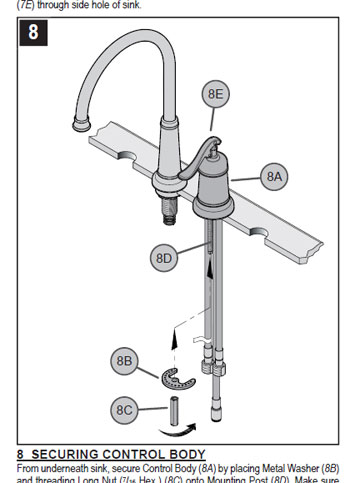
- If installing a new sink, dry-fit it first to check fit and clearance for faucets and fixtures.
- Apply manufacturer-recommended sealant or plumber’s putty. For drop-in sinks, use a thin bead of silicone or sealant around the rim.
- Reattach faucet and drain components or replace them if worn. Tighten to spec but avoid overtightening.
- Reconnect water lines, P-trap, and other plumbing. Turn on water and check for leaks.
- Test the faucet and disposal, and run water to confirm proper drainage and no leaks.
A neat, sealed job prevents future leaks. My own kitchen lasted years after a careful re-seal when I removed and replaced the sink.

Common problems and troubleshooting
You may hit snags while learning how to take out a kitchen sink. Here are quick fixes.
- Stuck mounting clips
- Apply penetrating oil and tap gently. Use the correct-sized wrench or deeper socket.
- Hard-to-remove flange
- Cut old caulk fully with a new utility blade and pry gently. Heat with a hair dryer if adhesive is stubborn.
- Corroded plumbing nuts
- Use penetrating oil, then gently heat metal if safe. Replace corroded parts if they fail.
- Water still running after shutoff
- Turn off main water and drain the lines. Label or repair faulty shutoff valves later.
- Heavy sink too big to lift
- Get help or remove internal fixtures first. Consider cutting a metal rim only as last resort.
When in doubt, stop and reassess. I once paused to get a second pair of hands and avoided chipping a granite countertop.

Frequently Asked Questions of how to take out a kitchen sink
How long does it take to take out a kitchen sink?
Most simple sink removals take one to three hours, including prep and cleanup. Complex setups with disposals or undermount sinks can take longer.
Do I need a plumber to remove a kitchen sink?
You can remove many sinks yourself if you are handy and follow safe steps. Call a plumber if plumbing is old, corroded, or if you lack confidence.
How do I remove an undermount sink?
Support the sink from below, remove mounting bolts, cut old sealant, and lift with a helper. Undermount sinks often need two people due to weight and awkward angles.
Can I reuse the old faucet when replacing the sink?
Often yes, if the faucet is in good condition and fits the new sink’s hole pattern. Inspect for leaks or corrosion before reinstalling.
What should I do with a stuck garbage disposal?
Turn off power, wear gloves, and use a wrench at the bottom hex to free the motor if jammed. If the mount or bolts are corroded, apply penetrating oil and be patient.
Conclusion
Removing a kitchen sink is a doable DIY task when you know the steps, have the right tools, and take safety first. Review the checklist, prepare for surprises, and ask for help on heavy lifts. Try a small practice project or watch a trusted demo if you feel unsure, then tackle the job with confidence. If this guide helped, leave a comment, subscribe for more home project guides, or share your sink-removal story below.