
Use warm soapy water, a soft brush, and regular drying to keep the lid spotless.
I’ve cleaned dozens of rice cooker lids in my kitchen and for friends. This guide shows clear, safe steps on How to clean the rice cooker lid properly. You’ll learn simple daily care, deep cleaning, and how to remove odors and stuck-on rice. Read on for easy, tested methods that protect your cooker and keep rice tasting great.

Why you should learn How to clean the rice cooker lid properly
A clean lid keeps steam flowing and food safe. Buildup on the lid traps bacteria and causes odors. Learning How to clean the rice cooker lid properly prevents stains and extends the cooker’s life. You save money and avoid ruined meals when you care for the lid regularly.
Know your rice cooker lid: removable vs fixed
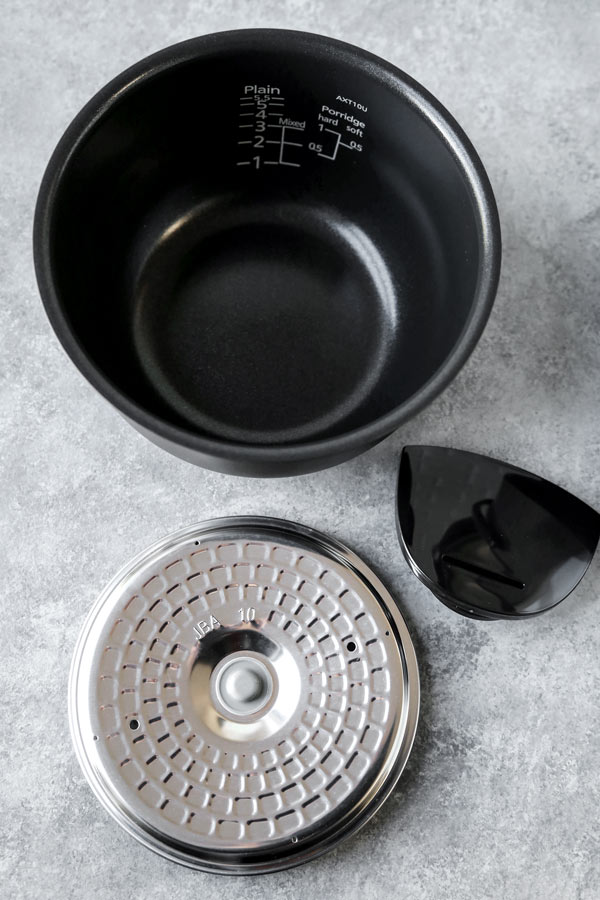
Most modern cookers have a removable inner lid or a steam cap. Some models have a fixed lid with seals and vents you cannot remove. Identify your type before you start. Knowing the type helps you pick the right method for How to clean the rice cooker lid properly.

Essential supplies for cleaning the lid
Keep these items on hand to make cleaning easy and safe.
- Mild dish soap for daily cleaning.
- Soft sponge or microfiber cloth to avoid scratches.
- Small soft brush or old toothbrush for vents and grooves.
- White vinegar or lemon for mild descaling and odor removal.
- Baking soda for stubborn stains.
- Clean towel or paper towels for drying.
- Warm water and a bowl for soaking.
/how-to-clean-a-rice-cooker-6831640-06-389c82e3ac0e4dbc868ff32ea40ff6bb.jpg)
Step-by-step: How to clean the rice cooker lid properly (removable lid)
Follow these short steps for a removable inner lid. Each step is quick and simple.
- Unplug and cool. Always unplug the cooker and wait until it is cool.
- Remove the inner lid. Take out any steam cap or gasket if possible.
- Rinse loose debris. Rinse the lid under warm water to remove rice bits.
- Wash with soap. Use mild soap and a soft sponge. Gently scrub grooves.
- Use a brush for vents. Clean small holes with a soft toothbrush.
- Rinse thoroughly. Remove all soap to avoid taste transfer.
- Dry completely. Wipe with a towel and let air dry before reassembly.
Repeat these steps weekly if you use the cooker often. Proper routine keeps the lid fresh and functional. How to clean the rice cooker lid properly becomes simple with habit.
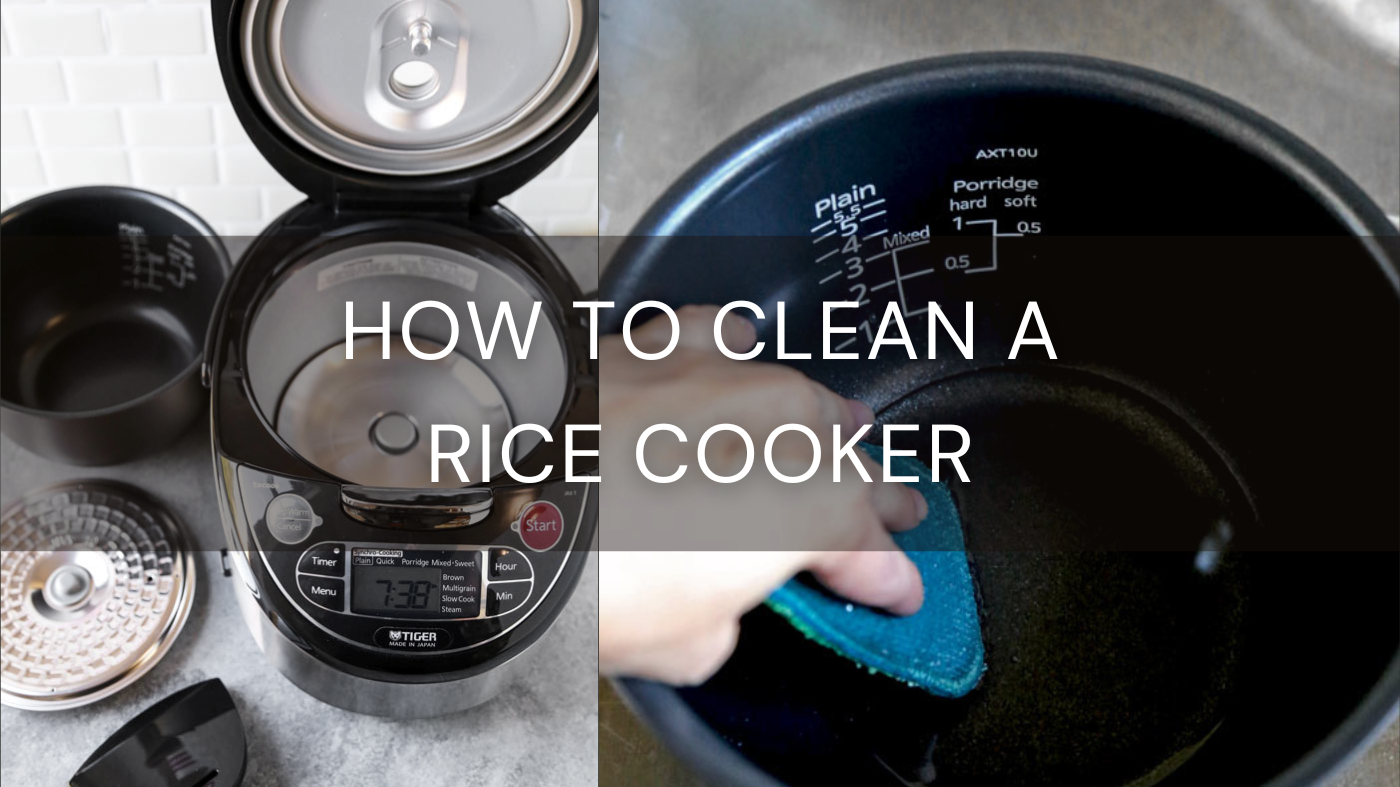
Step-by-step: How to clean the rice cooker lid properly (fixed, non-removable lid)
If the lid is fixed, use gentler hands. Follow this safe method.
- Unplug and cool the cooker. Safety first.
- Wipe loose debris. Use a damp cloth to lift rice and crumbs.
- Mix warm soapy water. Dip a soft cloth and wring it well.
- Wipe the lid surface. Use small circular motions to clean.
- Clean vents with a damp brush. Avoid pushing water into electronics.
- Use a vinegar cloth for buildup. Damp a cloth with 1 part vinegar and 3 parts water to remove grease.
- Dry and air. Wipe dry and let the cooker sit with lid open to finish drying.
Fixed lids need care to avoid water reaching electrical parts. These steps show How to clean the rice cooker lid properly without damage.

Deep cleaning: Removing stubborn stains and odors
Stains and smells can build over time. Try these safe methods.
- Vinegar soak for removable parts. Soak in 1:1 water and white vinegar for 15–30 minutes.
- Baking soda paste for stains. Make a paste, apply, wait 10 minutes, then scrub gently.
- Lemon for mild odors. Rub lemon slices on the lid or soak removable parts in lemon water.
- Steam rinse for vents. Run a short cooking cycle with water only, then clean and dry.
Do not use harsh bleach or metal scrubbers. Harsh chemicals damage seals and coats. Following these steps helps you learn How to clean the rice cooker lid properly and remove tough grime.
:max_bytes(150000):strip_icc()/how-to-clean-a-rice-cooker-6831640-05-8cd48e886bd14822bb013253533246d0.jpg)
Maintenance tips to keep the lid clean longer
Small habits cut cleaning time. Use these tips often.
- Wipe the lid after each cook. A quick wipe keeps residue from hardening.
- Empty the inner pot quickly. Less steam and sputter means less buildup.
- Remove and clean the gasket weekly. Gaskets trap food and moisture.
- Air-dry with lid open between uses. Dry surfaces resist mold.
- Use a rice paddle with care. Avoid splashing wet starch on the lid.
Practicing these tips makes How to clean the rice cooker lid properly easy and fast.

Common mistakes to avoid when you clean the lid
Avoid these errors to keep your cooker safe and lasting.
- Pouring water into the base. Water in the base can short electronics.
- Using metal scrubbers. These can scratch non-stick coatings.
- Skipping drying. Damp seals and lids collect mold quickly.
- Using undiluted bleach. Strong chemicals break down rubber and paint.
- Forcing removable parts. Gentle pressure prevents breakage.
Knowing what not to do helps you clean better and learn How to clean the rice cooker lid properly without problems.
:max_bytes(150000):strip_icc()/how-to-clean-a-rice-cooker-6831640-02-454674f84a5640b6bce383c64b74d530.jpg)
People also ask (PAA-style questions)
Can I put the rice cooker lid in the dishwasher?
Many removable lids and steam caps are dishwasher-safe. Check the manual first to avoid warping seals or plastic parts.
How often should I deep clean the lid?
Deep clean once a month if you use the cooker often. Light cleaning should be done after every few uses.
Will vinegar damage my rice cooker lid?
Diluted vinegar is safe for short soaks and wiping. Avoid long exposure on painted surfaces and rubber gaskets.
My personal experience: tips I learned from real use
I once let rice spill under the inner lid for weeks. The smell was bad and the gasket stuck. I learned to remove the lid and soak it weekly. A small brush and vinegar fixed the odor. Now I clean the lid after every few uses. These habits saved me from buying a new cooker.
Safety and storage advice
Keep cleaning safe and simple with these rules.
- Always unplug before cleaning. Electricity and water do not mix.
- Avoid soaking the whole cooker base. Only removable parts should be soaked.
- Replace worn gaskets. Old seals leak steam and trap food.
- Store the cooker with the lid slightly open. This prevents trapped moisture.
These steps protect you and extend cooker life while showing how to clean the rice cooker lid properly.
Frequently Asked Questions of How to clean the rice cooker lid properly
Is it okay to use bleach to clean my rice cooker lid?
No. Bleach can degrade rubber seals and finish. Use mild soap, vinegar, or baking soda instead.
How do I remove a sticky residue on the lid?
Apply a baking soda paste and let it sit for 10 minutes, then scrub gently with a soft brush. Rinse and dry thoroughly.
Can I clean the steam vent with a toothpick?
Use a soft brush rather than a toothpick to avoid widening or damaging the vent holes. A brush cleans safely and effectively.
How long should removable lids soak?
Soak removable lids for 15–30 minutes in warm, soapy water or a mild vinegar solution. Avoid long soaks on painted parts.
When should I replace the inner lid or gasket?
Replace when the gasket cracks, loses elasticity, or when odors persist after deep cleaning. Regular inspection helps you decide.
Conclusion
Keeping your rice cooker lid clean is easy when you follow simple, tested steps. Learn How to clean the rice cooker lid properly by using the right supplies, cleaning often, and avoiding common mistakes. Start a quick cleaning habit today to protect flavor, safety, and your cooker’s lifespan. Try these tips this week, and leave a comment with your cleaning wins or questions.