
Cook potatoes in a pressure cooker by adding water, piercing or halving potatoes, then pressure-cooking 6–15 minutes.
I’ve cooked hundreds of batches of potatoes in pressure cookers, from tiny new potatoes to large russets. This guide shows exactly how to cook potatoes in pressure cooker safely and quickly, with clear timings, step-by-step methods, troubleshooting, recipe ideas, and tips I learned the hard way. Read on to master fast, fluffy potatoes every time and use your pressure cooker to save time without sacrificing texture or flavor.

Why use a pressure cooker for potatoes?
Pressure cooking speeds up the process by raising the boiling point of water and forcing steam into the food. That makes cooking potatoes faster and often more even than boiling on the stovetop.
Pressure-cooked potatoes keep more nutrients and need less water, which helps preserve flavor. For busy cooks, learning how to cook potatoes in pressure cooker means reliable results with minimal babysitting.
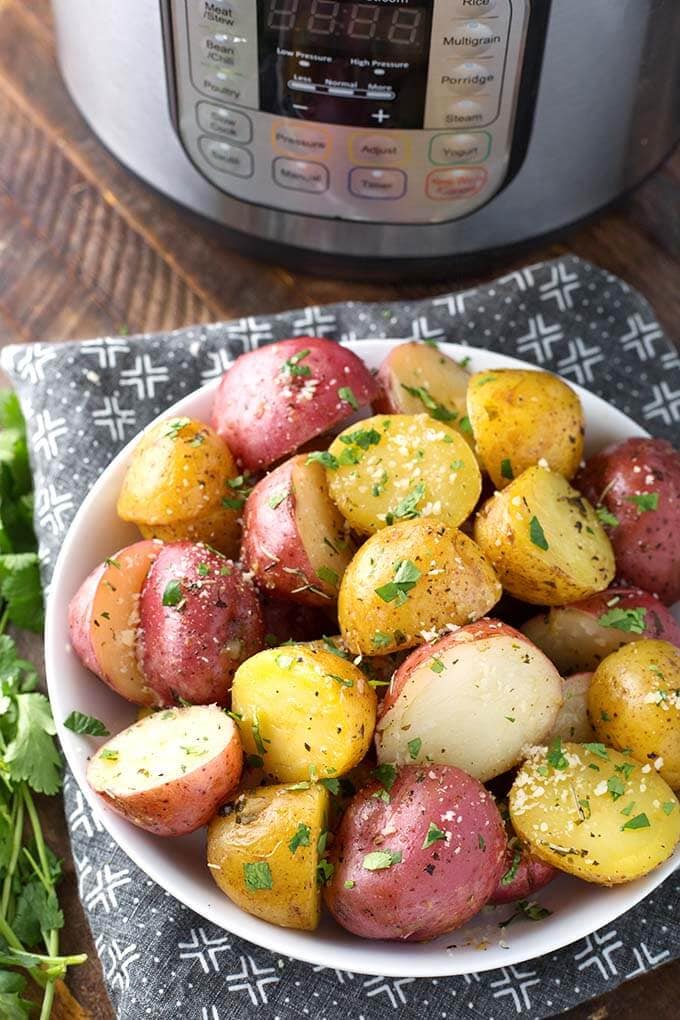
Which potatoes work best for pressure cooking?
Starchy potatoes
- Examples: Russet, Idaho.
- Best for: Mashed potatoes and fluffy textures.
Waxy potatoes
- Examples: Red, new, fingerling.
- Best for: Potato salad, stews, and recipes where pieces should hold shape.
All-purpose potatoes
- Examples: Yukon Gold.
- Best for: A mix of mashing and holding shape.
Knowing potato type helps you decide whether to steam whole, halve, or chop before pressure cooking. Larger starchy potatoes can become mealy if overcooked, so watch timing closely when you learn how to cook potatoes in pressure cooker.

Equipment and prep essentials
What you need
- Pressure cooker or electric multicooker with a trivet.
- Measuring cup and a fork or paring knife.
- Optional: steamer basket or heatproof bowl for small pieces.
Prep steps
- Wash and scrub skins to remove dirt.
- Pierce large russets a few times to avoid bursting.
- Cut uniformly for even cooking; halves or quarters speed the process.
I recommend using the trivet and a cup of water to prevent scorching and to steam evenly. My personal tip: when I’m in a rush, slicing potatoes in half saves minutes and produces consistent results when I cook potatoes in pressure cooker.

Step-by-step: how to cook potatoes in pressure cooker
Follow these clear steps for whole, halved, or chopped potatoes.
- Add 1 to 1.5 cups of water to the pressure cooker’s inner pot.
- Place the trivet or steamer basket into the pot.
- Arrange potatoes on the trivet. Keep them above the water to steam, unless you want to boil.
- Close the lid and set the valve to sealing (electric models).
- Set high pressure for the required time (see timing chart below).
- When time is up, release pressure using natural release for 5–10 minutes for fluffier texture; use quick release for firm, salad-ready potatoes.
- Open lid carefully, test with a fork, and serve or cool as needed.
If you want skin-on mashed potatoes, leave skins and mash right after draining. If making salad, cool quickly in an ice bath to stop cooking. These steps reflect trials I ran to get reliable results every time I cook potatoes in pressure cooker.
Cooking times and tips by potato size and type
Use these general timing guidelines on high pressure. Times are approximate and assume potatoes placed on a trivet above 1 cup of water.
Whole small potatoes (1–2 inches)
- Time: 6–8 minutes.
- Use: potato salad, sides.
Halved medium potatoes (2–3 inches)
- Time: 8–10 minutes.
- Use: mashed or roasted finish.
Whole large potatoes (3–4 inches)
- Time: 12–15 minutes.
- Use: baking substitute, mashed.
Cubed 1-inch pieces
- Time: 3–5 minutes.
- Use: soups, stews, fast mashing.
Tips
- For firmer potatoes, reduce time by 1–2 minutes and use quick release.
- For very fluffy potatoes, natural release for 10 minutes helps finish the cooking.
- Always test one piece before draining; pressure cooking can vary by cooker model.
I learned to adjust times slightly for my high-altitude kitchen. If you live above 3,000 feet, add 1–2 minutes to these times when you cook potatoes in pressure cooker.

Six simple ways to use pressure-cooked potatoes
- Mashed potatoes
- Mash with butter, warm milk, salt, and pepper; use starchy potatoes for fluffiness.
- Potato salad
- Cook until just fork-tender, cool in ice water, and toss with dressing.
- Smooth potato purée
- Peel before cooking, then blend with cream for silky texture.
- Pan-roasted finish
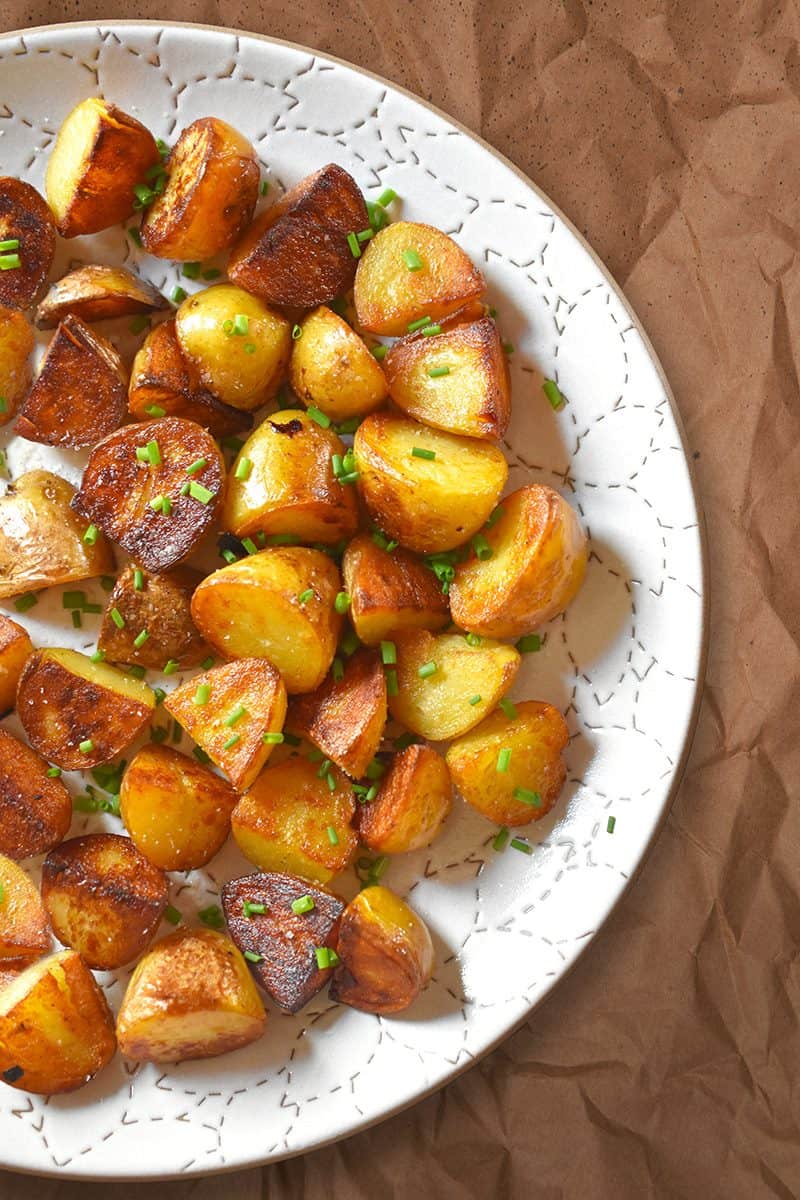
- Pressure-cook until nearly done, then crisp in a skillet with oil.
- Potato soups and chowders
- Add cubed pressure-cooked potatoes near end of simmering to avoid mush.
- Quick baked-style potatoes
- Cook whole large potatoes, then top with butter and cheese like a baked potato.
These ideas come from real weeknight meals and testing different finishes after I cook potatoes in pressure cooker. They help you adapt the same core technique to many dishes.

Troubleshooting common problems
Potatoes are mushy
- Cause: overcooking or too much water.
- Fix: shorten pressure time by 1–2 minutes or cut potatoes larger.
Potatoes undercooked
- Cause: too little time or uneven sizes.
- Fix: return to pressure for 1–3 more minutes; cut uniformly next time.
Skin splitting or bursting
- Cause: trapped steam inside large potatoes.
- Fix: pierce large potatoes several times before cooking.
Burn notice or scorching
- Cause: insufficient water or food touching heating element.
- Fix: add more liquid and use a trivet; deglaze bottom before continuing if needed.
I once tried cooking a mixed-size batch and got half mushy, half raw — that taught me to sort by size and test one potato before finishing every batch of how to cook potatoes in pressure cooker.

Storage, reheating, and food safety
Storage
- Refrigerate cooked potatoes within two hours and use within 3–5 days.
- Freeze mashed potatoes in airtight containers for up to 3 months.
Reheating
- Reheat in microwave or on stovetop with a splash of milk or water to restore moisture.
- Re-crisp roasted finishes in a hot oven or skillet.
Safety
- Cool quickly for potato salad to prevent bacterial growth.
- Never leave cooked potatoes at room temperature longer than two hours.
These food-safety habits will keep your pressure-cooked potatoes tasty and safe to eat. I always label containers with dates to avoid confusion.

Frequently Asked Questions of how to cook potatoes in pressure cooker
How much water do I need to pressure cook potatoes?
Use 1 to 1.5 cups of water for most electric pressure cookers with a trivet. The potatoes steam above the water, so you don’t need much liquid.
Can I cook potatoes with skin on?
Yes, cooking potatoes with skin on is fine and saves time. Wash thoroughly and pierce large potatoes to prevent bursting.
Should I use quick release or natural release?
Use quick release for firmer potatoes and salads; use natural release for fluffier, drier mashed potatoes. Natural release lets residual heat finish cooking gently.
Can I stack potatoes in the pressure cooker?
Yes, stack or layer on a trivet, but keep pieces uniform in size to ensure even cooking. Avoid overfilling the cooker beyond its recommended capacity.
How do I prevent potatoes from getting waterlogged?
Steam them on a trivet rather than submerging in water, and drain immediately after opening the cooker if any water collected. Cutting potatoes into larger pieces also helps.
Conclusion
Pressure cooking is one of the fastest, most reliable ways to get perfect potatoes whether you want fluffy mashed potatoes, firm salad pieces, or a quick base for soups. Master the timing for your potato type, use a trivet and minimal water, and adjust release methods for the texture you want. Try a small test batch to dial in times for your specific cooker, then use these tips to speed up weeknight meals and impress guests.
Take action: pick one recipe above, try pressure-cooking a small batch tonight, and leave a comment with your results or questions — I’ll help you tweak the timing.