
Use medium-high heat, preheat well, add a thin oil layer, and don’t overcrowd the pan.
I’ve cooked, tested, and taught home cooks how to cook with stainless steel frying pan for years. This guide breaks every step down into simple, reliable actions. You’ll learn why stainless steel works, how to manage heat, which techniques keep food from sticking, and how to clean and care for your pan so it lasts. Expect clear tips, personal notes from real kitchen work, and quick answers to common problems.

Why choose a stainless steel frying pan
Stainless steel pans are durable, non-reactive, and great for browning. They handle high heat and go from stove to oven easily. That makes them a top choice for searing meat, sautéing vegetables, and making pan sauces.
I recommend stainless steel when you want control over color and flavor from browning. It gives clean, consistent results if you learn heat and oil basics. Choosing the right pan helps you cook better and reduces waste.
Basic gear and prep for success
Use a heavy-bottomed stainless steel pan for even heat. A warped or thin pan creates hot spots and sticking. Choose cookware with a thick base or tri-ply construction for steady temperatures.
Essential items to have
- A reliable stove or burner that reaches medium-high heat quickly.
- High-smoke-point oil like canola, grapeseed, or refined avocado.
- A long-handled spatula or metal tongs for safe flipping.
- A cooking thermometer for exact sears when needed.
Prep steps before cooking
- Dry ingredients and pat proteins dry to reduce steam and sticking.
- Preheat the pan on medium for two to three minutes, then test with a drop of water; it should bead and dance.
- Add oil after preheating, then give the oil 30–45 seconds to shimmer before adding food.

Master heat management for even results
Learning heat control is the core of how to cook with stainless steel frying pan. Start medium and adjust based on response. Stainless steel moves heat fast but cools quickly when food is added.
Heat tips that work
- Preheat, then use a water-drop test to check readiness. If water skitters, the pan is ready.
- Use medium-high for searing and medium for sautéing. Lower heat for delicate foods.
- Reduce heat if oil smokes excessively or food browns too fast.
Personal note: I once seared a steak at too high a heat and scorched the pan. Slowing the heat by one notch fixed browning without steaming. That small change saved the meal.

Essential techniques when you cook with stainless steel frying pan
Searing basics
- Preheat and add oil. Place protein away from you to avoid splatters. Let a crust form before flipping. A clean sear releases naturally when ready.
Sautéing vegetables
- Cut pieces uniformly for even cooking. Toss or stir often. Do not crowd the pan; use batches if needed.
Deglazing and pan sauces
- After browning, remove food and lower heat. Add a splash of wine, stock, or vinegar to loosen browned bits. Scrape with a wooden spoon and finish with butter or herbs for a quick sauce.
Cooking eggs and delicate foods
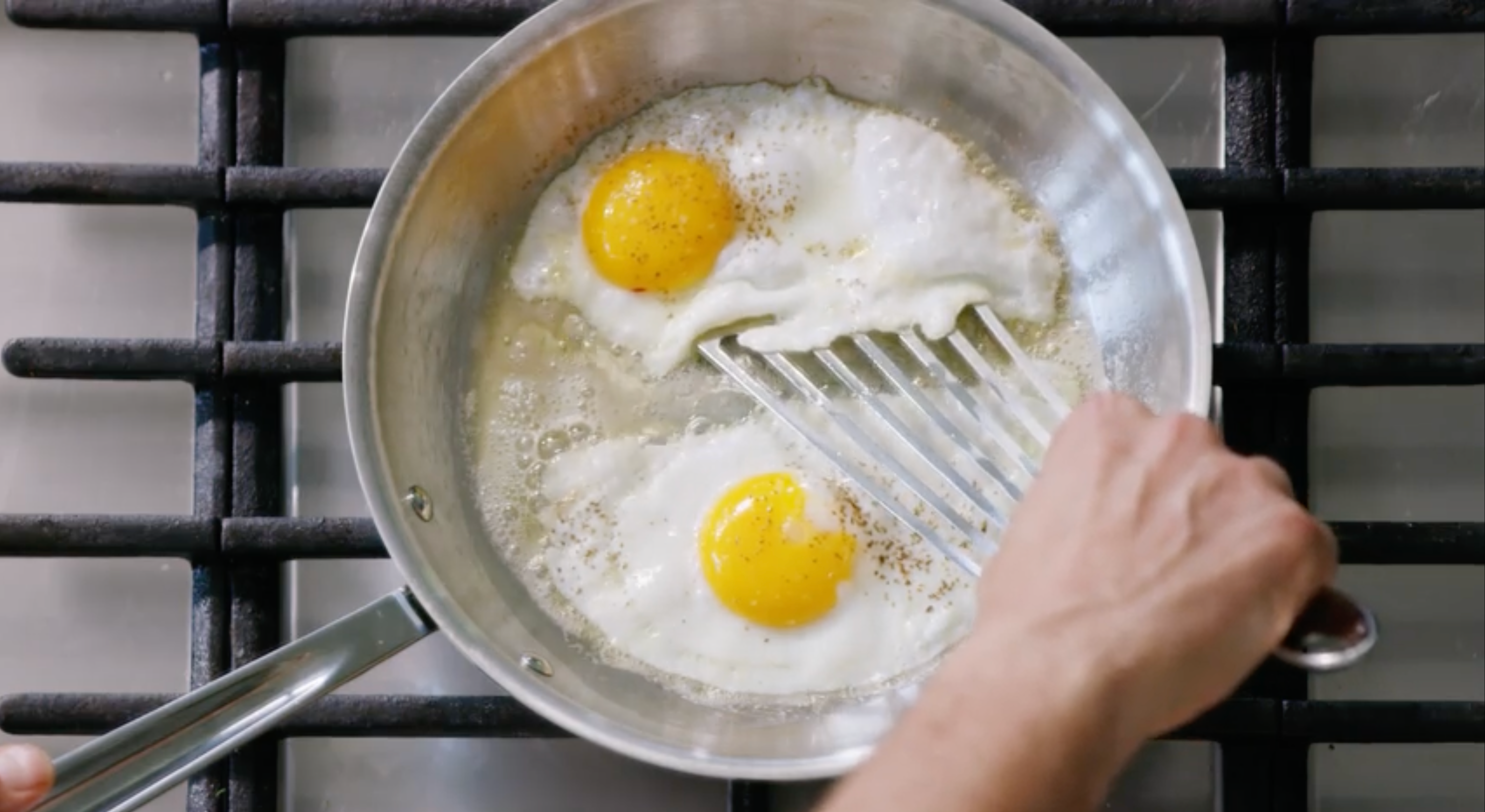
- Use lower heat and more oil or butter. Consider adding a small amount of water and covering briefly for steamed eggs. Expect a learning curve; progressive heat control helps.
How to avoid sticking
- Proper preheat and oil timing matters. Add food only after the oil shimmers. Give food time to release on its own before flipping.
Troubleshooting common sticking and color problems
If food sticks heavily, the usual causes are insufficient preheat, wrong oil timing, or overcrowding. Correcting one of these often fixes the issue immediately.
Quick fixes in the moment
- Slide a spatula gently under the food; if it resists, wait another 30–60 seconds.
- Add a small splash of liquid and scrape gently to lift browned bits.
- Lower heat and continue cooking in batches.
PAA-style questions
How do I know when the pan is hot enough?
- Use the water-drop test. Drops should bead and move. Oil should shimmer before food goes in.
Why does stainless steel brown unevenly?
- Thin pans or uneven burners cause hot spots. Use a heavy pan and move food within the pan to even color.
What oil should I use for high-heat searing?
- Choose oils with high smoke points like refined vegetable oil, grapeseed, or refined avocado oil.
:max_bytes(150000):strip_icc()/sea-primary-stainless-steel-skillets-jan-25-rkilgore-0699-4df4b200ea9e420080bbe1fc47c3faee.jpeg)
Cleaning and maintenance to keep the pan performing
Clean while the pan is warm but safe to handle. Use warm water, gentle dish soap, and a non-abrasive scrubber for daily cleaning. For stuck-on bits, soak with hot soapy water before scrubbing.
Removing stains and burnt food
- Simmer water and a little baking soda in the pan for a few minutes, then scrape gently. This lifts residues without harsh chemicals.
- For rainbow discoloration from high heat, a short scrub with a paste of baking soda and water usually restores shine.
Storage and long-term care
- Stack pans with protective pads to avoid scratches. Avoid cooking highly acidic foods for long periods in low-quality stainless steel to prevent slight leaching.

Common mistakes and how to fix them
Mistake: Adding oil too early
- If oil is added before preheating, it won’t form an even non-stick layer. Fix by reheating the pan carefully, then adding fresh oil.
Mistake: Overcrowding the pan
- Crowding cools the surface and causes steaming. Use batches or a larger pan.
Mistake: Using the wrong utensils
- Wooden, silicone, or metal tools are fine. Avoid anything that chips the surface; thin pans can warp under rough treatment.
Mistake: Assuming stainless is non-stick
- Stainless steel is not non-stick by design. It rewards technique, not shortcuts.
Personal experience and practical tips
In my home kitchen, switching to consistent preheat cut sticking incidents by more than half. I learned to trust the water-drop and oil-shimmer tests. I also keep a small bottle of high-smoke-point oil by the stove. This saves time and keeps results consistent.
A memorable lesson: when making scallops, I used the correct heat but overcrowded the pan. The scallops steamed and lost their crust. Ever since, I sear in two quick batches for perfect texture and flavor.
How to build recipes around your stainless steel pan
Think of the pan as the flavor engine. Use it for recipes that benefit from a good sear or a pan sauce. Start with proteins and vegetables that brown well. Finish in the oven if needed for uniform doneness.
Example weeknight plan
- Night 1: Seared chicken thighs, deglazed pan with stock and mustard.
- Night 2: Sautéed mushrooms and onions, finished with cream for a sauce.
- Night 3: Pan-seared fish with lemon and butter, served over quick greens.
Frequently Asked Questions of how to cook with stainless steel frying pan
How do I stop food from sticking to my stainless steel pan?
Preheat the pan, add oil only after it’s hot, and wait for the oil to shimmer. Avoid overcrowding and give food time to form a crust before turning.
Can I use stainless steel pans for eggs?
Yes, but use lower heat and enough butter or oil. Be patient and use a flexible spatula to lift eggs gently.
Is stainless steel safe for acidic foods?
Stainless steel is non-reactive and safe for most acidic foods. Prolonged exposure to very acidic ingredients in lower-grade steel may affect taste slightly.
How do I remove brown burnt-on stains?
Simmer water with baking soda or use a paste of baking soda and water. Let it sit, then scrub gently with a non-abrasive pad.
Can stainless steel go in the oven?
Yes. Most stainless steel frying pans are oven-safe. Check the handle material and manufacturer limits for temperature.
Do I need to season stainless steel like cast iron?
No. You don’t need to build a seasoning layer. Instead, rely on proper preheating and oil technique to reduce sticking.
Conclusion
Stainless steel pans reward simple habits: preheat, add oil at the right time, manage heat, and avoid crowding. With a few tests and small adjustments, you’ll get reliable sears, great pan sauces, and easy cleanup. Try the water-drop and oil-shimmer tests next time you cook and practice one technique at a time. Share your wins or questions below, subscribe for more tips, or try a new recipe tonight — your pan will thank you.