
Crochet a durable dish scrubber using cotton or scrubby yarn and tight stitches in under an hour.
I’ve taught workshops and made dozens of scrubbers for my kitchen and friends. This guide shows you exactly how to crochet a dish scrubber step by step, with materials, stitch tips, patterns, and care advice. You’ll learn simple stitches, a basic round pattern, and a few smart upgrades to make a long-lasting, eco-friendly scrubber. Read on and you’ll be ready to make your own scrubber today.
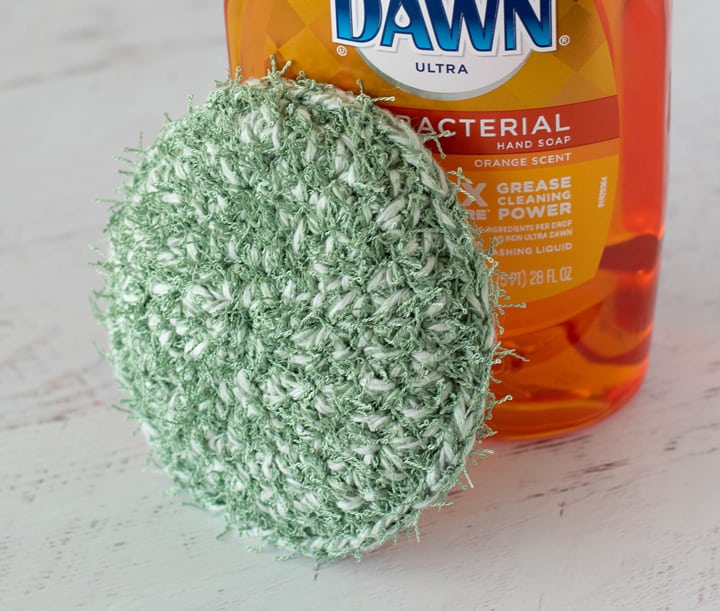
Materials and tools you need
Making a scrubber is cheap and fast. You need just a few items to start.
- Yarn: Use cotton or scrubby nylon yarn. Cotton is absorbent and eco-friendly. Scrubby yarn is more abrasive and great for stuck-on food.
- Hook: Choose the size recommended on the yarn label. Typical sizes are 3.5 mm to 5 mm.
- Scissors: For neat ends.
- Yarn needle: To weave in tails.
- Stitch marker: Helps mark rounds when needed.
I keep a small kit in my utility drawer. It makes whipping up a scrubber while the kettle boils easy and satisfying. The key is matching the yarn and hook so the scrubber feels firm but not too stiff.

Yarn choices and why they matter
Yarn choice defines scrub power and how long your scrubber lasts.
- Cotton yarn: Soft, absorbent, and machine washable. Works well on nonstick pans and everyday dishes.
- Scrubby nylon yarn: Rougher, highly abrasive, and great for heavy grime. Use carefully on delicate cookware.
- Cotton blend yarn: A balance of softness and durability.
- Recycled cotton or t-shirt yarn: Eco-friendly option that repurposes old fabric.
From my tests, cotton scrubbers hold soap well and dry faster, which helps reduce odor. For deep cleaning tasks, I use scrubby nylon. If you want a single scrubber for all jobs, try a double-layer with scrubby yarn on the outside and cotton inside. Choosing the right yarn is one of the best ways to control scrubbing strength when you learn how to crochet a dish scrubber.
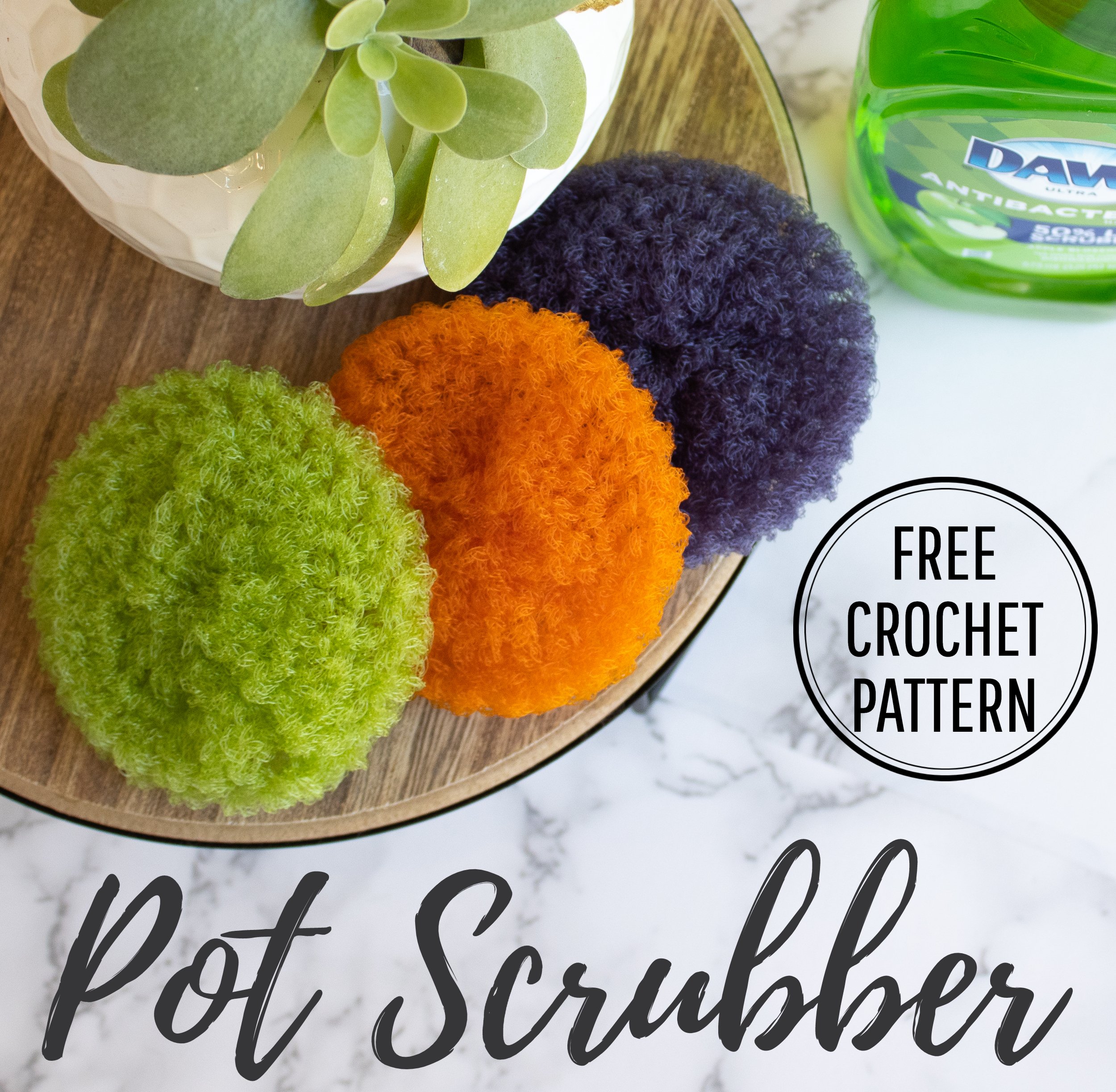
Basic stitches and techniques you’ll use
You only need a few simple skills to make a scrubber.
- Chain (ch): Foundation of most patterns.
- Slip stitch (sl st): Joins rounds and moves between stitches.
- Single crochet (sc): Creates a tight, dense fabric ideal for scrubbers.
- Increase (inc): Work two sc in one stitch to grow the round.
- Tight tension: Keeps the scrubber firm and effective.
I teach beginners to practice a small swatch first. Tight stitches make the scrubber scrub better and hold water less. If your stitches are loose, the scrubber will feel floppy and wear faster. These simple skills form the base for learning how to crochet a dish scrubber.

Step-by-step pattern: Simple round scrubber
This pattern is beginner-friendly and quick. The finished scrubber is about 3.5 to 4 inches wide.
- Start with a magic ring.
- Round 1: Work 6 sc into the ring. Pull ring tight. (6)
- Round 2: Inc in each stitch around. (12)
- Round 3: Sc in next stitch, inc in next repeat around. (18)
- Round 4: Sc in next 2, inc in next repeat around. (24)
- Round 5: Sc in next 3, inc in next repeat around. (30)
- Continue increasing as needed until the scrubber reaches desired size. Stop adding increases when the flat circle looks even.
- Work 2–4 rounds of sc without increases to build thickness.
- Fasten off and weave in ends with a yarn needle.
Tips from experience:
- Keep tension firm for a dense scrubber.
- If using scrubby yarn, work slowly to see each stitch.
- Make a loop by chaining 10 and slip stitching to the edge before fastening off to hang the scrubber.
This pattern is a reliable way to learn how to crochet a dish scrubber and make a set for your kitchen in one evening.

Advanced patterns and variations
Once you know the basics, try these ideas to customize your scrubber.
- Double-layer scrubber: Crochet two circles and sew them together for extra scrubbing power.
- Textured scrubber: Use front loop only or back loop only to add ridges.
- Scrubber with handle: Add a wrist loop or small pocket to hold a bar of soap.
- Color-block scrubber: Alternate cotton and scrubby yarn rows for a two-tone look.
I once made a double-layer scrubber with a pocket to hold a soap cube. It lasted months and made dishes easy. Use variations to match your cleaning tasks and to learn new crochet moves while making a useful item. Learning how to crochet a dish scrubber this way keeps the craft fun and practical.

Care and cleaning tips
How you care for a scrubber affects its life and hygiene.
- Rinse thoroughly after each use to remove food and soap.
- Squeeze out excess water and hang to dry.
- Machine wash cotton scrubbers on a gentle cycle if needed.
- Replace scrubbers every few weeks or when they smell or break down.
- Disinfect scrubby nylon by soaking briefly in diluted vinegar or boiling water.
From my experience, rotating two scrubbers helps them dry fully between uses. That reduces smell and extends life. Caring for your scrubber is part of learning how to crochet a dish scrubber that stays useful and fresh.

Troubleshooting common issues
Here are quick fixes for problems you might face.
- Scrubber too floppy: Use a smaller hook or denser yarn, or add more sc rounds without increases.
- Scrubber not abrasive enough: Use a scrubby yarn or add a second layer.
- Yarn splitting: Slow down and insert the hook fully into the stitch. Choose smoother yarn if needed.
- Holey center: Start with a smaller magic ring or use fewer chains in a loop start.
I once made a batch of floppy scrubbers. Switching to tighter tension and a smaller hook fixed them. Small adjustments like that are part of mastering how to crochet a dish scrubber.

Frequently Asked Questions of How to crochet a dish scrubber
What yarn is best to crochet a dish scrubber with?
Use cotton yarn for general use and scrubby nylon for tough grease. Cotton is gentle and machine washable.
How long does a crocheted dish scrubber last?
A scrubber lasts weeks to months depending on use and care. Rotate scrubbers and wash them to extend life.
Can I use a regular dishcloth pattern to make a scrubber?
Yes, but use tighter stitches and scrubby or double layers for more abrasive power. Regular cloth patterns may be too loose alone.
How do I clean a scrubby yarn scrubber?
Rinse well, air dry, and occasionally soak in vinegar or boil briefly for disinfection. Avoid harsh bleach on colored scrubby yarns.
Is it safe to use a crocheted scrubber on nonstick pans?
Use cotton or softer scrubbers on nonstick pans to avoid scratching. Test on a corner first to be sure.
Conclusion
You now have clear steps to make a durable, useful scrubber. Start with the simple round pattern, pick the yarn that fits your chores, and follow care tips to keep your scrubbers fresh. Try a double layer or a textured version when you feel confident. Take action today: make one scrubber tonight and see how satisfying it feels to clean with something you made. Leave a comment with your favorite yarn choice or a pattern tweak, or subscribe for more easy crochet projects.