
Use baking soda, vinegar, or a gentle rust remover and scrub carefully until the stain lifts.
I’ve removed rust from dozens of kitchen counters over many years. This guide explains how to get rust off kitchen counter surfaces safely and effectively. You’ll learn how rust forms, how to pick the right method for your counter type, step-by-step cleaning methods, safety tips, prevention, and when to call a pro. Read on to fix stains with simple household items or the right commercial product, and keep your counter looking like new.

Why rust appears on kitchen counters
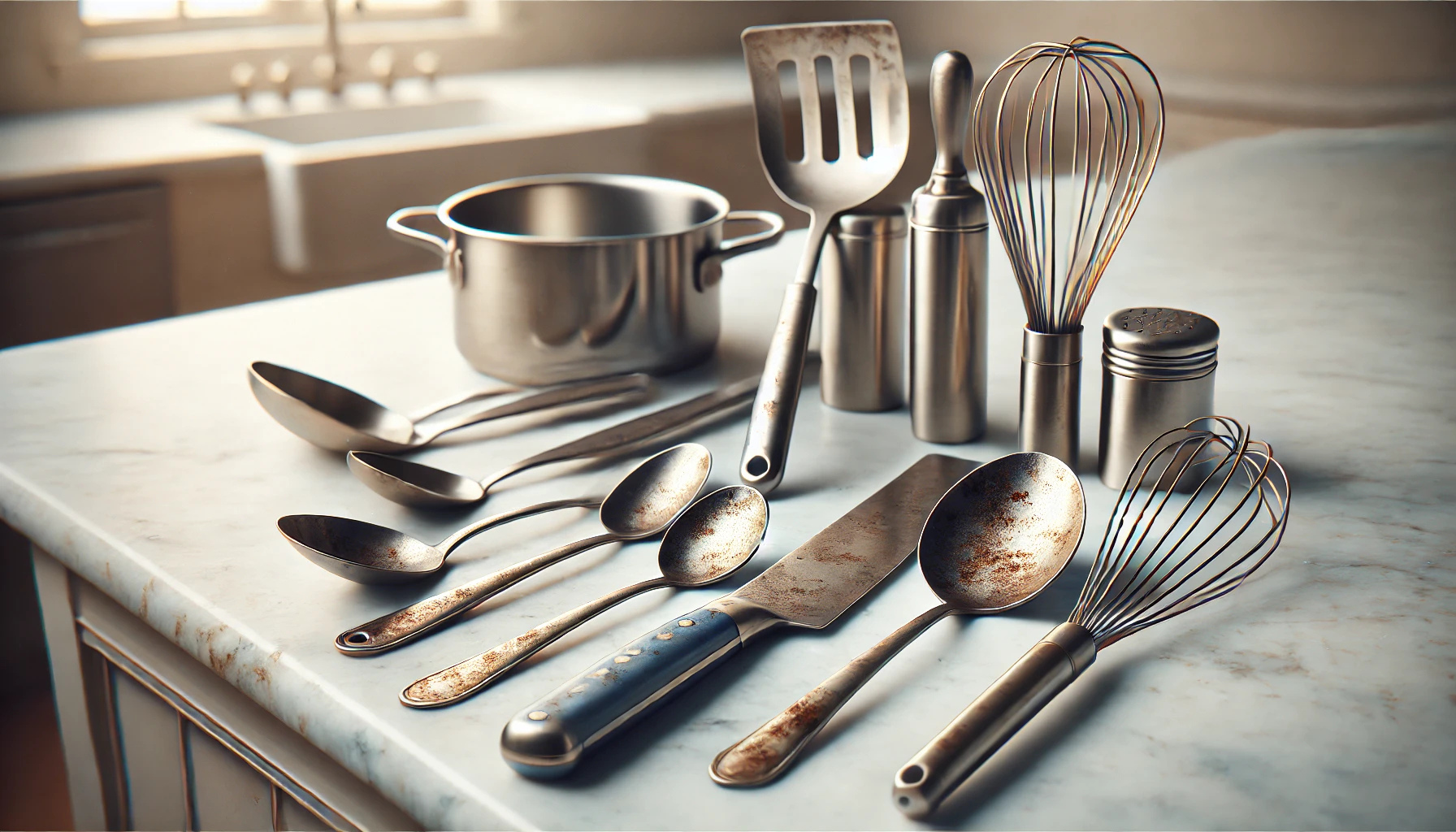
Rust forms when iron meets water and oxygen. Tiny iron particles from cans, pans, or tools leave marks. Left wet, those particles oxidize and turn brown or orange. Some countertops hide rust early. Porous materials absorb iron and hold the stain.
Knowing why rust starts helps you remove it. If you know the source you can stop new stains fast. Learning how to get rust off kitchen counter begins with spotting the cause and surface type.

Identify your countertop material before cleaning
Different counters need different care. Know your surface before trying any cleaner. Common types include:
- Stainless steel
- Porcelain or enamel sinks and counters
- Laminate
- Natural stone like granite, marble, or quartz
Stainless steel tolerates scrubbing and acidic cleaners better than sealants or laminates. Natural stone can etch from acids. Always test a small hidden spot first to see how the finish reacts. This step matters when you learn how to get rust off kitchen counter safely.

Safety and supplies you’ll need
Keep cleaning safe and simple. Use gloves and eye protection for harsh products. Have these items ready:
- Soft cloths or microfiber towels
- Non-scratch sponge
- Soft-bristled brush or old toothbrush
- Baking soda
- White vinegar or lemon juice
- Salt
- Commercial rust remover safe for your surface
- Fine steel wool (0000 grade) for stainless steel only
- pH-neutral stone cleaner if you have granite or marble
Always open a window for ventilation. Do a spot test and wait a few minutes to check for damage. This protects your counter and helps you get rust off kitchen counter without harm.

Step-by-step methods to remove rust
Choose a method based on surface and stain severity. Start with the mildest option and move up if needed. Repeat treatments gently rather than using extreme force.
Mild: Baking soda paste (safe for most surfaces)
Baking soda is a mild abrasive and a good first try. It works well for light rust spots.
- Mix baking soda with water to make a paste.
- Apply paste to the rust and let sit 10 to 15 minutes.
- Gently scrub with a soft cloth or toothbrush.
- Rinse with water and dry thoroughly.
Repeat once if the rust is stubborn. This simple method is a top way to learn how to get rust off kitchen counter gently.
Acidic lift: White vinegar or lemon (use cautiously on stone)
Vinegar and lemon acid can dissolve rust. They work fast but may harm some finishes.
- Soak a cloth in white vinegar or rub lemon juice over the rust.
- Let sit 5 to 10 minutes for light stains, less on stone.
- Scrub gently and rinse well.
- Dry the area to stop further oxidation.
Do not use vinegar or lemon on unsealed granite or marble. Always test a hidden spot first when you try how to get rust off kitchen counter with acid.
Abrasive for tough stains: Fine steel wool or non-scratch pads
Use abrasives only on durable surfaces like stainless steel or enamel. Avoid on laminate and stone.
- Wet the area to reduce scratching.
- Use 0000 steel wool or a non-scratch pad with light pressure.
- Move with the grain on stainless steel to avoid marks.
- Rinse and dry.
Do not sand laminate. Abrasives can remove seals and cause more rust later.
Commercial rust removers and oxalic acid products
For deep or old stains, a commercial rust remover may be best. Choose one safe for your surface.
- Read the label carefully for surface compatibility.
- Use gloves and eye protection.
- Follow time limits and rinse thoroughly.
Some rust removers use oxalic acid. These are effective but must be used with care on sensitive counters. This method is often how professionals get rust off kitchen counter surfaces quickly.
For porous stone: poultice method
Porous stone needs a gentle draw-out method.
- Mix a poultice with a powdered poultice material and hydrogen peroxide or a stone-safe cleaner.
- Spread a thick layer over the rust and cover with plastic.
- Tape edges and leave for 24 to 48 hours.
- Remove, rinse, and repeat if needed.
Ask a stone care pro if the stain is deep. Poultices help extract iron particles without harsh acids.
PAA-style questions:
Can I use bleach to get rust off? Bleach does not remove rust and can damage surfaces. Use acidic or chelating cleaners instead.
Will sandpaper remove rust from counters? Sandpaper can remove finish and make stains worse on many counters. Use very fine abrasion only on hard surfaces like stainless steel.
Can WD-40 remove surface rust? WD-40 can loosen light rust and act as a lubricant. It may help but is not a full rust remover. Clean and rinse after use.
Prevention and maintenance to stop rust returning
Preventing rust is easier than removing it. Follow simple habits.
- Dry your counter after spills and use a soft towel.
- Store cans and wet pans off the counter.
- Use cutting boards and avoid dragging metal tools.
- Seal stone counters as recommended.
- Clean small rust spots right away to stop spread.
Good habits reduce how often you must learn how to get rust off kitchen counter. They protect your surfaces and save time and money.
When to call a professional
Call a pro when stains are large or deep. Also seek help for antique or expensive stone. Professional stone restoration or refinishing may be needed. A pro can test, use specialty poultices, or re-polish the surface. Don’t risk permanent damage by guessing on delicate finishes.
If repeated home methods fail, a pro will have stronger but safe tools to get rust off kitchen counter without ruining the surface.
Frequently Asked Questions of how to get rust off kitchen counter
Can I use vinegar on a granite counter?
Vinegar can etch unsealed granite and cause dull spots. Use a pH-neutral stone cleaner or consult a stone care specialist instead.
How long should I let baking soda sit on rust?
Ten to fifteen minutes is enough for light stains. For tougher marks you can reapply and repeat, but avoid long abrasive scrubbing.
Is steel wool safe on stainless steel counters?
Very fine 0000 steel wool is usually safe for stainless steel. Rub gently with the grain and rinse well afterward.
Will rust come back after I clean it?
Rust can return if iron particles remain or the source is not removed. Dry the area and stop the source to prevent recurrence.
What if the rust stain is old and dark?
Older stains may be deep or embedded into pores. Use a poultice for stone or call a professional for restoration if home methods fail.
Conclusion
You can remove rust from most kitchen counters with the right method, patience, and care. Start with mild fixes like baking soda and vinegar, match the method to your surface, and always test a small spot first. Prevent new stains by drying surfaces and removing metal particles quickly. Try the steps above, and if a stain won’t budge, reach out to a pro for safe restoration. Share your results or questions below, subscribe for more tips, or leave a comment with your countertop type and stain story.