
Use a food processor with a shredding disk, chilled cheese, and short pulses for perfect shreds.
I have grated dozens of cheeses with a food processor in home and test kitchens. This guide on how to grate cheese in a food processor explains tools, prep, step-by-step technique, safety, cleaning, and tips for hard and soft cheeses. Read on to learn quick wins, avoid common mistakes, and get reliable results every time.

Why grate cheese in a food processor?
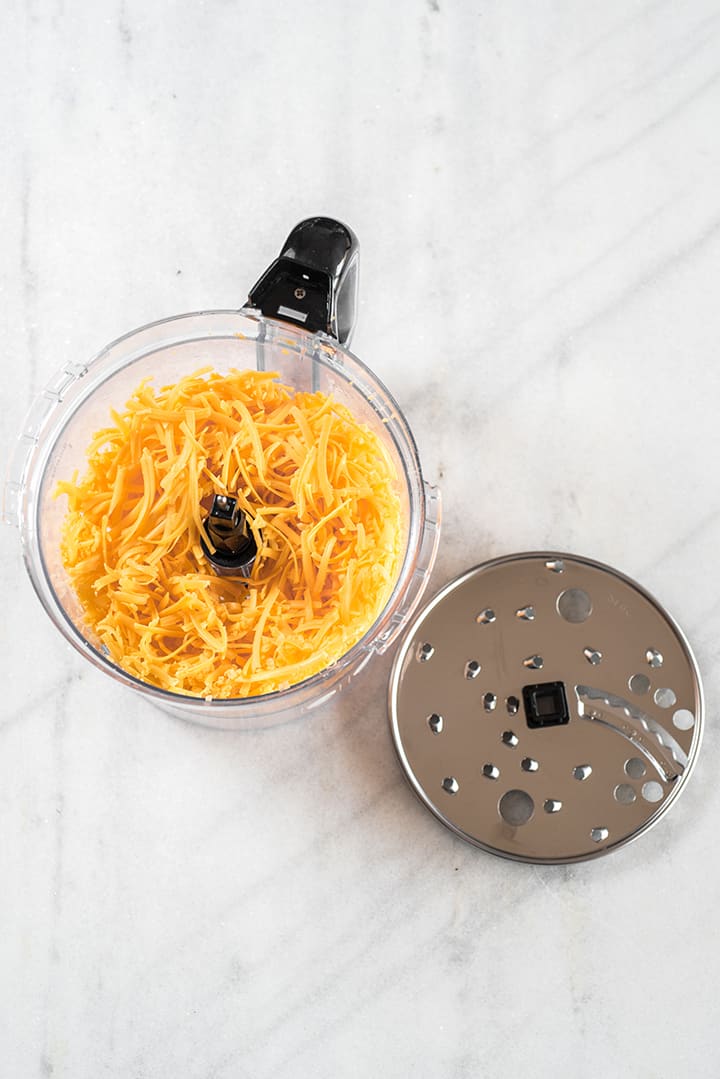
A food processor saves time and gives uniform shreds. It is faster than hand grating and gentler than a box grater for large batches. Learning how to grate cheese in a food processor can make meal prep easier and help you finish dishes faster.
Tools and prep you need
Use the right parts and a good block of cheese.
- Food processor with a shredding or grating disk installed.
- Bowl or container to catch shreds.
- Sharp knife to cut the cheese to fit the feed chute.
- Plastic wrap or freezer for chilling softer cheeses.
- Clean towel and mitts for safety.
Prep steps before you process:
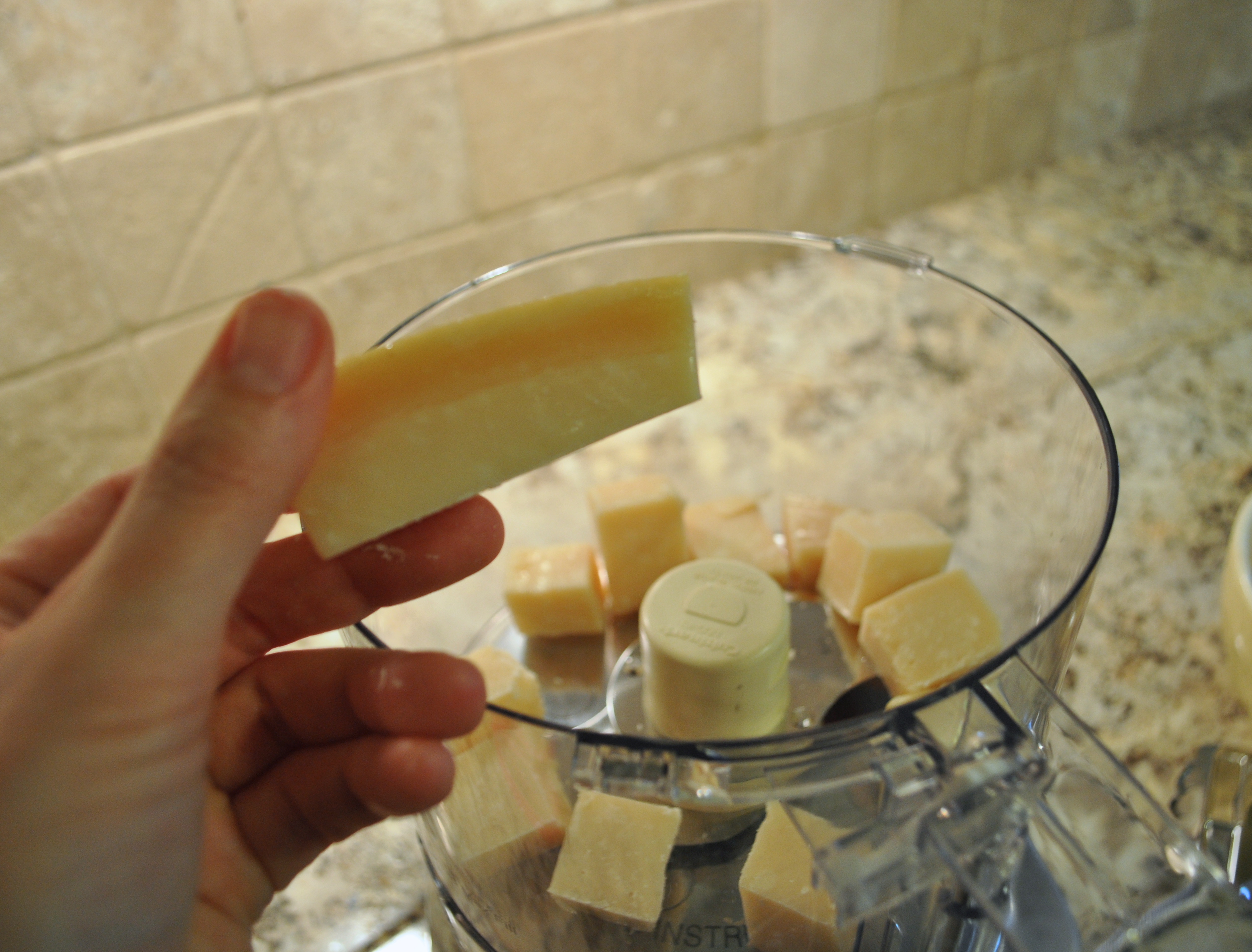
- Chill the cheese for 20–30 minutes for firmer, cleaner shreds.
- Trim the rind if you don’t want it shredded.
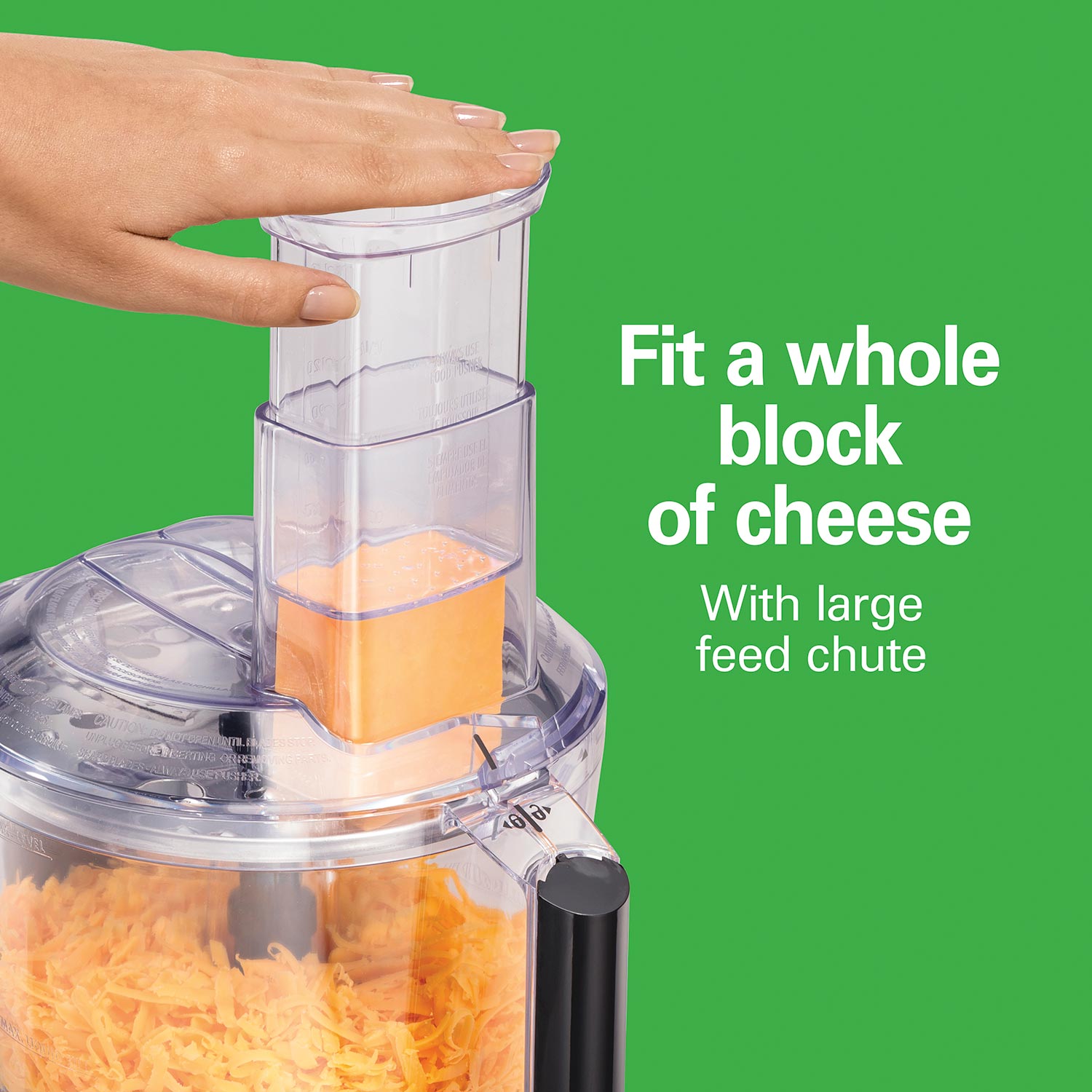
- Cut cheese into sticks that match the chute size.
- Assemble the disc and lock the lid securely.

Step-by-step: how to grate cheese in a food processor
Follow these steps for consistent results.
- Set up the machine
- Insert the shredding disk and secure the work bowl and lid.
- Chill the cheese
- Place the block in the fridge or freezer 15–30 minutes. Cold cheese shreds cleanly.
- Cut the cheese
- Slice the block into pieces that slide easily through the feed tube.
- Feed and pulse
- Turn the processor on. Use short pulses, not a long run. Pulse until shredded.
- Empty the bowl
- Stop and check often. Remove shreds to avoid clumping or over-processing.
- Final check
- If you need different shred sizes, swap discs and repeat.
Keep pulses short. Over-processing creates paste or clumps. These steps show how to grate cheese in a food processor quickly and safely.

Best cheese types and tweaks
Some cheeses need special care.
- Hard cheeses: Parmesan, Pecorino, aged Cheddar
- These shred easily when cold. Use the fine shredding disk for small flakes.
- Semi-hard cheeses: Cheddar, Gouda, Monterey Jack
- Use medium disk for classic shreds. Chill before processing.
- Soft cheeses: Mozzarella, Brie, fresh cheeses
- Freeze for 10–15 minutes and use short pulses. Wrap soft cheeses to reduce moisture.
- Very soft or crumbly: Feta, ricotta salata
- Crumble by hand or use short pulses with the largest disk.
Tips from experience:
- Freeze fresh mozzarella for 10 minutes. It shreds without squishing.
- For salads, avoid long runs. Pulse and check to keep texture.
- If you want uniform melt, use consistent shred size when learning how to grate cheese in a food processor.
Cleaning and safety
Clean parts and handle blades with care.
- Unplug before removing the disk. The disk is sharp.
- Remove shreds and rinse parts immediately to prevent dried cheese.
- Wash by hand or top-rack dishwasher if parts allow. Dry fully before storage.
- Store blades in a sheath or separate container to avoid cuts.
Food safety notes:
- Keep cheese refrigerated before and after grating.
- Don’t leave grated cheese at room temperature for more than two hours.
- Label and date any stored shredded cheese.
Troubleshooting common issues
Quick fixes for common problems when learning how to grate cheese in a food processor.
- Clumping or melting
- Chill the cheese and bowl. Use short pulses. Work in small batches.
- Machine stalls or bogs down
- Don’t overload the feed tube. Cut pieces smaller and pulse more gently.
- Uneven shred size
- Check disk alignment and use the correct disk. Feed cheese evenly.
- Too moist or gummy shreds
- Pat cheese dry. Chill longer or use a different disk.

Personal tips and lessons learned
I learned the hard way that warm cheese is the enemy. I once tried to grate a warm block of cheddar for a party. The result was a sticky mess and a tired motor. Now I always chill blocks first and keep a small tray in the freezer for quick chilling. I also learned to pulse in short bursts and to toss shreds into a cool bowl with a light dusting of cornstarch if I need them to stay separate for later use.
These small habits cut prep time and reduce waste. They also protect your food processor motor and blade lifespan.

Frequently Asked Questions of how to grate cheese in a food processor
How long should I chill cheese before grating it in a food processor?
Chill hard and semi-hard cheeses for 20–30 minutes. For soft cheeses, freeze for 10–15 minutes to firm them up.
Can I grate frozen cheese directly in the food processor?
Yes, but don’t use rock-solid frozen blocks. Partially freeze for 10–20 minutes so the cheese firms but stays slightly pliable.
Which disk should I use for fine versus coarse shreds?
Use the fine shredding disk for small flakes and the medium or coarse disk for thicker shreds. Swap disks to change shred size.
Is it safe to grate very soft cheeses in a food processor?
Yes, with precautions. Wrap the cheese or chill it briefly and use short pulses to avoid a paste-like texture.
How long can I store grated cheese from a food processor?
Store in an airtight container in the fridge for up to 5–7 days. For longer storage, freeze the shreds in portioned bags for up to 3 months.
Conclusion
Grating cheese in a food processor saves time and delivers consistent shreds when you use the right gear and technique. Chill the cheese, choose the proper disk, pulse in short bursts, and clean parts promptly to keep results great. Try these tips on your next meal and see how much smoother prep becomes. If this guide helped you, leave a comment, subscribe for more kitchen tips, or share your own tricks below.