
Use a clean, chilled block of cheese and a sharp grater; apply steady pressure and grate away from your fingers.
I’ve taught home cooks and taught myself how to grate cheese many times. This guide on how to grate cheese covers tools, techniques, safety, and tips for different varieties. I write from years of kitchen work and testing, so you’ll get clear steps, real mistakes to avoid, and quick wins to make your dishes sing. Read on to master how to grate cheese with confidence and speed.
Why proper grating matters
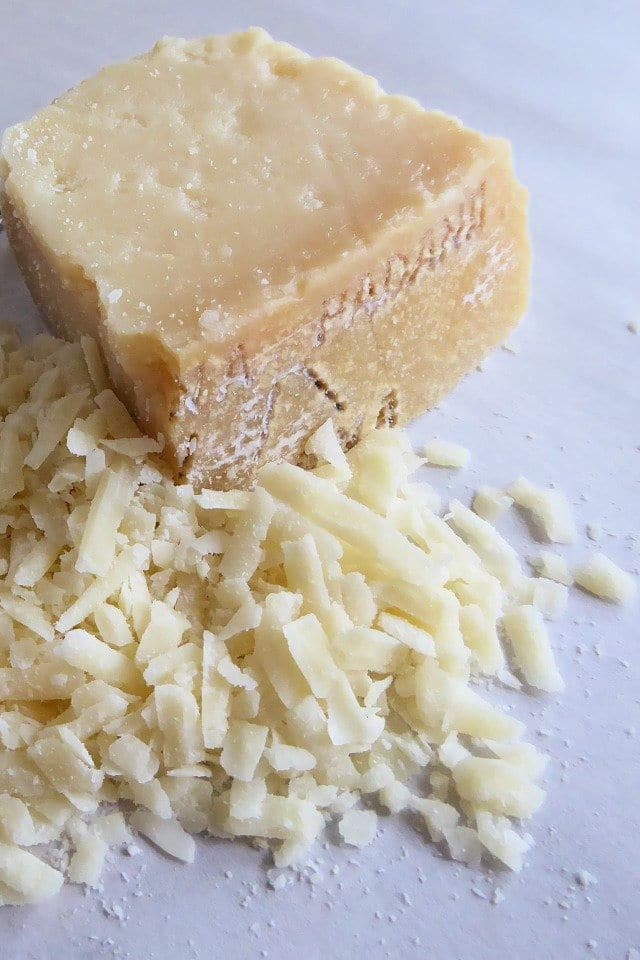
Grating changes a cheese’s texture, melt, and flavor release. Knowing how to grate cheese helps your sauces blend, your salads stay light, and your pizza melt evenly. Small differences in size or temperature change how cheese behaves when heated. I’ve learned the hard way that coarse shreds can leave a sauce grainy, while fine grating yields fast melting and smoother texture.

Tools and grater types
Choose the right tool for the job. Each tool changes how the cheese melts and feels.
- Box grater
- Versatile and cheap. Use the side for coarse shreds, small holes for fine snow-like bits.
- Microplane
- Best for hard cheeses like Parmesan. Produces light, feathery snow that melts quickly.
- Food processor with grater disc
- Fast for large batches. Good for semi-hard cheeses when speed matters.
- Rotary or drum grater
- Great for steady shredding with less finger risk.
- Knife or mandoline
- Slice thin ribbons for salads or garnishes when you don’t want shreds.
From my experience, a clean microplane and a chilled block of hard cheese produce the best grated texture. I use a food processor for big batches, but a box grater for daily tasks because it’s easy and quick.
Step-by-step: How to grate cheese
Follow these simple steps to grate cheese safely and cleanly.
- Prepare the cheese
- Use a firm, chilled block. Cold cheese is easier to grate and less sticky.
- If the cheese is soft, chill it wrapped for 15–30 minutes first.
- Choose the grater side or tool
- Fine for Parmesan or citrusy dust. Coarse for melting cheeses like cheddar.
- Secure your surface
- Put a damp cloth under a cutting board. This stops sliding.
- Position and motion
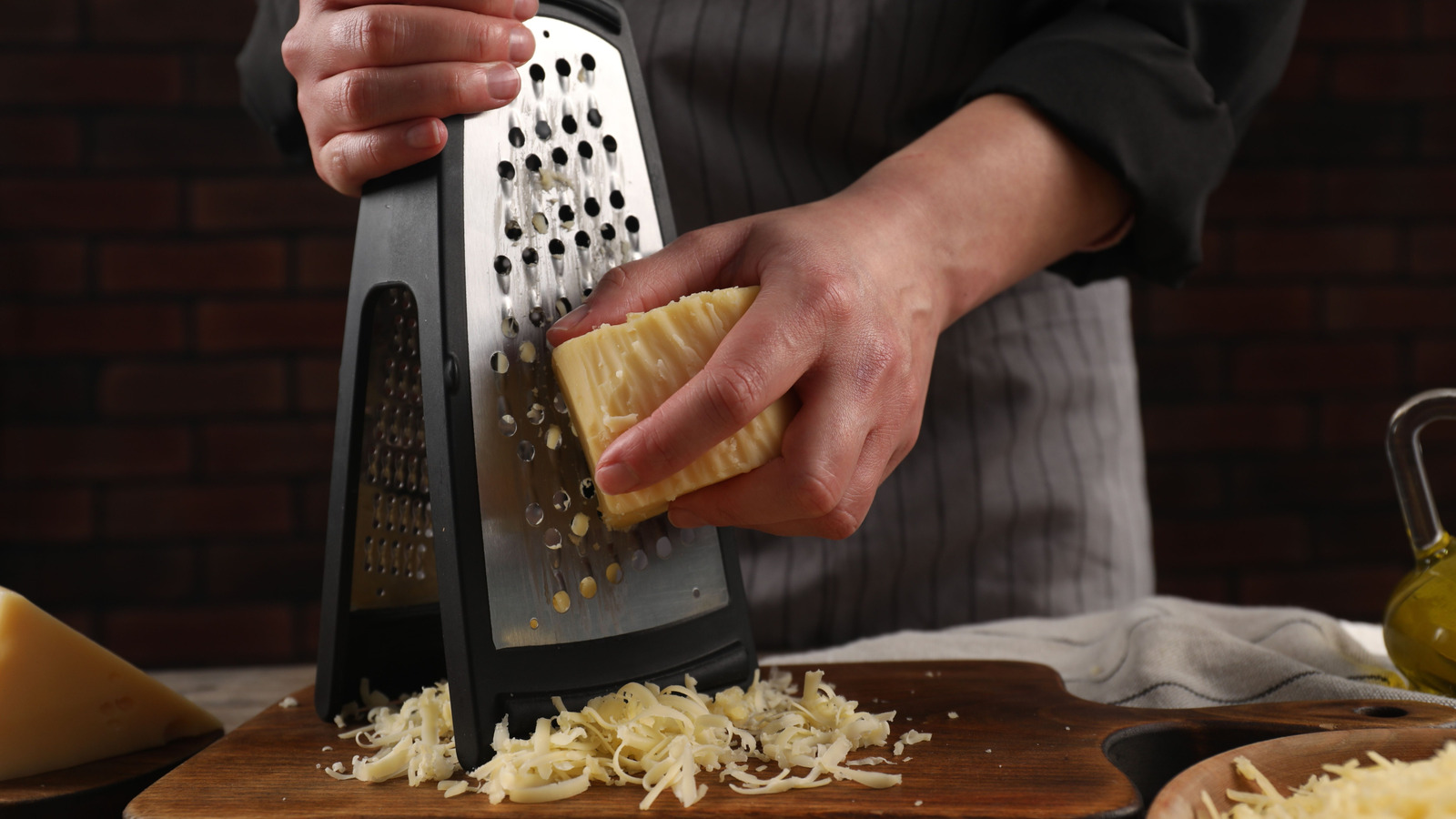
- Hold the grater steady with one hand. Hold cheese with the other.
- Grate downwards, away from your fingers, using short strokes near the end to avoid cuts.
- Pace and pressure
- Use steady, even pressure. Too hard and you risk clogging or breaking the cheese.
- Collect and finish
- Tap the grater lightly to release trapped shreds. Use a small spatula to collect fine dust.
If you want uniform shreds for melting, aim for medium-coarse holes. For garnishes, use the fine microplane. If you’re wondering how to grate cheese finely without it clumping, chilling and using a microplane usually solves that.
:max_bytes(150000):strip_icc()/gettyimages-147205770-2000-01ff1b42faf04504b5fc7bd6e87dc7bd.jpg)
Tips for different cheeses
Different cheeses need different approaches when you learn how to grate cheese.
- Soft cheeses (ricotta, fresh mozzarella)
- Avoid traditional grating. Tear or use knife or fork to break into small pieces. For dryer soft cheese, chill before grating.
- Semi-soft cheeses (cheddar, gouda)
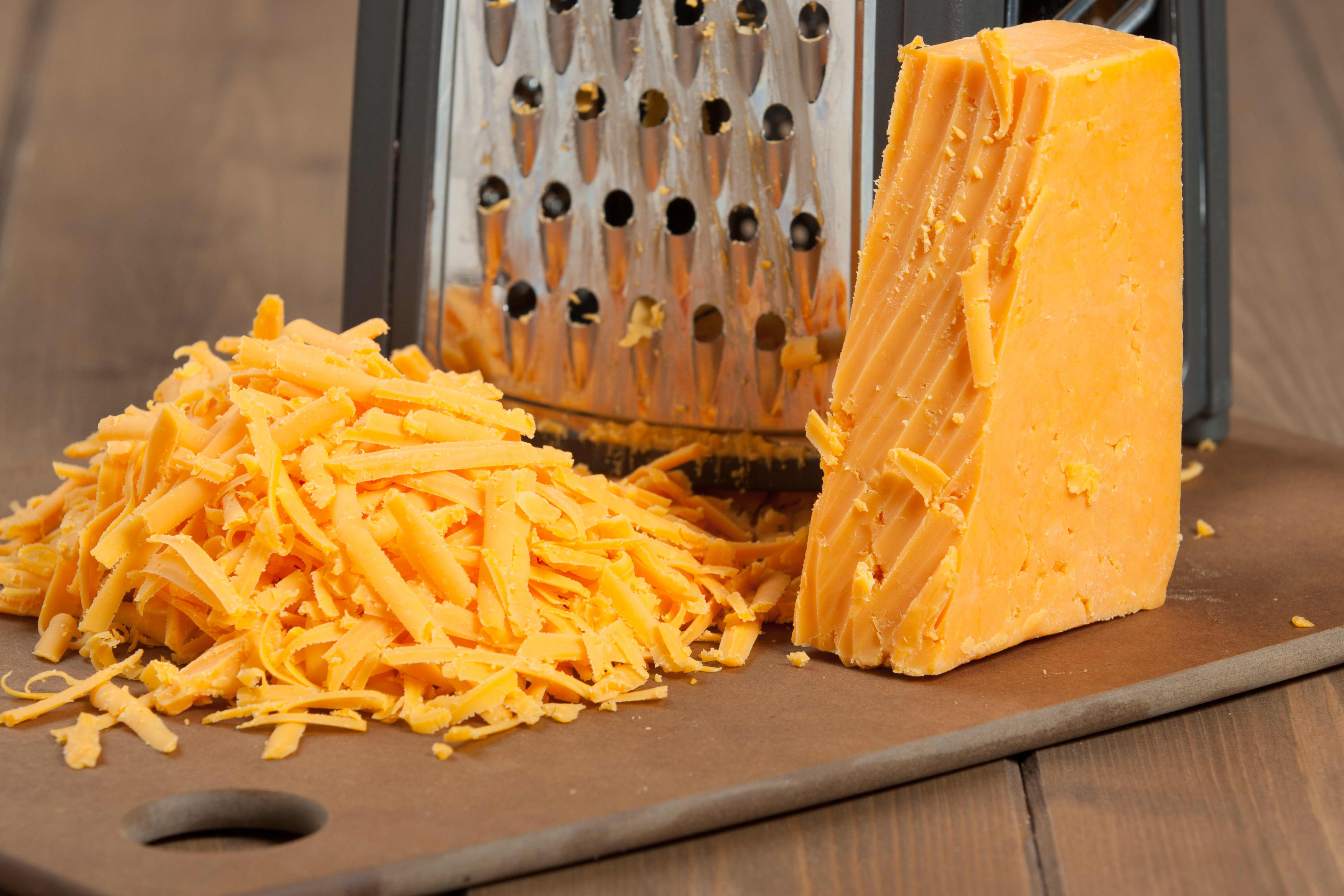
- Chill and use the coarse or medium side of a box grater for melting or topping.
- Hard cheeses (Parmesan, Pecorino)
- Use a microplane or the small holes on a box grater for fine dust that melts quickly.
- Aged, crumbly cheeses
- Hold gently and grate with light pressure. Use a fork to finish if it crumbles.
From my experience, fresh mozzarella never behaves like cheddar—so slice or shred by hand instead. Also, when you learn how to grate cheese for a recipe, read the recipe’s word choice: “grated” often means fine, while “shredded” may mean larger pieces.
:max_bytes(150000):strip_icc()/__opt__aboutcom__coeus__resources__content_migration__serious_eats__seriouseats.com__2020__04__20200416-cheese-grating-daniel-gritzer-2-d04b3a47fd1f4229bd366c7bc856f757.jpg)
Safety, cleaning, and storage
Safety and cleanup matter as much as the technique when you grate cheese.
- Avoid finger nicks
- Stop grating when only a small stub remains. Use a fork or protective glove for the last bit.
- Clean immediately
- Rinse graters right away to remove trapped solids. Warm, soapy water and a brush work best.
- Dishwasher use
- Most metal graters are dishwasher-safe, but frequent dishwasher cycles dull edges faster.
- Store grated cheese
- Keep in an airtight container for 3–5 days in the fridge. For longer storage, freeze grated cheese in small portions.
A tip I learned: freeze small piles on a tray for 15 minutes, then bag them. They separate easily and thaw quickly for cooking. Regularly sharpened microplanes or replacing cheap graters improves safety and speed.

Common mistakes and how to avoid them
Here are mistakes I’ve made so you won’t repeat them while learning how to grate cheese.
- Grating warm cheese
- Warm cheese clogs and gums up the grater. Chill blocks first.
- Overly coarse or fine choice
- Match grating size to recipe need: coarse for topping and texture, fine for fast melt.
- Not securing the grater
- A wobbly grater leads to slips and cuts. Use a damp cloth under your board.
- Forcing the cheese
- Pushing too hard risks breaking the grater or slipping. Use steady pressure.
Think of grating like sanding wood: slow, steady strokes win the job. Small care steps change your results when you grate cheese for pizza, pasta, or salads.
Alternatives and quick hacks
When you can’t or don’t want to grate cheese the normal way, try these options.
- Food processor quick grate
- Use pulse for large blocks to get uniform shreds fast.
- Freezer trick
- Chill cheese 15–30 minutes. It firms up and grates cleaner.
- Knife shreds or ribbons
- Use a knife or vegetable peeler for thin slices or ribbons.
- Pre-shredded cheese
- Convenient but often coated with anti-caking agents that change melt characteristics.
I keep a small stash of pre-shredded for quick meals, but for flavor and melt I grate fresh cheese myself. Learning how to grate cheese well makes the fresh option worthwhile.
:max_bytes(150000):strip_icc()/ar-shredded-cheese-with-grater-4x3-9cbd08728b60452b9f79e9c1530dcc97.jpg)
PAA-style quick answers (in-text)
You might ask: Can you grate frozen cheese? Yes, if frozen briefly until firm but not rock-hard; long-term frozen blocks are hard to grate. Will freshly grated cheese melt better? Yes, freshly grated cheese melts faster and more evenly because it has no anti-caking coating. What grater is best for Parmesan? A microplane is ideal for fine, airy Parmesan dust. These quick answers reflect common search questions about how to grate cheese.
Frequently Asked Questions of how to grate cheese
How do I grate cheese without a grater?
You can use a knife to slice thin ribbons or a food processor with a grater disc to shred quickly. Chill soft cheeses first for better texture.
Is it better to grate cheese cold or room temperature?
Cold is better. Chilling makes cheese firm and less sticky, which helps it grate cleanly and evenly.
Can I freeze grated cheese?
Yes. Freeze in small portions on a tray then bag them. Use frozen shreds directly in cooked dishes for best results.
Why does my grated cheese clump?
Clumping can come from moisture or anti-caking agents in pre-shredded cheeses; chill the cheese and toss with a little flour or cornstarch if needed.
What is the best grater for fine cheese?
A microplane is the best choice for fine, fluffy cheese like aged Parmesan or hard Pecorino. It creates light, fast-melting dust.
Conclusion
Mastering how to grate cheese is a small skill that yields big rewards in texture, melt, and flavor. Use the right tool, chill the cheese, and protect your fingers. Try one new tip from this guide the next time you cook and notice the difference in your dish. If this helped, leave a comment with your favorite cheese to grate, or subscribe for more simple kitchen lessons.