
You can make a basic cake with flour, sugar, eggs, butter, and baking powder.
I have baked dozens of cakes for family, friends, and small events. This guide explains how to make a cake from start to finish. I show easy steps, smart tips, and real lessons from my kitchen trials. Read on to gain clear, simple skills to bake a moist, tasty cake you can be proud of.
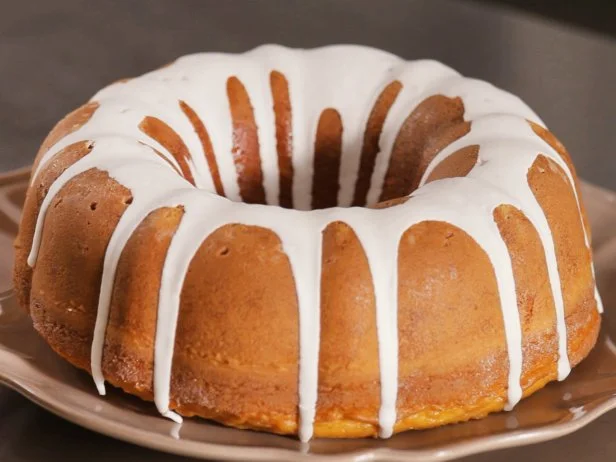
Essential ingredients and tools for how to make a cake
A good cake starts with clear ingredients and the right tools. Knowing what each item does helps you bake with confidence. Below are reliable basics that I use every time I make a cake.
- All-purpose flour 1 1/2 to 2 cups, sifts well to avoid lumps.
- Granulated sugar 1 to 1 1/2 cups, gives structure and browning.
- Eggs 2 to 3 large, room temperature helps batter mix smooth.
- Butter or oil 1/2 cup butter or 1/2 cup neutral oil for moisture.
- Baking powder 1 to 2 teaspoons to help the cake rise.
- Salt a pinch to enhance flavor.
- Milk or buttermilk 1/2 to 3/4 cup for tenderness and flavor.
- Vanilla extract 1 teaspoon for aroma and taste.
- Mixing bowls at least two sizes for wet and dry ingredients.
- Measuring cups and spoons accurate measuring avoids mistakes.
- Electric mixer or whisk hand mixing works, but a mixer saves time.
- Pans 8- or 9-inch round pans or a 9×13 pan, greased and lined.
- Oven thermometer to check true oven temperature.
How to make a cake well begins with precise measures and fresh ingredients. Fresh baking powder and fresh eggs matter. I learned to check these after several failed batches.
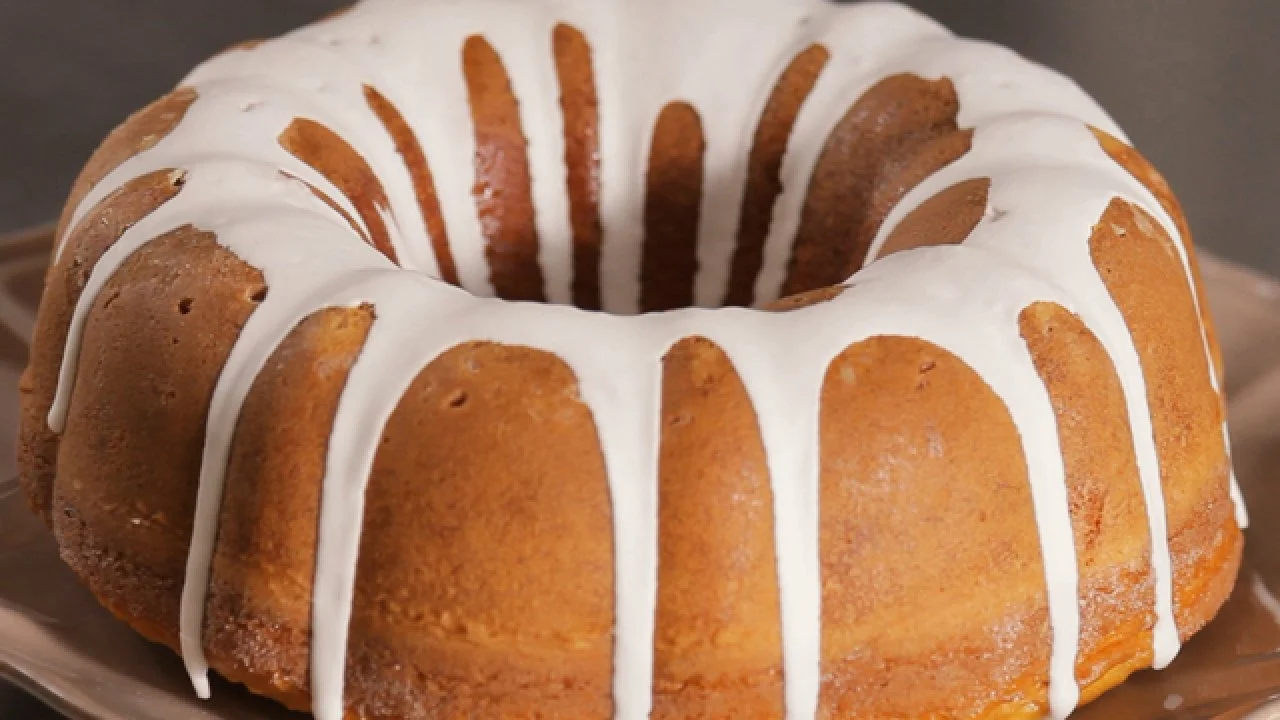
Step-by-step: how to make a cake (simple vanilla cake)
Follow these steps to learn how to make a cake that rises evenly and tastes great. Times and temps are for a standard home oven.
- Preheat and prepare. Preheat oven to 350°F (175°C). Grease and line your pan. This prevents sticking.
- Mix dry ingredients. Whisk flour, baking powder, and salt in a bowl for 20 seconds. Sifting helps but a whisk works fine.
- Cream butter and sugar. Beat room-temp butter and sugar for 2 to 3 minutes until light. This traps air and helps rise.
- Add eggs one at a time. Mix each egg fully before adding the next. Add vanilla with the last egg.
- Alternate milk and dry mix. Add dry mix and milk in three parts, starting and ending with dry mix. Mix until just combined.
- Pour and level. Pour batter into pan and tap gently on the counter to remove bubbles. Smooth the top with a spatula.
- Bake. Bake 25 to 35 minutes for two 8-inch pans, or 30 to 40 minutes for a 9×13 pan. Test with a toothpick; it should come out clean.
- Cool. Let cake cool 10 minutes in pan, then remove to a rack. Cool fully before frosting to avoid melting frosting.
I test how to make a cake by checking crumb and texture. When I first started, I overmixed. That made the cake dense. Now I mix just until combined and watch the oven closely.
:max_bytes(150000):strip_icc():format(webp)/how-to-frost-a-cake-5271762-hero-01-2c67950f78114d36abe965fc8292f963.jpg)
Baking science and tips for how to make a cake
Understanding a few simple facts makes baking easier and more fun. These tips explain why steps matter and how to fix small issues.
- Role of flour. Flour gives structure. Too much makes a dry cake. Measure by spooning flour into cup then leveling.
- Role of sugar. Sugar helps browning and keeps crumbs tender. It also adds moisture when dissolved well.
- Role of eggs. Eggs bind and add lift. Room-temperature eggs mix better and trap air.
- Role of leaveners. Baking powder adds rise. Old leaveners fail. Test them if your cake won’t rise.
- Fat choice matters. Butter adds flavor. Oil gives a moister cake. Use what fits your taste.
- Oven temp matters. A hot oven can crack tops. Use an oven thermometer to confirm how to make a cake bake evenly.
When I switched from guessing oven temps to using a thermometer, my cakes became more reliable. That small change is one of the best lessons in how to make a cake consistently.

Troubleshooting common problems when you make a cake
Even good bakers hit snags. These fixes will help you bounce back fast.
- Cake sinks in the middle. Cause: underbaked or opened oven early. Fix: bake until toothpick comes out with moist crumbs.
- Dense cake. Cause: overmixing or too much flour. Fix: mix gently and measure flour properly.
- Dry cake. Cause: overbaking or too little fat. Fix: cut bake time slightly and add sour cream or oil next time.
- Tops crack. Cause: oven too hot. Fix: lower temperature by 25°F and bake longer.
- Cake sticks to pan. Cause: poor greasing or cooling too little. Fix: line pan with parchment and cool slightly before removing.
I once made a cake that fell in the middle twice. The fix was a longer bake at a slightly lower temperature. Learning how to make a cake includes learning to read your oven.

Variations and flavor ideas for how to make a cake
Once you know the basics of how to make a cake, you can explore flavors and diets easily. Here are simple swaps and ideas.
- Chocolate cake. Replace 1/3 cup flour with 1/3 cup cocoa powder and add chocolate chips if desired.
- Lemon cake. Add 2 tablespoons lemon zest and 2 tablespoons lemon juice to the batter.
- Banana cake. Mash 1 cup ripe banana and fold into batter. Reduce milk slightly.
- Vegan cake. Use flax eggs and oil instead of butter and eggs. Use plant milk.
- Gluten-free cake. Use a 1:1 gluten-free flour blend. Add xanthan gum if blend lacks it.
- Layer cakes. Double recipe for two layers. Chill layers before frosting for neater edges.
I often make a lemon variation when I want a bright bake. Small changes in flavor are the easiest way to learn how to make a cake more interesting.
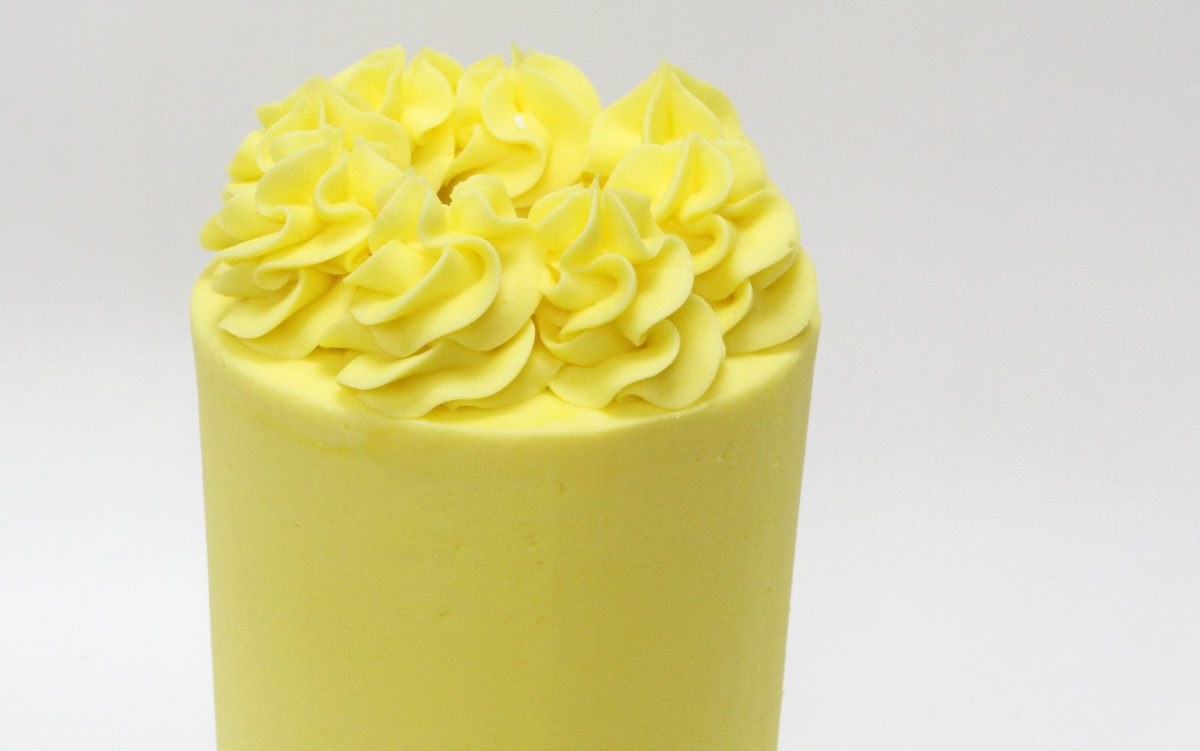
Personal experience and lessons learned on how to make a cake
I baked my first cake as a teen. It was uneven and a bit dry. I learned by fixing one mistake at a time. I share practical lessons you can use now.
- Always preheat your oven. I once wondered why the cake rose oddly. The oven was still warming.
- Use room-temperature ingredients. Cold eggs or butter slow mixing and affect texture.
- Measure, don’t scoop. Scooping flour packs it too dense. Spoon and level to avoid a heavy cake.
- Test early and often. A toothpick test saved me many times when I learned how to make a cake.
- Keep notes. I write bake times and changes on a recipe card. It helps me repeat what worked.
These small habits made my cakes better. Learning how to make a cake is mostly about practice and a few smart habits.
Frequently Asked Questions of how to make a cake
What is the easiest way to learn how to make a cake?
Start with a simple recipe and follow it exactly once. Practice the steps and adjust small things next time.
How do I keep my cake moist?
Do not overbake and use a bit of oil or sour cream in the batter. Wrapping leftover cake keeps it moist longer.
Can I make a cake without an oven?
Yes, you can make steamed or skillet cakes on the stove, or use a slow cooker for gentle heat. They need longer cook time and low heat.
How do I make a gluten-free cake that tastes good?
Use a trusted 1:1 gluten-free blend and add a moist element like applesauce or yogurt. Avoid overmixing to keep it light.
How do I know when my cake is done?
Insert a toothpick in the center. If it comes out with a few moist crumbs, it’s done. The cake should spring back to touch.
Can I freeze a cake?
Yes, fully baked and cooled layers freeze well wrapped tightly. Thaw in the fridge before frosting for best texture.
Conclusion
You now have clear, simple steps to learn how to make a cake. Start with the basic recipe, follow the key tips, and practice small changes. Stay patient, take notes, and enjoy the process of baking and sharing.
Try one cake this week and use one tip from this guide. Share your results, ask questions, or subscribe for more recipes and tips.