
Make a durable dish scrubber from simple materials at home in under 20 minutes.
I’ve built dozens of kitchen tools and tested many scrubbers, so I know what works. This guide on How to make a dish scrubber walks you through safe materials, clear steps, care tips, and useful variations. Read on to learn quick methods that save money, reduce waste, and get your dishes spotless.

Why make your own dish scrubber
Making your own scrubber gives control over materials and cost. When you learn How to make a dish scrubber, you can pick gentle or heavy-duty textures to match your cookware. Homemade scrubbers cut plastic waste and cost less than store brands over time. I’ve found homemade scrubbers often last longer and clean just as well when made correctly.
Materials and tools you'll need
Choose safe, simple items you likely have at home. These materials work well when you make a scrubber.
- Cotton yarn or old cotton t-shirts for a soft scrubber that’s gentle on nonstick pans.
- Nylon mesh, nylon scrunchie material, or polyester netting for a quick, abrasive scrubber.
- Scouring pad material or recycled plastic mesh for heavy-duty scrubbing.
- Scissors, needle and thread or a crochet hook for construction.
- A small sewing needle and strong thread for finishing touches.
- Optional: elastic band or key ring to hang the scrubber to dry.
Picking the right material affects scrub power and lifespan. Natural fibers break down faster but are compostable, while synthetic fibers last longer and resist mildew. When you decide How to make a dish scrubber, choose based on your cleaning needs and environmental goals.
Step-by-step: How to make a dish scrubber
Follow these clear steps to make a basic scrubber using nylon mesh or cotton yarn.
- Gather materials and cut mesh or fabric into a 6- to 8-inch square. Measure roughly to ensure a comfortable scrub size.
- Fold the square in half, then twist or roll it tightly to create a dense core. If using yarn, make a small round by winding yarn until it feels firm.
- Secure the core by stitching across the center with thread or by tying a tight knot. This keeps the scrubber from unravelling during use.
- For a loop handle, stitch an elastic band or a short strip of fabric into one edge before final sewing. A loop helps the scrubber dry faster.
- Trim loose ends and shape the scrubber into a round or flat pad. Test on a plate to check scrubbing strength.
- Rinse and air dry fully before first use to remove loose fibers.
I once made a set from old mesh produce bags. They lasted three months of heavy use and were fantastic on burnt-on food. Small tweaks, like tighter rolling or extra stitching, make a big difference in durability when you make a dish scrubber.

Variations and types: making the scrubber suit your kitchen
Different jobs need different scrubbers. When thinking about How to make a dish scrubber, match the type to the task.
- Gentle scrubber: Cotton yarn or soft sponge covered with fabric works well on nonstick pans and delicate glass.
- Medium scrubber: Crochet cotton or soft nylon mesh balances scrubbing power and gentleness.
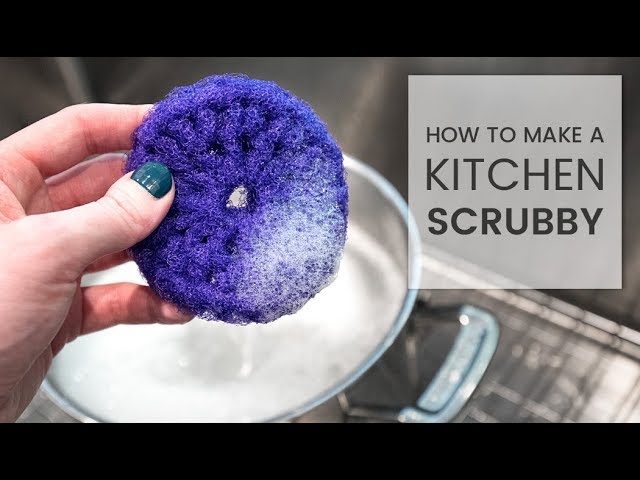
- Heavy-duty scrubber: Polyester netting or recycled scouring material handles pots, pans, and oven trays.
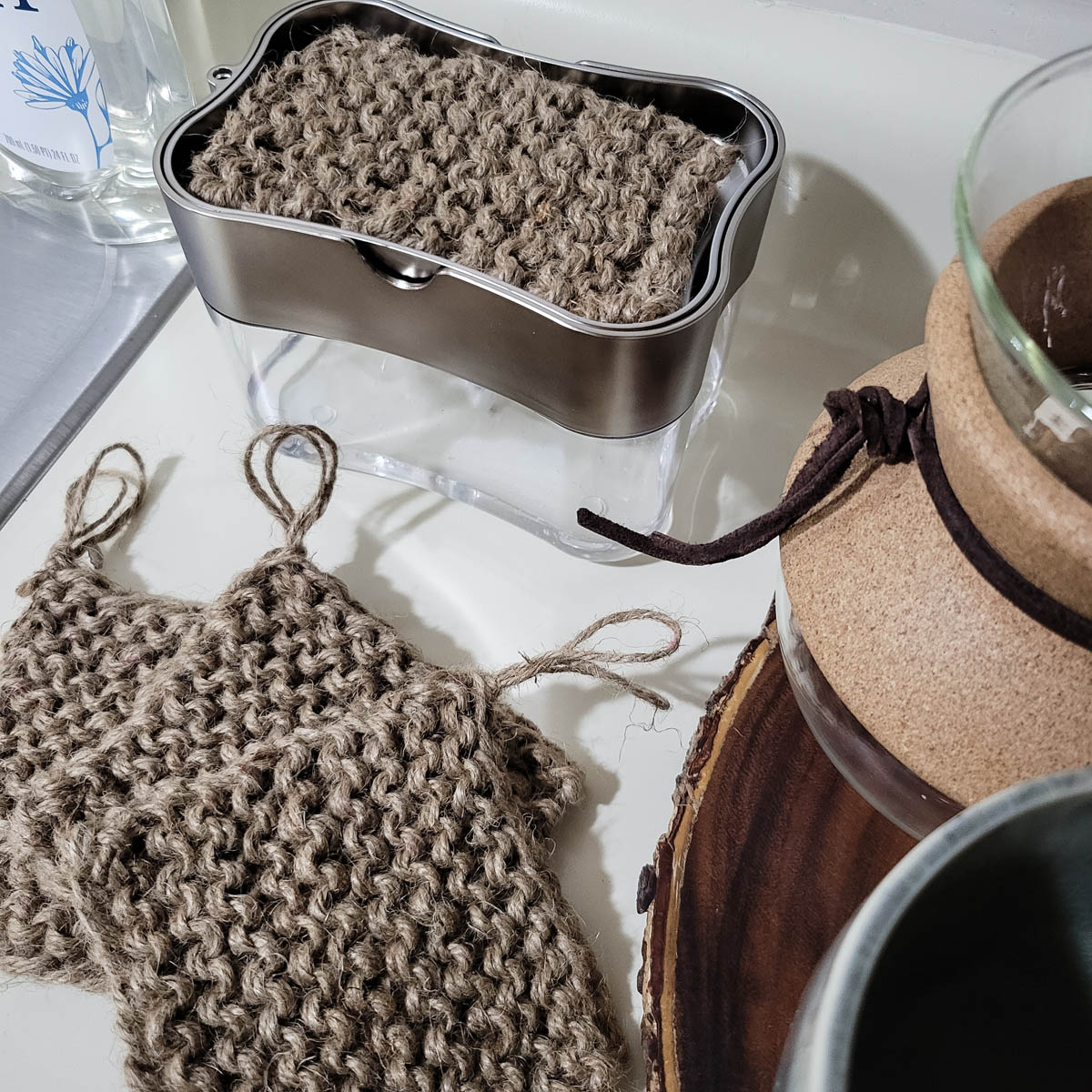
- Eco-friendly scrubber: Natural loofah or hemp fiber is compostable and strong for most jobs.
- Dual-sided scrubber: Sew a soft side and a rough side together for versatile cleaning.
I prefer a soft nylon mesh for everyday dishes and a heavy-duty polyester pad for cast iron. Trying a few versions will show you which style fits your routine best when you make a dish scrubber.
Care, cleaning, and when to replace your scrubber
Proper care keeps scrubbers effective and safe. Follow these simple rules after you make a dish scrubber.
- Rinse scrubbers well after each use to remove food and soap residue.
- Squeeze out water and hang to air-dry to prevent mildew growth.
- Sanitize weekly by soaking in hot vinegar solution or microwaving a damp natural-fiber scrubber for about 30 seconds. Avoid microwaving synthetic materials.
- Replace scrubbers when fibers fall apart, when they smell bad after cleaning, or after visible wear that reduces scrubbing ability.
From experience, rotating two scrubbers and sanitizing regularly extends life and keeps dishes cleaner. Knowing when to replace your scrubber saves time and prevents bacteria buildup.
:strip_icc()/citrus-patterned-sponges-27c807d0-2fc0c516c57f4b39a28d8da06e6ceaf6.jpg)
Common mistakes and troubleshooting
Avoid these common errors when you make a dish scrubber.
- Using wire or metallic scrapers on nonstick pans can damage coatings. Choose soft or medium options for delicate surfaces.
- Tying loose knots or poor stitching makes scrubbers fall apart fast. Secure seams with strong thread or double knots.
- Not allowing the scrubber to dry between uses leads to mildew and odors. Make a drying loop or store in a well-ventilated spot.
- Choosing the wrong fiber: natural fibers may shrink or soften quickly, while synthetics may melt near high heat. Know your cookware and cleaning method.
If your homemade scrubber sheds fibers, rewrap it tightly or add a fabric cover. Small fixes often restore usefulness and extend life when you make a dish scrubber.

Frequently Asked Questions of How to make a dish scrubber
What materials are best for a homemade dish scrubber?
Natural fibers like cotton or loofah are good for gentle cleaning and composting. Nylon or polyester mesh works for tougher scrubbing and lasts longer.
Can I make a scrubber safe for nonstick pans?
Yes. Use soft cotton, microfiber, or loosely woven nylon to avoid scratching. Test on a small area first.
How long does a homemade scrubber last?
Lifespan varies by material and use but expect several weeks to a few months with regular use. Replace it when it smells or visibly breaks down.
Is it sanitary to make my own dish scrubber?
Yes, if you clean and dry it properly after each use and sanitize weekly. Rotate scrubbers so one can dry fully while the other is used.
Can I compost a homemade scrubber?
If it’s made from natural fibers like cotton or loofah, it can be composted. Synthetic materials should go to regular waste or recycling if accepted.
Conclusion
Learning How to make a dish scrubber gives you control, saves money, and reduces waste. This guide covered materials, clear steps, variations, care, and common pitfalls so you can pick a method that fits your kitchen. Try making two different scrubbers this week, test them on dishes, and pick the one that feels best to you. Leave a comment about your favorite materials or subscribe for more easy DIY kitchen tips.