
Keep only what you use, use vertical space, and choose flexible storage solutions.
I’ve organized dozens of small kitchens for friends and clients, and I know the pressure of fitting a full cooking life into a tiny footprint. This guide shows practical, tested methods for how to organize a kitchen without a lot of storage, mixing real-world tips, space-saving tools, and step-by-step routines you can start today. You’ll get clear plans for decluttering, layout, smart storage buys, and daily habits that keep your kitchen calm and useful even when cabinet space is scarce.
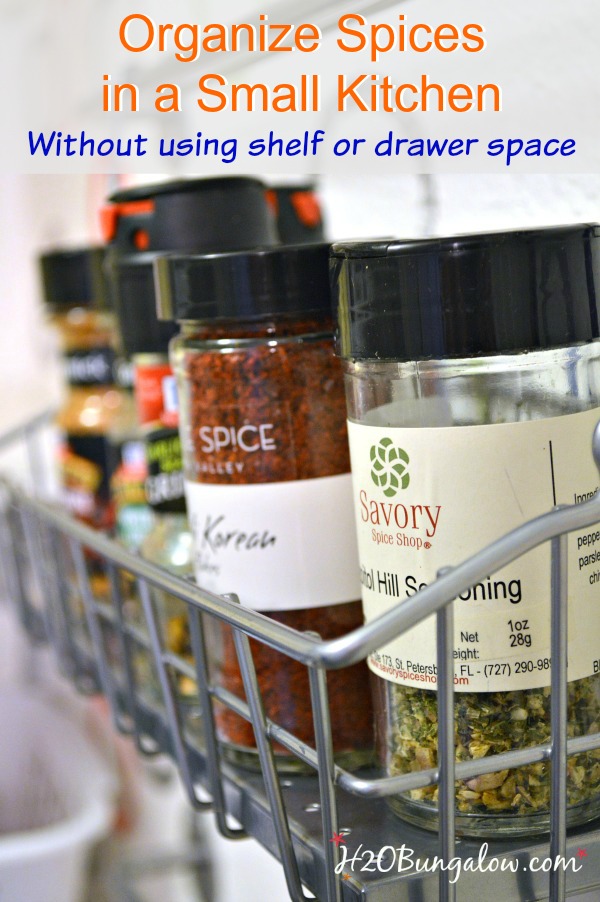
Smart decluttering and mindset for small kitchens
Start by embracing a simple rule: less stuff, more function. When you focus on how to organize a kitchen without a lot of storage, every choice should prioritize use and frequency.
Keep a three-box system: keep, donate/sell, and toss. Work by category, not by location. This avoids moving clutter from one shelf to another.
Limit duplicates. Two spatulas and three sets of measuring spoons take precious space. Keep one good version of each item you use often.
Adopt one-in, one-out for new kitchen buys. If you bring in a new gadget, remove an old one right away. This habit helps maintain balance and prevents slow re-cluttering.
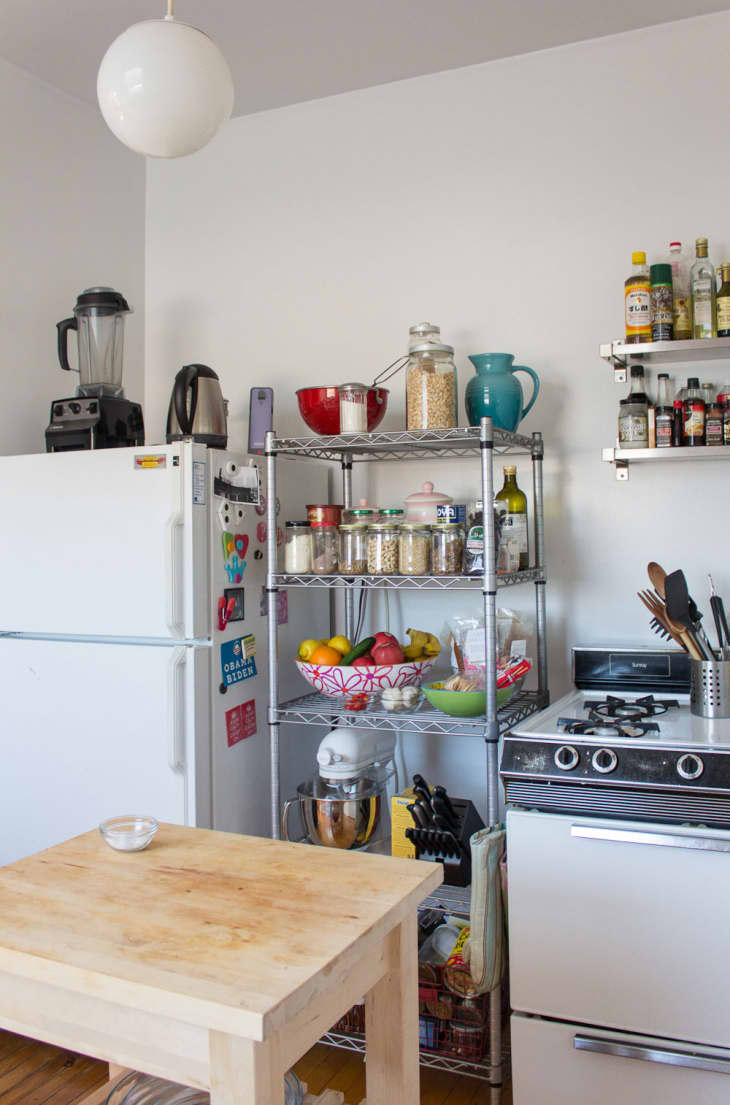
Maximize vertical space and unseen corners
When you need to learn how to organize a kitchen without a lot of storage, think up before you think out. Vertical solutions multiply your usable area without new cabinets.
Use wall rails and pegboards to hang utensils, pots, and pans. A pegboard lets you change layout as needs shift. Hooks on rails free up counter and cabinet room.
Install open shelves above counters for dishes or pantry jars. Floating shelves make the room feel larger. Choose shallow shelves to avoid a cluttered look.
Fit slim rolling racks between the fridge and counter or beside a stove. These narrow spaces hold oils, spices, or cutting boards and slide out when needed.
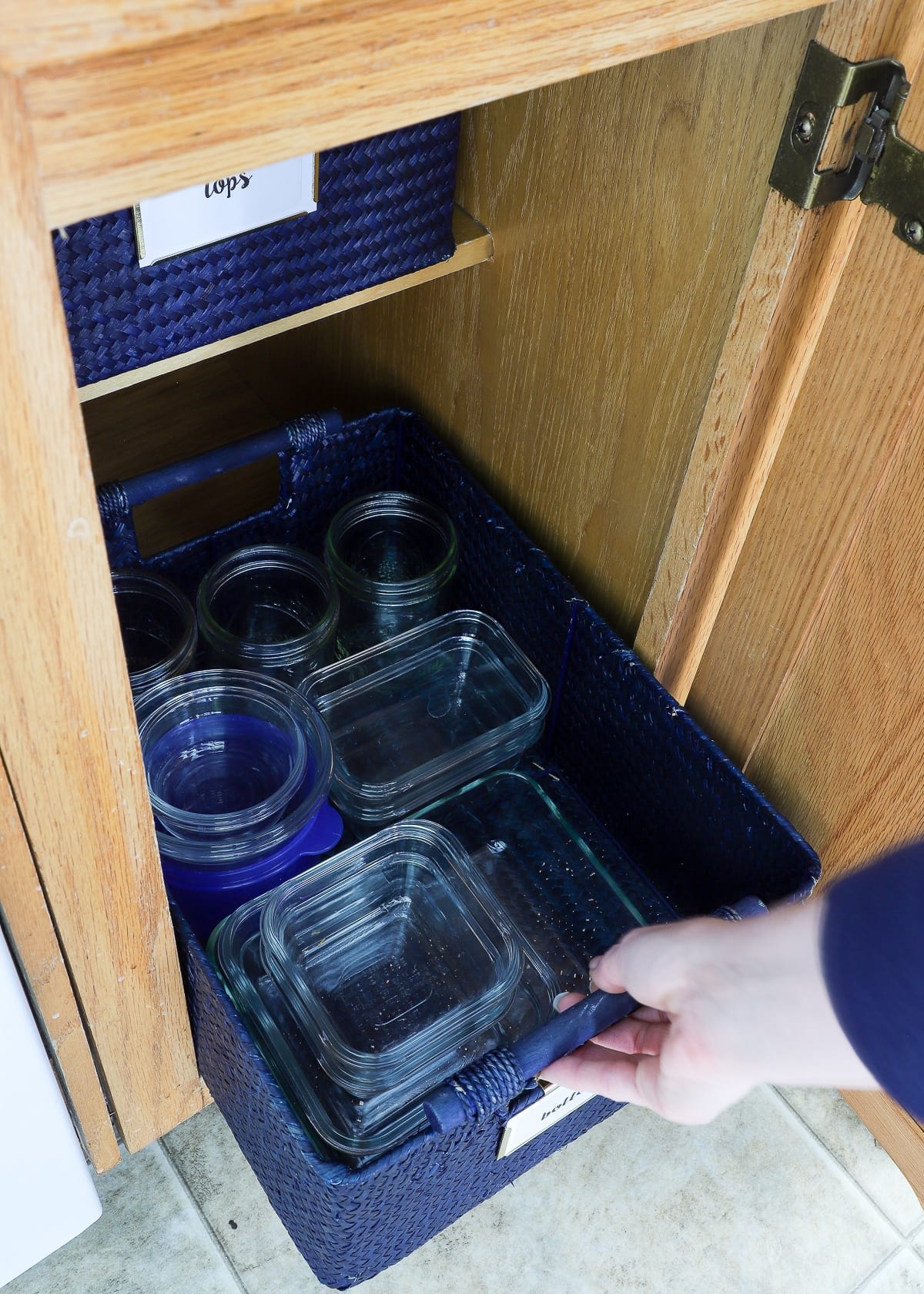
Flexible storage solutions that work in tight spaces
Flexible systems are key when you organize a kitchen without a lot of storage. Choose tools that adapt to changing needs.
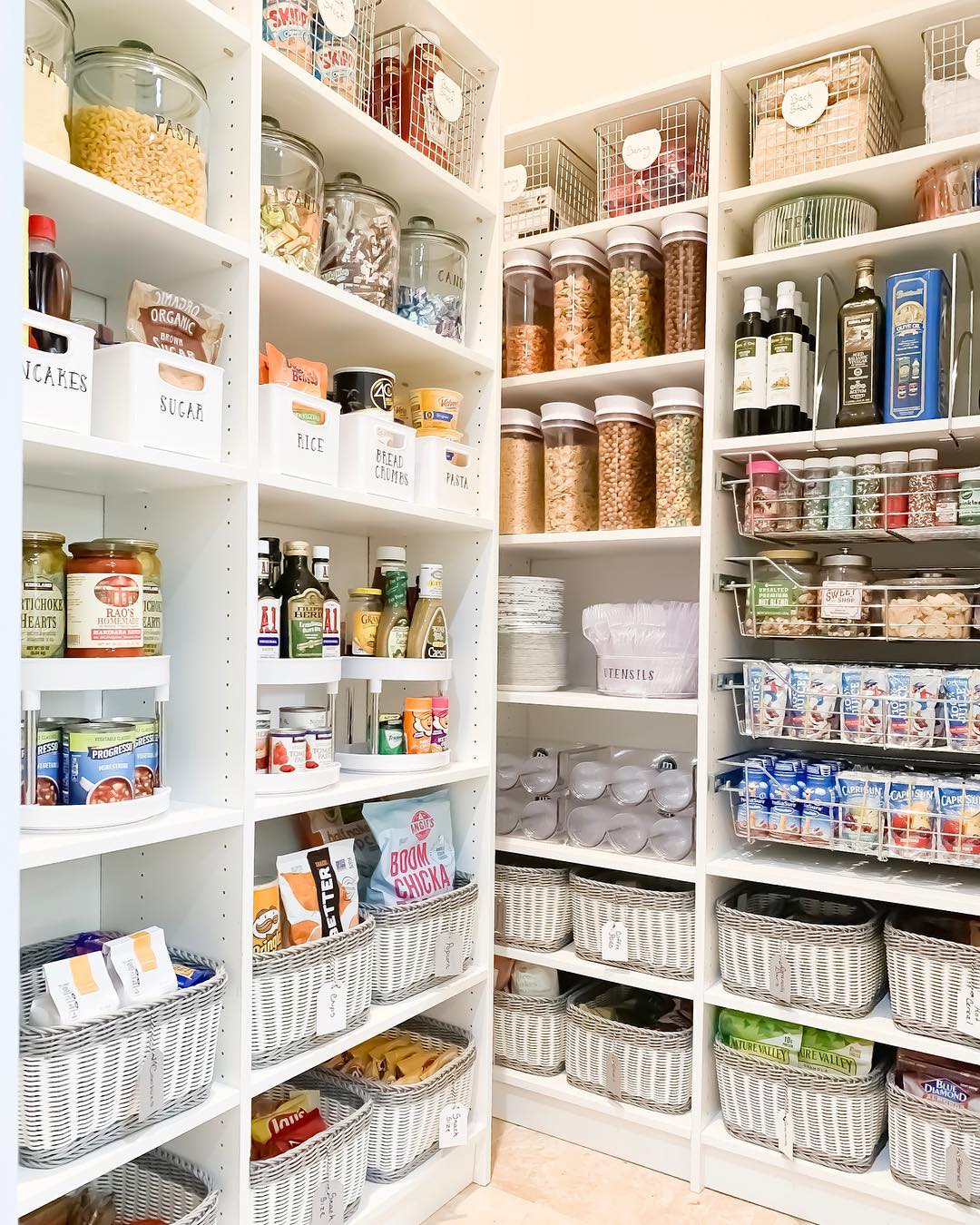
Use stackable, clear containers for dry goods. Clear containers save space and cut food waste because you can see quantities at a glance.
Try multi-use furniture like an island cart with shelves and a butcher top. Carts add prep and storage and can move out of the way. Look for carts with drawers to hide clutter.
Use tension rods inside cabinets to create vertical dividers for baking sheets and cutting boards. Over-the-door organizers work inside pantry doors or cabinet doors to hold wraps, foil, and small items.
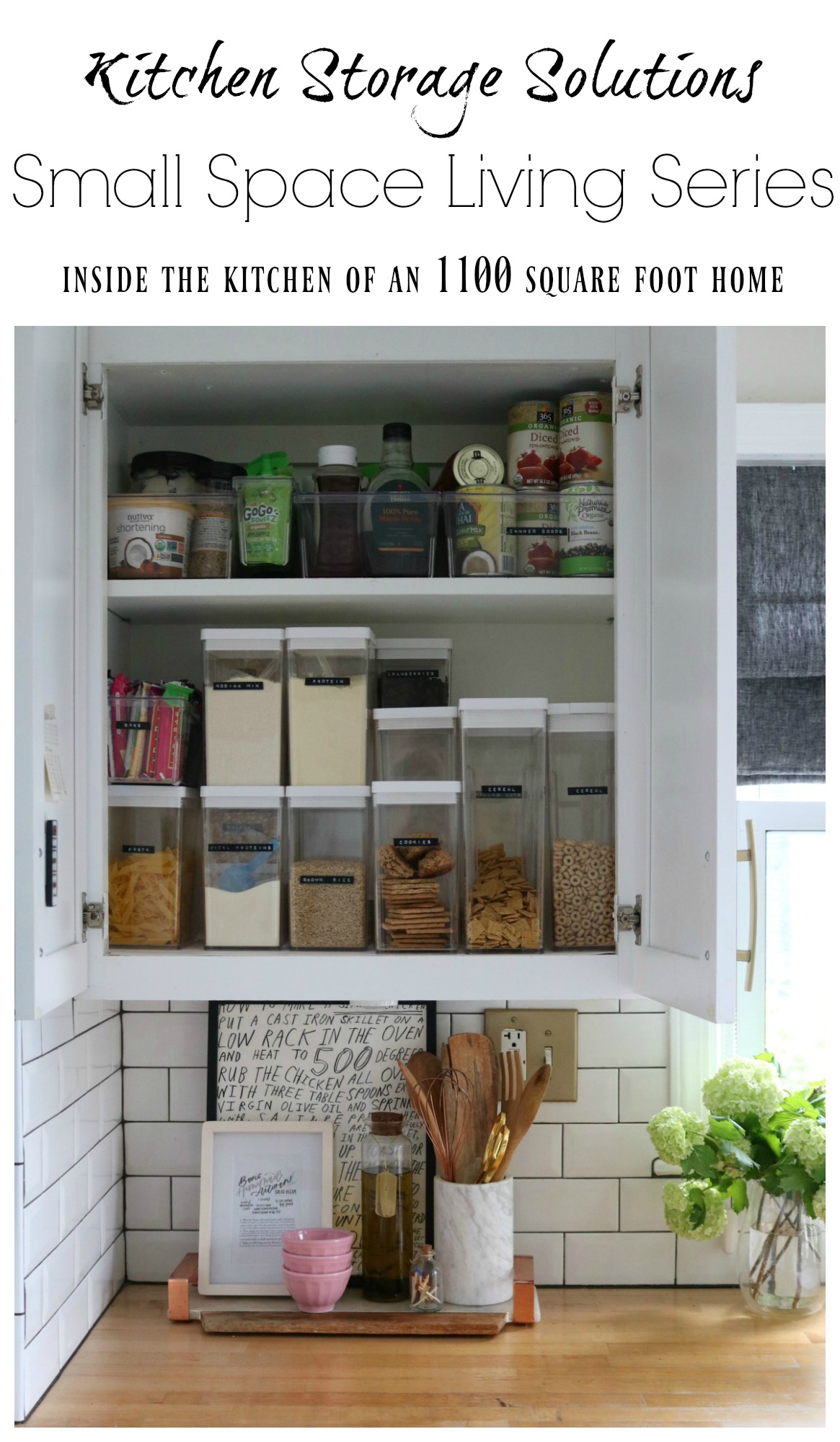
Zone your kitchen for flow and efficiency
When you learn how to organize a kitchen without a lot of storage, zoning makes each inch count. Group items by task to reduce movement and wasted time.
Create clear zones: prep, cook, clean, and food storage. Keep the prep tools near the counter, pots and pans near the stove, and plates near the dishwasher or sink.
Keep everyday items within easy reach and store occasional tools higher or in harder-to-reach spots. This keeps daily life easy while still storing what you need. Label drawers and shelves to keep zones consistent over time.
Small appliance and cookware strategies
Appliances eat space fast. To organize a kitchen without a lot of storage, be ruthless about which gadgets you keep.
Keep one multi-function appliance rather than many single-use gadgets. A slow cooker that also steams and a blender that crushes and purees can replace several devices.
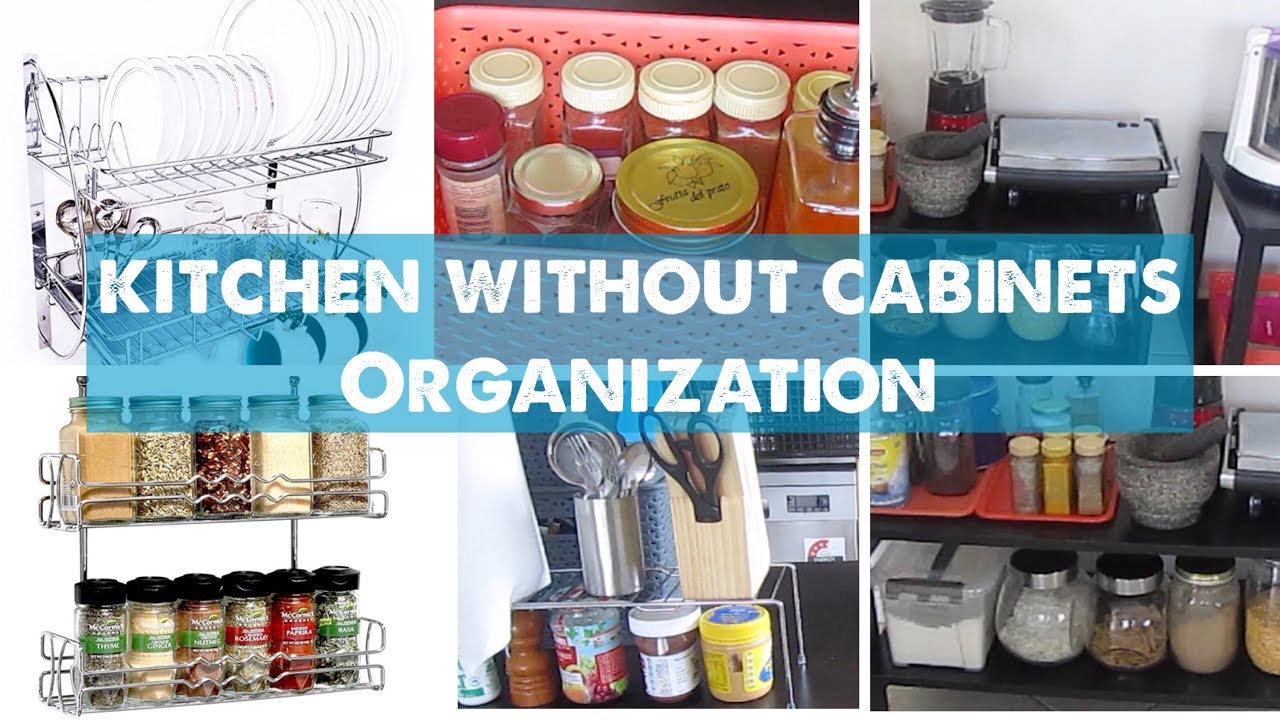
Store lids vertically in a narrow tray or a plate rack. Nest pots to save room and keep pan handles aligned for easy pull-out. Consider hanging the most-used pans on the wall to free cabinet space.
If countertop space is limited, store small appliances in a lower cabinet and slide them out only when needed. This keeps counters clear and cooking easier.

Pantry and food storage hacks
Food takes up a lot of room. To organize a kitchen without a lot of storage, make every pantry inch count.
Adopt uniform, stackable containers to maximize shelf space. Use narrow bins for snacks and canisters for staples like flour, sugar, and grains.
Rotate food using a “first in, first out” rule. Keep a small shelf or basket for open packets and another for long-term items. Freeze bread, herbs, and surplus produce to reduce pantry clutter.
Use the inside of cabinet doors for spice racks or cling-on baskets. This adds storage without changing your layout.

Daily routines and maintenance to keep it tidy
Small kitchens stay livable when you protect them with habits. Organizing a kitchen without a lot of storage is 70% systems and 30% stuff.
Wipe counters and return items after each cook. A quick 5-minute tidy prevents clutter build-up. Empty the sink and load the dishwasher nightly.
Do a mini purge every month. Toss expired food and remove one item you no longer use. These small steps maintain order without big efforts.

My real-life lessons and mistakes
I once tried to cram a full set of rarely used bakeware into a tiny cabinet. The result was a jumbled mess that made baking a chore. I learned to store infrequently used items in a labeled bin in a closet and keep day-to-day tools handy.
Another lesson: cheap mismatched containers kill space. Investing in a few stackable containers saved me room and time. I also learned the power of vertical wall storage from a client who turned her tiny kitchen into a highly functional space using a simple rail system.
If you’re unsure where to start, pick one zone and overhaul it this weekend. Small wins build momentum and make the project less daunting.
Frequently Asked Questions of How to organize a kitchen without a lot of storage
How do I begin to organize a kitchen without a lot of storage?
Start by decluttering and setting priorities. Remove duplicates and keep only the items you use regularly.
What are the best storage solutions for tiny kitchens?
Use vertical shelving, wall rails, and stackable clear containers. These solutions increase usable space without new cabinets.
Can I keep small appliances in a small kitchen?
Yes. Store them in lower cabinets or on a rolling cart and keep only multi-function devices on the counter.
How do I organize food when pantry space is minimal?
Use uniform, stackable containers and a first-in, first-out rotation system. Freeze extras and use door-mounted organizers for small items.
How often should I do a kitchen purge?
Do a quick purge monthly and a deeper declutter every six months. Regular small checks prevent big messes and wasted food.
Conclusion
You can make a functional, calm kitchen even when space is tight. Focus on decluttering, vertical storage, flexible solutions, and simple routines. Small investments and daily habits beat expensive renovations for most people.
Try one change this week: clear a drawer, add a wall rail, or swap mismatched containers for stackable ones. Leave a comment to share your biggest storage challenge or a clever solution you tried.