
Release pressure slowly using the correct method for your cooker: natural release for soups, quick release for quick foods.
I’ve used pressure cookers for years and taught others to cook with them safely. This article explains how to release pressure from a pressure cooker safely, step by step, with clear choices, safety checks, and real-world tips. I’ll walk you through the methods, when to use each one, and common mistakes to avoid so you can cook confidently and safely.

Why safe pressure release matters
Releasing pressure safely prevents burns, steam injuries, and messy boil-overs. Pressure cookers hold high steam and hot liquid under seal. A wrong release can spray hot food and cause severe burns. Knowing how to release pressure from a pressure cooker safely keeps you, your kitchen, and your family protected while preserving your meal's texture and flavor.

Understanding pressure cooker basics
Pressure cookers trap steam to raise boiling temperatures. This speeds cooking and tenderizes food. Modern electric and stovetop models have valves, seals, and locking lids that prevent opening until pressure drops. Learn the basics of your model so you can release pressure correctly and avoid damage or injury.

Methods to release pressure safely
There are three main ways to release pressure. Each has benefits and limits. Choose the one that fits your recipe and cooker.
- Natural release: Let the cooker cool until pressure drops on its own. This takes 10–30 minutes and is gentle on foods like meats and grains. Natural release reduces splatter and keeps liquids in the pot.
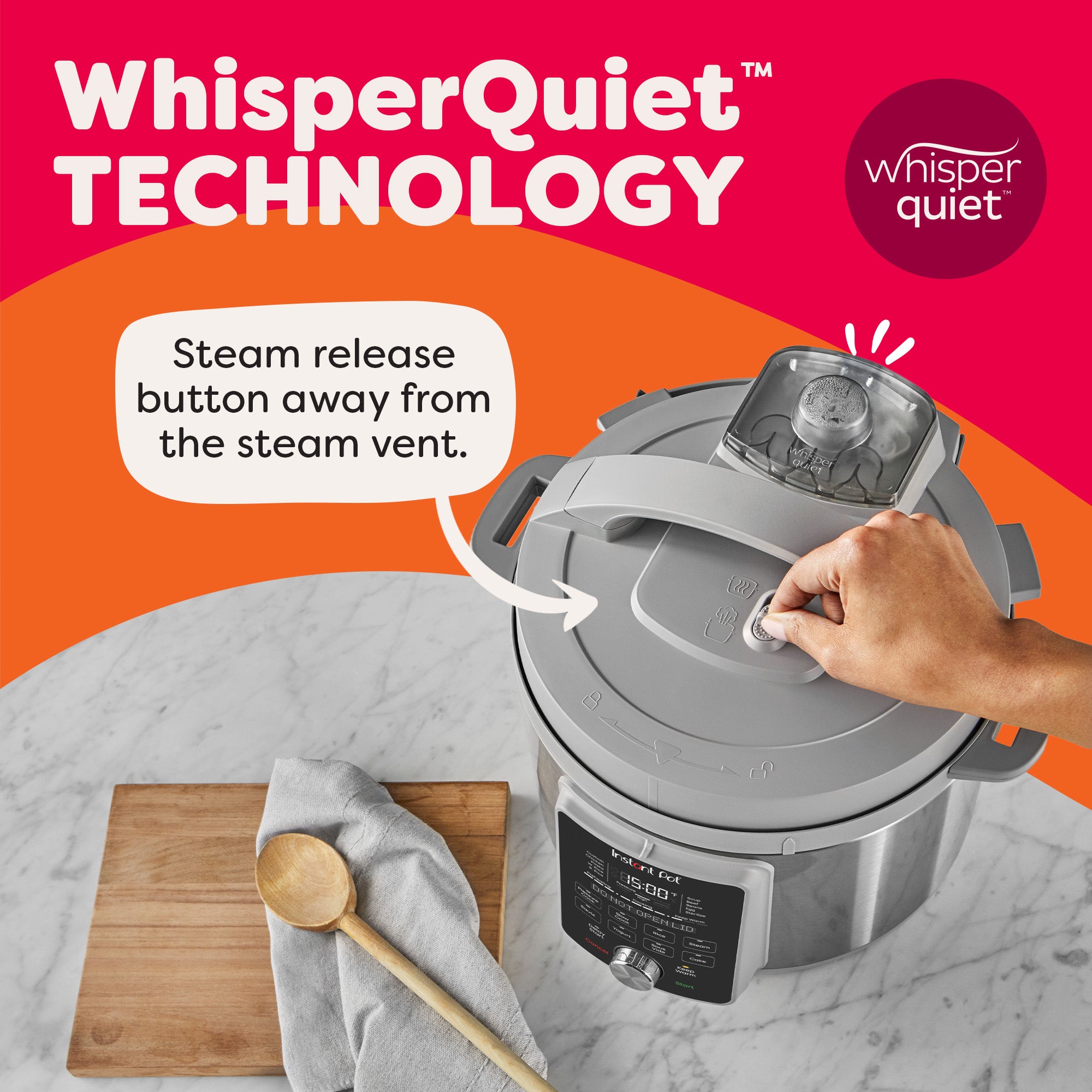
- Quick release: Use the valve or button to vent steam rapidly. This takes seconds to a few minutes and is good for quick-cooking foods or to stop further cooking. Keep hands and face away from the steam outlet.
- Cold-water release (stovetop only): Run cool water over the lid’s exterior (not the valve) to speed depressurization. This is only for specific stovetop designs and must be done carefully to avoid water entering vents.
Step-by-step: how to release pressure from a pressure cooker safely
Follow this concise guide to release pressure safely every time.
- Check the manual. Confirm recommended methods for your model. Different brands behave differently.
- Turn off heat and let initial steam settle. For electric cookers, unplug or switch off. For stovetop, remove from burner.
- Choose a release method based on the recipe. Use natural release for tender cuts and foamy foods; quick release for vegetables and delicate items.
- For quick release, use a long utensil and stand back. Press the valve or turn the knob and keep your face and hands away from the steam path.
- For natural release, wait until the pressure indicator drops. Do not force the lid open. If your model has a float pin, wait until it sinks.
- Remove the lid safely. Turn the lid away from you so any remaining steam escapes away from your face and hands.

Safety checks and pressure indicators
Before you attempt to open a cooker, do these checks.
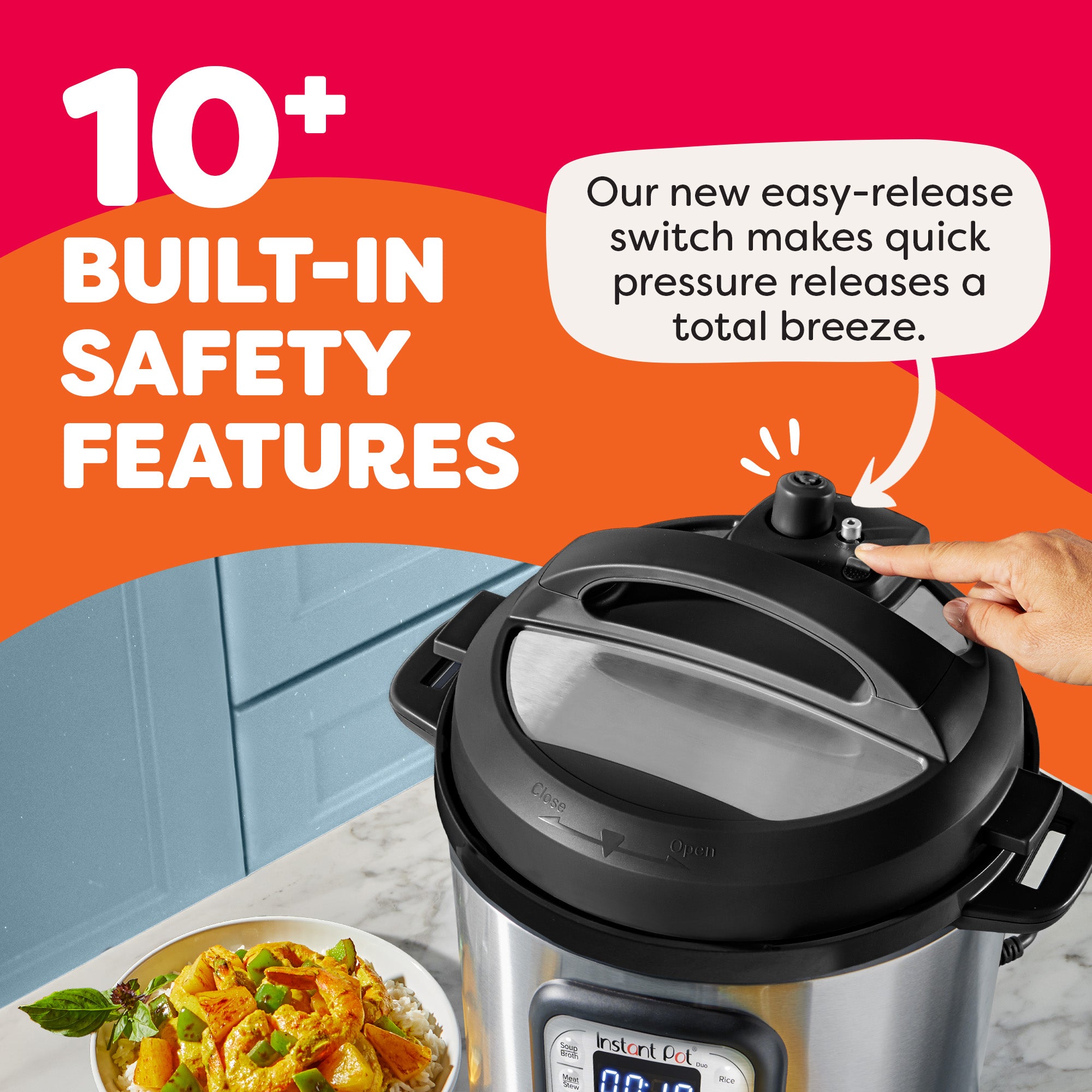
- Pressure indicator: Confirm it shows zero or the float has dropped. This tells you pressure has equalized.
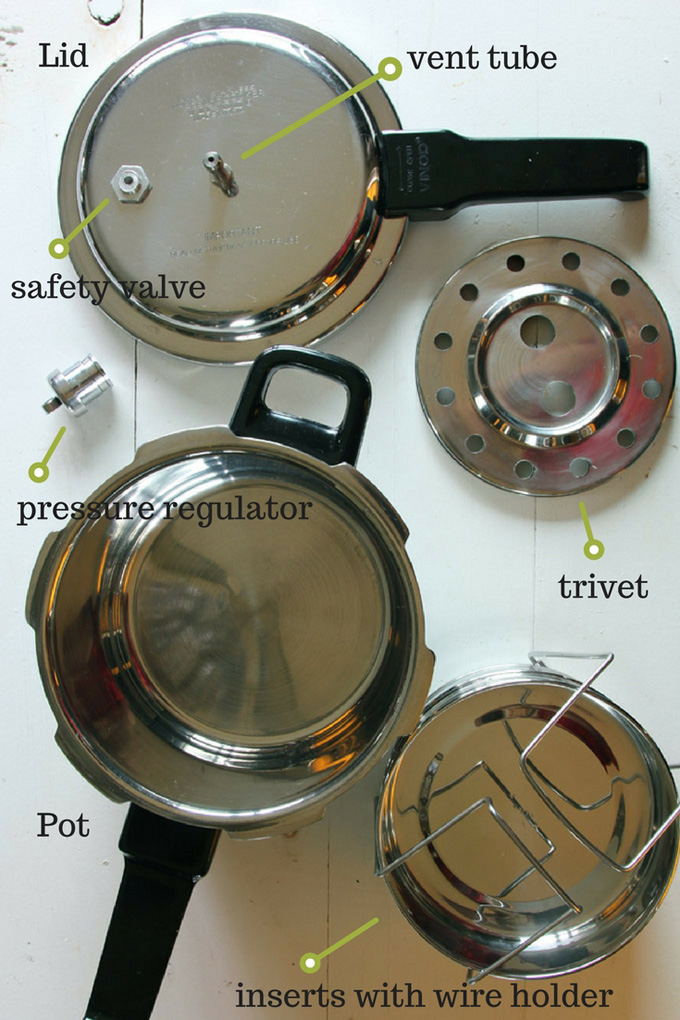
- Steam vents: Ensure vents are clear of food debris. Blocked vents can cause unpredictable pressure.
- Gaskets and seals: Inspect the rubber ring for cracks or wear. A damaged seal can cause sudden steam leaks.
- Lid lock: Most models lock until safe. Never force the lid open if it resists.
Common mistakes and how to avoid them
Avoid these frequent errors to reduce risk.
- Forcing the lid: If the lid won’t open, don’t pry. Check the pressure indicator and wait longer. Forcing it can lead to dangerous steam release.
- Releasing over people: Never quick-release near a person or pet. Steam can cause severe burns.
- Using wrong release for recipe: Foam or starchy foods can clog vents during quick release. Use natural release instead.
- Ignoring maintenance: Old gaskets or clogged valves increase risk. Replace parts as recommended.

When to use each release method: practical examples
Here are real examples to help decide how to release pressure from a pressure cooker safely.
- Stews and large roasts: Use natural release to keep meat juicy and allow collagen to relax.
- Vegetable medleys: Use quick release to prevent overcooking and preserve color.
- Beans and pulses: Use natural release or a mix—partial natural release then quick vent—to avoid foaming that clogs vents.
- Rice and grains: Use natural release for fluffier texture.
Troubleshooting pressure release problems
If pressure won’t drop, try these safe steps.
- Check for a blocked vent. Turn off heat and wait. Use a long brush when cool to clear blockages.
- If the float is stuck, allow more time. Do not force the valve or use tools on hot parts.
- If steam escapes from the lid seam, depressurize naturally, then inspect seals and replace if damaged.
Maintenance and care to ensure safe releases
Regular care makes releasing pressure safer and easier.
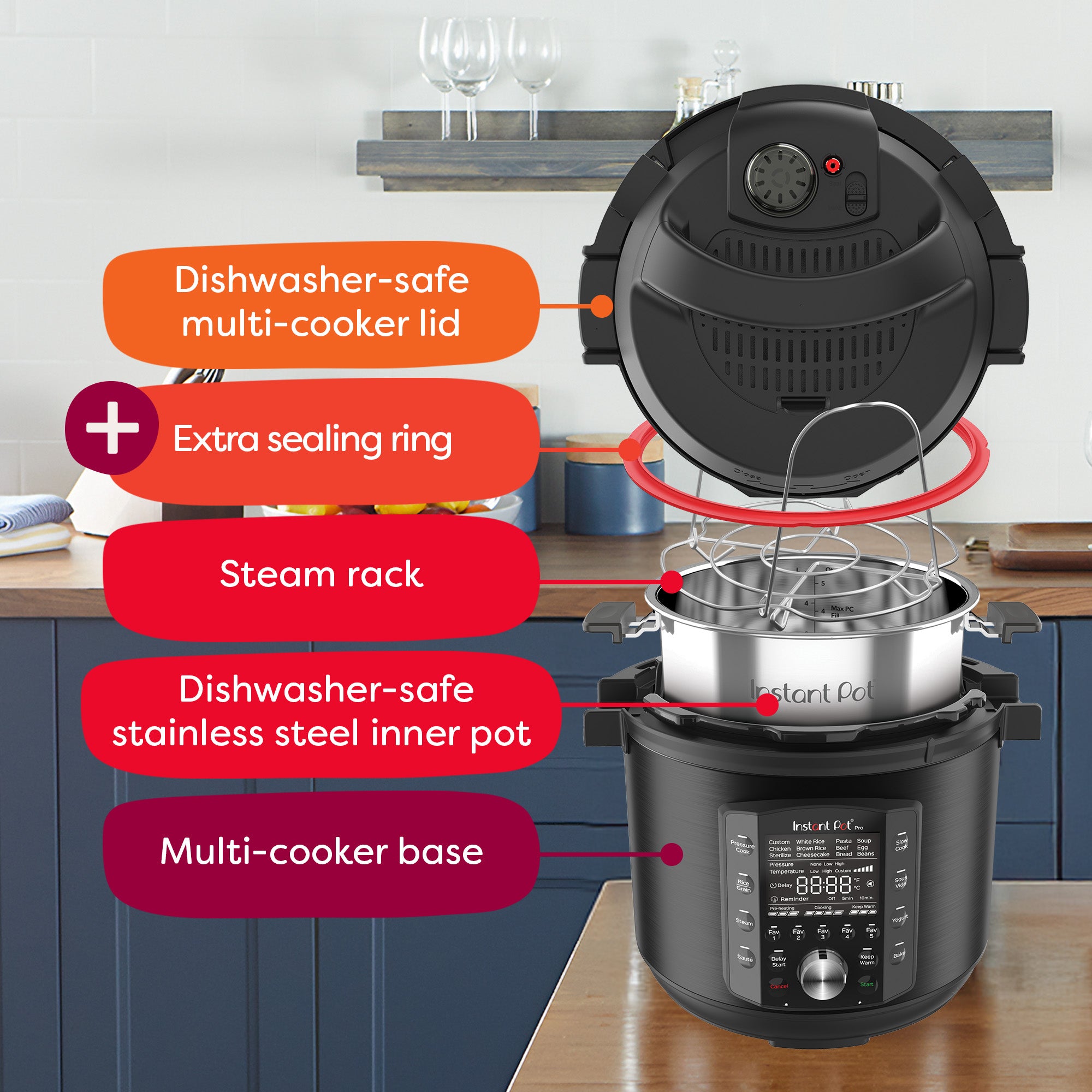
- Clean vents after each use. Food debris is a common cause of bad releases.
- Replace seals annually or when worn. A tight seal keeps pressure predictable.
- Test the pressure indicator occasionally to confirm it moves freely.
- Store the cooker lid upside down to keep gaskets in good shape.
Personal experience and tips
I once rushed a quick release on a foamy chili and had a messy boil-over. After that, I learned to stop the quick release if heavy foam appears and switch to natural release. My practical tips:
- Wear an oven mitt when doing quick release in case of splatter.
- Use a long-handled utensil to engage valves from a safe distance.
- If you cook often, keep spare gaskets and a valve-cleaning brush on hand.
These small habits make releasing pressure from a pressure cooker safely feel natural and routine.
Related concepts and benefits
Understanding related ideas helps you make smart choices.
- Pressure vs. temperature: Higher pressure equals higher cooking temperature, so small timing changes matter.
- Residual heat: Natural release uses residual heat to finish cooking gently.
- Safety tech: Modern cookers add multiple fail-safes, like interlocks and dual valves, to reduce risk.
Benefits of knowing how to release pressure from a pressure cooker safely include fewer accidents, better food texture, and less cleanup from boil-overs.
Frequently Asked Questions of How to release pressure from a pressure cooker safely
What is the safest method to release pressure?
Natural release is the safest because it lets pressure drop gradually and reduces splatter and steam risk.
How long should I wait before opening a pressure cooker?
Wait until the pressure indicator shows zero or the float drops; this can take 10–30 minutes depending on the dish and cooker type.
Can I use quick release for soups and stews?
Avoid quick release for foamy soups and starchy stews because they can spit and clog the vent; natural release is better.
Is it safe to run cold water over an electric pressure cooker?
No. Cold-water release is only for some stovetop models. Never run water over electric models or their electrical parts.
What if the lid won’t open after the pressure drops?
Double-check the pressure indicator and vents. If everything reads zero and it still won’t open, let it cool more; do not force the lid.
Conclusion
Mastering how to release pressure from a pressure cooker safely takes a few simple habits: know your model, choose the right release method, keep vents clear, and never force the lid. These steps protect you and improve your results. Try one new safety habit the next time you cook, and share your experience or questions below—I'd love to hear what works for you.