
Use heat, scraping, baking soda paste, and vinegar steam to lift burnt grease effectively.
I’ve spent years cooking big breakfasts and testing cleaning methods, so I know how stubborn burnt grease can be on an electric griddle. This guide shows clear, safe, and tested steps for how to remove burnt grease from an electric griddle, plus tools, prevention tips, and troubleshooting. Read on to learn practical methods that work, whether the grime is fresh or long baked-on.

Why burnt grease happens and what it does to your griddle
Burnt grease forms when fats reach high heat and polymerize. That creates dark, sticky film and hard flakes that trap heat unevenly and make food stick. Understanding the cause helps you pick the right cleanup method.
Common reasons grease burns on griddles:
- Cooking at very high heat for long stretches.
- Letting oil or food drips remain and carbonize.
- Not wiping and reseasoning after use.
- Using the wrong oils that smoke early and leave residue.
How to remove burnt grease from an electric griddle starts with knowing this: heat and chemistry loosen carbonized fats, and mild abrasives plus acids break them down safely. Treat the surface gently to protect nonstick coatings and heating elements.

Tools and supplies you’ll need
Before you start, gather simple supplies. These tools let you clean effectively without harm.
Essentials:
- Plastic or silicone spatula for scraping.
- Soft scrub pad or non-scratch sponge.
- Baking soda and white vinegar.
- Warm water and mild dish soap.
- Microfiber cloths or paper towels.
- Old toothbrush for tight spots.
- Optional: plastic razor blade for very stubborn spots.
Keep electrical parts dry and follow your griddle manual for specific warnings. Some griddles have removable plates that make cleaning much easier.

Step-by-step: How to remove burnt grease from an electric griddle
Follow these progressive steps. Start with the gentlest method and move to stronger tactics only if needed.
- Cool and unplug
- Turn the griddle off and unplug it. Let it cool until warm but not hot. This prevents burns and protects electrical parts.
- Warm water wipe
- Pour warm water and a bit of dish soap on the surface. Let it sit 5–10 minutes to soften light residue. Wipe with a soft sponge.
- Scrape gently
- Use a plastic or silicone spatula to lift softened grease. Hold the tool at a low angle to avoid gouging. Collect grease on a paper towel and dispose.
- Baking soda paste for stubborn spots
- Make a paste with baking soda and a little water. Apply to burned areas and let sit 10–15 minutes. Scrub with a soft pad in circular motions, then wipe clean.
- Vinegar steam for heavy buildup
- Heat a small amount of water and 1/4 cup vinegar on the griddle until it steams (not roiling). Turn off power, let steam loosen the residue, then wipe with a sponge. This helps remove sticky, burned-on grease.
- Use a plastic razor blade for hardened carbon
- For thin carbon layers that won’t budge, carefully use a plastic razor blade at a low angle. Do not use metal scrapers on nonstick surfaces.
- Final clean and reseason
* Wash with warm soapy water, rinse, and dry thoroughly. If your griddle is cast iron or bare steel, apply a light layer of oil and heat briefly to reseason.
I’ve used these steps many times on electric griddles after busy brunch shifts. They remove buildup fast if you work from gentle to stronger methods.

Quick method variations for different griddle types
Electric griddle surfaces differ. Match the method to your model.
For nonstick surfaces:
- Avoid metal tools and harsh scrubs. Use baking soda paste and vinegar steam only.
For stainless steel or cast iron plates:
- You can be more aggressive. A plastic razor or firm scrubbing is OK. Reseason cast iron after cleaning.
For removable plates:
- Remove plates and soak in warm, soapy water, then use paste and scrubs as needed.
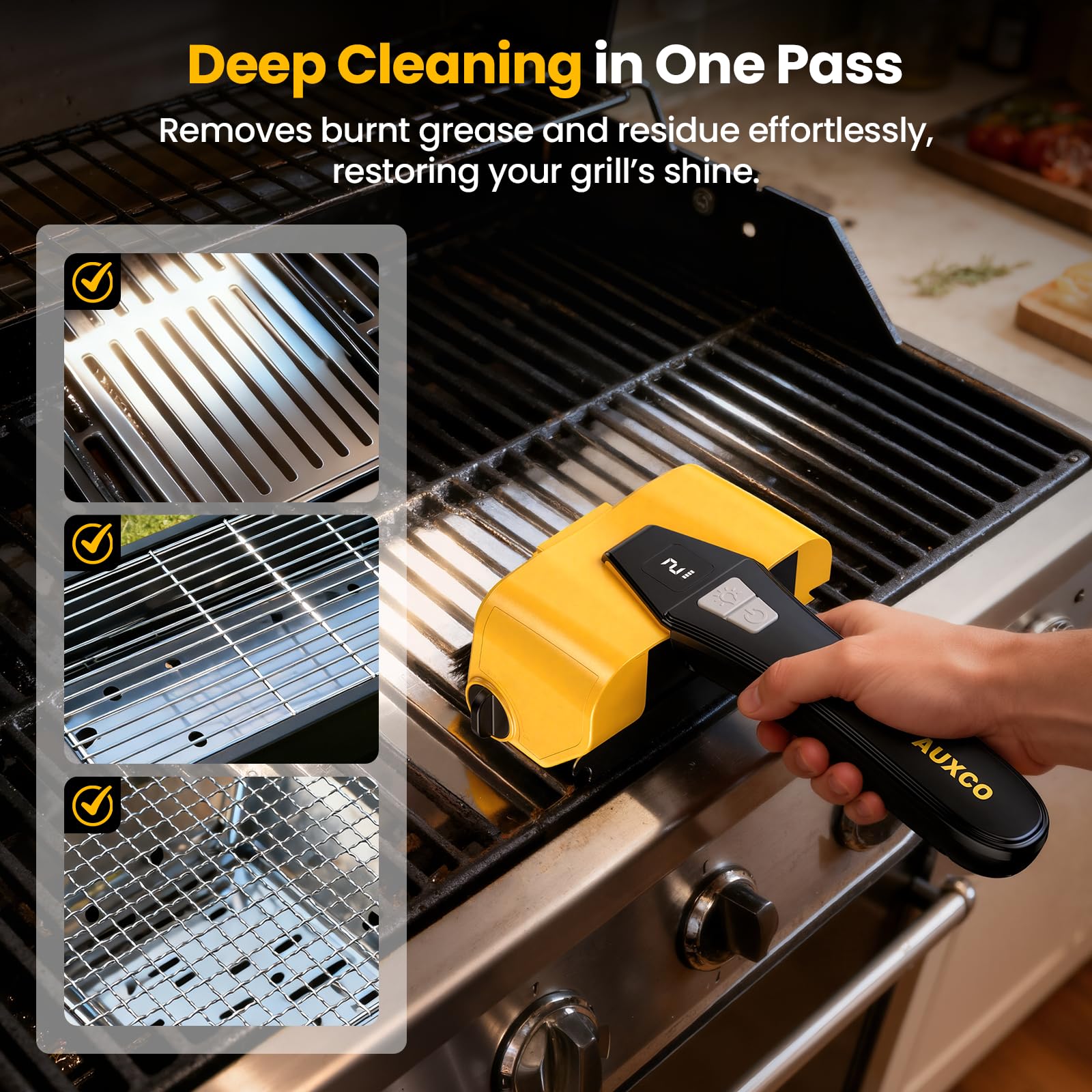
Deep cleaning for very stubborn burnt grease
If grease is old and thick, use a focused deep clean.
Deep clean steps:
- Heat and soak: Warm the plate, then pour on a cup of very hot water with a few tablespoons of dish soap. Let sit 15–20 minutes.
- Scrape and repeat: Scrape softened layers, change water, and repeat until most residue is gone.
- Baking soda strip: Sprinkle baking soda directly, add a little vinegar, let fizz, then scrub gently.
- Degreasing solvent: For industrial-level buildup, use a food-safe degreaser per label instructions. Rinse thoroughly.
Note the risks: strong chemicals can harm coatings or leave residues. Test a small area or follow the manufacturer’s guide before using solvents.

Maintenance and prevention tips to avoid future burnt grease
Cleaning is easier when you prevent buildup. Small habits save time.
Daily habits:
- Wipe grease after each use while the griddle is warm, not hot.
- Use a thin film of cooking oil to season the surface after cleaning.
- Trim excess fat from foods before cooking.
Weekly or monthly:
- Do a deeper clean using baking soda paste.
- Inspect edges and corners for trapped residue.
Cooking tips:
- Use oils with appropriate smoke points for your heat level.
- Use moderate heat whenever possible to reduce burning.
These habits reduce how often you need to do heavy scrubbing and keep your griddle working well.

Safety tips when cleaning an electric griddle
Safety protects you and your appliance.
Key safety rules:
- Always unplug the griddle before major cleaning.
- Never immerse a non-removable electric base in water.
- Avoid metal tools on nonstick surfaces to prevent damage.
- Ventilate the area if you use vinegar steam or a degreaser.
- Wear gloves if you use strong cleaners or if your hands are sensitive.
Follow the manufacturer’s manual for model-specific warnings. If unsure, contact customer support rather than risking damage.

Troubleshooting common problems
If one method doesn't work, try another. Here are quick fixes.
Problem: Burnt spots won’t budge
- Try vinegar steam, then baking soda paste, then a plastic razor blade. Repeat as needed.
Problem: Surface looks dull after cleaning
- Reapply a light oil and heat briefly to restore shine on metal griddles.
Problem: Strong odor after cleaning
- Rinse thoroughly and run the griddle empty at low heat for a few minutes to burn off residue.
Problem: Nonstick coating peeling
- Stop using abrasive methods. If coating is compromised, replace the plate or unit for safety.

Personal experience, mistakes to avoid, and lessons learned
From my years cooking and cleaning, a few lessons stand out.
What I learned:
- Waiting until the griddle is cold makes cleaning harder. Warm, not hot, is best.
- Over-scrubbing with metal tools ruined a nonstick plate once, and I replaced it. Use plastic tools.
- A small daily wipe prevents hours of work later. I switched to this routine and saved time.
- Vinegar steam is a gentle miracle for sticky grease when used carefully.
Mistakes to avoid:
- Soaking a plugged-in unit or letting water touch electrical parts.
- Using oven cleaner or harsh acids on coatings.
- Skipping reseasoning on bare metal griddles.
These tips come from real kitchen wear and the fixes that saved time and money.
Frequently Asked Questions of How to remove burnt grease from an electric griddle
How long should I wait after cooking to start cleaning?
Wait until the griddle is warm but not hot—usually 10–20 minutes—so you don’t burn yourself but grease remains soft.
Can I use vinegar and baking soda together on my griddle?
Yes. Vinegar helps loosen grease and baking soda provides mild abrasion; use them in sequence or as a paste for best results.
Is it safe to use a metal spatula to scrape burnt grease?
Avoid metal on nonstick surfaces. On stainless or cast iron, you can use firmer tools, but plastic tools reduce risk of scratching.
How often should I deep clean my griddle?
Deep clean every 1–3 months depending on usage. Light daily wipes prevent the need for frequent deep cleans.
What if my griddle still smells after cleaning?
Rinse well, wipe with a diluted vinegar solution, then heat briefly to burn off lingering odor. Repeat if needed.
Can I use dishwashing detergent in the griddle’s water?
Yes, mild dish soap mixed with warm water is safe and effective for most griddles. Avoid harsh degreasers unless labeled for cookware.
Conclusion
Removing burnt grease from an electric griddle is simple when you follow a steady plan: warm the surface, scrape gently, use baking soda and vinegar for stubborn spots, and protect the finish. Small daily habits prevent big cleanups and extend your griddle’s life. Try these steps the next time your griddle builds up; you’ll save time and cook better food.
Take action now: pick one cleaning tip from this article and use it after your next cook. If this helped, leave a comment or share your own cleaning trick—I'd love to hear what works for you.