
Clean, dry, cool, and stored upright in a ventilated spot with the cord detached.
I’ve stored and tested dozens of countertop appliances, so I know what keeps them working and safe. This guide explains how to store an electric griddle safely with step-by-step prep, storage options, maintenance tips, and common mistakes to avoid. Read on to learn practical, tested methods that protect your griddle, preserve nonstick coatings, and keep your kitchen hazard-free.
:max_bytes(150000):strip_icc()/alr-tier-3-primary-best-electric-griddles-ebrockob-001-2c327f4371b144bf89aae7d09776d2f0.jpeg)
Why proper storage matters
Proper storage prevents damage, rust, and electrical hazards. A well-stored griddle stays ready for use and lasts longer.
Knowing how to store an electric griddle safely reduces repair costs and avoids small fires caused by damaged cords or greasy buildup. Small habits now save time and money later.
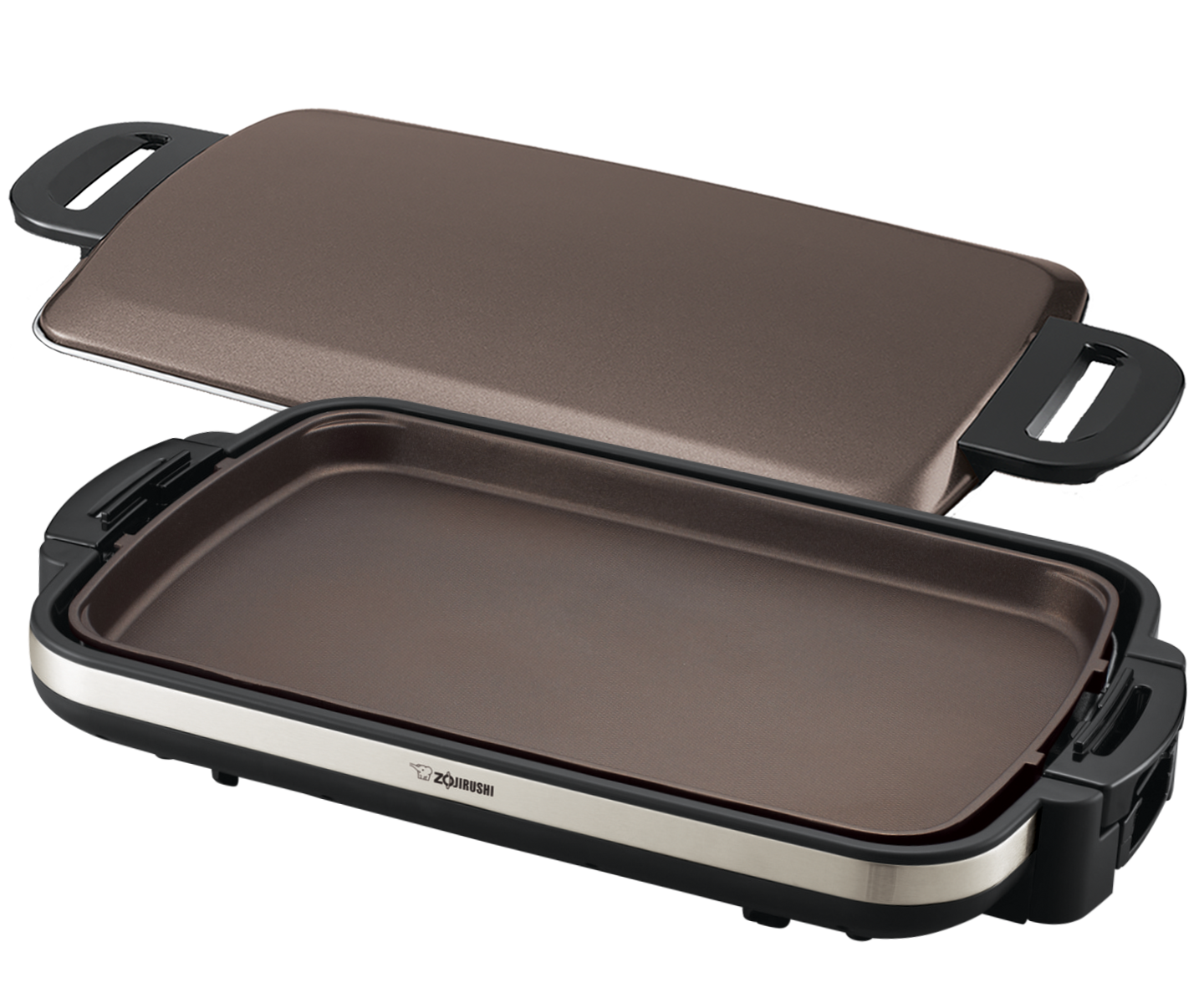
Preparing your griddle for storage
Clean well before storing. Unplug and let the griddle cool fully. Wipe away food, oil, and crumbs with a soft cloth or sponge and mild dish soap. Rinse and dry thoroughly to stop rust and mold.
Remove detachable parts. Take off thermostat probes, drip trays, and splash guards. Pack small parts together so they don’t get lost.
Treat the cooking surface correctly. For nonstick plates, avoid abrasive scrubs. For cast-iron plates, dry completely and apply a thin layer of cooking oil to prevent rust.
Wrap and protect the cord. Coil the cord loosely. Avoid tight loops. Store the cord in a cloth bag or secure it with a Velcro strap to prevent kinks.
When preparing, always think: how to store an electric griddle safely so the next cook finds it ready.

Storage methods and options
Choose the right spot. Store on a high shelf, in a dedicated cabinet, or in its original box. Avoid damp basements and hot attics. Stable room temperature is best.
Store upright if possible. Upright storage saves shelf space and keeps the cooking surface from bearing weight. Many griddles are designed to stand on their side.
Use protective covers. A breathable cloth cover or a fitted bag keeps dust off without trapping moisture. Do not use plastic wraps that seal in humidity.
Wall or pegboard mounting. If your kitchen allows, mount hooks for the griddle (if it has mounting points) or hang a bag with plates and cords. Ensure the mount is secure and away from heat sources.
Original packaging. The box and packing foam provide the best protection. Label the box with contents and the date of storage so you can find it quickly.
When choosing a method, remember: how to store an electric griddle safely starts with location and protection from moisture and pressure.
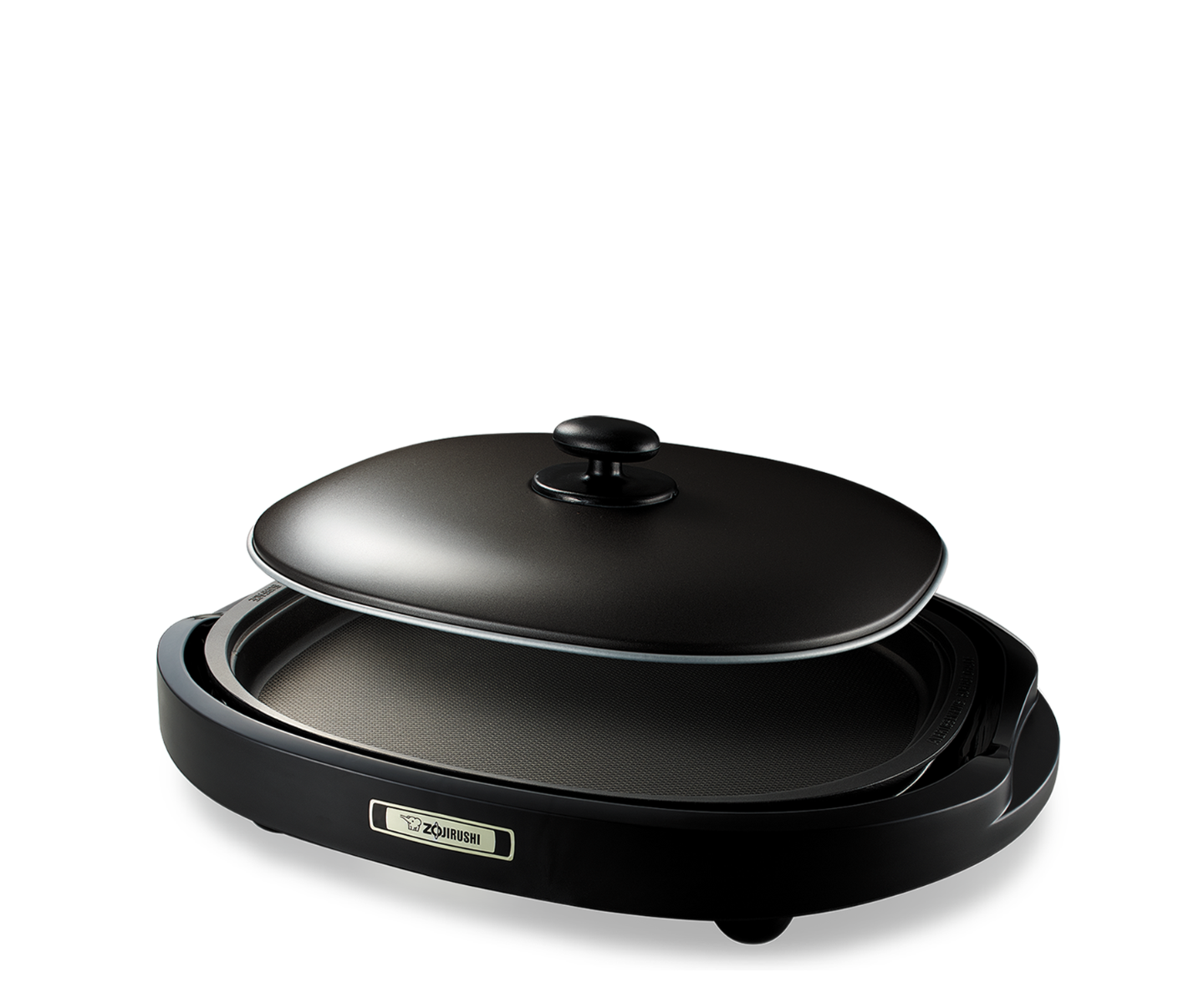
Safety tips and precautions
Always unplug first. Never store the griddle while it’s still plugged in or warm. Heat and stored flammable residues are risky.
Keep away from flammable materials. Do not stack towels, paper, or boxes on top. Heavy items can warp plates and damage elements.
Inspect cords and plugs before storing. If you see bare wires or frayed insulation, repair or replace the cord before use. Damaged wiring greatly raises fire risk.
Label anything with cleaning dates. Note when you last seasoned or oiled a cast-iron plate. This helps avoid forgotten maintenance that can cause failures.
When storing in shared spaces, place the griddle where it won’t tip or be knocked. Think through normal traffic patterns in your kitchen or garage. Safety is a habit.

Cleaning and maintenance schedule
Daily or after each use
- Wipe down surface with a soft cloth and mild detergent.
- Empty and clean drip trays.
- Unplug and cool before cleaning.
Weekly or monthly (based on use)
- Deep clean plates with a non-abrasive scrubber and warm water.
- Check screws, knobs, and handles for tightness.
- Test the thermostat and base for any unusual sounds or smells.
Seasoning and rust prevention
- For cast-iron plates: dry thoroughly then apply a thin coat of neutral oil. Heat briefly to set the oil.
- For nonstick: avoid oil buildup; a light wipe is enough. Too much oil can gum up the surface.
Record maintenance in a small log. I keep a sticky note on my griddle’s box with cleaning dates. It has helped me spot slow wear before it became a problem. Regular checks are part of knowing how to store an electric griddle safely.

Troubleshooting and common mistakes
Storing while damp
- Problem: Rust or mold.
- Fix: Deep clean, dry, and apply a light oil to metal parts. Store in a drier place.
Storing with cord wrapped too tightly
- Problem: Frayed wires and broken insulation.
- Fix: Replace bent cord and adopt loose coiling. Use cable ties or a bag.
Stacking heavy items on the plate
- Problem: Warped or cracked cooking surface.
- Fix: Replace damaged plates if available. Avoid stacking in the future and store upright.
Forgetting removable parts
- Problem: Lost thermostats, knobs, or trays.
- Fix: Keep a small parts bag attached inside the box or cabinet. Label everything.
These problems taught me to slow down and check twice. Small precautions stop big headaches.
Frequently Asked Questions of How to store an electric griddle safely
How long should I wait to store my griddle after use?
Wait until the griddle is completely cool. This usually takes 30 to 60 minutes depending on size. Storing warm traps heat and moisture.
Can I store a griddle in the garage or basement?
Only if the space is dry and temperature stable. Avoid damp basements and uninsulated garages that get very cold or hot. Humidity causes rust.
Should I oil a nonstick griddle before storing?
No. Nonstick surfaces do not need oiling and excess oil can gum up the surface. Wipe clean and store dry.
How do I store the cord to prevent damage?
Coil the cord loosely and secure with a Velcro strap. Place it in a cloth bag or dedicated compartment to prevent kinks.
Can I stack other appliances on top of a griddle?
No. Do not stack heavy items on the cooking surface. Store upright or use shelf space to avoid pressure on the plate.
Conclusion
Storing an electric griddle safely means cleaning it, drying it, protecting it from moisture and pressure, and choosing a stable, ventilated spot. Follow simple habits: unplug, cool, remove parts, and store upright when possible. Small rituals protect performance and keep your kitchen safe.
Take one action today: clean and inspect your griddle, then choose a proper spot to store it. Share your tips or questions below, or subscribe for more appliance care guides.