
I have used toaster ovens daily for years in small kitchens and test kitchens. I know how powerful and handy they are. I also know how a small mistake can start a fire or ruin a meal. This guide explains how to use toaster oven safely. You will get clear steps, real tips I learned the hard way, and easy checks you can do before every use. Read on to cook smarter, avoid hazards, and make your toaster oven a safe, reliable tool.
:strip_icc()/how-to-use-a-toaster-oven-1365458839-08b398e862dc4cf09a11287e807a45da.jpg)
Why toaster oven safety matters
Toaster ovens are small but they run very hot. They sit on countertops near other items. That close contact raises the risk of fires and burns. Many accidents happen during placement, cleaning, or when using the wrong cookware.
Keeping safety top of mind extends the life of your oven. It also keeps your kitchen and family safe. A few habits prevent most accidents. I will show you exactly what to do before, during, and after use.
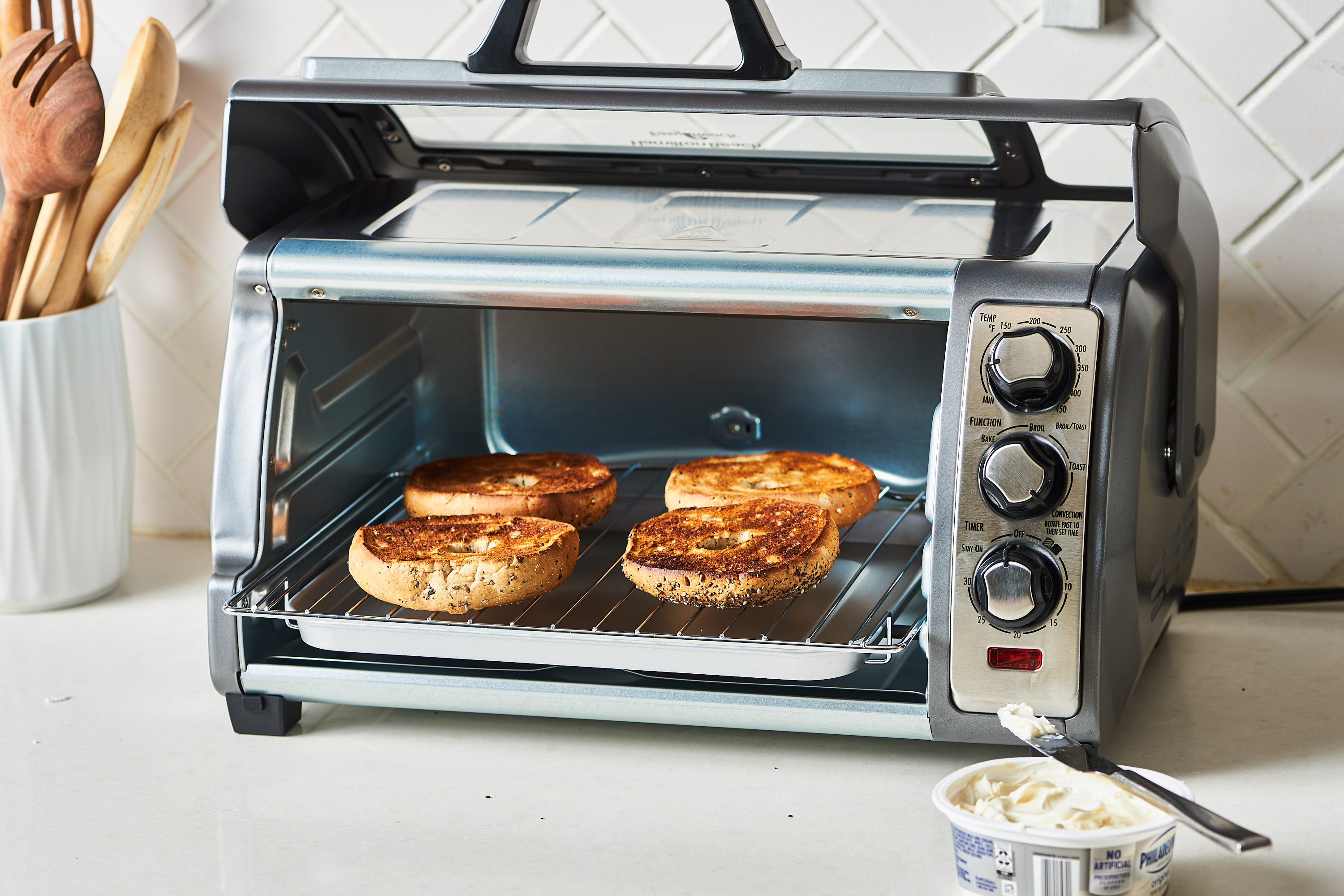
Know your toaster oven: parts and safety features
Every model is different. Read the manual before cooking. Manuals tell you the maximum temperature, rack positions, and parts that can be removed for cleaning.
Key parts to learn:
- Oven door and latch — open slowly to avoid steam burns.
- Heating elements — visible coils that get very hot. Keep them clear.
- Crumb tray — collects debris. Clean it regularly.
- Racks and pans — only use items that fit well and sit stable.
- Safety features — automatic shutoff, cool-touch handles, or tilt sensors if your model has them.
If your toaster oven has digital timers or presets, learn how they work. Misused timers lead to undercooked food or overheating.
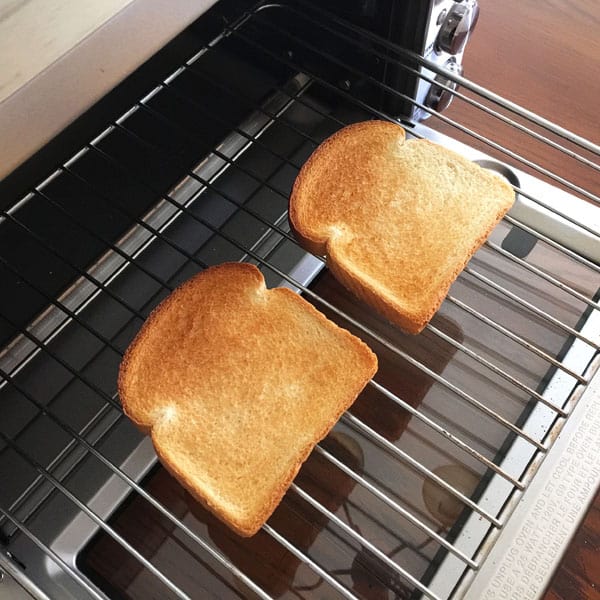
Before you start: placement and setup
Place your toaster oven on a flat, heat-resistant surface. Leave at least 4 inches of space on the top and both sides for proper airflow. Keep it away from curtains, paper towels, or wooden cabinets that can catch heat.
Plug the oven directly into a wall outlet. Avoid extension cords. If you must use one, choose a heavy-duty cord rated for high wattage. Do not share the outlet with a space heater or other high-draw appliance.
Check the plug and cord before each use. Look for frayed wires, scorch marks, or loose prongs. If you see damage, stop using the appliance and have it repaired or replaced.
:max_bytes(150000):strip_icc()/alr-black-decker-4-slice-toaster-oven-aimee-broussard-5-0ce92f2dbcbf421a86f697c135dea964.jpeg)
Safe cooking practices
Follow these steps every time you cook.
Cooking checklist:
- Preheat only when needed — some recipes work without preheating, which saves time and energy.
- Use oven-safe cookware — glass or metal pans labeled oven-safe work best. Do not use plastic, paper, or non-oven-safe containers.
- Keep food centered — this prevents hot spots near the elements.
- Don’t overcrowd — air needs to circulate for even cooking.
- Use the correct rack position — follow your manual for best results.
- Monitor cooking — check food through the window. Open the door only when needed.
- Use oven mitts — handles and trays get hot fast.
- Set timers — never leave a toaster oven running unattended for long times.
- Avoid deep-frying — hot oil can splatter and start a fire.
Personal tip: I always place a small timer and my phone beside the oven. That double reminder saved me from many overcooked dinners.
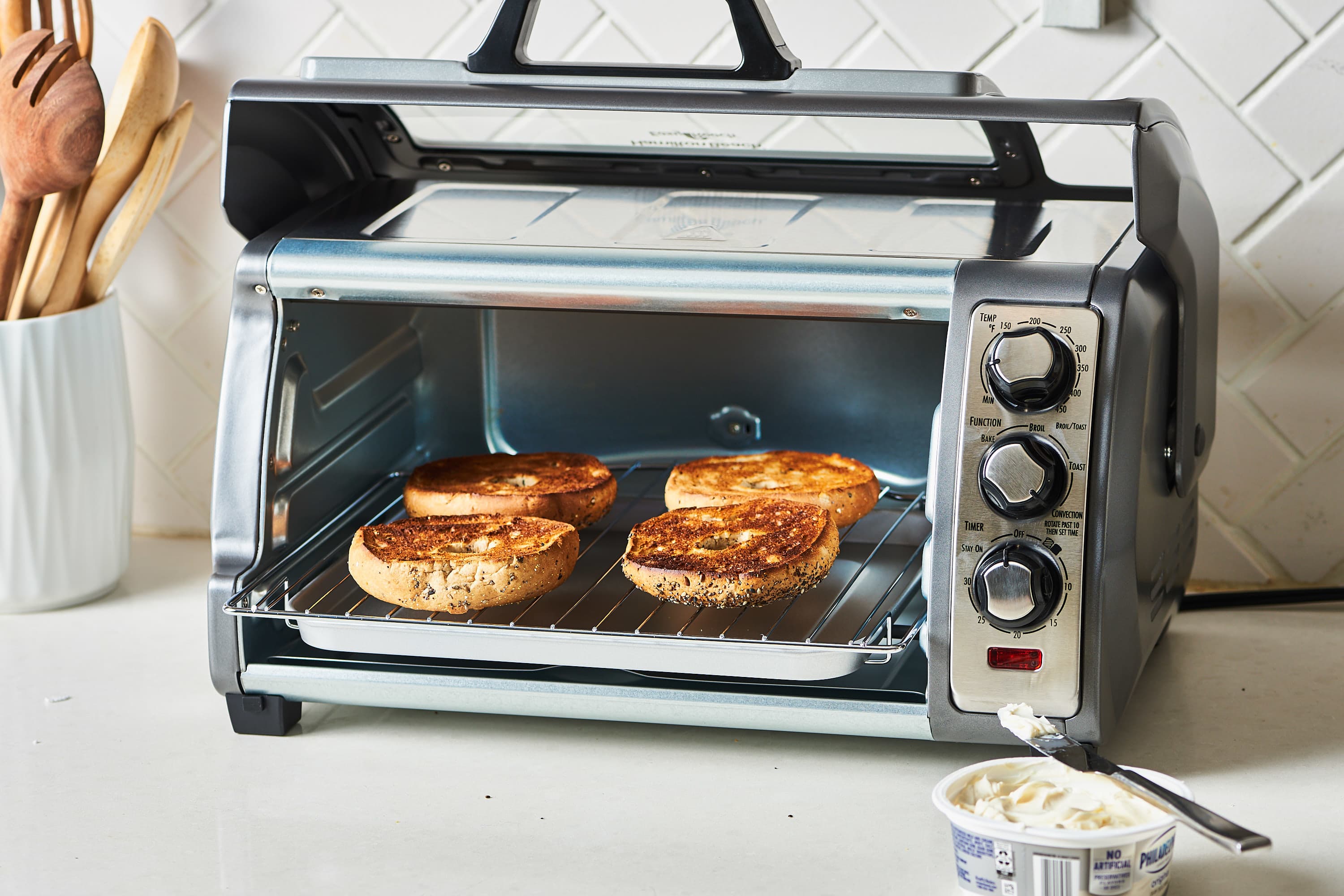
Cleaning and maintenance
Regular cleaning improves safety and performance. Grease and crumbs can ignite if left to build up.
Daily and weekly care:
- Empty the crumb tray after each use to reduce fire risk.
- Wipe the interior with a damp cloth when cool. Use mild detergent for stuck-on food.
- Clean racks and trays separately in warm, soapy water.
- Avoid spraying cleaners directly onto heating elements.
- Check door seals and hinges. Replace parts that don’t close properly.
Monthly checks:
- Inspect the power cord for wear.
- Look inside for signs of smoke, charring, or melted plastic.
- Test safety features like auto-shutoff if your manual explains how.
If you spot rust or broken parts, stop using the oven until repaired. Small savings on a replacement can cost far more than a new unit if a house fire starts.

Troubleshooting and when to call a professional
Most problems are simple to fix. Some need a technician.
Common issues and fixes:
- Uneven heating — rotate the food halfway through cooking. Check rack position and avoid overcrowding.
- Burning smell — clean crumbs and grease. Run the empty oven at low heat for a few minutes after cleaning to remove odors.
- Oven won’t turn on — confirm the outlet works by plugging in another device. Check the cord and fuse.
- Door won’t close — inspect for warped racks or leftover pans blocking the seal.
When to call a professional:
- Smoke or sparking from inside the oven that doesn’t stop after shutoff.
- Visible wire damage or melted insulation.
- Electrical tripping every time you plug it in.
- Internal components like elements or switches fail repeatedly.
Safety note: Unplug the unit before attempting any internal inspection. If you are unsure, seek a qualified appliance repair technician.

Frequently Asked Questions of How to use toaster oven safely
How close can a toaster oven be to the wall or cabinet?
Place it with at least 4 inches of clearance on both sides and above. Some manufacturers recommend more space. Check your manual for exact distance. Proper space allows heat to escape and prevents heat build-up.
Can I use metal pans or aluminum foil in a toaster oven?
Yes, if the pans are oven-safe and fit without touching the heating elements. Use foil only on racks or trays and never let it touch the elements. Secure foil so it does not block airflow or fall into the heating coils.
Is it safe to leave a toaster oven on while I leave the house?
No. Avoid leaving any cooking appliance unattended for long periods. If you must leave briefly, set a timer and return before the cooking ends. Never leave it running overnight while you sleep.
How do I clean a toaster oven without damaging it?
Unplug and let it cool first. Remove trays and racks and wash with warm, soapy water. Wipe the interior with a damp cloth and mild detergent. Avoid harsh chemicals and do not spray cleaners on heating elements.
What should I do if my toaster oven smokes or sparks?
Immediately turn it off and unplug it if it is safe. If the smoke is from food, keep the door closed to smother flames and ventilate once cool. If you see sparks from wiring or elements, stop use and call a technician.
Can I use a toaster oven for baking the same as a full-size oven?
Yes, for many recipes. Toaster ovens heat faster and may brown sooner. Use lower temperatures or shorter cook times and check food more often. Adjust rack position as needed for best results.
How often should I replace my toaster oven?
Replace it when safety features fail, when wiring or elements are damaged, or if it shows signs of regular smoke or burning. A well-kept toaster oven can last many years. Prioritize safety over saving a bit of money.
Conclusion
Using a toaster oven safely is mostly about habits. Place it right. Use the right cookware. Clean it often. Watch your food while it cooks. These small steps prevent most accidents and keep your meals tasting great.
Try one change today: inspect your crumb tray and power cord. Make cleaning a quick routine. That small action will reduce fire risk and save you worry.
Share your toaster oven tips or questions in the comments. If you found this helpful, subscribe for more kitchen safety guides.
Watch This Video on How to use toaster oven safely