
Oil-free cooking makes crisp, flavorful meals with less added fat and simpler kitchen cleanup.
After a long day, it is easy to reach for a skillet and pour in more oil than you planned. Food may taste good, but the pan feels greasy and the meal can feel heavy. Oil-free cooking solves that problem with air frying, water sautéing, broth, parchment, and flavorful sauces. The products below help make this style easier, whether you want simple plant-based recipes, quick air-fried meals, or better control over the oils you use.
PlantYou Oil-Free Recipe Book
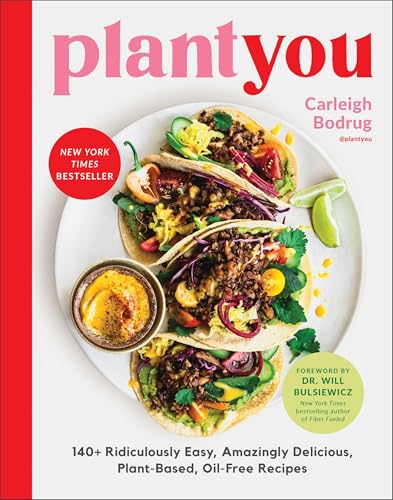
PlantYou is a bright, friendly cookbook for anyone who wants oil-free cooking to feel easy rather than strict. It includes more than 140 plant-based recipes, with a focus on simple ingredients and bold flavor. The recipes cover meals, sides, sauces, and snacks, so I would not treat this as a book for only one type of dish. Its biggest strength is the relaxed tone, which makes a low-fat kitchen feel less like a rule book.
I like this book for cooks who need ideas more than advanced technique. Many recipes can fit a busy weekday, and the plant-based format makes it useful for vegans and curious beginners alike. Since oil-free recipes can sometimes taste flat, sauces, spices, and texture play an important role here. The book helps show how roasted vegetables, beans, grains, herbs, and creamy plant sauces can carry a meal.
Pros:
- More than 140 oil-free plant-based recipes
- Friendly layout for beginners
- Useful meal, sauce, and snack ideas
- Encourages flavor from herbs and spices
- Good choice for vegan households
- Helps reduce dependence on added cooking fat
Cons:
- Some recipes need several fresh ingredients
- Not every recipe suits a high-protein diet
- Readers who prefer meat-based meals may find the scope narrow
Algae Cooking Club Neutral Algae Oil

This algae oil is not technically an oil-free cooking product. Instead, it is aimed at shoppers who want to avoid seed oils while still using a cooking oil. The product lists a 535°F smoke point and a neutral, slightly buttery flavor. That combination may appeal to people who want one bottle for roasting, sautéing, baking, and searing.
I see it as a transition product for cooks moving toward less processed meals but not ready to remove oil completely. Its neutral taste should work well when you do not want oil to change the flavor of vegetables or fish. The high smoke point gives you more flexibility, although smoke point alone does not make a meal healthier. For true oil-free cooking, use it sparingly or replace it with water, broth, parchment, or a nonstick pan.
Pros:
- High listed smoke point for many cooking tasks
- Neutral flavor suits a wide range of foods
- Seed-oil-free option for some eating plans
- Useful for roasting and high-heat searing
- Small 16-ounce bottle is easy to store
- Works as a gradual step away from common cooking oils
Cons:
- It is not an oil-free product
- May cost more than standard cooking oils
- People with algae-related sensitivities should review the label
Make Your Own Oil-Free Recipe Book

Make Your Own focuses on minimally processed, oil-free, wheat-free, sugar-free, plant-based food. That clear focus makes it attractive to readers who follow several food rules at once. The book offers more than 120 recipes, so it can support repeat use instead of serving as a one-week experiment. I especially like the idea of using it to build a dependable pantry and a simple weekly menu.
Oil-free cooking often becomes easier when recipes give a clear replacement for oil. This style of book can help with that by using moisture, fruit, vegetables, beans, nuts, seeds, spices, and blended sauces for taste and texture. It may suit people who want a clean starting point without relying on packaged substitutes. Still, “sugar-free” and “wheat-free” recipes may require extra shopping for specialty ingredients.
Pros:
- More than 120 plant-based recipes
- Designed around oil-free cooking
- Also avoids wheat and added sugar
- Helpful for cooks following several food preferences
- Encourages minimally processed ingredients
- Can support weekly meal planning
Cons:
- Recipes may not suit people who eat animal products often
- Some ingredients may be less common in small stores
- Readers may need to adjust portions for large families
Algae Cooking Club Two-Bottle Set

The two-bottle Algae Cooking Club set offers the same general style as the single bottle, but with more supply for regular home cooking. It is made for people who want a high-heat oil with a mild taste and no seed oil. The listed 535°F smoke point gives it broad kitchen use, from pan searing to baking. The larger quantity may be more practical for families or cooks who prepare meals often.
This set belongs in a seed-oil-free kitchen, not a strict oil-free kitchen. That difference matters because oil remains calorie dense, even when the source changes. I would use a small amount for browning, then finish with herbs, lemon, vinegar, or a sauce. The twin pack is convenient, but its value depends on how often you use oil and how well the bottles are stored away from heat and light.
Pros:
- Two bottles provide a useful cooking supply
- High listed smoke point
- Mild flavor does not overpower most foods
- Suitable for roasting, frying, and baking
- Seed-oil-free choice for specific diets
- Practical for households that cook daily
Cons:
- Not suitable for strict oil-free cooking
- Two bottles need proper storage space
- Higher upfront cost than buying one bottle
OSTBA 4.5-Quart Air Fryer

The OSTBA 4.5-quart air fryer is the most direct appliance choice for oil-free cooking in this group. It uses circulating hot air to brown food without deep-frying it in a pot of oil. The LED touch screen, six presets, adjustable temperature, and timer make it approachable for new users. Its compact family size should fit smaller kitchens, apartments, and everyday meal routines.
I would use this air fryer for potatoes, vegetables, tofu, chicken pieces, fish, and reheated leftovers. A light spray may improve browning for some foods, but many items cook well without added oil when the basket is not crowded. The dishwasher-safe basket can reduce cleanup, which is a major benefit after a busy meal. As with any air fryer, food cooks best when you shake or turn it at the right time.
Pros:
- Supports fast oil-free cooking
- 4.5-quart size fits many small households
- Six presets simplify daily use
- Adjustable temperature and timer add control
- Nonstick basket helps release food
- Dishwasher-safe parts make cleanup easier
- Compact design suits limited counter space
Cons:
- Basket size may feel small for large families
- Presets may need adjustment for different food sizes
- Nonstick surfaces require careful utensil use
MARK’S Avocado Oil Potato Chips

MARK’S kettle-cooked avocado oil potato chips offer a convenient snack for shoppers avoiding seed oils. They are labeled gluten-free, non-GMO, and sea-salt flavored, with three 5-ounce bags in the pack. The kettle-cooked texture should appeal to people who like a firm crunch. This is a snack product, so it does not support strict oil-free cooking, but it can fit a less restrictive clean-eating plan.
I would not confuse avocado oil with a fat-free food. The chips still contain oil, potatoes, and salt, so portion size remains important. Their main advantage is convenience when you want a simple snack with a short, familiar flavor profile. For people who avoid seed oils but still enjoy an occasional crunchy treat, this pack may be a useful pantry option.
Pros:
- Uses avocado oil instead of seed oils
- Gluten-free labeling suits some restricted diets
- Non-GMO positioning may appeal to careful shoppers
- Kettle-cooked texture delivers a strong crunch
- Three bags work well for sharing or storage
- Simple sea salt flavor pairs with many meals
Cons:
- Not an oil-free cooking or oil-free snack product
- Chips can be high in sodium and calories
- May not suit shoppers seeking whole-food snacks
The Plant-Based Cookbook
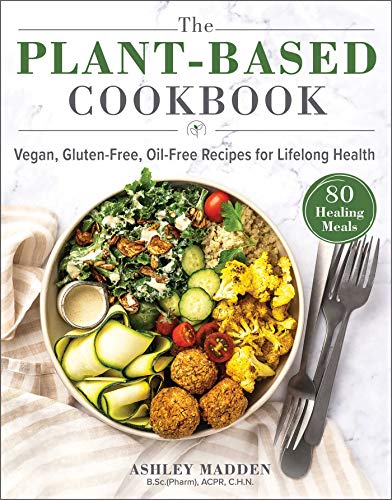
The Plant-Based Cookbook combines vegan, gluten-free, and oil-free recipes for readers who want a broad lifestyle guide. It is aimed at long-term habits rather than a short detox or a single cooking challenge. This makes it useful for people who want to repeat recipes and build confidence over time. The oil-free focus can also help cooks learn how to roast, bake, steam, and sauté with less added fat.
I find this type of cookbook helpful when the real challenge is consistency. A recipe can be healthy on paper yet fail if it takes too long or leaves you hungry. Plant-based meals need balance from beans, lentils, tofu, whole grains, vegetables, nuts, or seeds. I would use this book as a base, then adjust seasoning and portion sizes to suit my household.
Pros:
- Combines vegan and oil-free recipe ideas
- Includes gluten-free options
- Supports long-term meal planning
- Useful for cooks learning several methods
- Encourages vegetables and whole plant foods
- Can help make oil-free cooking a daily habit
Cons:
- Some meals may need extra protein for certain users
- Gluten-free specialty ingredients can raise costs
- Not designed for cooks who want mostly meat recipes
The Seed Oil Free Cookbook

The Seed Oil Free Cookbook takes a different path from a strict oil-free plan. It includes recipes using butter, ghee, olive oil, and avocado oil, along with meal plans, oil swaps, and a dining-out guide. That makes it a better fit for paleo, Whole30, and clean-eating readers who want to remove selected oils rather than all added fat. The structure may help people who feel lost when reading restaurant menus or packaged food labels.
This book is valuable because it makes an important distinction clear: seed-oil-free does not mean oil-free. Olive oil and avocado oil are still oils, even though they may fit some personal eating styles. I would recommend reading each recipe closely and deciding whether it matches your actual goal. For flexible cooking, it offers more freedom than a strict oil-free cookbook.
Pros:
- Includes more than 120 recipes
- Offers meal plans and oil swaps
- Useful dining-out guidance
- Fits paleo and Whole30-style plans
- Explains alternatives such as ghee and avocado oil
- Helpful for people avoiding seed oils
Cons:
- Not suitable for strict oil-free cooking
- Some recipes use dairy or animal fats
- Readers may need to compare labels carefully
Nara’s Roasted Garlic Algae Oil

Nara’s Roasted Garlic Oil adds flavor where a plain oil would simply add richness. The product combines roasted garlic with hints of yuzu and miso, creating a savory, bright profile for drizzling, roasting, baking, or sautéing. Its flavor may help vegetables, grains, noodles, and beans taste more complete. The 12.7-fluid-ounce bottle is a reasonable size for finishing dishes without storing a huge container.
This is another seed-oil-free option, not a strict oil-free cooking solution. I would use a few drops as a finishing oil after cooking rather than pouring it freely into the pan. That approach gives the garlic and miso notes room to shine while keeping portions modest. It may be especially useful for cooks who find plain vegetables boring but do not want a heavy sauce.
Pros:
- Distinct roasted garlic, yuzu, and miso flavor
- Useful for drizzling and finishing meals
- Works for roasting, baking, and sautéing
- Seed-oil-free positioning suits specific diets
- Can add flavor with a small amount
- Interesting choice for vegetables and grain bowls
Cons:
- Not an oil-free product
- Strong flavor may not suit every recipe
- Specialty flavor may cost more than plain oil
Avohass Organic Avocado Oil

Avohass Organic Avocado Oil is a simple pantry option for high-heat cooking. Its 16.9-ounce size should work for sautéing, roasting, baking, and light frying. Avocado oil has a mild flavor, so it can stay in the background while garlic, herbs, spices, or vegetables lead the dish. The organic label may appeal to shoppers who prefer certified organic products, though it does not change the fact that this is an added fat.
I would choose this bottle for a kitchen that wants one versatile oil rather than several specialty products. It can also help a household move away from seed oils while keeping familiar cooking methods. For oil-free cooking, I would treat it as optional and use a good nonstick pan, water sauté, or parchment instead. Always check the current package label for certification and storage details before buying.
Pros:
- Organic avocado oil option
- Useful for high-heat cooking
- Mild taste works in many recipes
- Suitable for baking, roasting, and sautéing
- Convenient 16.9-ounce pantry size
- Simple choice for seed-oil-free kitchens
Cons:
- Not appropriate for strict oil-free cooking
- Organic products may have a higher price
- Quality and freshness depend on storage
My Recommendation
For strict oil-free cooking, I recommend starting with the OSTBA air fryer and an oil-free recipe book. The air fryer handles crisp foods with little work, while a good cookbook solves the daily “what should I make?” problem. PlantYou is the most approachable choice for fast inspiration. Make Your Own is better for people following several limits, and The Plant-Based Cookbook is a strong option for long-term vegan meal planning.
The algae oils, avocado oil, and garlic oil are better for seed-oil-free cooking. They are useful when you still want to sauté or roast with added fat. The chips are best for an occasional snack, not as a cooking tool. I suggest choosing based on your real goal instead of the label alone. If you want zero added oil, select the air fryer and cookbook options. If you want to replace seed oils, choose the bottle that matches your taste and cooking heat.
| Best for | Why |
|---|---|
| Strict oil-free beginners | The OSTBA air fryer and PlantYou provide simple tools and recipes. |
| Seed-oil-free home cooks | Algae oil or organic avocado oil offers flexible cooking with mild flavor. |
| Plant-based meal planners | Make Your Own and The Plant-Based Cookbook support repeat meals. |
How Oil-Free Cooking Works
Oil-free cooking means preparing food without adding cooking oil, butter, ghee, or other liquid fats. It does not mean food must be dry or bland. Water, vegetable broth, tomato juice, citrus, vinegar, mashed beans, fruit purée, and blended nuts can add moisture and flavor.
A nonstick skillet can help with water sautéing. Add a few tablespoons of water or broth, then add vegetables and stir often. When the pan dries, add another small splash. This method works well with onions, mushrooms, peppers, greens, and garlic.
For roasting, parchment paper or a silicone baking mat can reduce sticking. Cut food into similar pieces so it cooks at the same rate. An air fryer can create a crisp surface through moving heat, but space matters. A crowded basket steams food instead of browning it.
Oil also affects texture. It can help food brown, carry flavor, and feel tender. Without it, I focus on heat, moisture, seasoning, and timing. A hot pan, dry vegetables, and a strong spice blend can create a deep flavor base before I add broth or sauce.
Health Considerations Before You Buy
Removing oil is not a guarantee of a healthy meal. Nutrition depends on the full plate, portion size, protein, fiber, sodium, and overall eating pattern. The Dietary Guidelines for Americans emphasize nutrient-dense foods and balanced choices, while the American Heart Association notes that the type and amount of fat matter. Personal needs can vary, so people with medical conditions should ask a qualified health professional for advice.
Oil-free meals can be rich in vegetables, beans, fruit, and whole grains. However, some people may need to plan for enough calories and essential fats. Nuts, seeds, avocado, and other whole foods can help in a balanced plant-based diet, unless a clinician has given different instructions. I also check labels on sauces, broths, chips, and packaged foods because “plant-based” does not always mean low in salt, sugar, or calories.
Food safety still matters. Wash produce, separate raw meat from ready-to-eat food, and cook animal products to safe internal temperatures. An air fryer does not remove the need for a food thermometer. For current temperature guidance, follow official USDA recommendations and the instructions for your specific appliance.
Oil-Free Cooking vs. Seed-Oil-Free Cooking
These terms sound similar, but they describe different choices. Oil-free cooking removes added oils from the recipe. Seed-oil-free cooking removes oils made from seeds, yet it may still include olive oil, avocado oil, butter, ghee, or algae oil.
That difference explains why several products in this review are included. The algae oils and avocado oil may help a shopper replace a preferred oil, but they do not make a meal oil-free. The air fryer and recipe books support the strict version more directly.
I recommend writing your goal on a note before shopping. If the note says “no added oil,” focus on cookbooks, air frying, parchment, and sauces. If it says “avoid seed oils,” look at the fat source and the full ingredient list. This small step prevents an expensive product from solving the wrong problem.
What to Look for in Oil-Free Cooking Products
Clear recipe instructions
A strong cookbook should explain how to prevent sticking and how to replace oil. Look for cooking times, pan tips, serving sizes, and practical swaps. Pictures can help, but clear steps matter more than glossy pages.
Useful appliance controls
For an air fryer, I look for a readable display, a timer, adjustable heat, and a basket that is easy to clean. Presets are helpful, but they should not replace judgment. Food size, starting temperature, and basket load can change the final result.
Honest product labels
Read the ingredient list and nutrition panel. “Avocado oil,” “algae oil,” and “seed-oil-free” each tell you something different. The front label is a starting point, not the whole story.
Suitable capacity
A small air fryer may be perfect for one or two people. A family may need a larger basket or several batches. More capacity can save time, but a larger machine also takes more counter and storage space.
Flavor support
Oil-free food needs a flavor plan. Cookbooks with sauces, spice blends, marinades, and texture tips are more useful than books that only remove ingredients. Garlic, smoked paprika, cumin, ginger, lemon, vinegar, and fresh herbs can make simple food feel special.
Tips for Better Oil-Free Meals
Start with foods that already contain moisture. Mushrooms, onions, tomatoes, zucchini, eggplant, and leafy greens are forgiving in a pan. Dry foods such as tofu or potatoes need careful timing and may benefit from soaking, pressing, steaming, or a flavorful coating first.
Use layers of flavor. Begin with onion and garlic, then add spices before liquid. Finish with lemon juice, lime, vinegar, fresh herbs, or a spoonful of salsa. These small details act like bright brush strokes on a plain canvas.
Do not overcrowd an air fryer basket. Leave room for hot air to move around each piece. Shake the basket halfway through cooking, and check food early because smaller pieces can finish faster than expected.
Use parchment only when it is rated for the cooking temperature and sized correctly. Loose paper can move into the heating area. Never block needed airflow or ignore the appliance manual.
For sauces, blend beans, roasted vegetables, silken tofu, or unsweetened plant milk with herbs and spices. A thick sauce can replace some of the richness that oil normally provides. Keep a few fast options in the refrigerator so a healthy meal does not depend on extra time.
Cleaning and Storage Advice
Cleaning is one of the strongest reasons people enjoy air frying. Let the basket cool before washing it, then follow the maker’s care instructions. A soft sponge helps protect a nonstick surface. Avoid metal tools and harsh scrubbers unless the manual says they are safe.
Cookbooks need simple storage too. Keep them away from steam, splashes, and direct heat. I like placing sticky notes beside recipes that work well for my schedule. Over time, those notes turn a large cookbook into a personal menu.
Store cooking oils in a cool, dark place with the cap closed. Heat and light can reduce freshness. If an oil smells stale, bitter, or unusual, I do not use it. Check the package for a best-by date and follow any storage directions.
FAQs Of oil-free cooking
Is oil-free cooking completely fat-free?
No. Oil-free cooking avoids added liquid oils, but whole foods may still contain fat. Avocado, nuts, seeds, beans, and tofu are examples of foods that can provide natural fat.
Can an air fryer cook food without oil?
Yes. Many foods cook well without added oil in an air fryer. Dry foods may brown more slowly, so use the right temperature, avoid crowding, and turn the food during cooking.
Is avocado oil the same as oil-free cooking?
No. Avocado oil is still oil. It may fit a seed-oil-free plan, but it does not fit a strict oil-free cooking plan.
How do I stop vegetables from sticking without oil?
Use a good nonstick pan, parchment, or a silicone baking mat. For stovetop cooking, add small amounts of water or broth and stir as the food cooks.
Does oil-free food taste bland?
It can taste bland if seasoning and texture are missing. Use herbs, spices, citrus, vinegar, roasted vegetables, beans, and blended sauces to build flavor.
Final Verdict: Which Should You Buy?
The OSTBA air fryer is the best practical pick for quick oil-free cooking. PlantYou is my favorite easy recipe guide, while Make Your Own suits strict multi-free diets. Choose algae or avocado oil only if your goal is seed-oil-free cooking, not zero added oil.
The right product can make healthy cooking feel less like a chore. Start with one simple tool, learn a few reliable recipes, and build your oil-free cooking routine step by step.