
Plastic vs Wood Cutting Boards: Wood is kinder to knives; plastic wins on easy sanitizing and dishwasher use.
I’ve spent more than a decade testing kitchen gear and training cooks, so I know the trade-offs between Plastic vs Wood Cutting Boards. This article breaks down material science, hygiene, maintenance, cost, environmental impact, and real-world tips to help you pick and care for the right board for your kitchen.
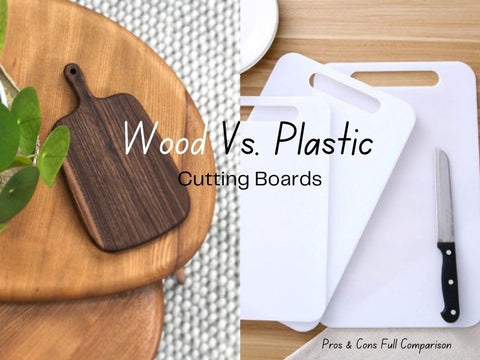
Material differences: Plastic vs Wood Cutting Boards
Plastic boards are usually made from polyethylene or polypropylene. They are non-porous, lightweight, and come in bright colors for task separation. Wood boards are made from hardwoods like maple, walnut, and beech, or from end-grain blocks that show the wood fibers standing up.
Plastic vs Wood Cutting Boards differ in how they react to knives. Plastic gives less resistance to blades but can scar easily. Wood, especially end-grain, “heals” small cuts and tends to be gentler on knife edges, keeping knives sharp longer.
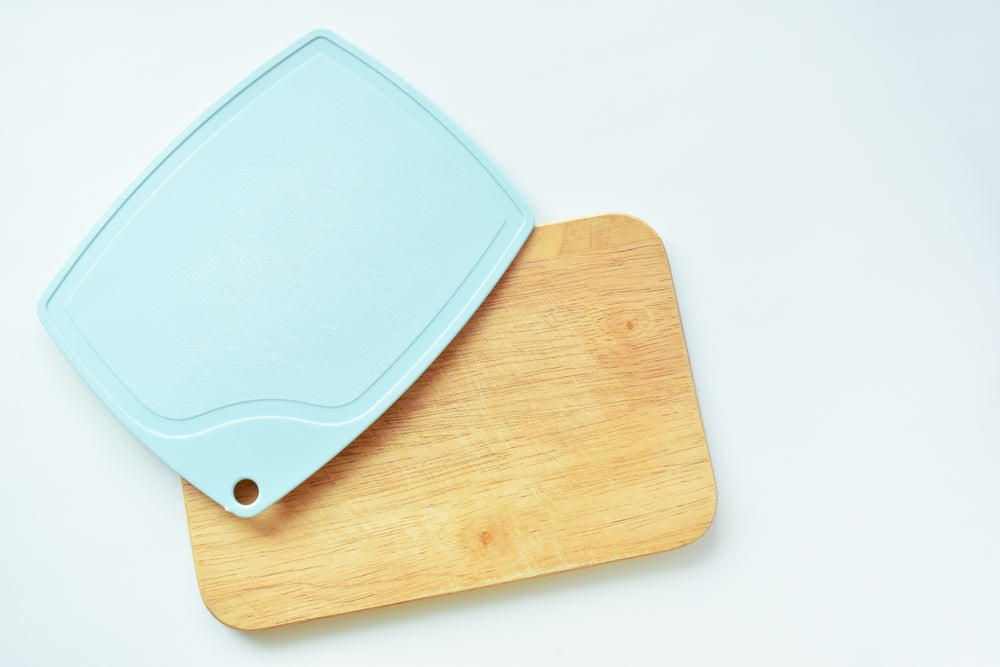
Safety and hygiene: bacteria, cuts, and real risks with Plastic vs Wood Cutting Boards
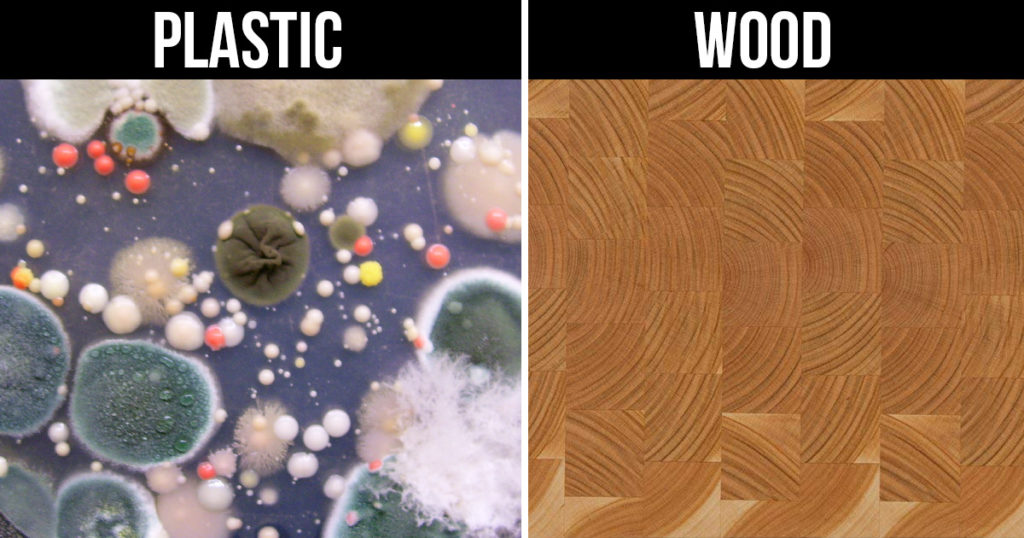
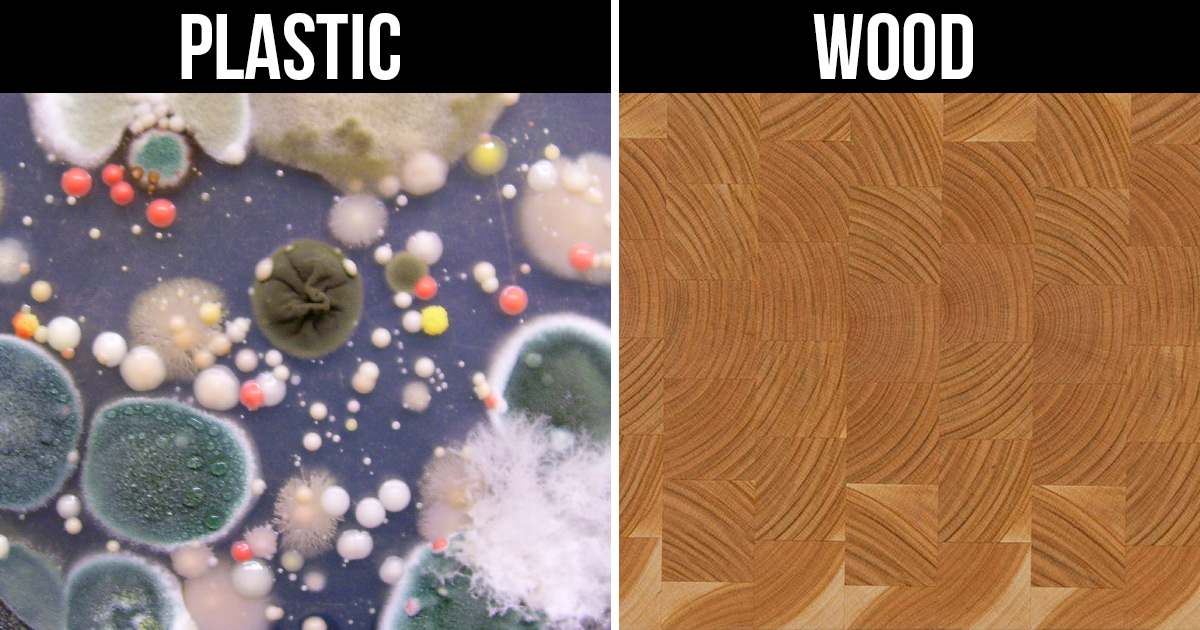
Hygiene debates focus on bacteria hiding in grooves. Plastic boards can be cleaned in a dishwasher at high heat, which can kill many bacteria. Wood has natural oils and compounds that can inhibit bacterial survival, and studies have shown some woods reduce bacterial counts over time.
The key safety factors are cleaning and inspection. Replace or resurface any board with deep grooves where bacteria can hide. Whether you prefer Plastic vs Wood Cutting Boards, follow the same rules: clean promptly, sanitize when needed, and discard damaged boards.
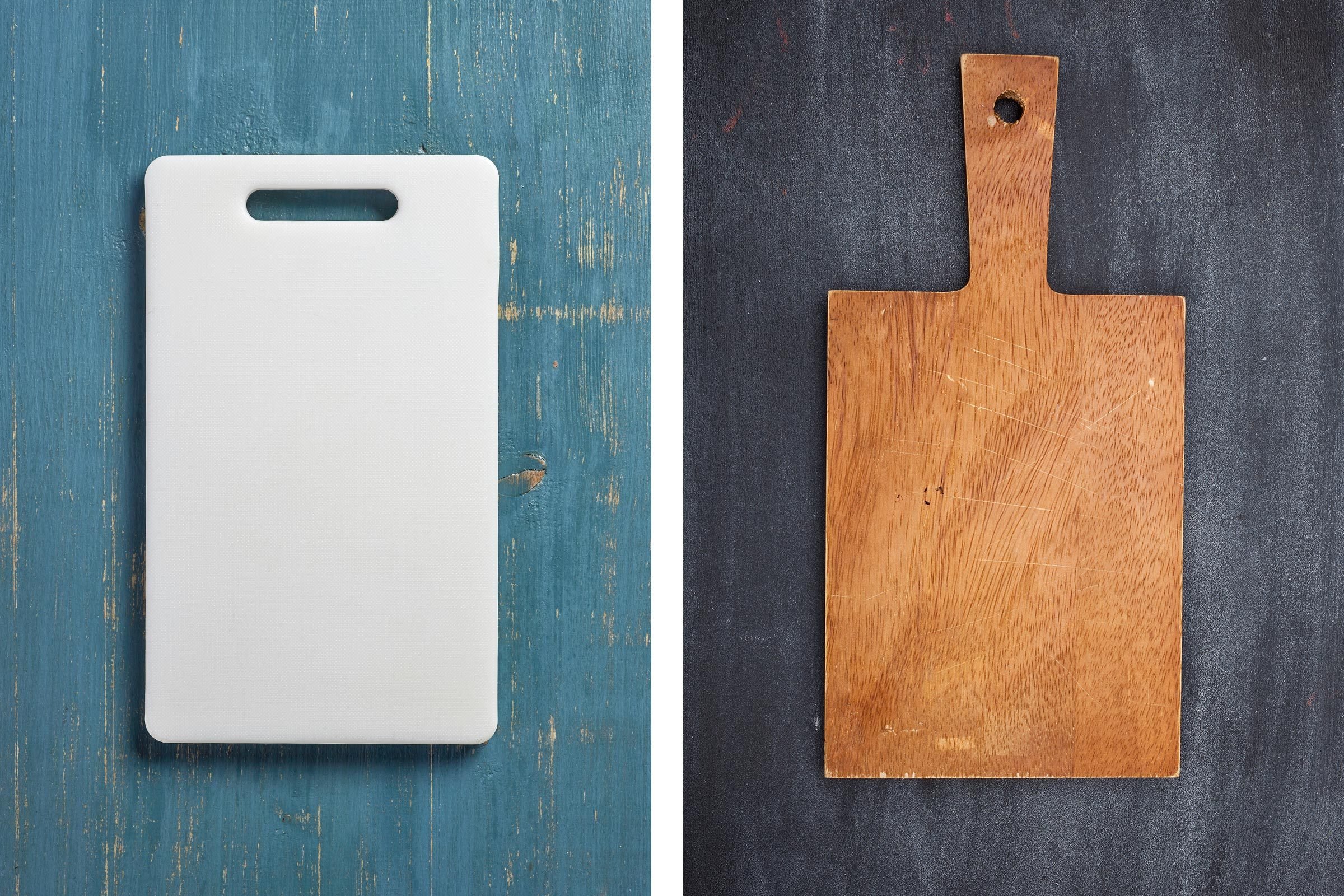
Cleaning and maintenance for Plastic vs Wood Cutting Boards
Plastic boards
- Wash with hot, soapy water after use and rinse well.
- Run through the dishwasher to sanitize when heat-safe.
- For deep stains or smells, use dilute bleach or baking soda paste.
Wood boards
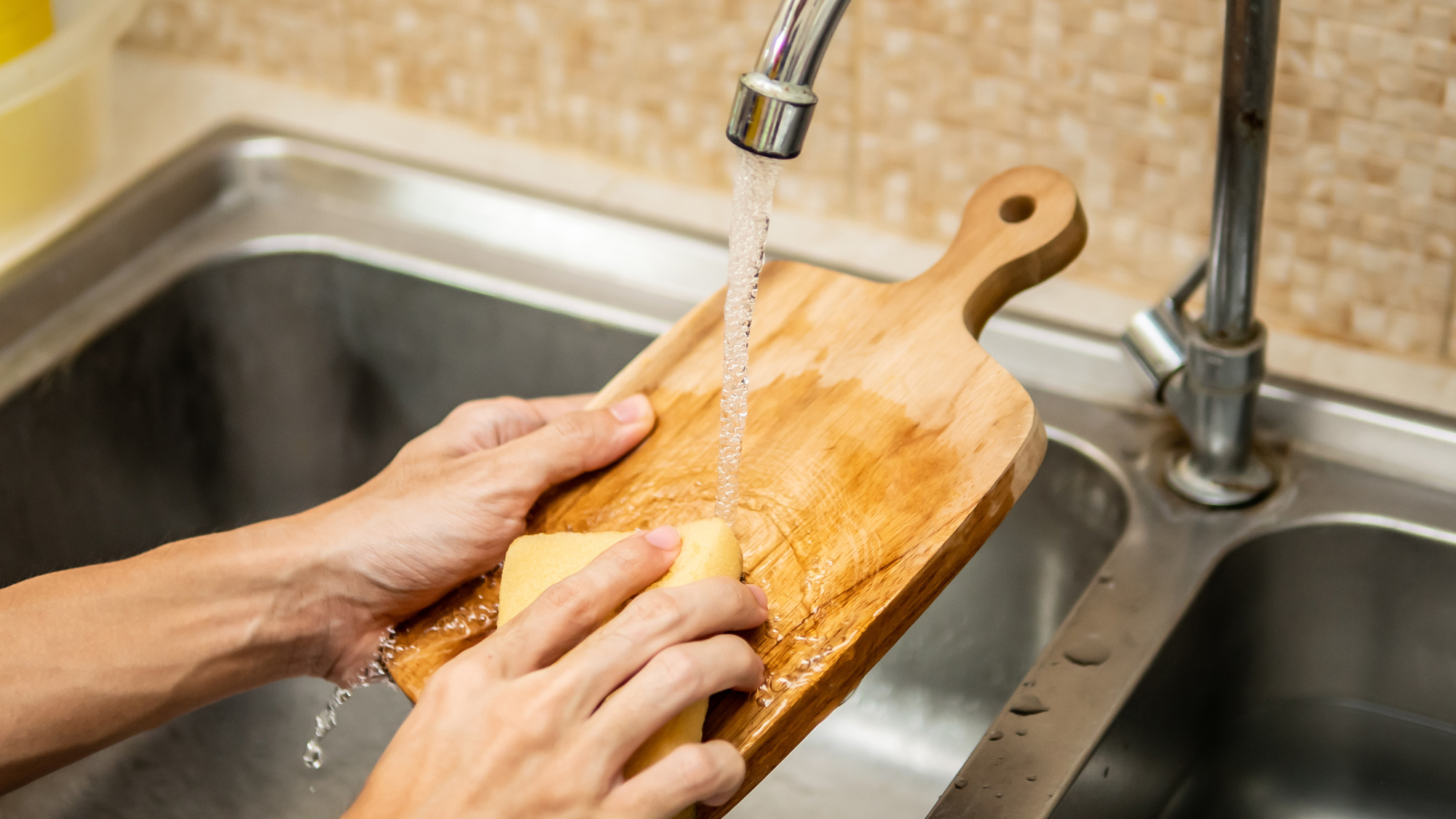
- Wash with warm, soapy water and dry upright immediately.
- Oil regularly with food-grade mineral oil or board butter to stop drying and cracking.
- Sand and refinish boards with food-safe oil if deep cuts appear.
Maintenance affects longevity and safety. Plastic boards are low maintenance but may need replacing sooner. Wood boards require care but can last many years and be resurfaced when needed.
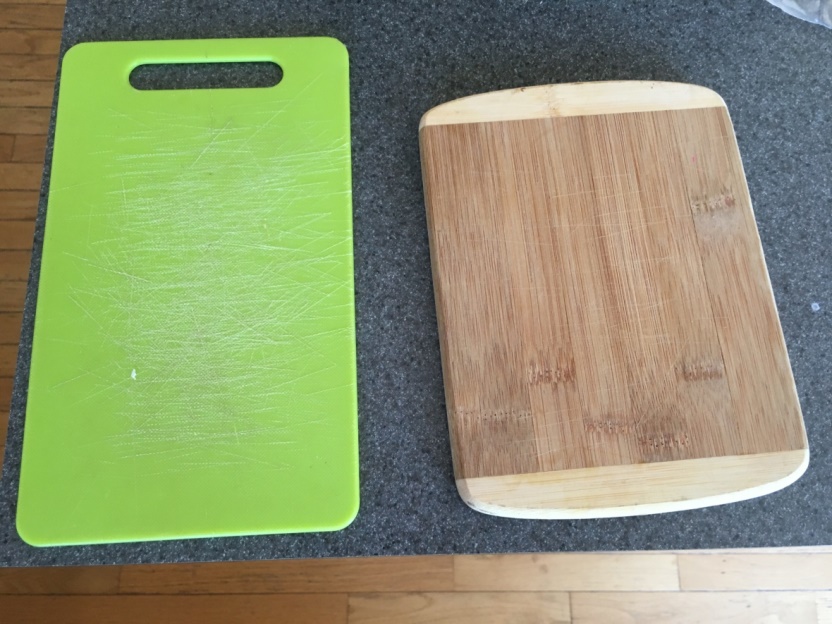
Durability and knife friendliness in Plastic vs Wood Cutting Boards
Plastic boards tend to wear down and warp over time, especially thin or heat-exposed ones. Deep cuts in plastic can trap food and bacteria and are hard to repair. Wood boards, especially thick end-grain types, resist cuts and can be sanded to restore a fresh surface.
From a knife care view, wood is usually the better choice. Plastic vs Wood Cutting Boards: wood absorbs some blade impact and reduces dulling, while plastic can feel harder on edges and accelerate sharpening needs.
Environmental impact: sustainability of Plastic vs Wood Cutting Boards
Plastic boards are made from petroleum-based plastics. They are recyclable in some programs, but many end up in landfills. Production energy and microplastics are environmental concerns.
Wood boards are renewable when sourced responsibly. They store carbon and can be biodegradable at end of life. However, unsustainably harvested hardwoods hurt forests. Choose FSC-certified or reclaimed wood to reduce impact.
Cost, availability, and aesthetics for Plastic vs Wood Cutting Boards
Plastic boards
- Usually less expensive up front and widely available.
- Come in many colors to help prevent cross-contamination.
- Lightweight and stackable for small kitchens.
Wood boards
- Range from affordable to high-end price points depending on wood and craftsmanship.
- Offer warm, classic aesthetics and can double as serving boards.
- Often valued as long-term kitchen investments.
Consider how often you cook, your budget, and how the board fits your kitchen style when weighing Plastic vs Wood Cutting Boards.
Best uses and how to choose between Plastic vs Wood Cutting Boards
Match the board to the task
- Use plastic for raw meat and seafood to make sanitizing easy.
- Use wood for bread, vegetables, cheese, and plating to preserve knives and look attractive.
- Consider color-coded plastic boards to avoid cross-contamination.
Buy the right size and thickness
- Small boards are fine for quick tasks; larger boards give workspace and stability.
- Thicker boards resist warping and absorb cuts better, especially wood.
Make a hybrid plan: keep a few plastic boards for raw protein and a large wood board for general prep and serving. This balances hygiene, knife care, and convenience when choosing Plastic vs Wood Cutting Boards.
My experience, mistakes, and practical tips with Plastic vs Wood Cutting Boards
I’ve tested dozens of boards in home and professional kitchens. Early on, I made the mistake of using one thin plastic board for everything. It warped and scored quickly, and I had to replace it. Switching to separate plastic boards for raw meat and a thick end-grain wood board for prep was a game changer.
Tips I use daily
- Replace plastic boards once deep grooves appear.
- Oil wood boards monthly or when they look dry.
- Keep one board dedicated to raw meat and sanitize it after use.
- Sand and re-oil a wood board to extend its life instead of tossing it.
These simple habits cut down cross-contamination risk and save money long term. Practicing them helped me keep knives sharper and my prep area cleaner while using Plastic vs Wood Cutting Boards.

Quick answers (People also ask style)
Are wood cutting boards sanitary?
Yes. Properly cleaned and maintained wood boards are sanitary. Some woods have natural antimicrobial properties that reduce bacteria over time.
Can you put a wood cutting board in the dishwasher?
No. Dishwashers can warp, split, or crack wood boards. Hand-wash and dry wood boards promptly instead.
Which cutting board is best for knives?
Wood, especially end-grain boards, is best for preserving knife edges. It gives under the blade and reduces dulling compared to many plastics.
Frequently Asked Questions of Plastic vs Wood Cutting Boards
What should I use for raw meat, plastic or wood?
Use plastic for raw meat because it can be sanitized in high heat and is easy to replace when deeply scored. Color-coded plastic boards help avoid cross-contamination.
How often should I oil a wood cutting board?
Oil a wood board every few weeks with food-grade mineral oil for regular home use, or when the wood looks dry or chalky. This prevents cracking and absorbs less moisture.
How do I remove stains and odors from plastic boards?
Scrub with baking soda or a paste of lemon and salt, rinse well, and run through the dishwasher if safe. For persistent odors, dilute bleach can be used carefully and rinsed thoroughly.
Are end-grain wood boards worth the cost?
Yes, if you want durability and knife friendliness. End-grain boards last longer, self-heal small cuts, and are gentler on knives despite higher price.
When should I replace my cutting board?
Replace any board with deep grooves, cracks, or warping that traps food. For plastic, shallow grooves are fine; deep scoring means replacement. For wood, sanding can restore many boards before replacement.
Conclusion
Plastic vs Wood Cutting Boards each have clear strengths: plastic makes cleaning and task separation easy, while wood preserves knives and offers long-term durability and beauty. Choose based on the foods you cook, how you clean, and your values around sustainability. Start by keeping one plastic board for raw proteins and one quality wood board for general prep; care for them well, and you’ll get the best of both worlds.
Pick one small change today: separate your boards by task or oil your wood board monthly. Leave a comment with your board choice, or subscribe to get more hands-on kitchen gear tips.
Pingback: Best Kitchen Cabinets For The Money: Top Value Picks -