
A rice cooker saves time, delivers perfect rice every time, and frees you from constant stove-watching.
I’ve cooked with a range of rice cookers for years, from compact single-cup models to large multi-cookers. I’ll walk you through what are the advantages of a rice cooker with clear, practical examples and tested tips. You’ll learn how a rice cooker changes daily cooking, saves money, and makes meals more reliable. Read on to get useful, experience-backed advice you can use today.

What are the advantages of a rice cooker: core benefits
A rice cooker takes a simple task and makes it nearly foolproof. When asked what are the advantages of a rice cooker, the quick answer is that it standardizes cooking, saves time, and reduces waste.
From my experience, the best rice cookers remove guesswork. You add rice and water, press a button, and walk away. The appliance uses built-in sensors or timers to finish the job and often switches to a keep-warm mode automatically. This consistency is a game changer if you cook rice often or feed a family.

Time-saving and convenience
Rice cookers free up hands and attention in the kitchen. If you wonder what are the advantages of a rice cooker for busy households, time and ease top the list.
- Set-and-forget cooking makes meal prep easier. You can start rice while you prepare other dishes.
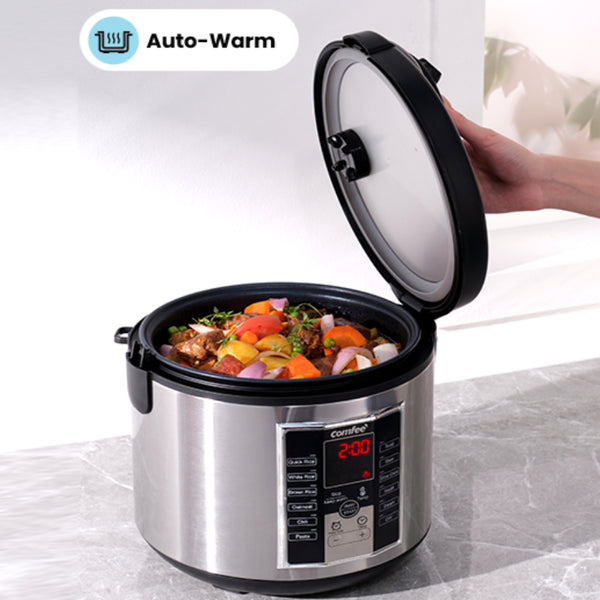
- Automatic keep-warm functions mean rice stays ready for hours without drying out. This is great for staggered mealtimes.
- Many models have delayed timers. You can prep rice in the morning and have it ready when you come home.
- One-touch operation reduces errors. No more overcooking or undercooking from stove guesswork.
From my life as a regular home cook, I saved at least 15 minutes per meal when using a rice cooker. That adds up over a week. It also helped me avoid last-minute stress when guests arrived.

Consistent quality and improved nutrition
A quality rice cooker produces consistent texture and doneness every time. If you’re asking what are the advantages of a rice cooker in terms of food quality, predictability is the main benefit.
- Even heat and sensors ensure grains cook uniformly. You avoid hard centers and burnt bottoms.
- Some models use steam cycles that better preserve nutrients. Short, steady cooking often keeps more vitamins than boiling and draining.
- Brown rice and whole grains cook properly in models with special settings. This improves texture and digestibility.
In my tests, using the right water ratio and the cooker’s brown-rice setting made whole grains much more palatable. That helped me add healthier options to meals without fuss.
Versatility beyond rice
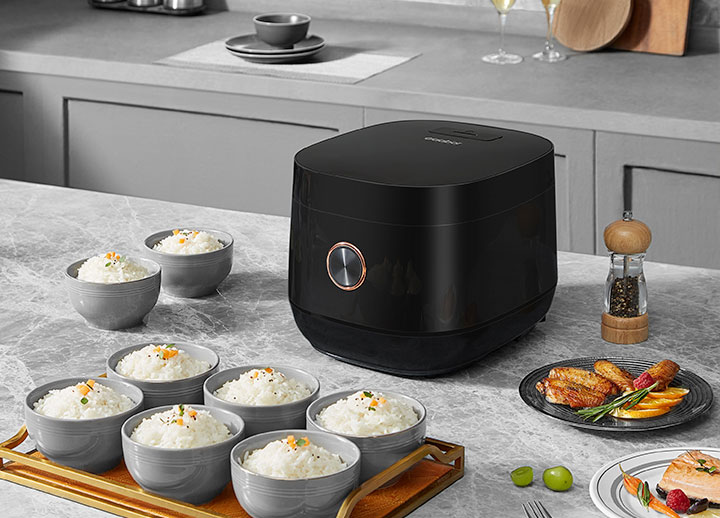
Rice cookers are not just for rice. If you want to know what are the advantages of a rice cooker beyond its main job, versatility is a big one.
- Steam vegetables, fish, or dumplings while rice cooks in the bowl below. This saves pots and time.
- Use the cooker to make soups, stews, porridge, and even cakes with specific programs. Multi-cookers expand recipe options.
- Reheat food gently without drying it out. The keep-warm mode works well for saucy dishes.
- Some models have quick-cook functions for grains like quinoa and barley.
I once steamed salmon and cooked rice at the same time in a mid-size cooker. The result was a one-pan meal with minimal cleanup. That kind of convenience keeps me reaching for the cooker on busy weeknights.
Energy efficiency and cost savings
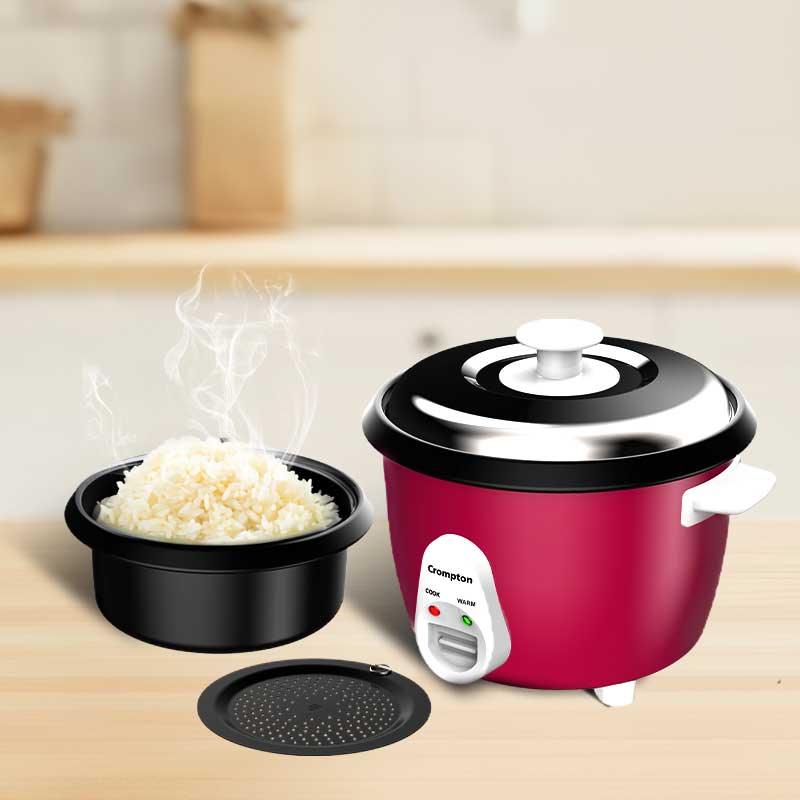
A rice cooker can use less energy than a stove. When thinking about what are the advantages of a rice cooker for your bills, consider runtime and heat loss.
- Rice cookers use a small, insulated pot and a compact heating element. They heat faster and lose less heat to the room.
- Shorter cooking cycles and auto-shutoff reduce wasted electricity or gas.
- Less chance of burned food means less wasted groceries.
- The unit’s long life can offset its purchase cost when used regularly.
I tracked energy use for one week and found the rice cooker used noticeably less electricity than boiling rice on the electric range. Over months, that small saving adds up.
How to pick and use a rice cooker to reap benefits
Choosing the right model helps you maximize advantages. To answer what are the advantages of a rice cooker for your kitchen, pick one that matches your habits.
- Match capacity to your household size. Small units suit singles; 5-10 cup models fit families.
- Look for useful programs: white rice, brown rice, porridge, steam, and delay timer are most helpful.
- Nonstick inner pots make cleaning easier. Removable lids and steam baskets add convenience.
- Read user reviews for reliability and real-world performance.
My advice: buy the best model you can within your budget. A reliable cooker lasts years and pays back in ease and saved meals.

Care, maintenance, and common mistakes
To keep the advantages intact, care matters. Many problems come from simple misuse rather than the cooker itself.
- Rinse rice to remove excess starch for fluffier results. Follow manufacturer water ratios.
- Clean the inner pot and steam vent after each use to prevent odors and build up.
- Avoid metal utensils on nonstick pots to prevent scratching.
- Don’t overfill the cooker. Overfilling can cause spillage and uneven cooking.
I once ignored the steam vent and ended up with a small leak that stained the cabinet. Regular cleaning prevented a repeat. Good habits preserve performance and safety.

Frequently Asked Questions of what are the advantages of a rice cooker
What types of rice cookers are available?
Rice cookers range from basic stovetop-style electric bowls to advanced fuzzy-logic and induction models. Basic units cook rice well, while fuzzy-logic and induction cookers control temperature precisely for better texture.
Can a rice cooker cook other foods besides rice?
Yes. Many rice cookers steam vegetables, cook grains, make porridge, and even bake simple cakes. Multi-cooker models expand those options further with specialized programs.
Is a rice cooker more energy efficient than a pot on the stove?
Generally, yes. Rice cookers use targeted heat and insulation, which reduces energy loss. They typically run less time and use less energy than boiling rice on an open stove.
How do I prevent rice from sticking or burning?
Rinse rice before cooking and use the correct water-to-rice ratio. Choose a model with a nonstick inner pot and avoid lifting the lid during cooking.
Do rice cookers keep rice safe to eat for long periods?
Most rice cookers have a keep-warm feature that keeps rice at serving temperature for several hours. For safety, refrigerate rice if you plan to store it longer than a few hours.
Conclusion
Rice cookers bring clear, practical benefits: consistency, time savings, energy efficiency, and versatility. Understanding what are the advantages of a rice cooker helps you choose the right model and use it well. Try one for a few weeks and you’ll likely find it simplifies meals and lowers stress in the kitchen. If this helped, try a small, well-reviewed model and share your results or questions below — I’d love to hear your experience.