
Most rice cookers list capacity in cups and give external dimensions in inches or centimeters.
I’ve measured dozens of rice cookers and tested sizes in real kitchens. This guide explains what are the measurements for a rice cooker, why they matter, and how to read the labels so you buy the right one. I’ll share clear rules, real-life tips, and mistakes I learned from using small and large models over the years.
Why accurate measurements matter
Knowing what are the measurements for a rice cooker helps you pick the right size for your counter and household. A cooker that is too big wastes space. A cooker that is too small means extra work and extra batches.
Measurements tell you three things. Capacity, which covers how much rice the inner pot holds. External dimensions, which show how the unit will fit on your counter. Inner-pot markings and the rice-cup system, which affect portioning and final texture.
When I moved into a tiny kitchen, reading what are the measurements for a rice cooker saved me from buying a unit that blocked my sink. Later, I upgraded to a 5.5-cup cooker for weekly meal prep. Those choices came from understanding the numbers.
Common rice cooker capacities and what they measure
Capacities are often the first number buyers see. They usually use cups as the unit. Remember that the cup used is often a rice-cooker cup, not a standard 240 ml measuring cup.
Typical capacity labels and approximate servings:
- 3-cup models: Good for 1 to 2 people. Measured as uncooked rice cups.
- 5.5-cup models: Common for families of 2 to 4. Often called 3-cup or 5.5-cup rice cookers depending on region.
- 8-cup and larger: For big families or batch cooking. These are for frequent cooks or parties.
Capacity can be listed as "uncooked cups" or "cooked cups." Always check which one is used. When you read what are the measurements for a rice cooker, note whether a cup refers to the rice-cooker cup (usually 180 ml) or a standard cup.

Physical dimensions: exterior sizes and counter fit
External measurements matter when you have limited counter or cabinet space. Manufacturers list width, depth, and height in inches or centimeters.
How to check fit:
- Measure the countertop area where the cooker will sit. Allow extra space for ventilation and access to the lid.
- Compare unit dimensions to cabinet height if storing inside. Remember the lid may open higher than the listed height.
- Consider footprint plus cord length. The plug and cable need clearance behind the unit.
Pro tip from my kitchen: leave at least 2 to 3 inches of space behind the cooker for heat and steam. That small gap prevents warping finishes and gives you room to unplug the unit safely. Knowing what are the measurements for a rice cooker is not only about size. It is about practical layout too.

Inner pot measurements and the rice cooker cup system
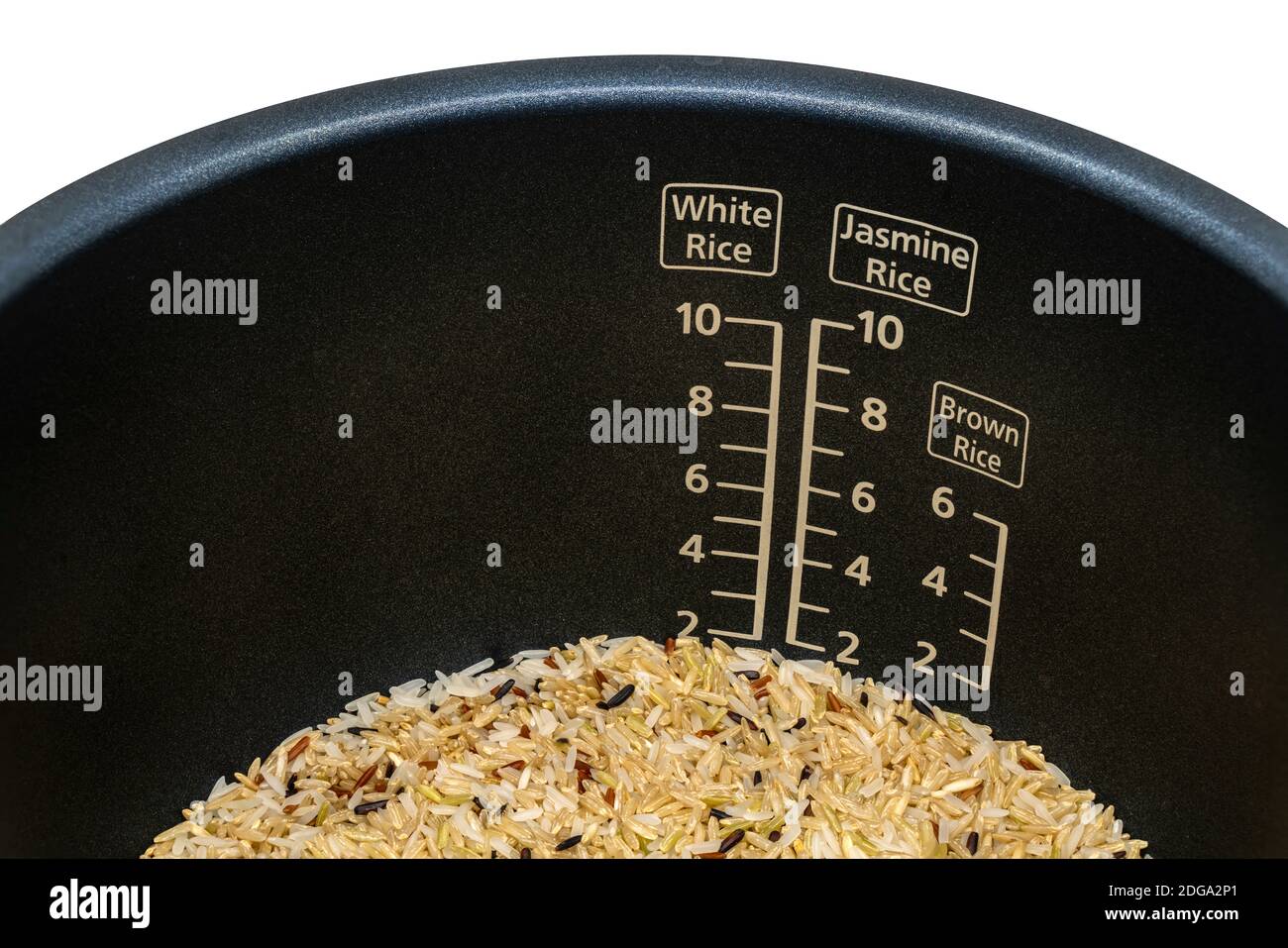
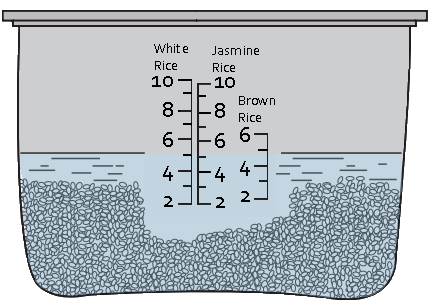
The inner pot often includes measurement lines. These lines show water levels for specific amounts of rice. They are calibrated to the rice-cooker cup in the box.
Key points about inner pot marks:
- Lines usually read for 1 through 6 cups or more. These mark uncooked rice amounts.
- The rice-cooker cup is often 180 ml, not 240 ml. Using a standard cup may under- or over-water rice.
- Nonstick pots can have wear on lines. If worn, measure water with a separate cup until you replace the pot.
I once relied on vague lines and ended up with gummy rice. After switching to the rice-cooker cup and following the inner pot marks, the texture improved immediately. This is a simple fix that comes from reading what are the measurements for a rice cooker.
How to measure rice and water for best results
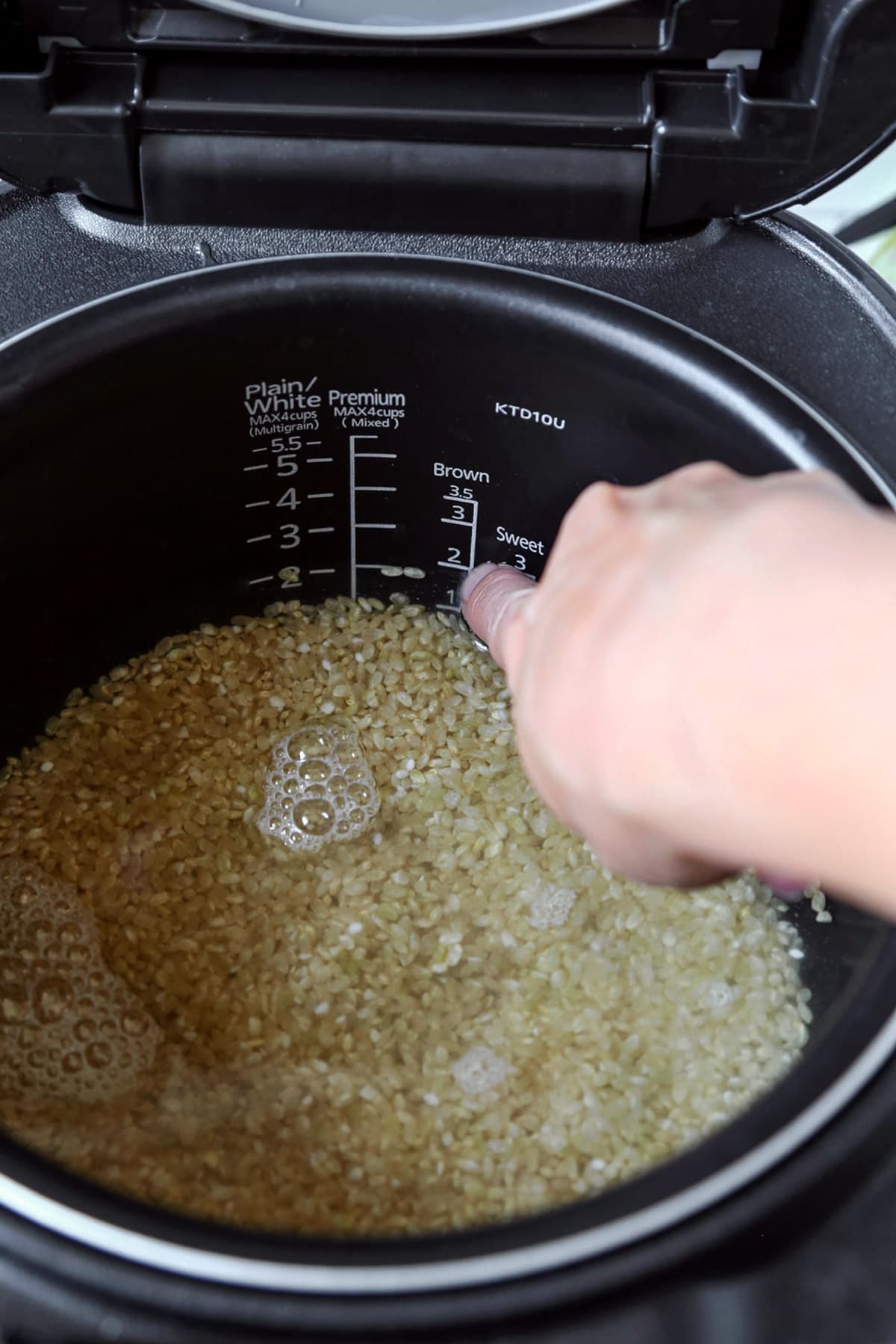
Accurate measurement equals consistent rice. Use the cooker’s cup and the inner pot lines. If your cooker uses a different standard, adapt the water ratio.
Basic ratios to follow:
- White rice: About 1 cup rice to 1 to 1.25 cups water in many electric cookers.
- Brown rice: About 1 cup rice to 1.5 to 2 cups water.
- Sushi rice: Rinse rice and use about 1 cup rice to 1.1 cups water for stickier texture.
Steps to measure correctly:
- Use the rice-cooker cup included with the unit.
- Rinse rice if required, then level the cup.
- Add water to the inner pot to the matching line for that cup number.
- If you switch cup sizes, recalculate water by volume.
From my tests, slight water changes shift texture a lot. Keep notes for your favorite rice type. When you understand what are the measurements for a rice cooker, you get predictable results every time.

Tips for choosing a rice cooker based on measurements
Pick a cooker that fits both meals and space. Think of your weekly cooking, not just one meal.
Checklist to decide:
- Household size. Use capacity labels to match servings.
- Storage and counter space. Compare external measurements and available room.
- Portability. Smaller cookers are lighter and easier to store.
- Multi-function needs. Larger cookers often include steam baskets or baking settings. These add to external size.
A mistake I made was buying a compact model that fit my counter but was too small for meal prep. Later, I chose a 5.5-cup cooker with modest external dimensions. It balanced capacity and fit well. Use what are the measurements for a rice cooker to match both your cooking style and your space.
Common mistakes and troubleshooting
Many problems come from misreading measurements. Here are common issues and fixes.
Common problems and fixes:
- Issue: Rice cooker overflows. Fix: Use the correct rice-cooker cup and inner pot marks. Reduce water slightly for very starchy rice.
- Issue: Rice is undercooked. Fix: Add a few tablespoons of water and let rest on warm for 10 minutes.
- Issue: Cooker doesn't fit in cabinet. Fix: Measure lid clearance and hinges before buying.
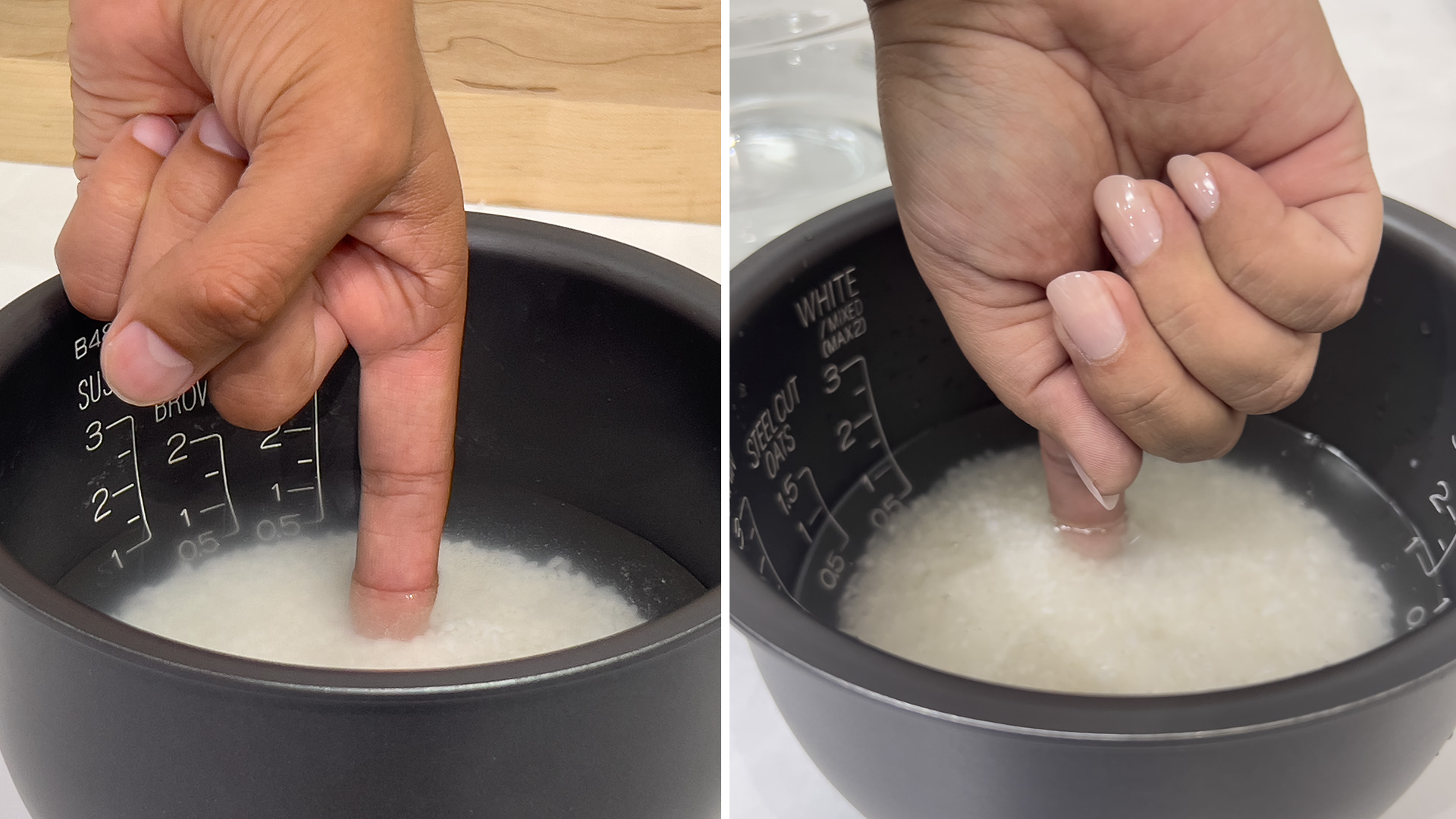
- Issue: Inner pot marks faded. Fix: Measure water with a measuring cup until you replace the pot.
I once assumed all rice-cooker cups matched. That led to inconsistent results. After switching to the cup from the manual, my rice improved immediately. Reading what are the measurements for a rice cooker carefully avoids these mistakes.
Frequently Asked Questions of what are the measurements for a rice cooker
What does "cup" mean on a rice cooker?
Rice-cooker cups are usually 180 ml, which is smaller than a standard 240 ml cup. The inner pot lines and recipes often use that rice-cooker cup for correct water ratios.
How do I measure the outer dimensions of my rice cooker?
Use a tape measure to record width, depth, and height. Allow space for steam and cord behind the unit when planning placement.
Is the capacity listed in cooked or uncooked cups?
Most manufacturers list capacity as uncooked rice cups. Check the manual to confirm, since cooked capacity is larger after water absorption.
Can I use a standard measuring cup instead of the rice-cooker cup?
You can, but you must adjust water ratios. Standard cups are larger, so use about 1.33 standard cups to match one rice-cooker cup.
How do I know if a rice cooker will fit under a cabinet?
Measure the cabinet clearance and compare to the cooker’s height with the lid open. Add a few inches for safe lid operation and steam release.
Conclusion
Understanding what are the measurements for a rice cooker helps you choose the right size, get reliable results, and avoid wasted space or poor texture. Read capacity labels, check inner pot marks, and measure your counter before buying. Try the rice-cooker cup and note small water tweaks for each rice type.
Take action: measure your kitchen, compare models, and pick one that fits your routine. If you found this helpful, leave a comment with your cooker size or a question about fit.