
A food processor speeds chopping, slicing, shredding, pureeing, kneading, grinding, and mixing tasks quickly.
I have tested many models and taught cooking classes that used food processors. In this guide I explain what are the uses of food processor with clear examples, tips, and honest experience. Read on to learn how this one appliance can save time, improve texture, and expand what you cook at home.

Top uses of a food processor: practical tasks it does best
A food processor is a workhorse for many kitchen jobs. If you ask what are the uses of food processor, expect it to handle prep, texture work, and some light cooking tasks. Below are the most common uses you will rely on every week.
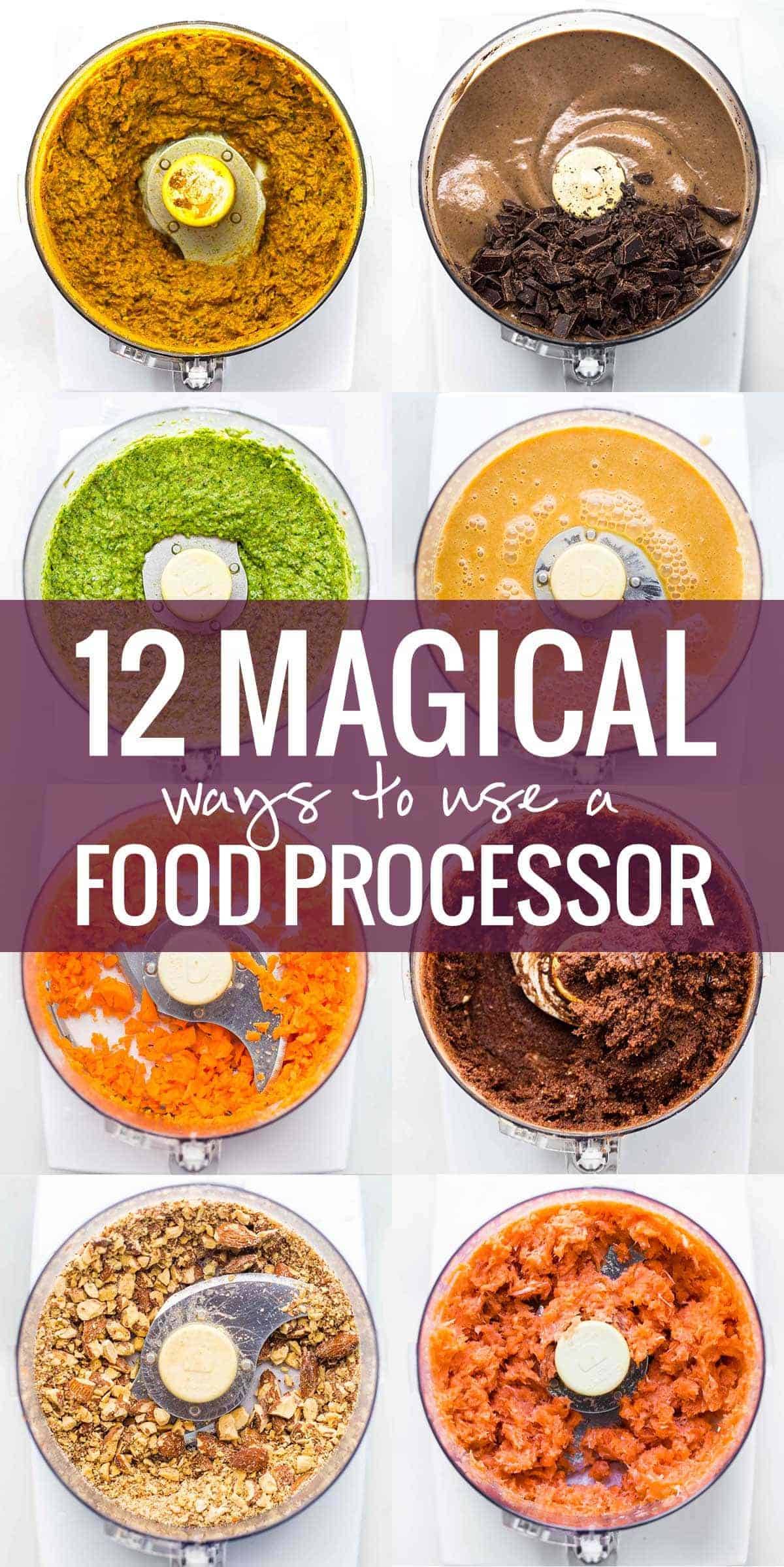
- Chopping vegetables quickly: Process onions, carrots, peppers, and celery in seconds for soups and stews.
- Slicing and shredding: Use the slicing and shredding discs for salads, slaws, and gratings.
- Pureeing cooked foods: Make smooth soups, purees, and baby food with steady texture.
- Making dips and spreads: Whip hummus, guacamole, and bean dips to a creamy finish.
- Grinding nuts and seeds: Turn nuts into flour or coarse crumbs for crusts and toppings.
- Making nut butter: Process roasted nuts into smooth peanut or almond butter.
- Kneading dough: Use the dough blade for quick pizza and bread dough mixing.
- Emulsifying dressings and mayonnaise: Create stable sauces and mayonnaise in minutes.
- Grinding meat: Prepare ground meat for burgers or meatballs when you need fresh control.
- Making breadcrumbs: Refresh stale bread into crumbs for coating or binding.
- Grinding spices and coffee beans: Small batches of spices or coffee can be ground in a pinch.
- Crushing ice: Some strong models will crush ice for cocktails or smoothies.
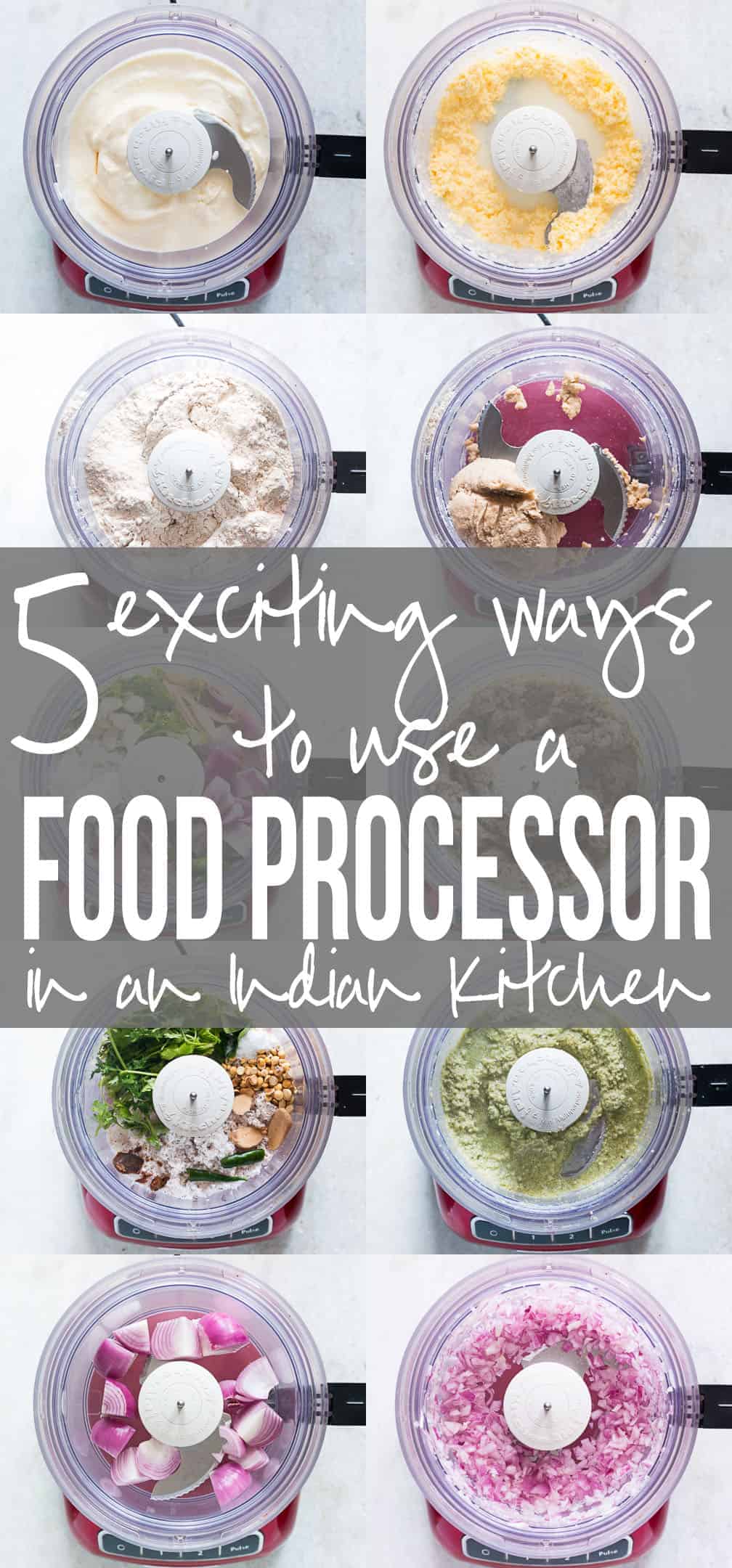
- Preparing salsa and sauces: Coarse or smooth textures are easy to control with pulses.
- Making pesto and chimichurri: Finely chop herbs and nuts into bright, fresh sauces.
- Shredding cheese: Save time grating dozens of ounces of cheese for recipes.
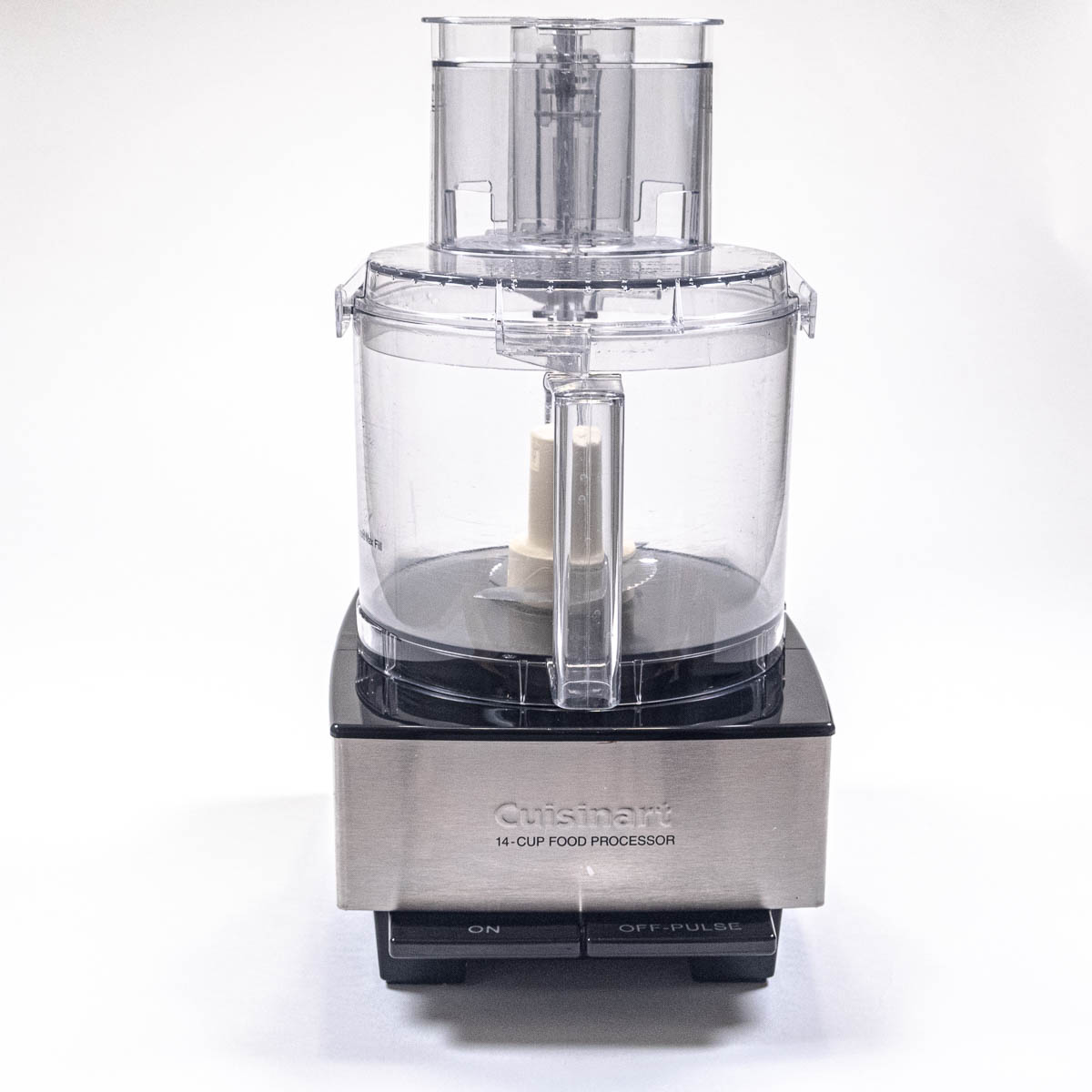
A food processor’s power and attachments decide how many tasks it can handle. From my tests, a 700–1000 watt motor expands capability and reduces strain for tougher jobs.
How a food processor saves time and effort
One big reason people ask what are the uses of food processor is speed. It cuts prep time from hours to minutes for many recipes.
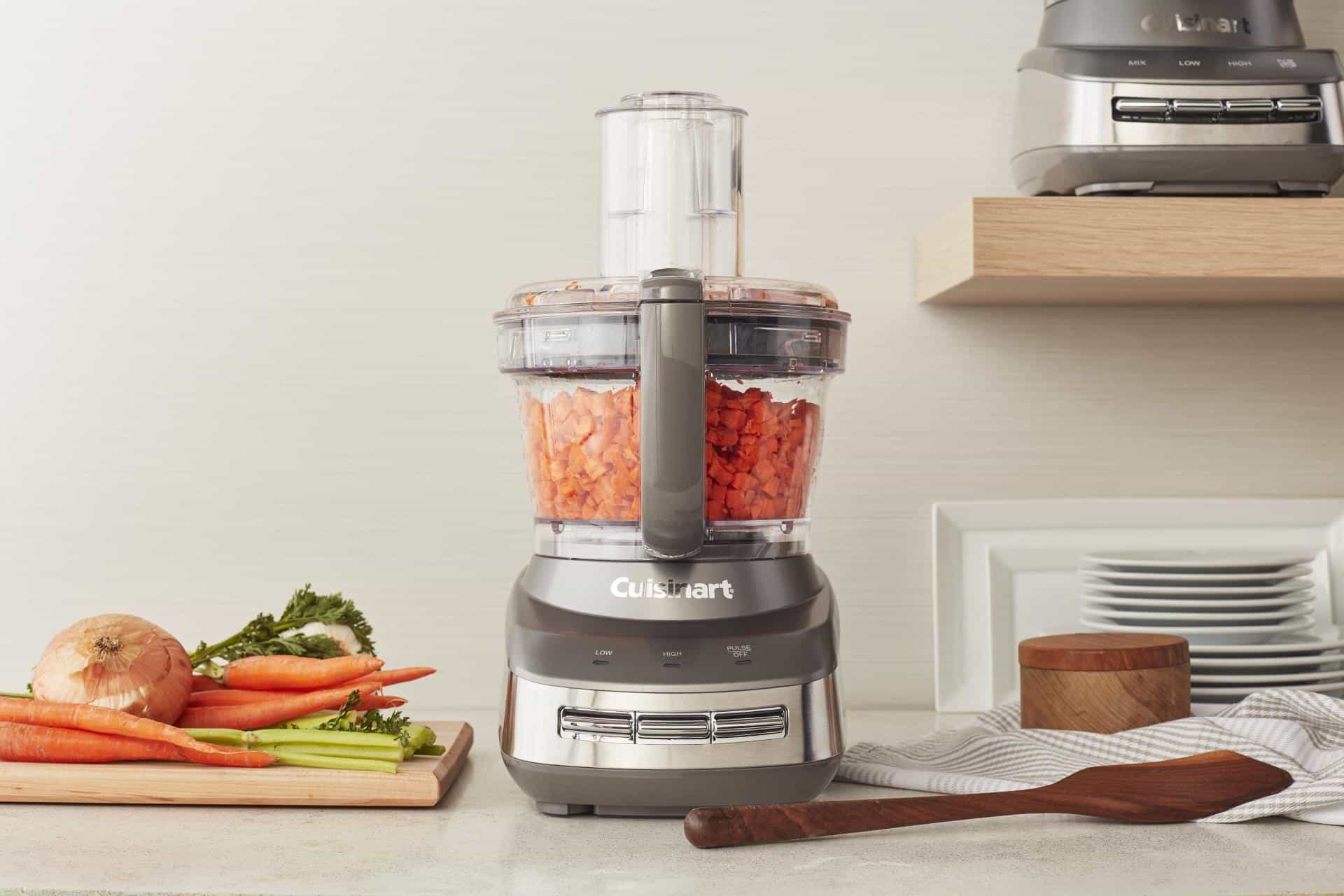
Batch cooking becomes easier with a processor. You can chop a large head of cabbage or make several cups of pesto in one run. Consistency also improves. A food processor gives uniform chops and purees that take longer by hand. This helps dishes cook evenly and look more professional.

Tips for best results and avoiding common mistakes
Knowing what are the uses of food processor is only half the equation. Technique matters for good outcomes.
- Use the pulse function: Pulse to control texture and avoid over-processing soft items.
- Work in batches: Overfilling jars gives uneven results and can strain the motor.
- Chill fattier items: Chill butter or pastry dough to prevent warm, sticky mixtures.
- Dry items for shredding: Moist vegetables can clump on shredding discs, so pat dry first.
- Secure the lid: Most models won’t run unless the lid is locked. This is a safety check and prevents splatter.
From personal mistakes, I learned to always scrape the bowl between runs. That prevents pockets of unprocessed food and keeps texture even.
Choosing the right food processor for your needs
Before asking what are the uses of food processor, decide what you want it to do most. This makes picking a model easier.
- Motor power matters: 400–600 watts work for light tasks; 700+ watts handle dough and nuts well.
- Bowl size: A 7–12 cup bowl fits most households. Choose 3–4 cups for small kitchens or 14+ cups for big batches.
- Attachments: Look for slicer, shredder, dough blade, and adjustable discs if you want versatility.
- Build quality: Metal blades and sturdy lids last longer. Plastic bowls are fine but check BPA-free labeling.
- Budget and warranty: Higher price often means better motor and longer warranty. Balance features with price.
I prefer a mid-size model with a strong motor. It gives the most flexibility for daily cooking without taking too much counter space.
Maintenance and safety for long-lasting performance
Understanding what are the uses of food processor includes maintenance. A clean machine stays effective and safe.
- Clean immediately: Rinse or wash parts soon after use to prevent food from drying and sticking.
- Handle blades with care: Blades are sharp. Use a brush to clean around them and dry before storage.
- Avoid hot liquids in some models: Check the manufacturer guide; some bowls warp with boiling liquids.
- Inspect seals and locks: Replace worn gaskets to prevent leaks and maintain safety interlocks.
- Store assembled or in parts: Store blades safely and lids locked to avoid accidental cuts.
After years of use, replacing a worn drive coupling saved my machine’s performance and avoided costly replacement. Regular checks prevent surprises.

Practical recipes and real-life uses you can try
To show what are the uses of food processor in daily life, here are simple recipes and steps. Each is quick and uses the processor’s strengths.
- Quick pesto
- Add basil, garlic, pine nuts, and salt. Pulse while adding olive oil to reach desired texture.
- Easy hummus
- Blend chickpeas, tahini, lemon, garlic, and olive oil until smooth. Adjust water for creaminess.
- Pie dough
- Pulse flour and cold butter until coarse crumbs form. Add ice water until dough holds.
- Fresh salsa
- Coarsely chop tomatoes, onion, cilantro, and jalapeño with quick pulses. Add lime and salt.
- Nut butter
- Process roasted nuts, scrape sides, and continue until smooth. Add salt or oil if needed.
One memorable real-life use: I made 10 cups of carrot slaw for a party in under five minutes. The processor kept texture consistent and cut my prep stress in half.
Frequently Asked Questions of what are the uses of food processor
What can a food processor do that a blender cannot?
A food processor handles dry tasks like shredding, slicing, and kneading, while blenders are best for high-speed liquids. Processors give more control over texture for solid ingredients.
Can a food processor make dough?
Yes, many models can knead dough with a dough blade. Stronger motors and correct rest times yield better gluten development.
Is a food processor good for baby food?
Yes, it can puree cooked fruits and vegetables to smooth or coarse textures suitable for babies. Ensure ingredients are fully cooked and cooled before processing.
How often should I replace the blades?
Replace blades when they dull, usually after heavy use or about every few years. Dull blades tear food and reduce efficiency.
Are food processors safe for nuts and seeds?
Yes, with the right blade and a strong motor you can grind nuts and seeds into flour or butter. Work in short bursts to avoid overheating.
Can I crush ice in a food processor?
Some powerful models can crush ice, but check the manual first. Crushing ice can strain weaker motors and dull blades.
Conclusion
A food processor changes how you prep food. It saves time, improves texture, and opens up new recipes. Knowing what are the uses of food processor helps you cook more with less effort and better results. Try one simple recipe this week, like pesto or hummus, to feel the difference. Share your results, ask a question, or subscribe for more kitchen tips.