
Set your griddle to about 375°F (190°C) for golden, fluffy pancakes cooked through without burning.
As someone who has cooked hundreds of pancakes on everything from a cast-iron pan to a wide electric griddle, I know that heat control is the single biggest factor between a perfect pancake and a breakfast disappointment. This guide answers What is the best temperature for pancakes on a griddle with clear numbers, testing tips, and real-world fixes so you can get reliable results every time.
Why the right temperature matters
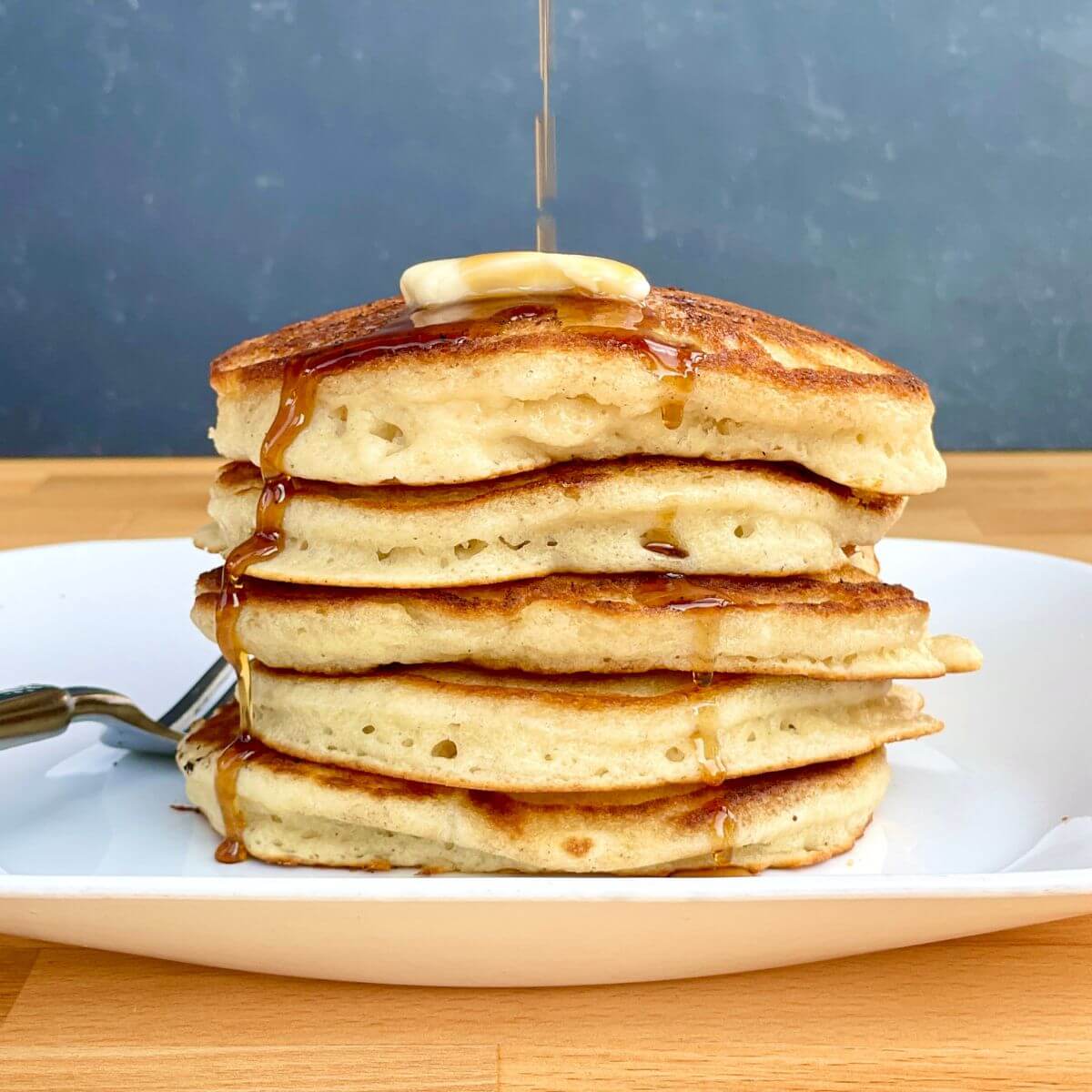
Temperature controls color, texture, and cook time. When you ask What is the best temperature for pancakes on a griddle, you are really asking how to balance browning with a fully cooked center. Too hot and the outside burns before the inside sets. Too cool and pancakes come out pale, flat, and greasy. The right heat gives even rise, a tender crumb, and a golden surface.
The best temperature: exact number and range
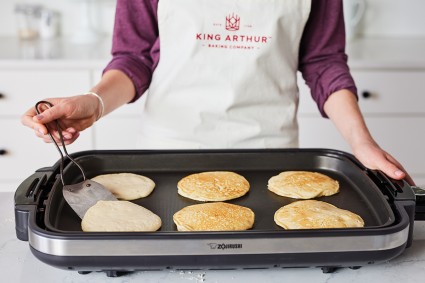
For most griddles and batters, aim for 375°F (190°C). This is the sweet spot that produces quick browning while allowing the center to cook.
Practical ranges to remember:
- 350°F to 375°F works for thicker batter and denser pancakes.
- 360°F to 380°F is ideal for standard American pancakes that are 1/4-inch to 1/2-inch thick.
- 325°F to 350°F is safer for very large pancakes or when using cast iron that runs hot.
When someone asks What is the best temperature for pancakes on a griddle, give them 375°F as the clear starting point. Adjust within the range by 10–25°F based on pancake size, batter temp, and griddle type.
How to measure and test your griddle temperature
Use one of these quick methods to check your surface temperature:
- Use an infrared thermometer. Point it at the surface and wait a second for an accurate read.
- Use a surface probe thermometer for electric griddles if it fits the model.
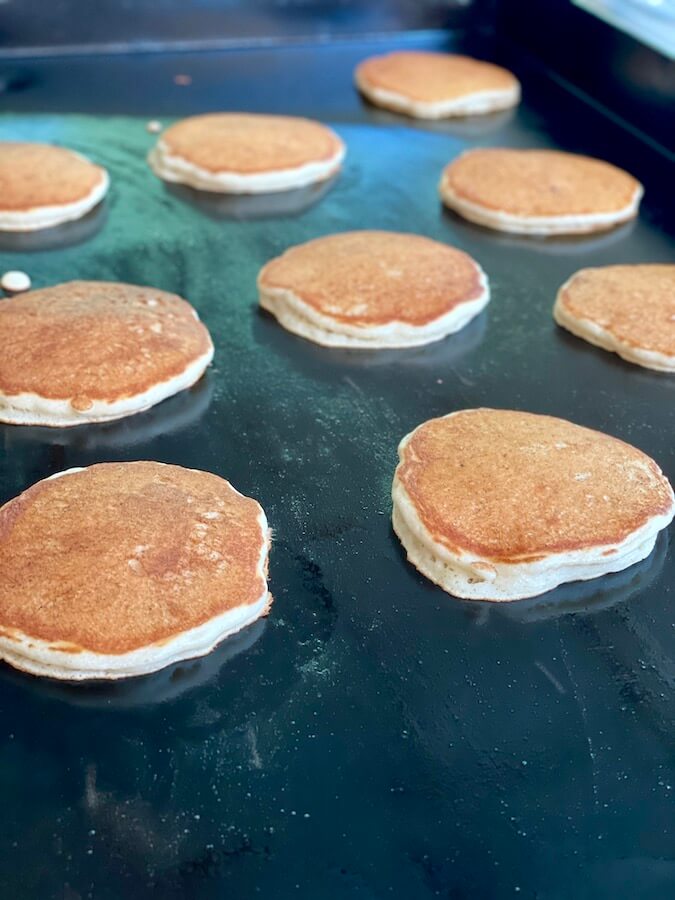
- Do the water test: flick a few drops of water onto the griddle. At around 350°F–375°F, the droplets should dance and sizzle, evaporating in 1–2 seconds.
Start with the measured temp. Then cook a test pancake. Watch how it browns and how long bubbles take to form and pop. This test tells you if your heat is correct for that batter. Asking What is the best temperature for pancakes on a griddle matters less than confirming it on your actual surface.
Griddle type adjustments and settings
Different surfaces behave differently. Here’s how to adapt:
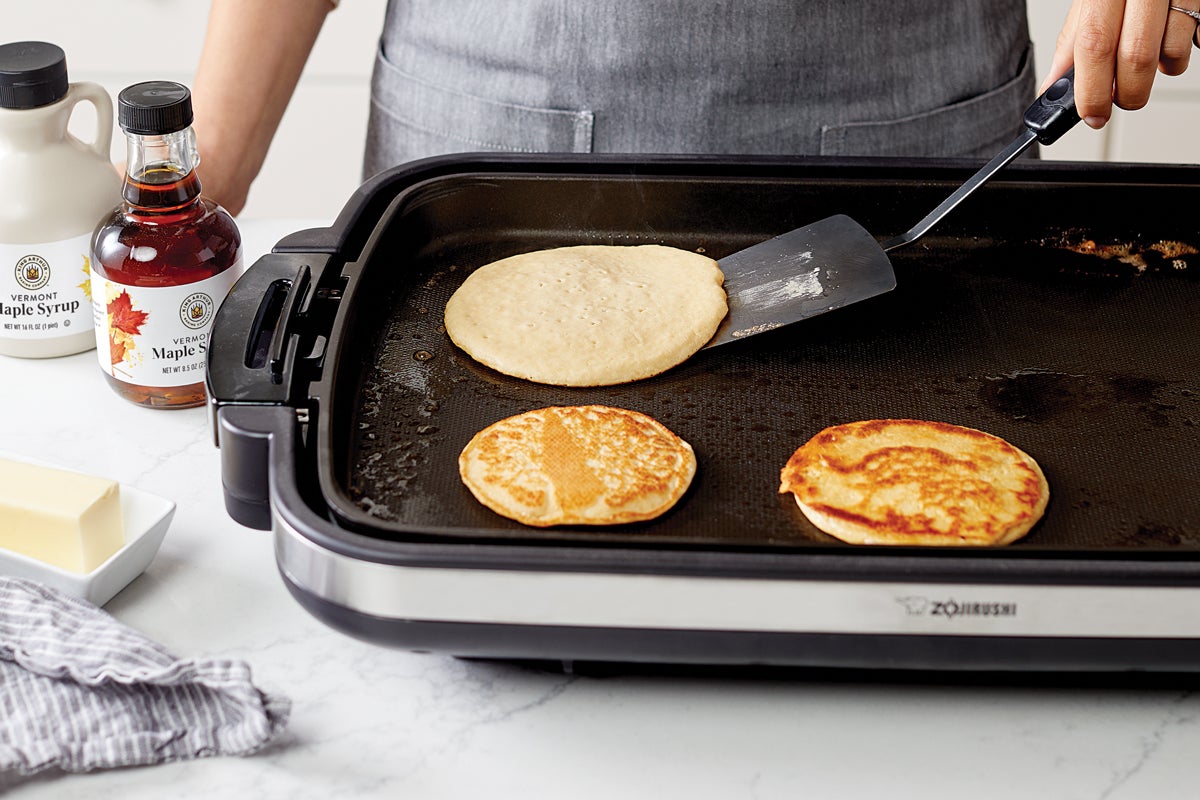
Electric griddles
- Set to 375°F and preheat for at least 10 minutes.
- Use a temperature dial or digital readout when available.
Gas griddles and stovetop pans
- Preheat over medium or medium-high and test with a thermometer or water droplet.
- Cast iron often runs hotter. Start lower, 325°F–350°F, then raise as needed.
Nonstick pans
- Use slightly lower heat, around 350°F–370°F, to protect coating and avoid oil smoking.
When you search What is the best temperature for pancakes on a griddle, remember that the surface material changes how heat transfers. Measure, test, and adjust.
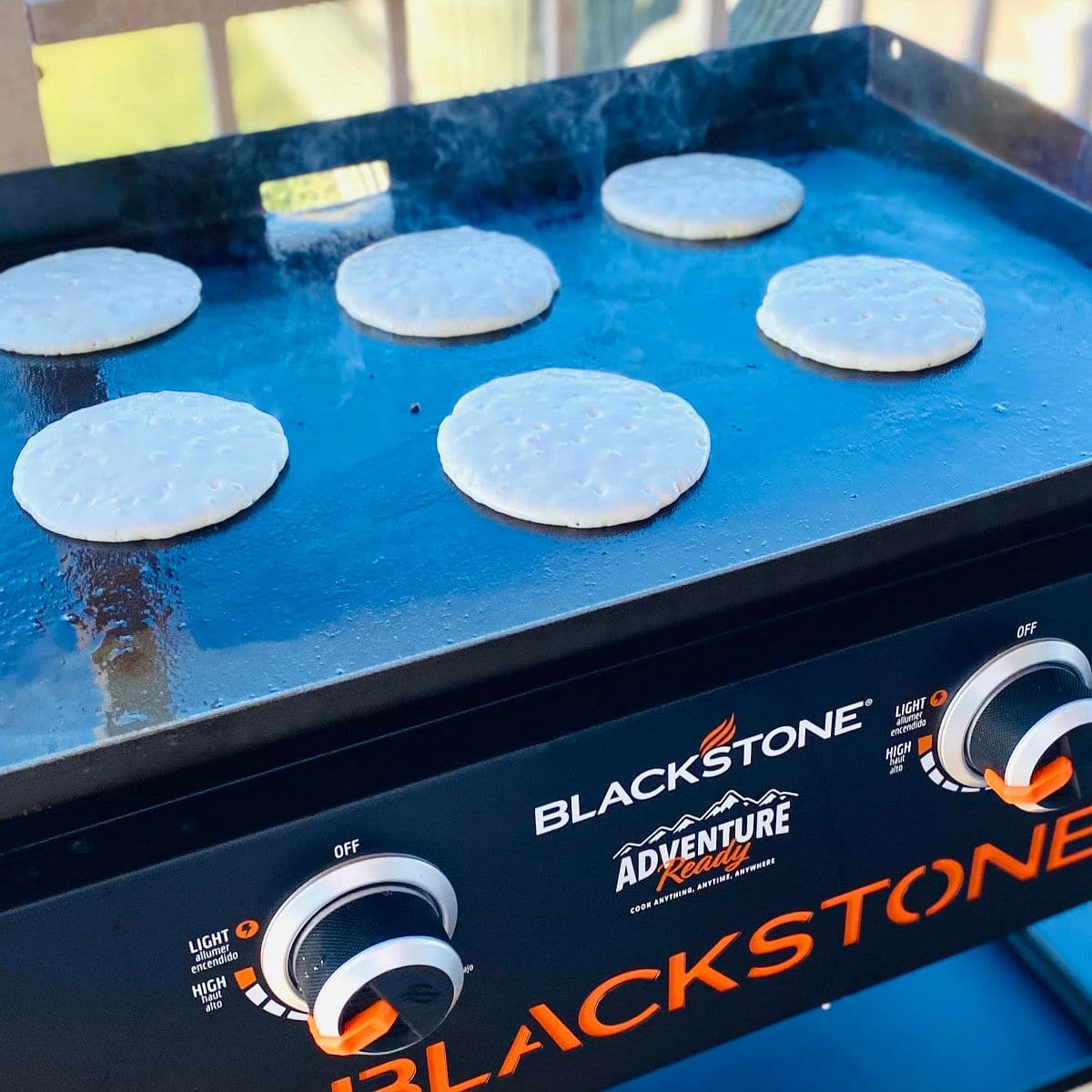
Cooking technique and timing at the right temperature
Follow these steps for consistent results:
- Preheat the griddle to 375°F and let it stabilize for several minutes.
- Lightly oil or butter the surface. Wipe excess fat to avoid burning.
- Pour batter in even amounts. For a classic pancake, use about 1/4 cup per pancake.
- Watch for bubbles across the surface and set edges. Flip when bubbles form and most have popped, about 2 minutes.
- Cook second side 45–90 seconds until golden and cooked through.
Timing shifts with batter temperature. Cold batter takes longer. Thicker batter needs a few extra degrees or a slightly longer cook time. When readers ask What is the best temperature for pancakes on a griddle, these timing rules help turn the number into a repeatable process.
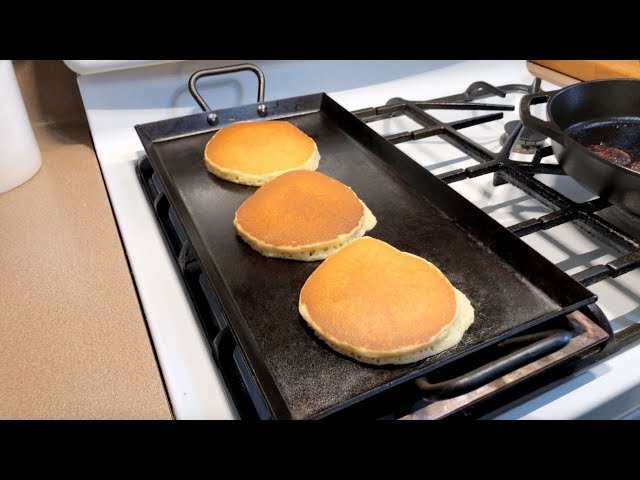
Common problems and quick fixes
Pancake burns outside, raw inside
- Cause: griddle too hot. Fix: lower heat 25°F and test again.
Pancakes pale and limp - Cause: griddle too cool or batter too thin. Fix: raise temp to 375°F and thicken batter slightly.
Pancakes stick - Cause: insufficient fat or not heated enough. Fix: preheat fully and use a thin oil layer.
Uneven browning - Cause: hot spots on griddle or uneven batter. Fix: rotate pancakes and check griddle temp with an IR gun.
These fixes answer the practical side of What is the best temperature for pancakes on a griddle by pairing temperature with cooking technique.
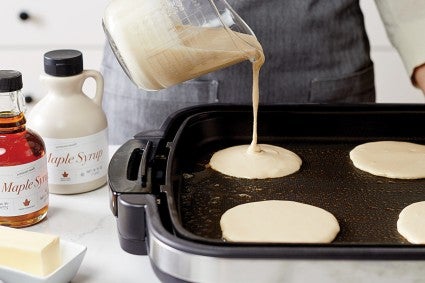
Personal tips, mistakes I made, and lessons learned
I once cooked a full batch at what felt like medium heat and wound up with charred outsides and doughy centers. After switching to a measured 375°F and testing with small pancakes, my results improved fast. Here are tips from my experience:
- Always preheat 5–10 minutes until temperature stabilizes.
- Use an infrared thermometer for fast verification.
- Make one small test pancake first. It tells you everything.
- Keep the batter at room temperature for even cooking.
- Use a thin swirl of oil, not a slab of butter, to prevent burning.
I learned to trust readings over dial settings. That shift fixed many breakfast mistakes and made mornings less stressful.
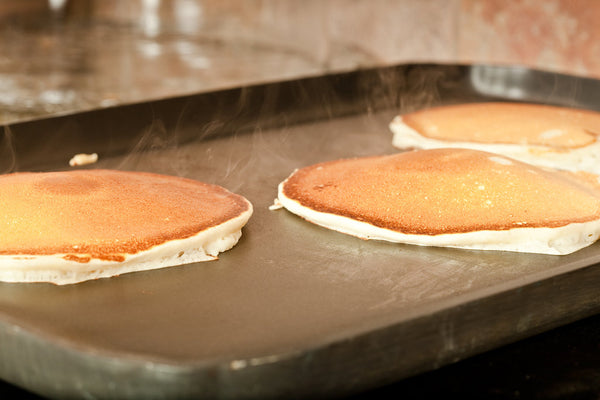
Recipe tweaks and altitude or ingredient notes
High altitude
- At high altitudes, batter may rise faster and then collapse. Lower the griddle heat by 10–20°F and cook a touch longer.
Batter variations
- Buttermilk or yogurt batters brown faster. Reduce heat slightly to avoid dark crusts.
- Whole-grain batters may need slightly higher heat or longer cooking to set the center.
Cold add-ins
- Frozen fruit or chocolate chips lower surface temp on contact. Give pancakes an extra 15–30 seconds after flipping.
These considerations refine the basic answer to What is the best temperature for pancakes on a griddle for varied kitchens and recipes.
:max_bytes(150000):strip_icc()/faw-pancake-griddles-test-beautiful-drew-extra-large-electric-brierley-horton-10-1-74c02acd334145fa973dca237d8a4088.jpeg)
Frequently Asked Questions of What is the best temperature for pancakes on a griddle
What exact temperature should I set on my electric griddle for pancakes?
Set the electric griddle to about 375°F (190°C). Preheat for 8–12 minutes and test with a small pancake before a full batch.
How can I test my stovetop griddle temperature without a thermometer?
Flick a few drops of water on the surface; at the right temp the droplets should dance and evaporate in about 1–2 seconds. Make a 2-inch test pancake to confirm browning and cook time.
Does batter temperature change the griddle setting I should use?
Yes. Cold batter slows cooking, so either let it sit at room temp or increase griddle heat by about 10°F. The baseline of 375°F still applies for most batters.
Will the best temperature differ for thin vs thick pancakes?
Thicker pancakes may do better at 350°F–375°F to avoid burning outside while cooking inside. Thin pancakes cook quickly and can handle 375°F–380°F.
Can I use butter on a 375°F griddle without burning it?
Yes, but use it sparingly and consider combining butter with a neutral oil to raise the smoke point. Wipe excess butter so it doesn’t blacken and smoke.
Conclusion
A steady surface temperature around 375°F (190°C) will give you the best balance of color, lift, and a fully cooked center for most pancakes. Measure your griddle, run a quick test pancake, and adjust by small steps to match your batter and equipment. Try these tips at your next breakfast and you’ll notice the difference. Share your results, ask questions, or subscribe for more practical cooking guides and quick troubleshooting tips.