Boiling starch and trapped steam make bubbles; mostly normal unless it overflows or smells bad.
I’ve cooked rice for years and repaired a few rice cookers, so I know the signs of normal bubbling versus trouble. This article explains why are there bubbles in my rice cooker, breaks down the science, lists common causes, and gives clear fixes you can use today. Read on to learn simple checks, prevention tips, and when to worry.

How bubbles form inside a rice cooker
Rice releases starch into water as it absorbs heat. That starch makes the water thicker and foamy. Steam forms under the lid and pushes the starchy foam up as bubbles. If the steam escapes slowly, bubbling can increase and push foam over the pot rim.
If you ask why are there bubbles in my rice cooker, the short technical answer is starch + heat + trapped steam. Those three together make the foam you see. Most of the time this is normal and harmless.

Common causes of bubbles and foam
- Too much starch in the water. Rinsing rice reduces surface starch and lowers bubbling.
- High rice-to-water ratio. Extra water means longer boiling and more foam.
- Overfilled pot. Filling past the max line lets foam reach the lid and spill.
- Type of rice. Short-grain and sushi rice release more starch and make more foam.
- Detergent residue or oil. Soap left in the pot or oil on the rim can change surface tension and increase bubbling.
- Damaged or warped lid seal. Poor venting traps steam and raises foam levels.
If you are repeatedly asking why are there bubbles in my rice cooker, check these items first. Small changes often stop the boil-over.
:max_bytes(150000):strip_icc()/GettyImages-1216276915-2000-4ac81283f0b04c9e8d96e1eb2dd83450.jpg)
When bubbles are normal versus when they indicate a problem
Normal bubbling
- Short bursts of foam during the boil stage are common.
- Clear, mild-smelling steam and no overflow means normal operation.
Warning signs of a problem
- Persistent, violent boil-over that soaks the cooker base or countertop.
- Burnt smell, dark residue, or rice stuck to the inner pot after cooking.
- Foamy water leaking into the base or around electrical parts.
If you keep wondering why are there bubbles in my rice cooker and you see these warning signs, unplug the cooker and inspect it. Safety first.

How to prevent excessive bubbles and boil-over
- Rinse rice well. Rinse until the water runs clearer to remove extra starch.
- Use correct water ratio. Follow the rice cooker instructions for each rice type.
- Don’t overfill. Keep below the max fill line by at least one cup when cooking.
- Add a small splash of oil or a butter cube. This reduces surface foam for some rice types.
- Stir then let sit. Stir rice briefly before turning the cooker on to reduce clumps, then leave to cook.
- Use a heat diffuser or lower setting if your cooker has one. Reduce aggressive boiling.
If you still wonder why are there bubbles in my rice cooker after trying these steps, try a different rice variety or adjust water slightly down.
Cleaning and maintenance tips to reduce bubbling
- Rinse the inner pot after each use to remove starch and residue.
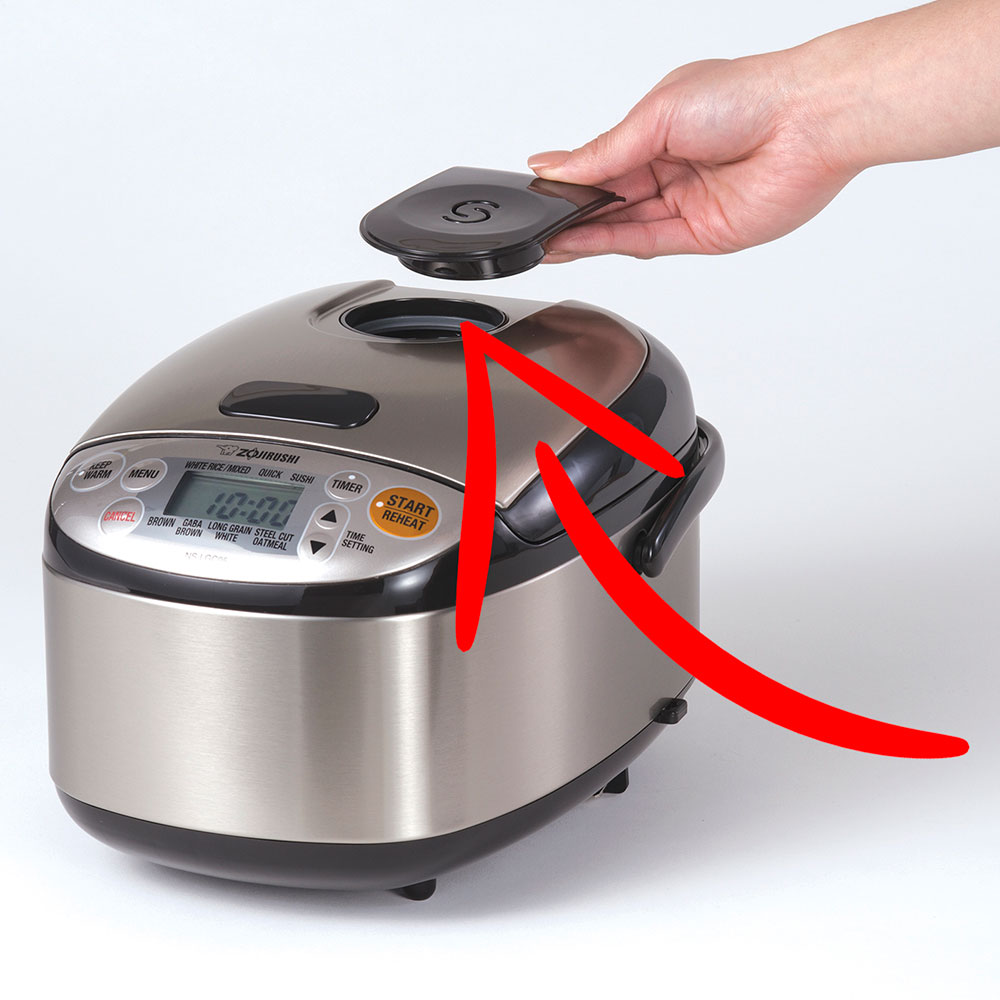
- Clean the lid, steam vent, and gasket regularly to ensure proper venting.
- Check the heating plate for stuck starch and wipe it clean once cool.
- Avoid strong detergents that leave residue; rinse thoroughly.
- Replace a warped inner pot or damaged seal to restore correct steam flow.
Proper maintenance answers many questions like why are there bubbles in my rice cooker and keeps the appliance safe and efficient.

Personal experiences and lessons learned
I once had a rice cooker that boiled over every time I made sushi rice. Rinsing rice three times and lowering the water by one quarter cup fixed it. Another time, soap residue caused sticky foam to build up; a deep clean stopped the problem. Those experiences taught me to check starch, fill level, and vents first.
If you keep asking why are there bubbles in my rice cooker, treat it like a troubleshooting checklist: rinse, measure, clean, and test.

Troubleshooting: what to do if your rice cooker keeps bubbling over
- Turn off and unplug the cooker. Let it cool before handling.
- Remove excess foam and rice from the rim and inner pot.
- Clean the lid, vent, and inner pot thoroughly. Rinse well to remove soap.
- Re-test with less water and rinsed rice. Cook a small batch first.
- If the base has residue or the heating element got wet, have a technician inspect it.
If these steps don’t stop the problem, persistent overflow or electrical issues mean it’s time to replace or service the unit. Don’t ignore repeated boil-overs.
Frequently Asked Questions of why are there bubbles in my rice cooker
Why are there bubbles in my rice cooker every time I cook rice?
Most rice releases starch when it cooks, creating foam and bubbles. Rinsing rice and reducing water slightly usually cuts bubbling.
Can too much water cause bubbling in a rice cooker?
Yes. Extra water extends vigorous boiling and increases foam. Use the recommended water-to-rice ratio to avoid this.
Is it safe if my rice cooker bubbles over?
Occasional mild bubbling is safe. If it overflows into the base or produces a burnt smell, unplug it and inspect for damage.
Will rinsing rice stop bubbles completely?
Rinsing reduces starch and greatly lowers foam, but it may not stop bubbles entirely, especially with short-grain rice.
Does oil or butter help prevent bubbles in a rice cooker?
A teaspoon of oil or a small butter piece can reduce surface foam for many rice types, but it can slightly change flavor and texture.
My rice cooker still bubbles after cleaning. What now?
Try cooking a small test batch with a different rice type and less water. If bubbling persists, check the vent and lid seal or seek repair.
Conclusion
Bubbles in your rice cooker mostly come from starch, heat, and steam interacting. Most bubbling is normal and easy to manage with rinsing, correct water ratios, cleaning, and not overfilling. If you see overflow, burnt smells, or electrical issues, stop using the cooker and inspect or repair it. Try the prevention tips above on your next batch and note the change. If this article helped, subscribe for more practical appliance tips or leave a comment with your rice cooker brand and problem so I can offer specific advice.