
Thermometer errors often come from probe placement, calibration issues, weak batteries, or a damaged probe.
I’ve tested dozens of thermometers in home kitchens and pro settings, so I know how confusing a low reading can be. This article explains why is my meat thermometer reading low, what causes it, how to test and fix the problem, and practical tips to avoid bad reads. Read on for clear steps, real examples, and easy checks you can do now to get accurate temps and safe, tasty meat.
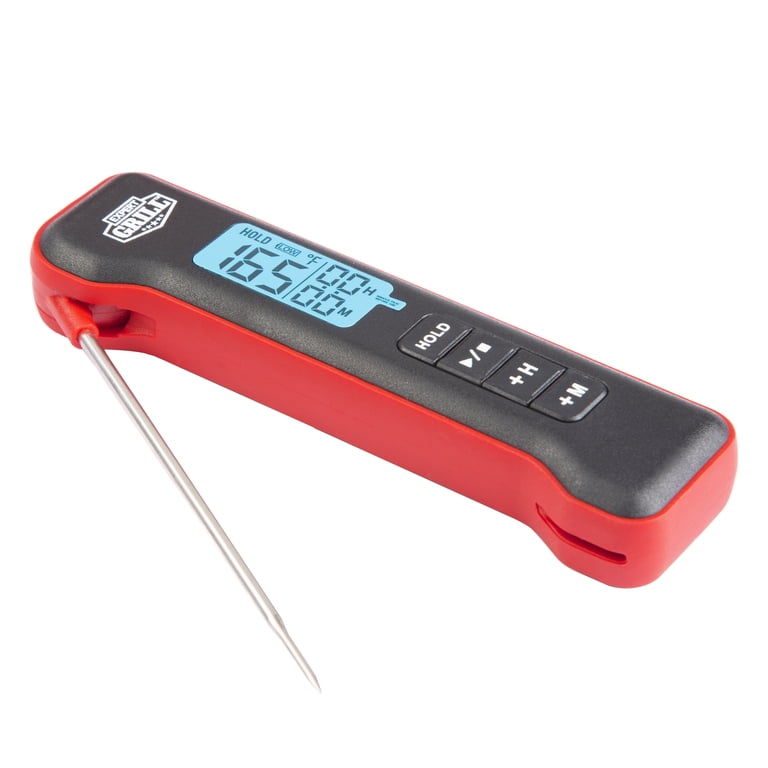
Common reasons your meat thermometer reads low
There are simple, common causes when you ask why is my meat thermometer reading low.
Many users miss one or two key checks. A poor reading often comes from where the probe sits. If the probe touches fat, bone, or the pan it will show a cooler number.
Calibration drift and dead batteries also lower readings. A damaged probe or loose connection can cut readings too.
Environmental factors like very cold or very hot ovens can confuse older or non-OC thermometers.

How to test and calibrate so you stop asking why is my meat thermometer reading low
Testing your thermometer takes two quick checks. First, the ice-water test: fill a glass with crushed ice and cold water, insert the probe away from the glass sides, and wait 30–60 seconds. The reading should show 32°F (0°C); if it reads low, adjust or note the offset.
Second, the boiling test: bring water to a full boil and check the probe; it should read around 212°F (100°C) at sea level. Remember altitude lowers boiling point, so correct for elevation.
Many digital models have a simple calibration or offset setting. If yours does not, log the error and mentally add the offset to future readings. Repeat tests after battery changes or if you drop the thermometer.
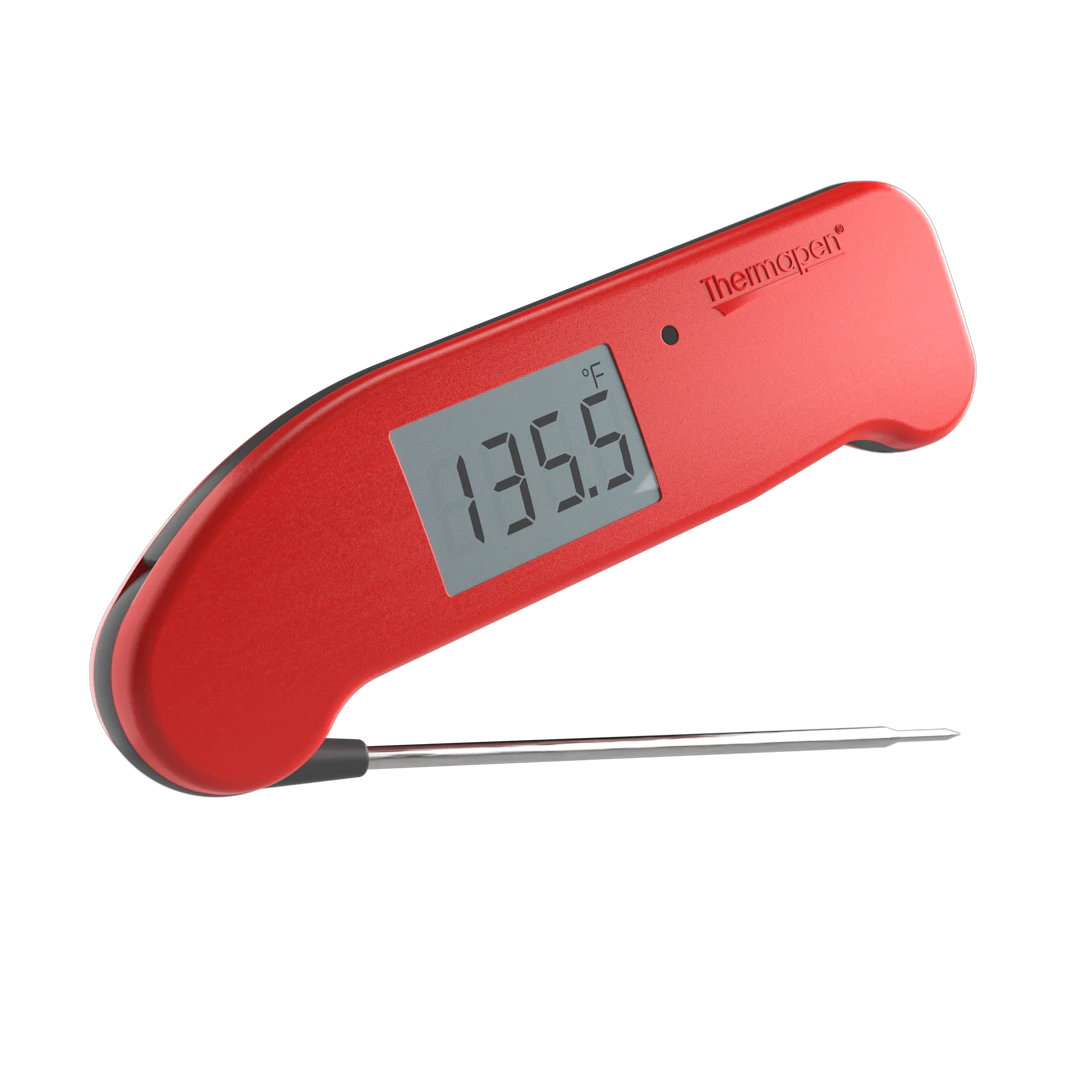
Types of meat thermometers and quirks that explain low readings
Mechanical dial thermometers can lose accuracy if dropped. Their internal components shift and can read low.
Digital instant-read probes are fast, but cheap models can show low numbers if the probe wire is kinked or the connector is loose. Oven probes placed too close to heating elements or in air pockets will read low.
Wireless and Bluetooth thermometers may show a lag or low number if the probe battery is weak or the transmitter has interference. Knowing your thermometer type helps you diagnose why is my meat thermometer reading low.

Real-world tips, my experiences, and mistakes to avoid
I once cooked a turkey and got low temps because I had the probe too close to a bone. The breast read 10°F lower. I learned to aim the probe at the thickest part, away from bone and fat.
I also learned to swap batteries often in wireless probes. Low battery on one unit showed 8–12°F low until I replaced it. Keep spare batteries and test before guests arrive.
Avoid leaving the probe in the oven during searing unless it’s rated for high heat. I melted one plastic-wired probe that then read low and erratically.
 checklist: quick fixes for low readings”
style=”max-width: 100%; height: auto; border: 2px solid black; border-radius: 10px; display: block; margin: 0 auto;”
loading=”lazy”
/>
Troubleshooting checklist: quick fixes for low readings
Use this step-by-step list when you wonder why is my meat thermometer reading low:
- Check probe placement: insert into the thickest part, avoid bone and fat.
- Run an ice-water test and a boiling test to confirm accuracy.
- Replace batteries, then retest to see if readings rise.
- Inspect the probe and cable for breaks, kinks, or loose plugs.
- Calibrate or note offset and add to future readings.
- Try a second thermometer to confirm the reading.
- Avoid extreme air pockets or placement near oven walls or heating elements.

How to interpret low readings for safety and cooking results
A low reading may mean undercooked meat or a bad thermometer. Trust a confirmed low value from a tested, calibrated tool. If you find low temps and can’t fix the device, use a backup thermometer or finish cooking to a higher verified temp.
Food safety standards call for specific internal temps for doneness and safety. If in doubt, recheck with a reliable thermometer or extend cooking time until the correct safe temperature is reached. Reheating or holding meat after fixing the thermometer is better than risking undercooked food.

Frequently Asked Questions of Why is my meat thermometer reading low
Why is my meat thermometer reading low after I dropped it?
Dropping can shift or damage internal parts, especially in dial thermometers. Test with ice and boiling water; if the error persists, repair or replace the unit.
Can a weak battery make my thermometer read low?
Yes. Low batteries often cause digital thermometers to show lower-than-actual temperatures or erratic values. Replace the battery and retest to be sure.
Does probe placement affect readings?
Yes. If the probe touches bone, fat, or the pan, it will read low. Aim for the center of the thickest part of the meat for accurate readings.
How often should I calibrate or test my thermometer?
Test before heavy use and after any shock, long storage, or battery change. A quick ice test monthly is a good habit for home cooks.
Can oven temperature affect my thermometer reading?
Oven hot spots and airflow can affect probe reads if the probe is in air rather than meat. Place the probe deep in the meat and avoid direct contact with oven walls or racks.
Conclusion
Low thermometer readings usually point to placement, calibration, battery, or hardware problems. Test with ice water and boiling water, replace batteries, and retest after any shock. Use a reliable placement technique and a backup probe when you cook for others. Take one quick action today: test your thermometer with ice water and note any offset. If you found this helpful, try these steps next time you cook, share your results, or leave a question below.