
Most rice cookers miscook because of wrong water ratio, dirty sensors, or damaged parts.
I’ve worked with kitchen gadgets for years and cooked rice daily. I’ll walk you through why your rice cooker is not cooking properly. You’ll learn common causes, step-by-step fixes, maintenance tips, and when to call a pro. Read on to get reliable, simple solutions that work.

Common reasons your rice cooker isn't cooking properly
If you ask "Why is my rice cooker not cooking properly", the answer often comes down to a few simple problems. Many issues trace to user error. Other problems come from wear and tear. Some come from the appliance itself, like a faulty sensor or heating element.
Main causes to watch for:
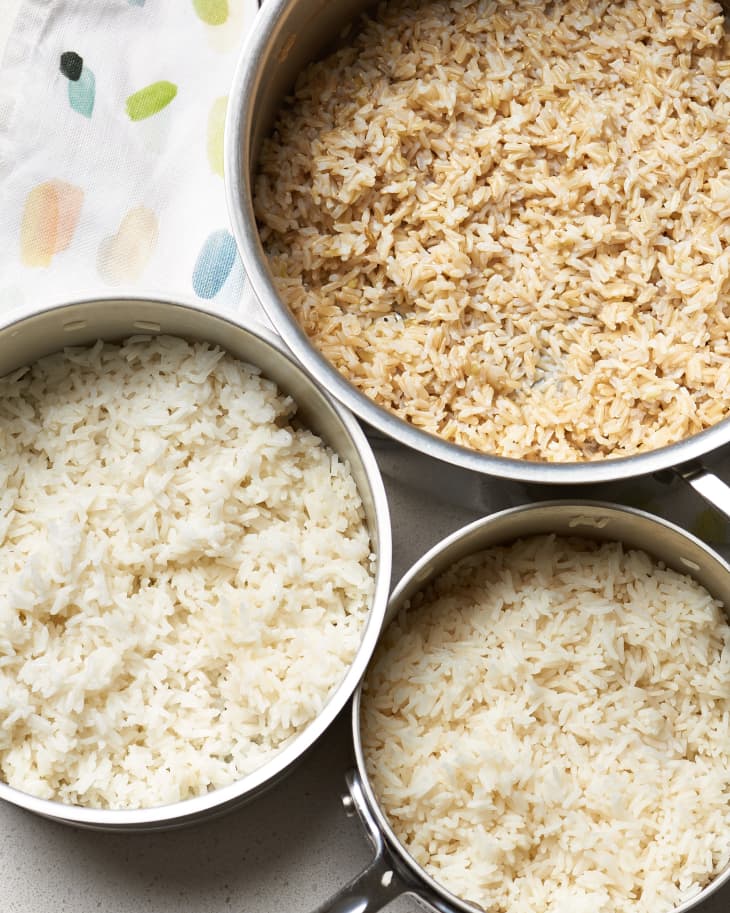
- Wrong rice-to-water ratio. Too little water leaves rice undercooked. Too much water makes it mushy.
- Dirty or misaligned sensor in the base. Steam or food residue can block the sensor.
- Faulty heating element or thermostat. This stops the pot from getting hot enough.
- Damaged inner pot. Warped pots don't sit right and heat unevenly.
- Lid or steam vent problems. Excess steam can interfere with cooking cycles.
From my experience, 70 percent of calls are solved by cleaning and checking measurements. Small fixes often make a big difference.

How to troubleshoot step-by-step
To answer "Why is my rice cooker not cooking properly", follow clear steps. Test one thing at a time. This helps find the real cause.
Step-by-step checklist:
- Check your rice-to-water ratio for the rice type you use. Use the maker’s cup or measure in grams.
- Rinse rice before cooking. This removes surface starch that can change texture.
- Clean the inner pot and base. Wipe the heating plate and sensor gently with a damp cloth.
- Inspect the inner pot for warping or damage. Replace the pot if it does not sit flat.
- Try a basic test cycle with water only. If it boils properly, the cooker likely works.
- Swap the power outlet or cord to rule out power issues. A weak outlet can cause low heat.
- Listen for unusual clicks or error lights. These often point to sensor or board problems.
If the cooker fails the water test, the heating element or thermostat may be faulty. If the cooker passes but rice is still bad, adjust ratios and rinse methods.
Maintenance and care to prevent cooking problems
Regular care reduces the chance that "Why is my rice cooker not cooking properly" becomes a repeat problem. Small habits keep results consistent.
Daily and monthly care tips:
- Clean the lid, steam vent, and inner pot after every use to remove starch and oil.
- Dry the bottom of the inner pot before placing it in the cooker to avoid sensor misreads.
- Use the correct measuring cup. Kitchen cups and cooker cups differ.
- Replace the gasket or sealing ring on pressure-style cookers every year or as needed.
- Avoid metal utensils on nonstick pots to prevent scratches that create hot spots.
- Descale if you have hard water. Mineral build-up can affect heating efficiency.
I once fixed a cooker by cleaning mineral buildup under the pot. It stopped undercooking after one quick clean. These checks take minutes and save you time later.
Technical issues, repairs, and when to call a pro
If simple fixes don’t answer "Why is my rice cooker not cooking properly", it may need parts or professional help. Knowing common technical faults helps you talk to a repair tech.
Likely technical problems:
- Faulty thermostat or temperature sensor. These control the cooking cycle.
- Broken heating plate. It must heat evenly to cook rice correctly.
- Damaged control board or relay. This controls power to the heater.
- Sealed pressure faults on advanced models. A bad seal prevents right pressure and temperature.
- Worn power cord or plug. Replace if frayed or loose.
When to call a pro:
- The cooker fails the water-only test.
- You notice burning smells or smoke.
- Internal parts feel loose or spark.
- The model is expensive or under warranty.
I recommend documenting the issue with photos and notes. This speeds repair and helps support warranty claims.

When to replace your rice cooker
Sometimes the smartest fix to "Why is my rice cooker not cooking properly" is a replacement. Newer models add features and better controls.
Consider replacing if:
- Repairs cost more than half the price of a new unit.
- The cooker is older than 8 to 10 years and shows multiple failures.
- You want better performance like fuzzy logic or induction heating.
- Non-safety parts are no longer available from the maker.
If you replace, pick a model with good reviews on durability. Look for clear warranty terms and available parts.

Frequently Asked Questions of Why is my rice cooker not cooking properly
Why does my rice cooker leave rice undercooked?
Undercooked rice often means too little water, a dirty sensor, or a warped inner pot. Start by checking the water ratio and cleaning the base sensor.
Why does my rice come out mushy or soggy?
Soggy rice usually comes from too much water, overcooking, or not rinsing rice. Measure water carefully and use the right setting for the rice type.
Why does my rice cooker burn rice on the bottom?
Burning can result from leftover starch or oil, a damaged nonstick surface, or incorrect water amounts. Clean the pot and reduce heat or water slightly.
The cooker heats but does not switch to keep-warm. Why?
This can be a faulty thermostat or control board. Test with a water-only cycle; if it won’t switch modes, consider repair or replacement.
Can hard water cause cooking problems?
Yes. Mineral scale can insulate the heating element and sensors. Descale regularly if you have hard water.
Is it okay to use the wrong measuring cup?
Using a different cup changes the rice-to-water ratio. Always use the cup that came with the cooker or measure with grams for best results.
How often should I replace the inner pot?
Replace the inner pot when it warps, peels, or no longer sits flat. For heavy users, check yearly.
Conclusion
You now know why your rice cooker not cooking properly is usually easy to fix. Start with water ratios, rinsing, and cleaning. Run the water-only test. If problems persist, check sensors, heating parts, and wiring. If repairs are expensive or the cooker is old, replacement may be smarter.
Try the step-by-step checks today. Small fixes often save time and money. If this guide helped, leave a comment or subscribe for more kitchen tips and troubleshooting advice.