
Too much starch, excess water, or a blocked vent usually make a rice cooker overflow.
I’ve cooked thousands of batches of rice and fixed many rice cookers. If you’re wondering why is my rice cooker overflowing, this guide breaks down every common cause, clear fixes, and easy prevention steps. Read on to learn how to stop the mess and get perfectly cooked rice every time.

Causes: Why your rice cooker is overflowing
Rice cooker overflow comes from simple physics and a bit of user error. Here are the main causes and how each one creates that bubbly spill.
-
Too much water for the rice amount
Using more water than recommended produces extra steam and foam. Excess liquid bubbles up and escapes the lid vent or over the rim. -
Unrinsed rice with excess surface starch
Rice carries surface starch. When you cook unrinsed rice, the starch forms froth. Froth traps steam and pushes liquid out, which is why your rice cooker is overflowing. -
Overfilling the inner pot
Filling past the maximum line leaves little room for foam. A full pot has no headspace for boiling action, so hot foam spills out. -
Lid or vent blockage
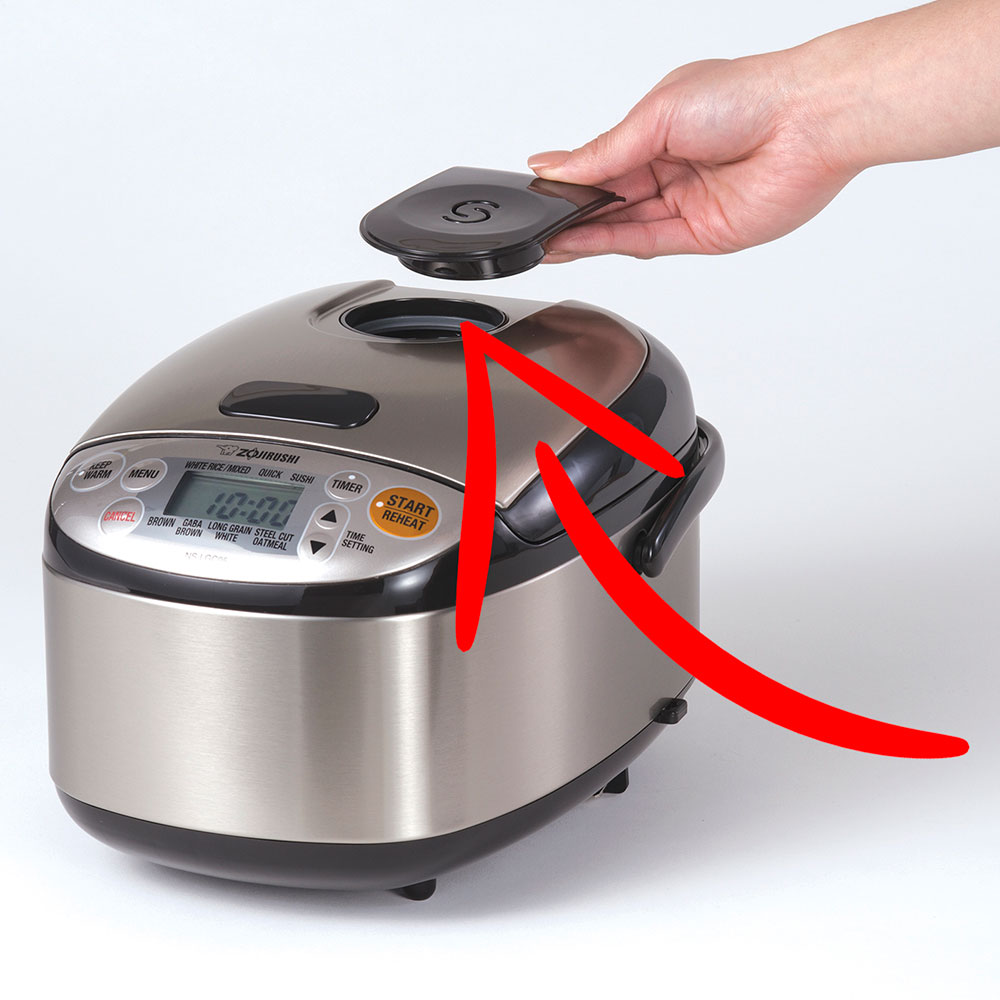
Food bits, starch, or debris can block the steam vent. When steam can’t escape normally, pressure and foam find another path—often over the edge. -
Wrong rice setting or high heat
Using the wrong program or too high heat on multi-function cookers creates rapid boil and violent bubbling. That increases the chance your rice cooker is overflowing. -
Using sweet rice or sticky rice without adjustments
Glutinous or sticky rice makes thicker foam. These varieties often need less water or a rinse to avoid overflow. -
Damaged seal or faulty sensor
A worn gasket or a bad sensor can prevent proper pressure release or misread water levels. That can contribute to overflow events.

How rice cookers work (quick, practical primer)
Knowing the basics helps you see why overflow happens.
-
Inner pot and heating plate interaction
The cooker heats the pot from below. When water boils, steam rises and the rice releases starch. -
Steam vent and pressure points
Steam leaves through a vent or gap. If vents work, pressure stays normal. If not, pressure and foam escape elsewhere, causing overflow. -
Temperature sensors and automatic shutoff
Most cookers switch to “keep warm” when sensors detect steam or when water is absorbed. If sensors are off or delayed, boiling continues and can overflow.

Step-by-step troubleshooting when your rice cooker is overflowing
Follow these steps in order to find and fix the issue quickly.
-
Turn off the cooker and unplug it
Safety first. Wait for pressure to drop and for the inner pot to cool slightly before opening. -
Check water level and rice amount
Compare what you used with the cooker’s markings. If you overfilled, remove some water or rice and try again. -
Open and inspect the vent and lid area
Look for stuck grains and starch. Clean any buildup carefully with a soft brush or cloth. -
Rinse the rice next time
Rinsing removes surface starch. Wash rice in cool water until the rinse runs clearer to reduce foam. -
Adjust water-to-rice ratio for sticky rice
Cut water by 10–20% for short-grain or glutinous rice. Use the cooker’s specific setting if available. -
Test with a smaller batch
Cook half the usual amount to see if overflow stops. If it does, you likely overfilled previously. -
Check the gasket and sensor area
Look for cracks, hardening, or residue. Replace seals or get the cooker inspected if sensors seem faulty. -
Add a teaspoon of oil or butter (optional)
A little fat reduces surface tension and helps break foam. Use sparingly and only when needed.
:max_bytes(150000):strip_icc()/GettyImages-1216276915-2000-4ac81283f0b04c9e8d96e1eb2dd83450.jpg)
Prevention and maintenance tips to stop overflow
Small routines prevent big messes. Try these habits.
-
Rinse rice until water is near-clear
This removes starch. It’s the single best way to cut foam. -
Follow the manufacturer’s water-to-rice guide
Use the pot’s lines or the manual. Different rice types need different amounts. -
Don’t fill past the max line
Leave headspace for boiling and foam. -
Clean vent and lid after every few uses
Wipe away starch and grains. A blocked vent is a common reason a rice cooker is overflowing. -
Use the correct setting for your rice type
White, brown, sushi, and porridge settings differ. Choose the right one. -
Occasionally descale the inner pot
Hard water minerals can change boiling behavior. Wipe with vinegar solution if needed. -
Replace worn parts timely
Gaskets and steam valves age. Replace them to maintain safe performance.
When to repair or replace your rice cooker
Not every overflow means the unit is done. Here’s how to decide.
-
Repair likely if
The problem is a blocked vent, dirty sensor, or worn gasket. These are fixable and often inexpensive to replace. -
Replace if
The heating element fails, the sensor is unreliable, or repair costs near a new unit’s price. Old units also may lack safety features. -
Consider professional service for electric or sealed pressure models
Advanced models need trained service to fix sensors or pressure systems safely.
Common mistakes people make that lead to overflow
Learning from common errors can save time and mess.
-
Using the wrong rice-to-water ratio for the rice type
This is the top mistake. Different rice needs different water amounts. -
Skipping the rinse step
Rinsing is quick and stops most overflow issues. -
Overfilling the pot to save time
It may seem efficient, but it often leads to clean-up time that outweighs the shortcut. -
Ignoring the steam vent cleanliness
A small clogged vent can create a big overflow.

Personal experience and lessons learned
I once tested five rice cookers back to back. One unit overflowed three times in a row. The fix was simple: a thorough rinse and a tiny bit less water. I also learned adding one teaspoon of oil stops foaming for sushi rice. From years of testing and cooking, the best habits are rinsing, following water lines, and cleaning vents routinely. These small steps prevented repeat spills in my kitchen and in testers’ homes.
PAA-style questions (short answers)
-
Why does foamy water come out of my rice cooker?
Foam comes from rice starch and trapped air. Rinsing rice and lowering water cuts foam and prevents overflow. -
Can I add oil to stop rice cooker overflow?
Yes, a teaspoon of oil or butter can reduce foaming by lowering surface tension. Use it sparingly to avoid greasy rice. -
Does rinsing rice really help?
Yes. Rinsing removes surface starch that creates froth. It often solves overflow issues.

Frequently Asked Questions of Why is my rice cooker overflowing
Why is my rice cooker overflowing every time I cook white rice?
Overflow often happens when rice isn’t rinsed or when too much water is used. Rinse the rice and follow the water lines to reduce foam and spills.
Will adding oil prevent my rice cooker from overflowing?
A small amount of oil can reduce foaming and help prevent overflow. Use about one teaspoon per cup of rice for sticky varieties.
Is it safe to cook rice in a cooker that has overflowed before?
Yes, usually it’s safe after cleaning. Unplug the cooker, clean the vent and pot, and inspect seals before using again.
How much should I rinse my rice to stop overflow?
Rinse until the water runs nearly clear, usually two to four quick rinses for most rice types. For very starchy rice, rinse a bit more.
Can a faulty lid or seal make my rice cooker overflow?
Yes, damaged seals or warped lids can change pressure and steam escape paths, which can lead to overflow. Replace worn parts as needed.
Should I use a different setting to stop overflow?
Yes, select the setting that matches your rice type. Use a “white rice,” “sushi,” or “porridge” setting as recommended to control heat and steam.
Conclusion
Rice cooker overflow usually comes down to starch, water, or vent problems. Rinse rice, follow pot markings, avoid overfilling, and clean vents to prevent spills. If problems persist, check seals or get professional help. Try the steps here, and you’ll likely stop the overflow and enjoy better rice. Leave a comment with your rice cooker model or a spill story, and subscribe for more simple kitchen fixes.