
Replace your dish scrubber every 2 to 4 weeks, or sooner if it smells or falls apart.
I’ve spent years testing kitchen tools and caring for small homes. I will show you why the question How often should you change your dish scrubber matters for hygiene, odor control, and saving money. Read on for clear, practical rules, signs to watch for, cleaning tips, and eco-friendly disposal ideas.
Why the question matters for your health and kitchen hygiene
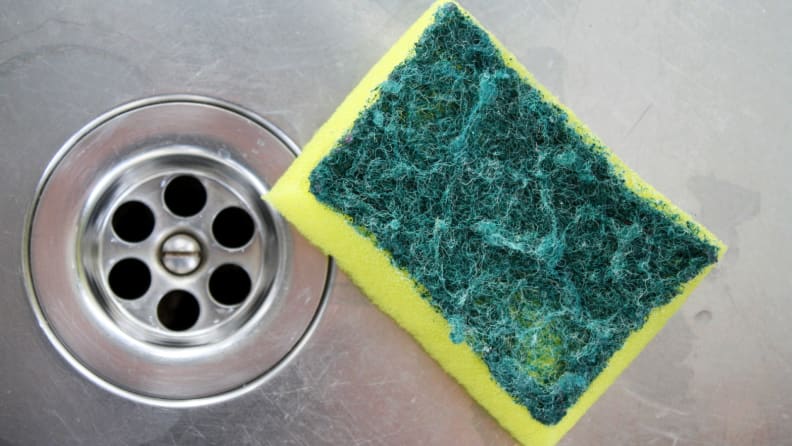
A worn scrubber can hide germs and food bits. Bacteria love damp fibers. That can lead to bad smells and cross-contamination.
Changing your scrubber at the right time cuts germs. It keeps dishes cleaner and your sink fresher. I’ve seen small kitchens get big odor wins by swapping scrubbers on a schedule.
:max_bytes(150000):strip_icc()/GettyImages-1327487899-133750900c7b432da15afd8e15c47231.jpg)
How often should you change your dish scrubber — clear rules
Here are simple, practical timelines based on use and type. Follow the guidance that fits your kitchen.
- For heavy daily use
- Replace every 1 to 2 weeks. This includes families or cooks who wash pots and pans daily.
- For moderate use
- Replace every 2 to 4 weeks. This fits most singles or couples who wash a few items daily.
- For light use
- Replace every 4 to 6 weeks. If you rarely cook at home, you can stretch the life a bit.
- For sponges with scrub pads
- Replace every 1 to 2 weeks. These trap food and moisture fast.
- For silicone scrubbers or brushes
- Replace or deep-sanitize every 4 to 8 weeks. Silicone resists bacteria but still collects grime.
- For steel wool or metal pads
- Replace when rust or metal breakage appears. Metal can shed and scratch. Rust is a clear sign to toss.
Use these rules to answer How often should you change your dish scrubber based on your habits. If you see stains, smell, or frayed edges, change it now.
Signs it’s time to replace your dish scrubber
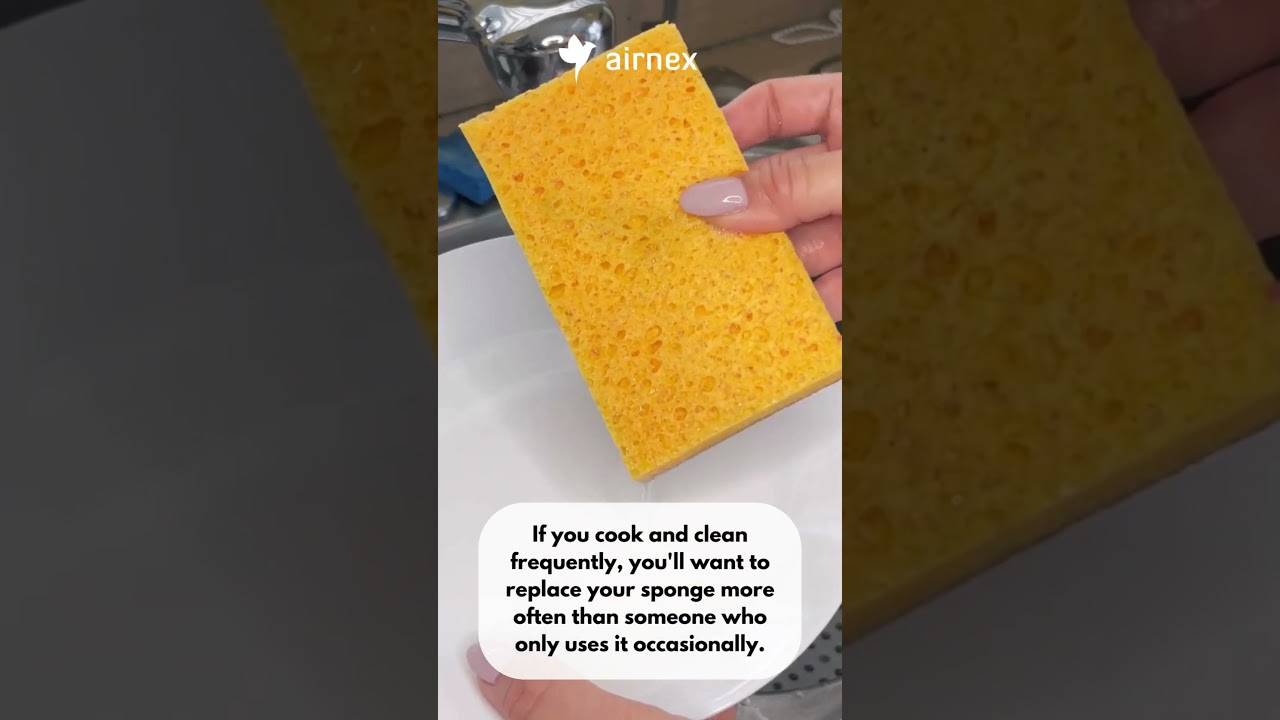
Spot checks work well. Watch for these signs.
- Persistent odor after cleaning
- Smell that won’t go away means bacteria build-up.
- Visible grime or mold
- Dark spots or fuzz are mold. Toss the scrubber.
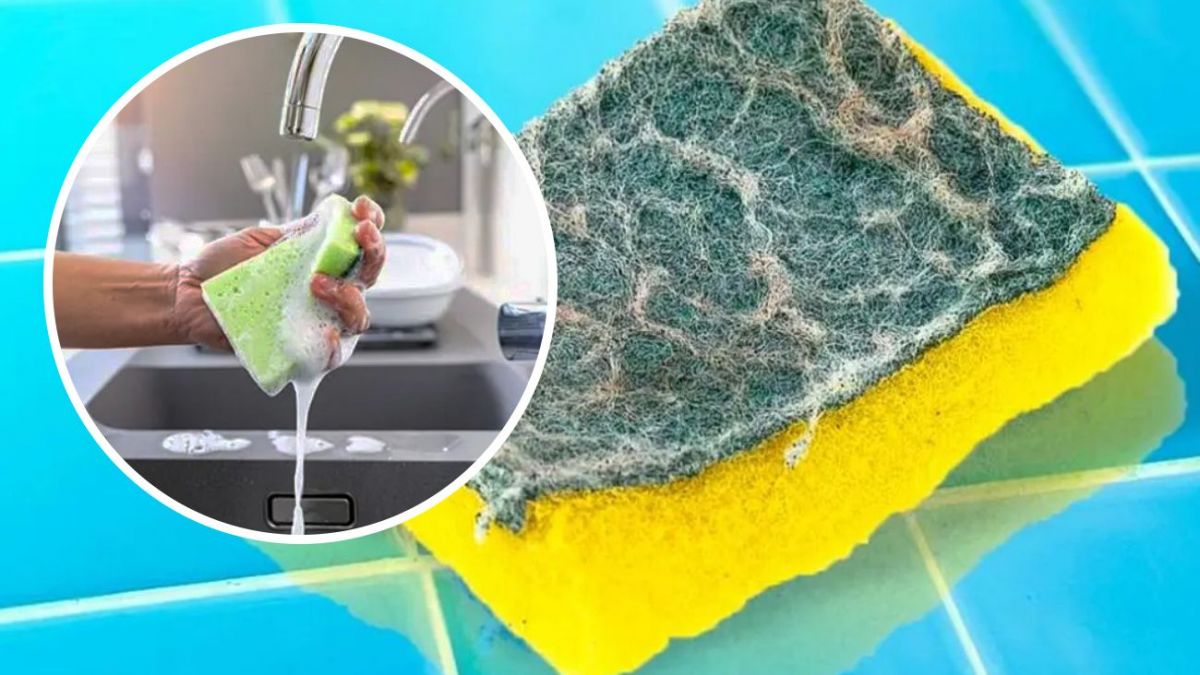
- Fraying or shedding fibers
- Loose bits can end up on dishes.
- Change in texture or breakage
- If it falls apart, replace it right away.
- Cross-contamination after heavy use
- If you used it on raw meat or oily pans, consider replacing.
These clear signs help answer How often should you change your dish scrubber more accurately than a calendar alone.
How to clean and extend the life of your scrubber
Cleaning delays replacement in a safe way. Use these proven methods.
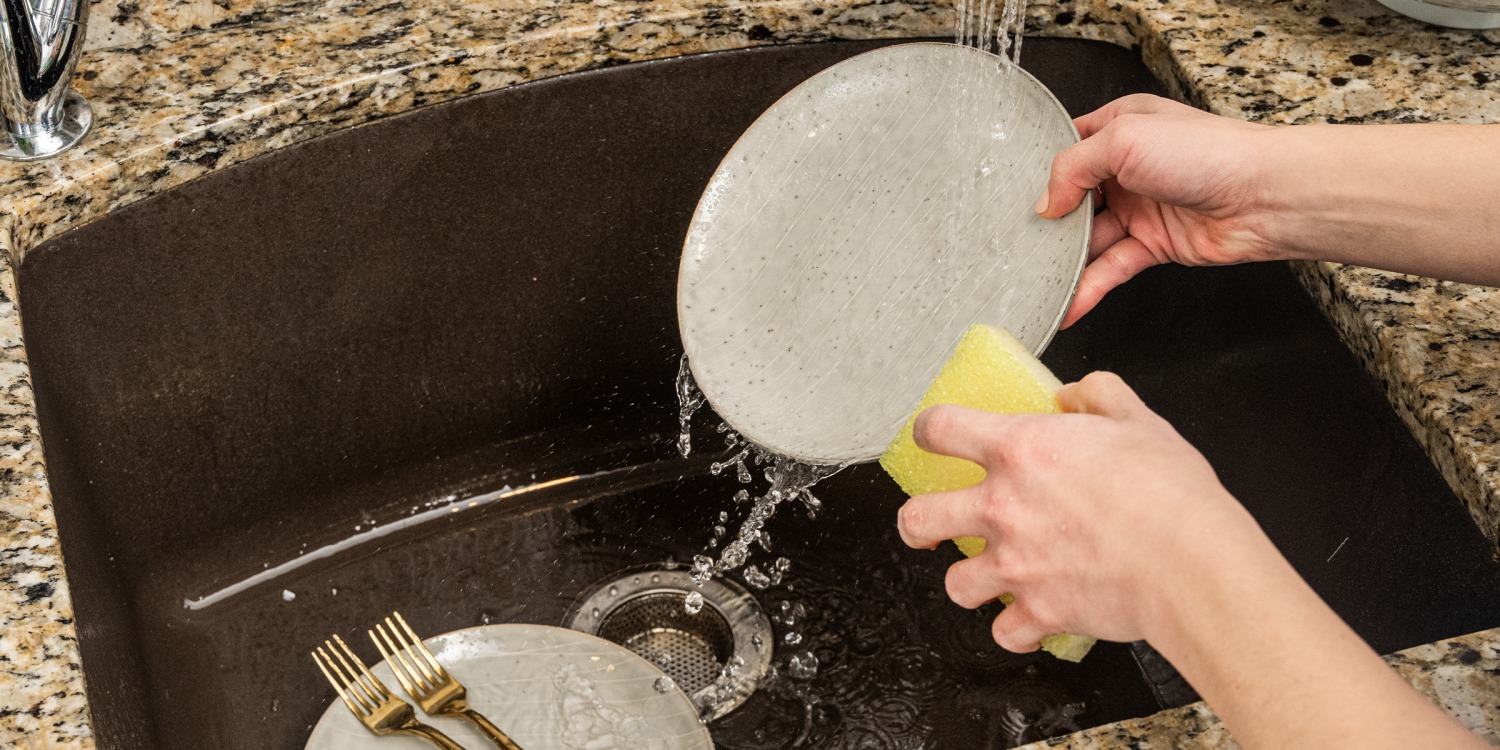
- Rinse well after each use
- Remove food bits and squeeze dry. Air dry the scrubber upright.
- Weekly sanitizing
- Soak in hot soapy water, then rinse. Or soak 5 minutes in a diluted bleach solution (one tablespoon bleach per quart of water), then rinse well.
- Microwave method (for sponges only)
- Wet the sponge and microwave 60–90 seconds. Use caution and never microwave scrubbers with metal or non-microwave materials.
- Dishwasher-safe items
- Place silicone or heat-safe scrubbers on the top rack and run a hot cycle.
- Vinegar or baking soda soak
- A 10–15 minute soak in vinegar or a paste of baking soda and water helps remove odors.
Even with cleaning, keep the rule for How often should you change your dish scrubber in mind. Cleaning helps, but it does not make worn scrubbers brand new.
Best scrubber types and expected lifespans
Pick a scrubber that fits your needs. Know the lifespan to plan changes.
- Cellulose sponges
- Lifespan: 1–2 weeks with daily use. They absorb water and bacteria quickly.
- Sponge with scrubbing pad
- Lifespan: 1–2 weeks. Scrub pads trap food particles.
- Silicone scrubbers
- Lifespan: 4–8 weeks. Easy to clean and more durable.
- Natural fiber brushes (wood handle)
- Lifespan: 4–6 weeks for brush head; replace head when worn.
- Metal scrubbers
- Lifespan: Replace when rust appears or once pieces break off. Not ideal for nonstick pans.
Choose a type that matches your cleaning style. Remember the core question: How often should you change your dish scrubber? Use the type-based timelines above when planning replacements.
Environmental and disposal tips
Throwing scrubbers away often can feel wasteful. Here are greener ideas.
- Compost natural fiber scrubbers
- If the scrubber is made of cellulose or natural fiber, compost it if free of grease or chemicals.
- Recycle metal pads where allowed
- Metal scrubbers may be accepted by metal recycling programs.
- Upcycle worn pieces
- Use small worn scrub pads for cleaning grout or tools before tossing.
- Buy longer-lasting options
- Silicone or replaceable-head brushes cut waste.
- Buy bulk and store properly
- Change on a schedule and avoid overbuying single-use scrubbers.
Weigh hygiene and waste. The question How often should you change your dish scrubber ties to both health and the planet.

Personal experience and lessons learned
I once used one sponge for a month to save money. It developed a smell. Dishes felt less clean. After switching to a simple 2-week swap plan, my sink stayed fresher. I also started labeling scrubbers with dates. This small habit cut odor and saved money on extra deep cleaning.
Tips I learned the hard way
- Don’t trust smell only. Look for frays and residue.
- Sanitize after heavy tasks like cleaning raw meat pans.
- Keep a small caddy to air dry scrubbers between uses.
These practical steps help answer How often should you change your dish scrubber in a real kitchen.
:max_bytes(150000):strip_icc()/how-often-to-clean-sponges-4x3-1930305284-6dc079c934494e2585f507bf30279767.jpg)
Frequently Asked Questions of How often should you change your dish scrubber
How often should you change your dish scrubber if you cook every day?
If you cook every day, change your dish scrubber every 1 to 2 weeks. Heavy use speeds up wear and bacterial build-up.
Can I sanitize a sponge instead of replacing it?
Yes. You can sanitize sponges with hot water, bleach soaks, or microwave (wet only) to reduce bacteria, but replacement is still needed after a short time.
Is a silicone scrubber better than a sponge?
Silicone resists bacteria and lasts longer, often 4 to 8 weeks, but it can still trap food and needs regular cleaning and replacement.
What if my scrubber smells but looks fine?
If it smells after rinsing and drying, toss it. Odor means bacteria that cleaning alone may not remove.
How should I dispose of old scrubbers?
Compost natural fiber scrubbers if grease-free, recycle metal where allowed, and place synthetic scrubbers in regular trash unless a local recycling program accepts them.
Can I use one scrubber for everything in the kitchen?
It’s safer to have separate scrubbers for dishes, counters, and raw meat cleanup. This reduces cross-contamination and extends scrubber life.
Conclusion
A simple schedule keeps your kitchen clean. Replace your scrubber every 1 to 4 weeks based on use and type. Watch for smell, mold, fraying, and rust to decide sooner. Clean and sanitize between changes to get the most from each scrubber. Start a small habit today: mark the date on a scrubber or set a calendar reminder. Try a two-week rotation and see how much fresher your sink feels. Share your experience below or subscribe for more kitchen tips.