
Bolt through the island into floor joists or use concrete anchors for a secure hold.
I’ve built and anchored dozens of islands, and this guide shows exactly how to secure a kitchen island to the floor safely and neatly. I’ll walk you through assessing your floor, choosing the right anchors, step-by-step installation for wood and concrete, and finishing touches that hide hardware and keep the island stable for years.

Why anchoring matters and when to anchor
A loose island is a safety risk. It can tip, wobble, or damage flooring. Securing a kitchen island to the floor prevents accidents and keeps cabinets and counters aligned. This matters more when the island has a heavy countertop, appliances, or seating that people lean on.
Anchoring also protects your investment. Proper attachment reduces long-term stress on joints and hardware. Building codes or local guidelines may require anchoring for tall islands or those with appliances. When you learn how to secure a kitchen island to the floor, you reduce liability and improve function.

Tools and materials you’ll need
Gather the right tools. Short, clear list helps you move fast.
- Drill with wood and masonry bits
- Toggle bolts, lag screws, or concrete anchors
- Angle brackets or heavy-duty L-brackets
- 2x blocking lumber or plywood (for wood subfloors)
- Shims, construction adhesive, and screws
- Level, tape measure, pencil, and stud finder
- Protective gloves and safety glasses
Choose anchor type by floor: wood joists use lag bolts; concrete needs sleeve or wedge anchors. Having the right tools makes how to secure a kitchen island to the floor easier and safer.

Preparation and assessment
Check what’s under your floor. The method depends on subfloor type and joist layout.
- Use a stud finder to locate joists under the island area.
- If you have a suspended wood floor, mark joist centers.
- For concrete slabs, find slab thickness and any underfloor heating.
- Remove base trim or toe kick panels to access the island bottom.
I once started without removing the toe kick. I couldn’t reach the frame easily. Lesson learned: always clear access first. Preparing well simplifies how to secure a kitchen island to the floor and avoids mistakes.
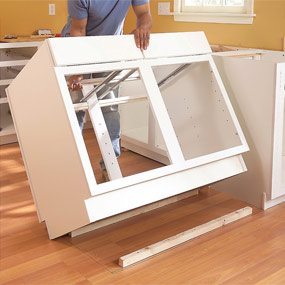
Main methods to secure a kitchen island to the floor
There are several reliable ways to secure a kitchen island to the floor. Pick the method that matches your floor and island type.
- Anchoring to floor joists
- Fasten blocking between joists inside the island base.
- Run lag screws up through the blocking into joists.
- Countersink and conceal with trim or glue.
- Anchoring to subfloor (finished wood or plywood)
- Screw through the island base into the subfloor with long screws.
- Add construction adhesive for added hold.
- Use shims to level before final fastening.
- Anchoring to concrete slab
- Drill with a masonry bit and install wedge or sleeve anchors.
- Use epoxy anchors for heavier islands or appliances.
- Place anchors near cabinet corners and midpoints.
- Brackets and straps
- Use angle brackets to fasten island to nearby wall studs (when island is near a wall).
- Use metal straps that wrap under the counter and bolt to floor.
- Weight and countertop fixation
- Heavy stone counters can help stabilize, but you must still anchor.
- Secure countertop to island and floor-frame to prevent tipping.
Each method answers a different scenario. Understanding options helps you decide the best way for how to secure a kitchen island to the floor.

PAA-style questions
What is the strongest way to secure an island to a concrete floor?
- Use wedge or sleeve anchors sized for load, or epoxy-set threaded rods for maximum strength.
Can you anchor an island without drilling the finished floor?
- Yes. You can anchor to the subfloor from inside the cabinet or use heavy adhesive and weight, but drilling into the subfloor is usually strongest.
Is anchoring required by code?
- Some local codes require anchoring for tall or appliance islands. Check local regulations before installation.
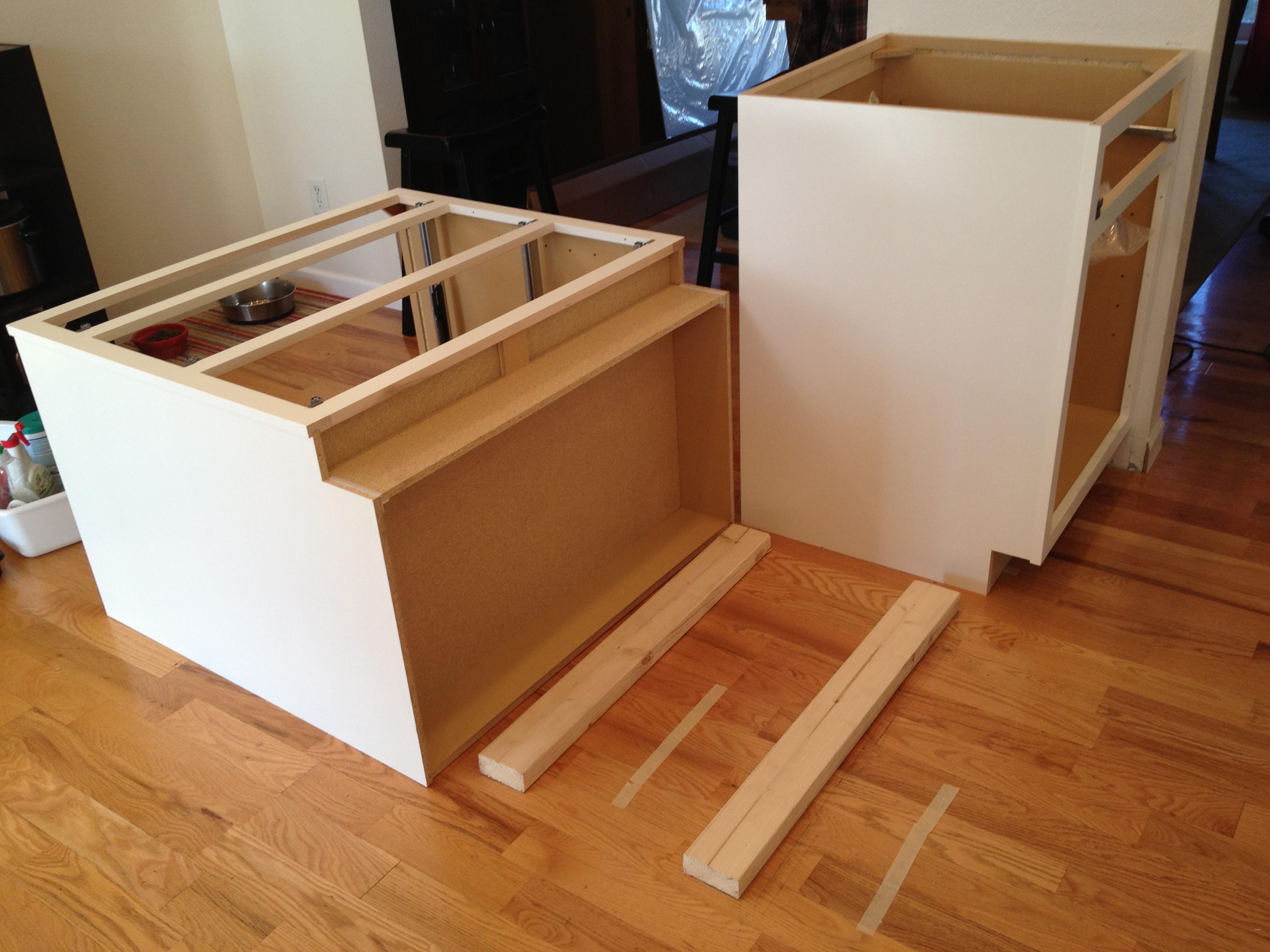
Step-by-step: anchoring to a wood subfloor or joists
Follow these clear steps when you have a wood subfloor.
- Remove toe kick and cabinets’ bottom panels. Expose the island base.
- Locate joists with a stud finder. Mark their centers.
- Install blocking between joists inside the island footprint. Use treated 2x lumber or plywood strips.
- Level the island base with shims so the top will be even.
- Drive 3/8-inch lag screws up through blocking into joists. Use washers and predrill pilot holes.
- Trim or hide screw heads with trim, filler, or the baseboard.
I once used only adhesive and found a small wobble after months. Blocking and lag screws gave a permanent fix. This method is a reliable way to learn how to secure a kitchen island to the floor for wood-frame homes.

Step-by-step: anchoring to a concrete slab
Concrete needs different hardware and care. Here’s a simple plan.
- Remove base panels to access the island bottom.
- Choose anchor points at corners and midpoints. Mark them on the slab.
- Drill holes with a hammer drill and masonry bit to the anchor’s required depth.
- Clean dust from holes with a vacuum or compressed air.
- Insert wedge anchors or sleeve anchors. Tighten to manufacturer torque specs.
- For heavy loads, inject epoxy anchors and set threaded rods.
- Reattach island base, check level, and finish trim.
Concrete anchors offer a robust solution. When done right, you’ll know exactly how to secure a kitchen island to the floor that will stand up to heavy use.

Alternatives, finishing touches, and hiding hardware
After anchoring, finish looks matter. Small details improve durability and appearance.
- Use trim or baseboards to hide screws and brackets.
- Apply construction adhesive between island base and subfloor for extra hold.
- Install adjustable legs or glides to fine-tune leveling.
- Seal gaps with flexible caulk to keep debris out.
- Match screw heads with paint or wood filler for a clean look.
These finishing steps make your island feel built-in. They also help the island keep its secure attachment over time when you follow how to secure a kitchen island to the floor and finish it well.

Common mistakes and troubleshooting
Avoid these common errors when securing an island.
- Not locating joists or reinforcing subfloor: leads to weak anchors.
- Over-tightening concrete anchors: can crack slab.
- Forgetting to level before anchoring: causes uneven countertops.
- Relying solely on countertop weight: risky and often insufficient.
If your island still wobbles, check anchor tightness, inspect blocking, and confirm the floor hasn’t shifted. Small adjustments usually fix it. My tip: tighten in small increments and re-check level often.
Frequently Asked Questions of how to secure a kitchen island to the floor
How deep should anchors go into a concrete slab?
Anchors typically need to reach the manufacturer’s specified embedment, usually 1.5 to 3 inches. Ensure the hole depth and torque follow the anchor instructions.
Can I secure an island without removing the countertop?
Yes. You can access the base via toe kicks or inside cabinets. Removing the countertop is optional but can make access and leveling easier.
Are epoxy anchors better than wedge anchors?
Epoxy anchors are stronger and better for heavy loads or cracked concrete. Wedge anchors are easier and work well in solid slabs.
Will screws into the subfloor damage my floor?
If you pre-drill and countersink, screws into the subfloor won’t harm finished flooring. Cover with trim or filler for a neat look.
Can I anchor an island to tile without cracking it?
Yes, but drill through tile with a proper bit and use slow speed. Alternatively, access the subfloor from inside the island to avoid drilling tile.
Conclusion
Securing a kitchen island to the floor is about safety, stability, and a clean finish. Assess your floor, pick the right anchors, use proper blocking and leveling, and finish with trim and caulk. Take your time, follow the steps above, and you’ll have a secure island that looks built-in and lasts.
Ready to start? Gather your tools, pick the method that fits your floor, and try a small test anchor first. If you liked this guide, leave a comment, share your project photos, or subscribe for more DIY kitchen tips.