
Pressure cookers can explode if misused, but modern units are very safe with proper care.
Can pressure cookers explode? I’ve tested, repaired, and used multiple models in my kitchen for years. I’ll explain how they work, what can go wrong, and clear steps to cook safely. This guide blends hands-on experience, clear safety checks, and practical tips so you can use your pressure cooker with calm and confidence.

How pressure cookers work
A pressure cooker traps steam to raise internal pressure. Higher pressure raises boiling point and cooks food faster. A sealed lid, gasket, and vent control the pressure inside. Safety valves and release systems release excess steam if pressure gets too high.
Can pressure cookers explode? The short technical view
Can pressure cookers explode depends on design, condition, and user actions. Modern models include multiple failsafes that make true explosions rare. Still, blocked vents, damaged parts, or improper use can cause dangerous pressure release or lid failure.
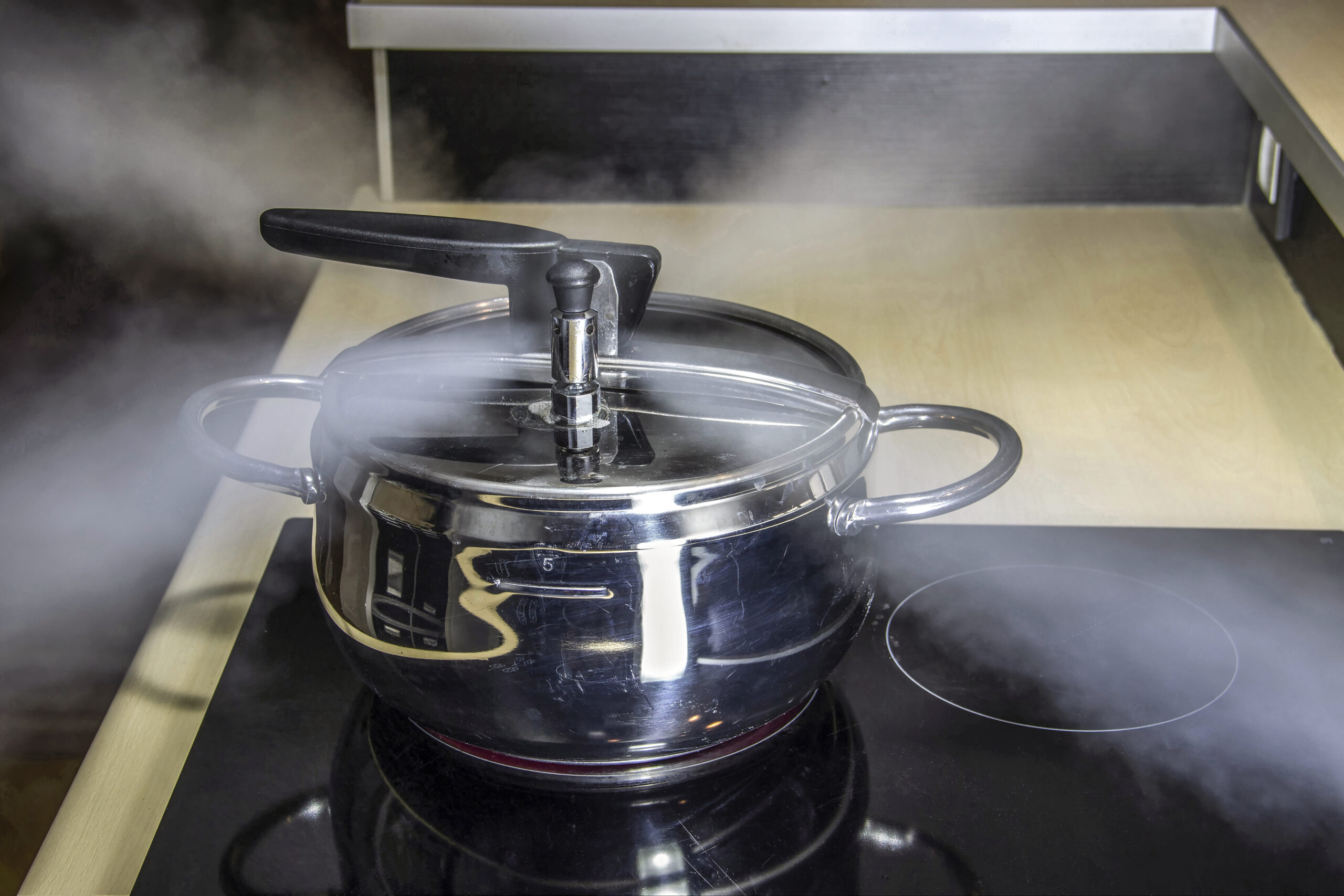
Common causes behind pressure cooker failures
Blocked vent or steam path
- Food or debris can clog the vent. This prevents pressure release and raises risk.
Damaged gasket or seal
- A worn or warped rubber seal can fail. Leaks or sudden ejection of the lid may follow.
Incorrect lid handling
- Opening a cooker too soon or forcing the lid when under pressure can cause hot steam bursts.
Overfilling
- Too much liquid or foam-producing foods can block vents and damage valves.
Manufacturing defects or poor maintenance
- Rare defects or ignored maintenance raise risk. Regular checks matter.
Safety features that prevent explosions
Pressure cookers have layered safety elements to protect you.
- Primary pressure regulator vents steam when pressure is high.
- Safety valves open if the regulator fails.
- Locking lids prevent opening under pressure.
- Gaskets and shields control where steam goes.
These parts work together. They reduce the chance that a pressure cooker will explode. Still, no device is foolproof without basic care.

How to use a pressure cooker safely — practical steps
Always read the manual for your model. Manuals list pressure limits, vent location, and care steps.
Check seals and valves before each use.
- Inspect the gasket for cracks or hard spots.
- Clean the vent and valve path to keep them clear.
Don’t overfill.
- Fill most cookers no more than two-thirds full.
- For foamy foods like beans, fill no more than half.
Release pressure correctly.
- Use natural release or quick release per recipe.
- Keep face and hands away from the steam path during release.
Replace worn parts promptly.
- Gaskets, valves, and regulators have limited life.
- Use manufacturer parts for replacements.
Troubleshooting and maintenance tips
If the cooker whistles more than usual, check the gasket and vent. If food starts spitting from the vent, clean it and try again. Replace parts that look worn or misshapen. Keep a small brush or pipe cleaner handy for vent cleaning. Regular routine checks cut risk and keep the cooker working as designed.

My experience and lessons learned
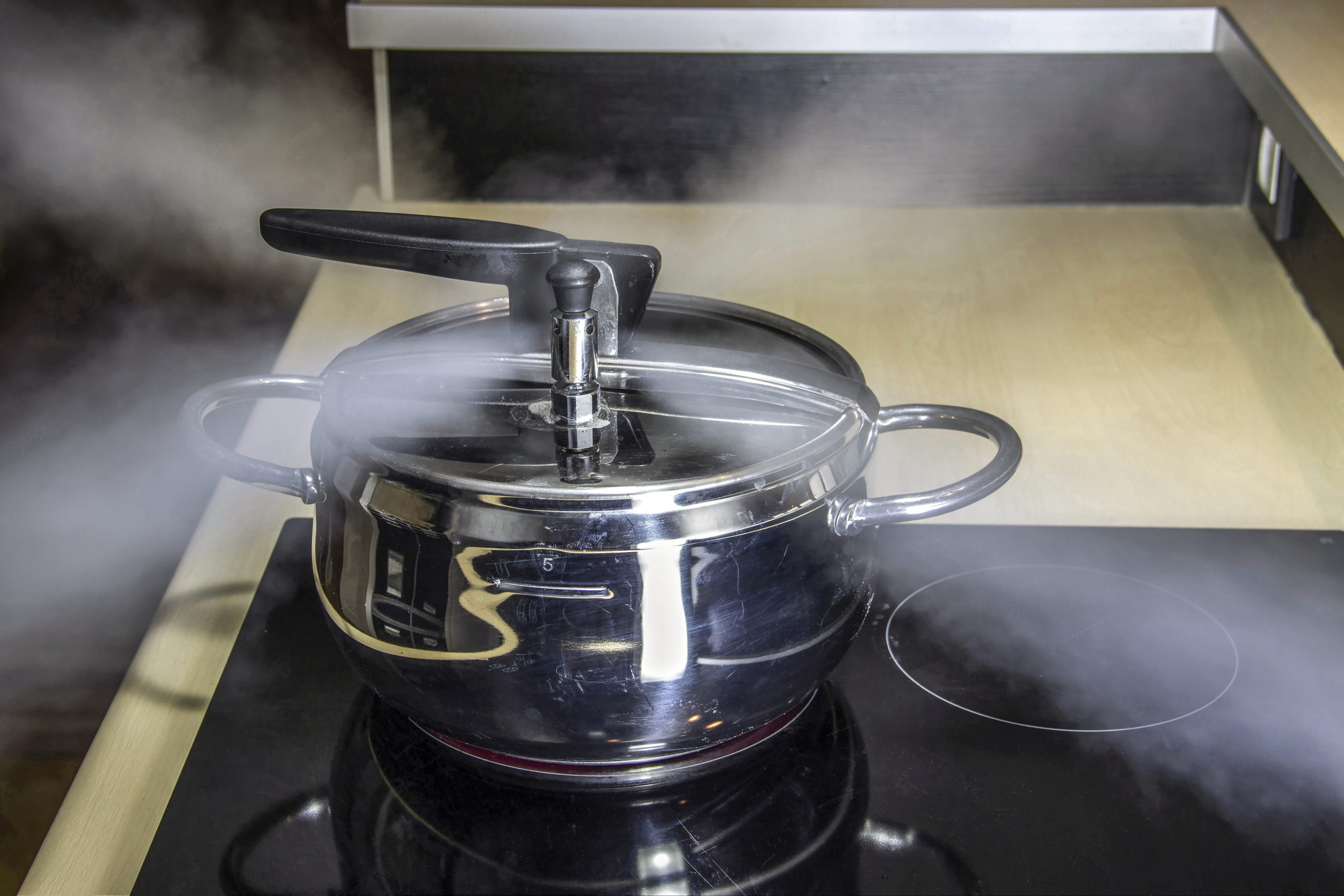
I once had a foil-wrapped roast block a vent path. The cooker never “exploded,” but it vented steam forcefully and scared everyone. I learned to avoid loose coverings and to check vents mid-cook when recipes allow. Replacing the gasket every couple of years kept seals tight. These habits made pressure cooking easy, fast, and worry-free.
Benefits and limitations of pressure cooking
Benefits
- Cuts cook time dramatically.
- Saves energy.
- Helps tenderize tough cuts and preserves nutrients.
Limitations
- Requires attention to liquid amounts.
- Some recipes need pressure adjustments.
- Not ideal for delicate tasks without experience.
Understanding limits reduces mistakes and helps you use a pressure cooker with confidence.
Common myths vs. facts about pressure cookers
Myth: Every pressure cooker will explode.
- Fact: Modern devices have many safety layers. Explosions are rare when used correctly.
Myth: Pressure cookers are hard to use safely.
- Fact: Clear steps and simple checks make them easy and safe for daily use.
Myth: Old cookers are fine forever.
- Fact: Parts wear out. Replace gaskets and check valves regularly.
Frequently Asked Questions of Can pressure cookers explode
How often do pressure cookers explode?
True explosions are very rare with modern cookers. Most incidents involve steam burns from improper releases or blocked vents, not catastrophic explosions.
Can a pressure cooker burst if the gasket fails?
A gasket failure usually causes steam leaks and reduced pressure rather than an explosion. However, sudden lid ejection can cause injury, so replace damaged gaskets right away.
Is it safe to use foil or plastic inside a pressure cooker?
Avoid loose foil or plastics that can block vents or melt. Use only materials and coverings recommended in your manual.
What should I do if the vent is blocked during cooking?
Turn off heat and let pressure drop naturally. Do not force the lid open. Once cool, clear the vent following the manual’s cleaning steps.
Can old pressure cookers be dangerous?
Older models may lack modern safety features and have worn parts. Inspect, replace parts, or consider upgrading to a newer model for better safety.
Conclusion
Pressure cookers can explode only in rare and avoidable situations. By knowing how they work, checking parts, and following safe steps, you can enjoy fast, efficient cooking with minimal risk. Start using these simple checks today: inspect the gasket, clear the vent, don’t overfill, and follow release methods. If you found this helpful, try one safety tip on your next meal, leave a comment about your experience, or subscribe to get more kitchen safety guides.