
Most often the whistle stops because the vent or regulator is blocked or the valve is stuck.
I’ve fixed many pressure cookers and seen every fault you can imagine. This guide explains why pressure cooker whistle not working, how to diagnose the issue, and safe steps to restore proper function. Read on for clear, tested steps, helpful tips, and practical fixes you can try at home.
Understanding how the whistle works and why it matters
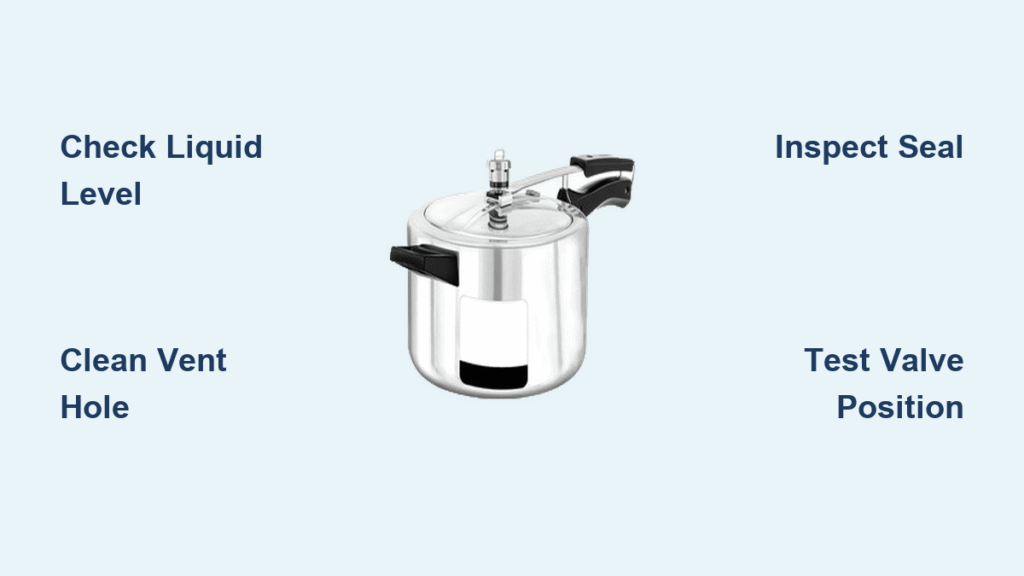
A pressure cooker whistle signals when the cooker has reached the target pressure and helps regulate steam release. The whistle sits on the vent or pressure regulator and moves with steam flow. When it works, it puffs at intervals and keeps pressure steady.
If the whistle stops working, the cooker may still heat. But pressure may not build or may be unsafe. That is why understanding why pressure cooker whistle not working matters for safety and cooking results.

Common causes of why pressure cooker whistle not working
Here are the typical reasons a whistle stops sounding. Each item is brief and practical.
-
Blocked vent or regulator
Steam can carry food bits, starch, or mineral scale. These build up and clog the small vent hole. A blocked vent prevents steam flow and stops the whistle. -
Stuck or damaged valve
The valve or pin can corrode, seize, or warp. If it does not move, the regulator cannot lift and the whistle won’t sound. -
Faulty whistle cap or regulator assembly
The cap may crack or lose its fit. If it does not seal or wobble correctly, it fails to whistle. -
Worn or damaged gasket or sealing ring
A poor seal lets steam escape around the lid instead of through the whistle. That reduces pressure and silence follows. -
Low or no water inside
Without enough liquid, steam won’t form. The cooker will heat but not build pressure. The whistle will stay quiet. -
Heat too low or too high
Too low heat means insufficient steam. Too high heat can cause constant steam and no rhythmic whistle, or it may force steam out elsewhere. -
Incorrect assembly or misalignment
The regulator needs proper seating. A misaligned or loosely placed whistle will not function. -
Manufacturing defect or worn parts
Age, poor build quality, or defects can cause the whistle to fail. Some pressure cookers need part replacement over time.
Troubleshooting: step-by-step checks to fix the whistle
Follow these checks in order. Each step helps you find the cause safely.
-
Check water level
- Ensure the cooker has the minimum water recommended by the manual.
- If dry, add water and try heating again.
-
Inspect the vent and regulator
- Turn off heat and cool the cooker. Remove the regulator and whistle cap.
- Look for crumbs, starch, or mineral scale. Use a thin brush or toothpick to clear the hole gently.
-
Test the valve movement
- With the cooker cool, press the valve pin. It should move freely and spring back.
- If it is stuck, soak the assembly in warm soapy water and clean. Replace if corroded.
-
Check the gasket and lid fit
- Examine the sealing ring for cracks, hard spots, or deformation.
- Replace the gasket if it’s worn. Re-seat the lid and ensure it locks properly.
-
Reassemble and heat on medium
- Place regulator and whistle properly. Start on medium heat to let pressure build.
- Watch for the whistle to start regular puffs. If still quiet, try the next step.
-
Swap parts or test with a known-good whistle
- If you have a spare regulator or cap, try it. This isolates a faulty part.
- If it whistles with the spare part, replace the original.
-
When to stop and seek help
- If you smell gas, see cracks, or find badly corroded parts, stop using the cooker.
- Contact the manufacturer or a qualified appliance repair service.

Maintenance and preventive tips to keep the whistle working
Routine care stops many faults. These small habits pay off.
-
Clean after every use
Wipe the vent, regulator, and cooker rim. Remove food debris right away. -
Deep clean monthly
Soak removable parts in warm soapy water. Use a small brush for the vent hole. -
Descale periodically
If you have hard water, mineral deposits can build. Use a mild vinegar solution to descale parts occasionally. -
Inspect gaskets and valves
Check the sealing ring for elasticity. Replace it yearly or when it shows wear. -
Store parts dry and safe
Keep the regulator and whistle cap in a dry place. Moisture and humidity speed corrosion. -
Use recommended water and heat settings
Follow the manual for water minimums and stove settings. Overfilling or under-filling can affect whistle operation.
When to repair, replace parts, or buy a new cooker
Decide based on age, cost, and safety.
-
Replace small parts
Gaskets, regulator caps, and valves are often inexpensive and easy to swap. Replace them if they show wear or fail cleaning. -
Repair with caution
If metal parts are warped or cracked, do not attempt DIY fixes. Metal fatigue and cracks are safety risks. -
Consider a new cooker if:
- The pressure cooker is old and multiple parts are failing.
- The body or lid shows dents, cracks, or severe corrosion.
- Repair cost approaches the price of a new, safer unit.
Always use manufacturer-approved parts. Nonstandard parts may not fit or may fail to regulate pressure safely.

Personal experience, lessons learned, and practical tips
I once had a cooker that stopped whistling mid-stew. I cleaned the vent and found a grain of rice lodged deep inside. After cleaning, the cooker worked like new. That taught me to check small bits of food first.
Lesson 1: Small problems are often the cause. Start with the vent and valve.
Lesson 2: Replace gaskets proactively. A soft, pliable ring prevents many leaks.
Lesson 3: Keep a spare regulator or whistle cap on hand. It saves time and stress.
From years of repairs, I trust simple checks first. They fix most cases of why pressure cooker whistle not working. If a fix does not work, prioritize safety and consult a professional.

Frequently Asked Questions of why pressure cooker whistle not working
Why does my pressure cooker stop whistling but still heat?
Your cooker may be losing steam through a poor seal or a blocked vent. Check the gasket and vent; replace the gasket if it is worn.
Can I still cook if the whistle is not working?
Technically you can heat, but it is not safe to rely on a silent pressure cooker. Fix the whistle or follow manual pressure indicators before continuing.
How do I clean a blocked pressure cooker whistle?
Cool the cooker and remove the regulator. Use warm soapy water and a small brush or toothpick to clear the vent hole. Reassemble and test.
Will a worn gasket make the whistle stop working?
Yes. A worn or cracked gasket lets steam escape around the lid. That prevents the whistle from building pressure and sounding.
When should I replace the regulator or whistle cap?
Replace them if they are cracked, corroded, or do not move freely after cleaning. Keep spare parts for quick swaps.
Is mineral scale a common cause of whistle failure?
Yes. Hard water deposits can clog the vent and change valve motion. Descale parts periodically to prevent this.
Conclusion
A silent whistle usually points to a blocked vent, stuck valve, poor seal, or low water. Start with simple checks. Clean the regulator, check the gasket, and test the valve. If the problem persists, replace worn parts or seek professional help.
Take action today: inspect your cooker, clean the vent, and keep a spare regulator on hand. Small steps will keep cooking safe and stress-free. If this guide helped, leave a comment or share your experience so others can learn too.