
A pressure cooker gasket typically lasts 2–5 years with normal home use and proper care.
I’ve spent years testing and fixing pressure cookers, and I’ll walk you through exactly how long does a pressure cooker gasket last, why that range varies, and what you can do to keep yours safe and working. This guide combines hands-on tips, simple checks, and clear replacement steps so you can stop guessing and start cooking confidently.
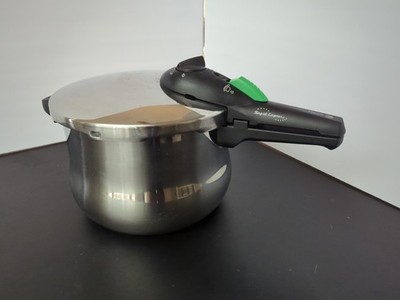
How long does a pressure cooker gasket last — overview
How long does a pressure cooker gasket last depends on use, maintenance, and material. Most rubber or silicone gaskets last between 2 and 5 years in typical home kitchens. Heavy daily use or harsh cleaning can shorten the life, while careful care can extend it beyond five years.

Key factors that determine how long does a pressure cooker gasket last
Several things change gasket life. First, material matters: silicone lasts longer than some rubber types. Second, frequency of use makes a big difference; daily cooks wear gaskets faster than occasional users. Third, cleaning and storage habits affect durability, as does exposure to high heat or oils.
Common PAA-style questions
How often should I replace the gasket if I cook daily?
If you cook daily, expect to replace the gasket every 1.5 to 3 years.
Does the gasket wear faster with acidic foods?
Acidic foods can accelerate wear if the gasket contacts hot acids often, but proper cleaning reduces risk.
Signs your gasket is nearing the end of its life
Look for these clear signs. Cracks, hardening, or visible deformation mean the gasket is failing. If your cooker loses pressure, whistles irregularly, or has steam leaks around the lid, the gasket likely needs replacement. A gasket that sticks to the lid or smells burnt after cooling also needs inspection.

How to test a pressure cooker gasket at home
Do a simple visual and functional check. Inspect the ring for cracks, flattening, or uneven thickness. Fit the gasket on the lid and run a water test: add water, lock the lid, and bring to pressure; if steam escapes around the rim, the gasket is suspect. Replace the gasket if you see leaks or if the gasket won’t seat evenly.
Practical tips to extend how long does a pressure cooker gasket last
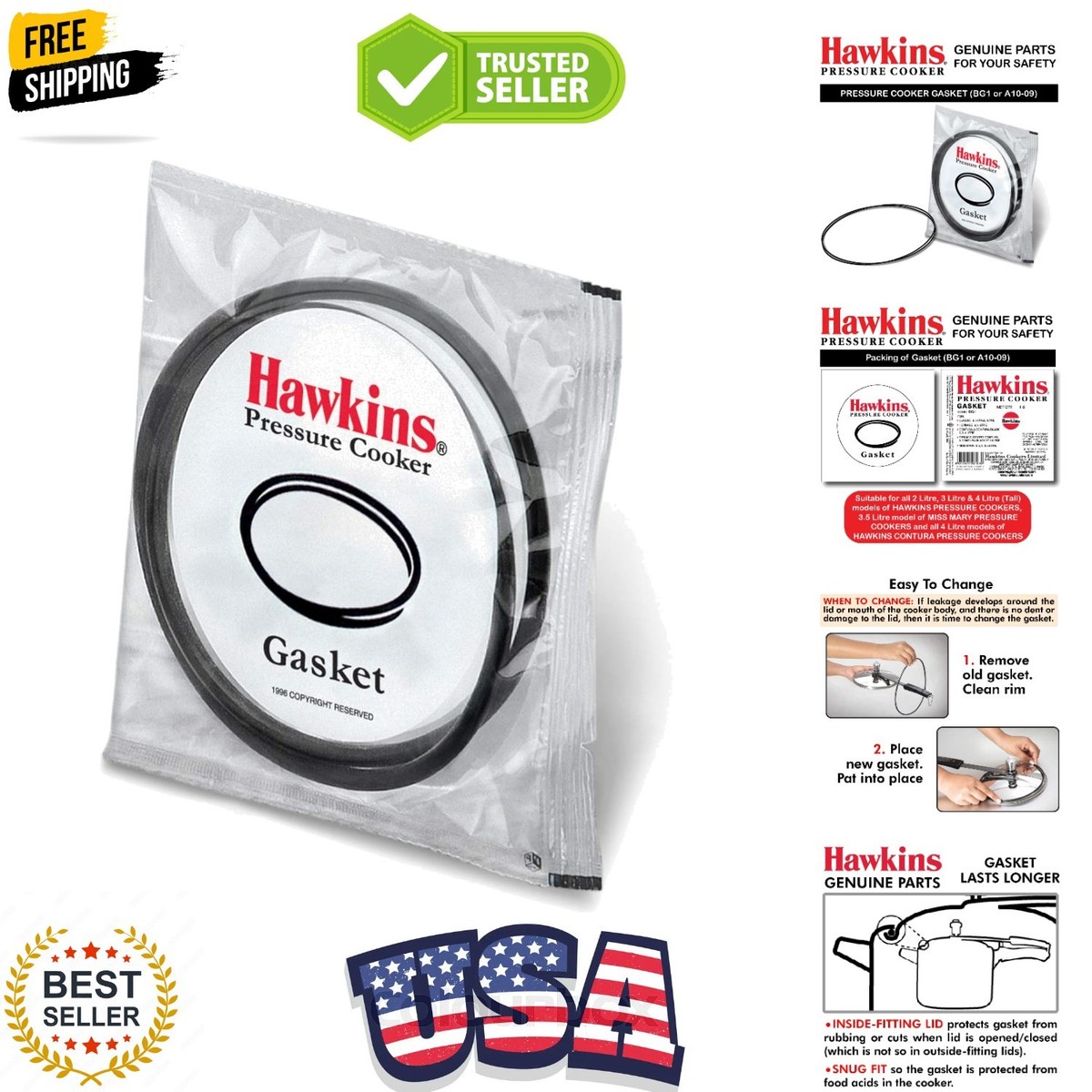
Small habits make a big difference. Clean the gasket after each use with warm soapy water and dry it fully. Store the lid upside down or with the gasket removed to avoid compression and deformation. Avoid harsh detergents, dishwasher heat cycles, or direct flame contact. Rotate gaskets if you have spares to reduce constant compression.

Replacing the gasket: choosing and installing the right one
Pick the correct size and material for your model. Check the manufacturer’s part number and choose OEM or high-quality aftermarket gaskets made of food-safe silicone or EPDM rubber. To install, align the gasket evenly in the lid groove and press it fully into place. Run a water test after installation to confirm a proper seal.
 availability, and frequency of replacement”
style=”max-width: 100%; height: auto; border: 2px solid black; border-radius: 10px; display: block; margin: 0 auto;”
loading=”lazy”
/>
Cost, availability, and frequency of replacement
Gaskets are inexpensive but critical. Typical prices range from low single digits to under $20 depending on brand. Keep a spare gasket on hand if you use your cooker often. Budget to replace a gasket every 2–3 years for moderate users and more often for heavy users.

Common mistakes that shorten gasket life
Avoid these pitfalls. Running the gasket in a dishwasher can expose it to high heat and detergents that harden the material. Leaving acidic residue on the seal or storing the lid closed under weight causes deformation. Also, using oil-heavy recipes without cleaning afterward can degrade some rubbers.
Troubleshooting quick fixes
Try these easy steps before replacing the gasket. Clean the gasket and groove carefully and re-seat the gasket to check for improved sealing. Swap in a spare gasket if you have one to confirm whether leaks are gasket-related or due to warped lids or a blocked vent. If problems remain, replace the gasket and rerun the pressure test.
My experience and lessons learned
I replaced my first pressure cooker gasket after about three years of daily use. I learned that gentle cleaning and avoiding dishwasher cycles extended the next gasket to nearly five years. A small spare gasket in the drawer saved many meals and stress. My main lesson: proactive checks avoid gasps at dinner time.
Safety notes and when to stop using the cooker
Never use a cooker with a visibly damaged gasket. A failed seal can cause sudden pressure loss or dangerous steam leaks. If your lid is warped or the safety valve is jammed, replace parts before further use. When in doubt, replace the gasket—it's a low-cost safety measure.
Frequently Asked Questions of How long does a pressure cooker gasket last
How often should I replace my pressure cooker gasket?
Replace most gaskets every 2–5 years depending on use and care; heavy use may need earlier replacement.
Can I clean my gasket in the dishwasher?
Most manufacturers advise against dishwasher cleaning because high heat and detergents can harden and shrink the gasket.
How do I know if the gasket is causing leaks?
If steam escapes around the lid or pressure doesn’t build and a re-seated gasket doesn’t fix it, the gasket is likely the cause.
Are silicone gaskets better than rubber ones?
Silicone often resists heat and odors better and can last longer than some rubber blends, but check compatibility with your cooker.
Can I use any gasket from another brand?
Only use gaskets listed as compatible with your model. Size and groove fit must match for a safe seal.
Conclusion
Knowing how long does a pressure cooker gasket last helps you plan maintenance and avoid kitchen mishaps. Check your gasket regularly, clean and store it carefully, and replace it at the first sign of wear to keep cooking safe and predictable. Take one small step today: inspect your gasket, and if it shows wear, replace it—your meals and peace of mind are worth it. Leave a comment with your gasket questions or subscribe for more simple appliance care tips.