
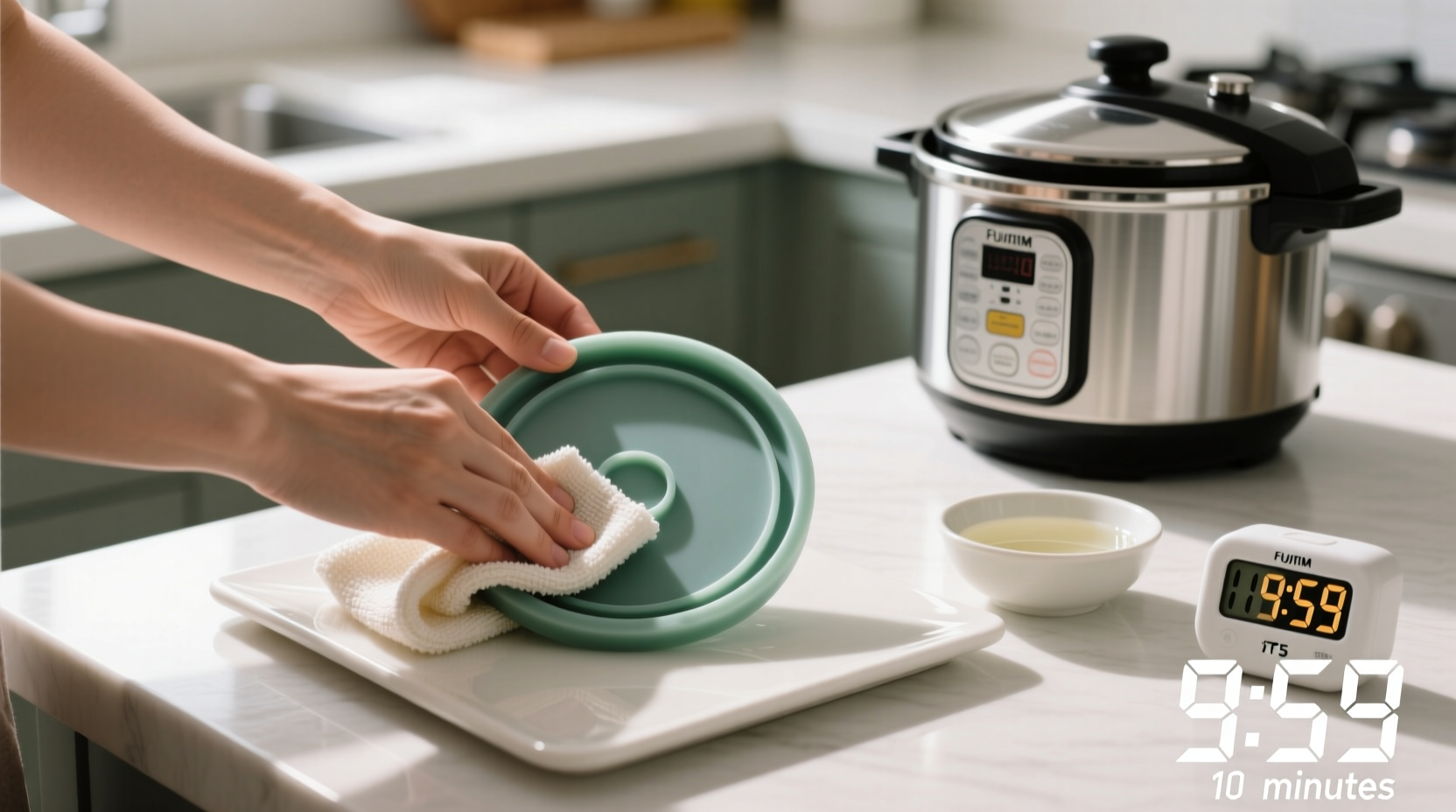
Clean your pressure cooker gasket by washing with warm, soapy water, scrubbing gently, and air-drying thoroughly.
I’ve spent years testing and caring for kitchen tools, and I know that a clean gasket keeps your pressure cooker safe and working. This guide on how to clean a pressure cooker gasket walks you through simple daily care, deeper cleaning for stains and odors, maintenance tips, and when to replace the gasket. Read on to learn clear, practical steps you can use today to keep your cooker sealing tight and your food tasting fresh.
Why you should clean the gasket regularly
A clean gasket ensures a tight seal. A worn or dirty gasket can cause leaks, poor pressure build-up, or strange smells in your food. Regular cleaning prevents mold, food build-up, and odors that hide in the rubber. It also extends the life of the gasket and keeps your cooker safe.
Common causes of gasket problems
- Food particles trapped in folds.
- Grease and oil buildup from stews or curries.
- Long storage in a damp cupboard.
- Age and heat exposure, which cause cracks.
Benefits of regular cleaning
- Better pressure and cooking performance.
- Fewer odors and off-flavors.
- Lower risk of pressure release issues.
- Fewer replacements and lower cost over time.
:strip_icc()/clean-instant-pot-Final-30f60a3fe5ee4102a513ccc8ac6a761d.jpg)
Tools and supplies you’ll need
Gather simple items you likely already have at home. These tools make cleaning fast and effective.
Essentials
- Warm water and mild dish soap.
- Soft sponge or cloth.
- Small brush or toothbrush to get into grooves.
- Towel for drying.
Optional cleaners for tough grime
- White vinegar for odors and mild disinfecting.
- Baking soda for mild abrasion and deodorizing.
- Diluted hydrogen peroxide for stubborn stains.
- A plastic scraper to remove stuck food gently.
Safety items
- Rubber gloves if you have sensitive skin.
- A bowl or basin large enough to soak the gasket.

Step-by-step: daily and basic cleaning
These steps show how to clean a pressure cooker gasket after normal use. Follow them to keep problems away.
Daily cleaning steps
- Allow the cooker to cool fully and remove the gasket.
- Rinse the gasket under warm running water to remove loose food.
- Apply a little mild dish soap to a soft sponge.
- Gently scrub both sides, paying attention to the inner groove where food hides.
- Rinse thoroughly until no soap remains.
- Dry with a clean towel and let air-dry before replacing.
Tips for best results
- Never use abrasive pads that can nick the rubber.
- Avoid strong solvents that can degrade the gasket.
- Re-seat the gasket correctly—many leaks come from poor reinstallation.
Personal tip from my kitchen
- I make a habit of wiping the gasket after every meal. It takes under a minute and stops buildup before it starts.
Deep cleaning: mold, odors, and stubborn stains
When the gasket smells or has visible stains, do a deeper clean. These methods are safe and effective if used sparingly.
Vinegar soak for odors
- Mix one part white vinegar with three parts water.
- Soak the gasket for 15 to 30 minutes.
- Scrub gently with a brush, rinse, and dry.
Baking soda paste for stains
- Make a paste with baking soda and a little water.
- Apply to stained areas and scrub lightly with a toothbrush.
- Rinse well and air-dry.
Boiling water method for grease
- Dip the gasket briefly in boiling water for 20 to 30 seconds.
- This softens grease and makes it easier to wipe off.
- Dry fully before reinstalling.
Safety and limits
- Do not boil the gasket for long periods; heat can warp or weaken the rubber.
- Avoid bleach or harsh chemicals unless the gasket is clearly marked as safe for them.
- If a gasket is moldy and cleaning doesn’t remove the problem, replace it.

Maintenance: inspection, storage, and replacement
Regular checks keep your gasket reliable. Knowing signs of wear helps you avoid cooking mishaps.
What to inspect
- Cracks, splits, or thinning in the rubber.
- Permanent deformation or hard spots.
- Persistent odors after cleaning.
Storage tips
- Store the lid upside down on the pot to relieve pressure on the gasket.
- Leave the gasket out slightly or in a dry area so it can breathe.
- Avoid placing heavy items on top of seals.
When to replace the gasket
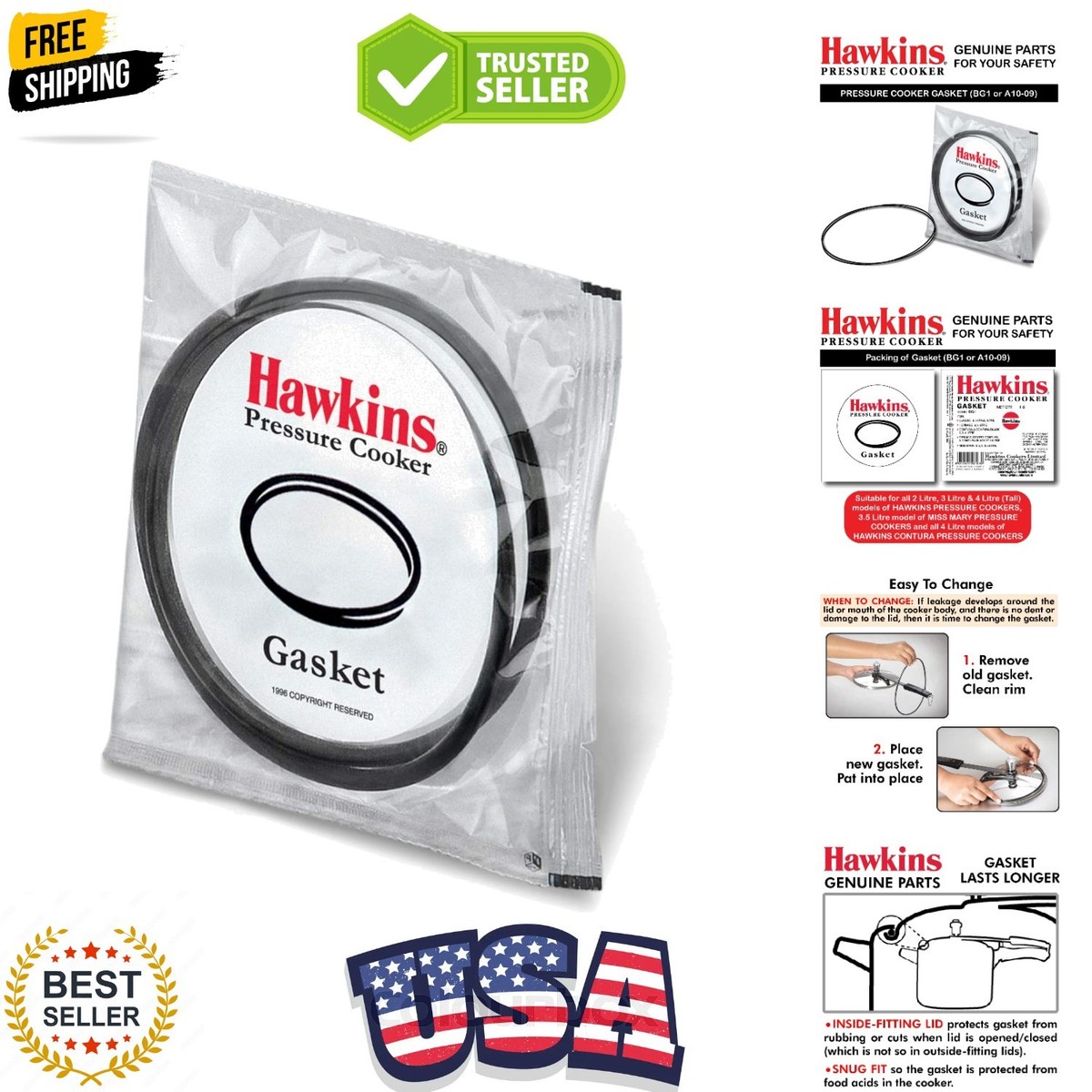
- Replace every 12 to 18 months with regular use, or sooner if damaged.
- Replace immediately if you see cracks, deep grooves, or if it won’t form a seal.
- Use manufacturer-approved gaskets for best fit and safety.

Troubleshooting common gasket issues
This section answers quick problems I’ve seen often and how to fix them.
Leaking steam or no pressure
- Check that the gasket is clean and seated correctly. Rinse and reinstall if dirty. If the gasket shows damage, replace it.
Gasket stuck to the lid
- Gently pry it off using a plastic tool and warm soapy water. Avoid metal tools that can damage the groove.
Persistent smell
- Do a vinegar soak or baking soda paste. If smell persists, replace the gasket to avoid tainting food.
Gasket slips out of place
- Clean the groove on the lid. A dry and clean groove helps the gasket stay snug.

Frequently Asked Questions of How to clean a pressure cooker gasket
How often should I clean the gasket?
Clean the gasket after every use for best results. Deep clean it once a month or sooner if you notice smells or stains.
Can I put the gasket in the dishwasher?
Some gaskets are dishwasher-safe, but many are not. Check your cooker’s manual; hand-washing is the safest option.
Will vinegar damage the gasket?
A short vinegar soak is safe and effective for odors. Avoid long or repeated strong acid exposure to prevent rubber wear.
How do I know the gasket needs replacing?
Replace the gasket if it has cracks, is hard or sticky, has permanent deformation, or fails to hold pressure.
Can I use bleach to clean mold?
Bleach can harm rubber and leave residues. Use vinegar or hydrogen peroxide as gentler alternatives and replace the gasket if mold persists.
Conclusion
Keeping your gasket clean is quick work that protects your cooker and improves meals. Use mild soap for daily care, vinegar or baking soda for deeper cleaning, and replace the gasket when it shows damage or persistent odors. Try a simple cleaning routine this week and note the difference in performance and smell. If you found this guide helpful, leave a comment, subscribe for more kitchen tips, or share your own gasket-cleaning wins.