
You can grate Parmesan without a grater using a knife, vegetable peeler, food processor, or rolling-pin method.
I’ve spent years cooking and teaching simple kitchen tricks, so I know how handy it is to learn easy ways for how to grate parmesan cheese without a grater. This guide walks you through safe, fast methods, texture tips, storage advice, and real-life tips I’ve tested, so you can get perfect flakes or fine bits for pasta, salads, and more — even when you don’t have a grater on hand. Read on for step-by-step options, pros and cons, and answers to common questions.
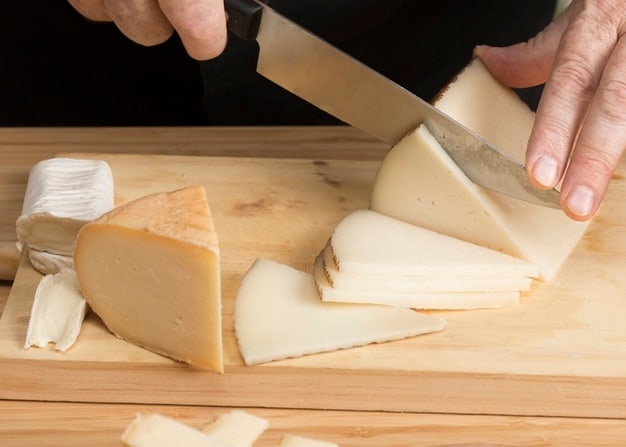
Why you might need to grate parmesan cheese without a grater
Sometimes the grater is dirty, missing, or you need a different texture than a typical grater gives. Knowing multiple ways to process Parmesan helps you adapt quickly. The right method depends on whether you want fine snow, coarse crumbs, or elegant shavings.
Parmesan is hard and dry, so it works well with blunt force (crushing) or slicing techniques. A chilled wedge is easier to handle and gives cleaner results. Below I explain methods that are safe and fast.
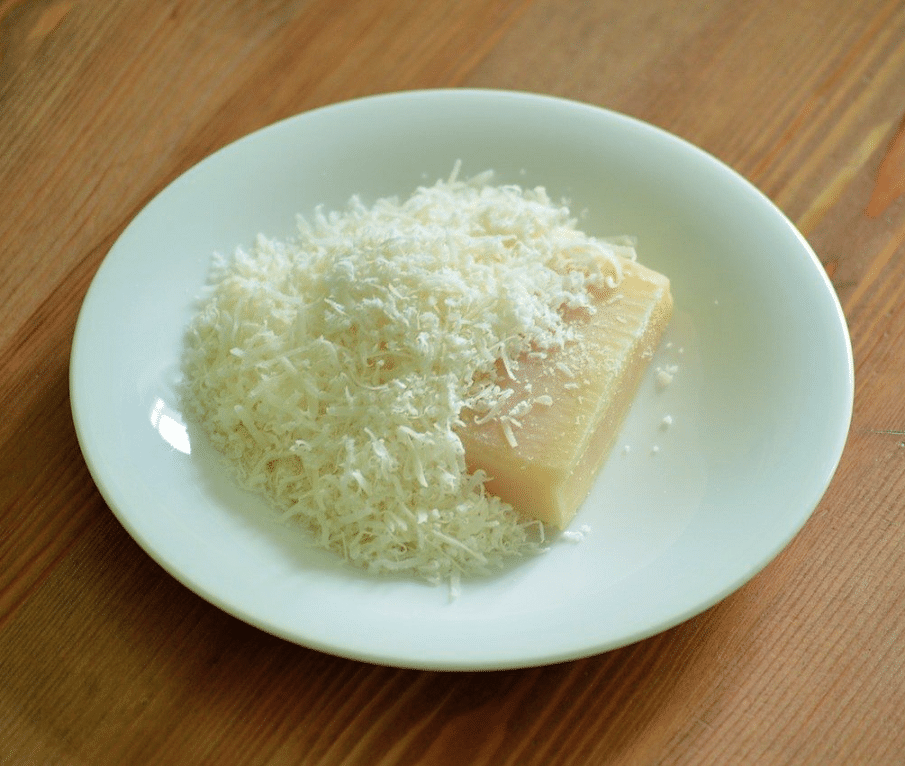
Best methods to grate parmesan cheese without a grater
Here are practical, tested ways for how to grate parmesan cheese without a grater. I include steps, pros, and when to use each.
Use a sharp knife (finely chopping and mincing)
- Cut the wedge into thin slices, then stack and slice into thin sticks.
- Turn the sticks and chop finely until you reach small, grain-like pieces.
- Pros: Precise control and no special tools. Good for fine crumbs for sauces.
- Cons: Takes time and practice to get even size pieces.
Vegetable peeler for shavings
- Hold the wedge steady and peel along the edge to create thin curls.
- Use the peels whole for salads, pasta, or as a garnish.
- Pros: Fast and gives elegant shavings. Safe and easy.
- Cons: Produces shavings, not powder. Not ideal when you need very fine cheese.
Food processor pulses (no grating disk)
- Chill the cheese 15–30 minutes until firm but not frozen.
- Cut into small cubes, place in the bowl, and pulse short bursts until crumbly.
- Pros: Fast for large batches. Good balance between fine and coarse.
- Cons: Can heat and smear if over-processed. Must use short pulses.
Blender (small quantities)
- Use a sturdy blender with the jar chilled.
- Pulse small amounts at a time to avoid clumping or melting.
- Pros: Useful when you don’t have a food processor.
- Cons: Less control, may need scraping and chilling.
Rolling pin in a sealed bag
- Freeze cheese for 10–15 minutes to firm it up.
- Put cubes in a heavy zip-top bag and crush with a rolling pin until powdery or flaky.
- Pros: Great for fine crumbs and quick single-batch use.
- Cons: Bag can split if too thin; results vary by pressure.
Mortar and pestle or spice grinder
- Break cheese into small pieces and grind gently in a mortar.
- For small amounts, use a clean spice grinder and pulse.
- Pros: Good for tiny, very fine texture. Great for finishing sauces.
- Cons: Time-consuming for large amounts.
Cheese plane or mandoline slices
- Use a cheese plane to shave thin ribbons; mandolines can make thin slices too.
- Pros: Professional looking shavings. Fast and safe when used properly.
- Cons: Creates slices, not grated powder. Use caution with mandolines.

Tips for texture, flavor, and safety
- Chill the cheese before cutting or processing. Cold cheese is firmer and less sticky.
- Cut into similar-sized pieces for even results in a processor or blender.
- Use short pulses to avoid heating and melting the cheese.
- Clean and dry all tools to avoid slipping. Use a damp cloth to stabilize the wedge if needed.
- For powdered Parmesan, repeated crushing (freeze then roll) works best.
- For flaky shavings, use a peeler or plane and keep slices thin.
Personal tip: I often freeze a large wedge for 20 minutes before pulsing in the food processor. It yields light, dry crumbs perfect for sprinkling on pasta without the clumps that happen from warm cheese.
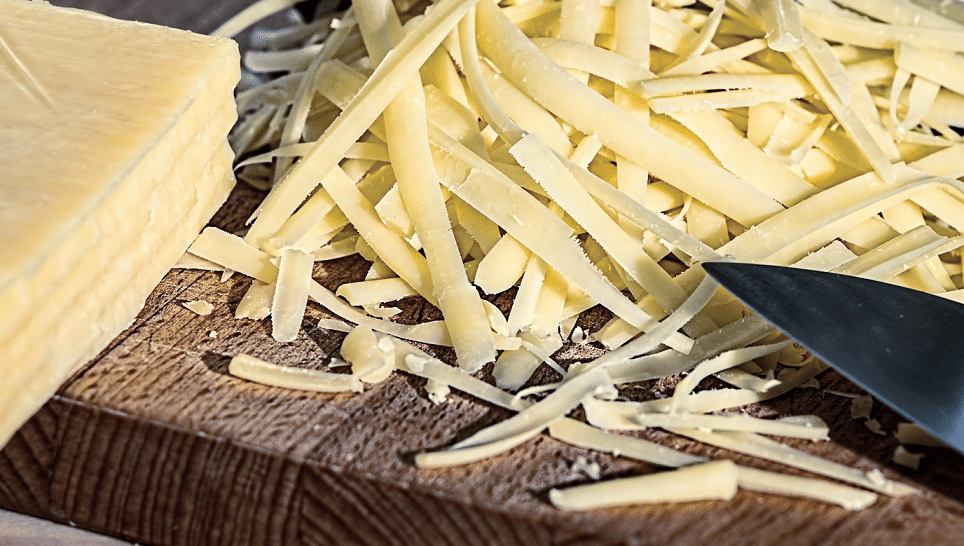
When to use each method
- Use a peeler or plane for salads, carpaccio, or finishing plates where visual appeal matters.
- Use a knife for small amounts when you want precise control.
- Use a food processor or blender for making large batches for sauces, soups, or bulk topping.
- Use rolling pin or mortar for very fine crumbs when you don’t want to buy pre-grated cheese.
- Avoid using high-speed blades for long times; heat can change flavor and texture.
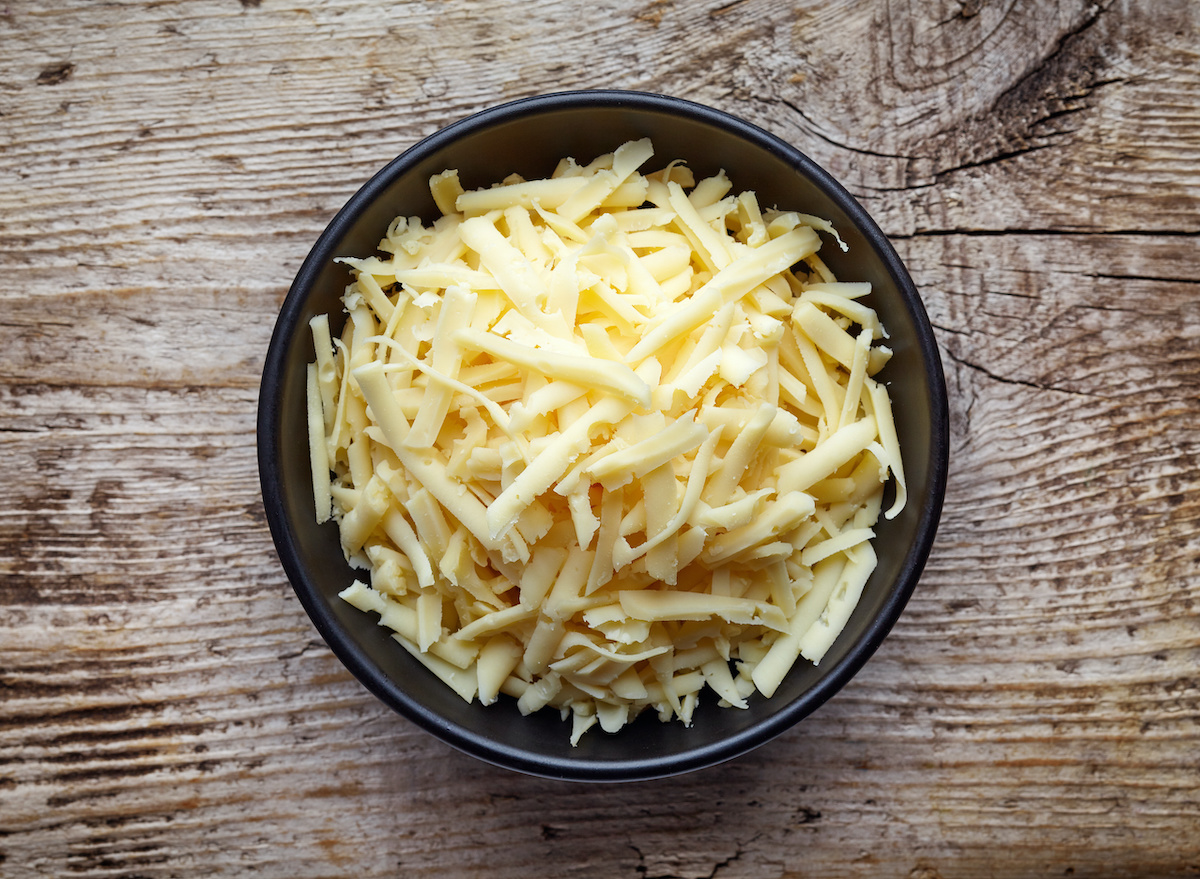
Common problems and how to fix them
- Cheese clumps in the processor: Stop, chill the bowl and cheese, then pulse again.
- Uneven pieces from a knife: Slice thinner and use steady pressure for uniform cuts.
- Bag split when rolling: Use a heavy-duty bag or double-bag and apply gentle even pressure.
- Cheese smears instead of crumbles: Chill longer and use short, firm pulses.

Quick PAA-style questions
Q: Can I use a blender instead of a grater?
A: Yes, for small batches. Pulse chilled cubes and stop often to check texture.
Q: How long should I freeze Parmesan before crushing?
A: Usually 10–20 minutes. The goal is firm, not rock-hard.
Q: Will a peeler work for hard cheeses?
A: Yes. A peeler makes thin, elegant shavings from hard cheeses like Parmesan.
Frequently Asked Questions of how to grate parmesan cheese without a grater
How can I get fine Parmesan crumbs without a grater?
Use a food processor with short pulses or freeze the cheese briefly and crush it in a sealed bag with a rolling pin until fine.
Is it safe to use a knife to grate Parmesan?
Yes, if you use a sharp knife and stable cutting board. Work slowly and keep fingers clear.
Can I use a spice grinder for Parmesan?
Yes, for very small amounts. Pulse in short bursts and check texture often to avoid clumping.
Will a vegetable peeler give me grated texture?
A peeler gives shavings not grated powder. It’s best for salads and finishing plates.
How do I prevent Parmesan from clumping after processing?
Keep the cheese cold and use short pulses. Store crumbs in a dry, airtight container with a small paper towel to absorb moisture.
Conclusion
You don’t need a grater to get great Parmesan. Knife work, a peeler, a chilled food processor, a rolling pin, or a mortar all make excellent alternatives for how to grate parmesan cheese without a grater. Try the methods above and pick the one that matches your texture needs and time. Give one a try tonight — experiment with chilling times and pulse lengths to find your sweet spot. If this helped, leave a comment or share your favorite no-grater trick.