
Cook rice in a pressure cooker by rinsing, measuring water, sealing, and using short pressure time.
I’ve cooked rice in pressure cookers for years in home and test-kitchen settings, so I’ll walk you through how to cook rice in pressure cooker with clear steps, water ratios, timing for different rice types, and tips I learned the hard way. This guide covers everything from quick weeknight bowls to fluffy basmati for special meals, with practical advice you can trust.

Why use a pressure cooker for rice?
Pressure cookers speed up cooking and make rice consistently tender. They trap steam and heat, which cooks grains evenly and saves time and energy.
I use a pressure cooker when I want reliable results fast. Once you learn how to cook rice in pressure cooker, you’ll get fluffy rice with less babysitting than stove-top methods.

Rice types and how they change the method
Different rice types absorb water differently. Knowing which rice you have is key to mastering how to cook rice in pressure cooker.
- White long-grain rice: Light and separate when cooked right.
- Jasmine rice: Soft and slightly sticky.
- Basmati rice: Aromatic and fluffy if rinsed and soaked.
- Short-grain sushi rice: Sticky, needs careful water control.
- Brown rice: Whole-grain, needs more water and longer time.
Tip: Label bags with the rice type and date. That made a big difference for me when I kept multiple rices on hand.

Basic step-by-step: how to cook rice in pressure cooker
Follow these simple steps for reliable white rice. Scale up or adjust times for other types below.
- Measure rice. Use a dry measuring cup for accuracy.
- Rinse rice under cool water until the water runs clear to remove surface starch.
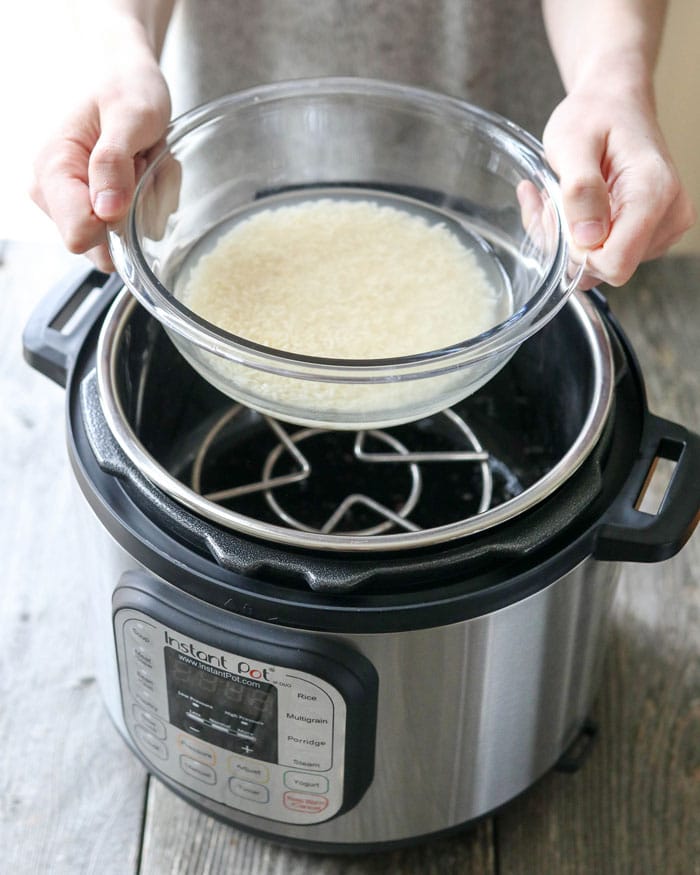
- Add rice to the pressure cooker pot. For 1 cup of white rice, add 1 to 1 1/4 cups water depending on preference.
- Add a pinch of salt and a tablespoon of oil or butter if you like.
- Seal the cooker and bring to high pressure following your model’s instructions.
- Cook 3 minutes at high pressure for white rice, then natural pressure release for 10 minutes.
- Open the lid, fluff rice with a fork, and let sit 2 minutes before serving.
Repeat these steps any time you want to learn exactly how to cook rice in pressure cooker for consistent results.

Water ratios and cook times for common rices
Exact ratios matter. Use these as a starting point, then adjust to your taste and cooker.
- White long-grain rice: 1 cup rice : 1 to 1 1/4 cups water. Cook 3–4 minutes high pressure; 10 minute natural release.
- Jasmine rice: 1 cup rice : 1 to 1 1/8 cups water. Cook 3 minutes; 10 minute natural release.
- Basmati rice: 1 cup rice : 1 to 1 1/4 cups water (soak 15–30 minutes first if possible). Cook 4–5 minutes; 10 minute natural release.
- Short-grain sushi rice: 1 cup rice : 1 1/4 cups water. Cook 4 minutes; 10 minute natural release.
- Brown rice: 1 cup rice : 1 1/4 to 1 1/2 cups water. Cook 20–22 minutes; 10 minute natural release.
Note: Altitude, cooker model, and age of rice change water needs. Always test small batches when trying a new brand.
Practical tips, mistakes to avoid, and flavor ideas
Small habits make big differences when you learn how to cook rice in pressure cooker.
- Rinse, don’t soak (unless basmati). Rinsing removes starch for fluffier rice.
- Use the right cup. Many rice recipes assume a 180 ml “rice cup.” A standard US measuring cup works fine if you stay consistent.
- Don’t overfill. Never fill the cooker past the max fill line with rice and water.
- Natural release matters. Letting pressure drop naturally keeps steam in the pot and finishes cooking gently.
- Flavor boosts: cook rice in broth, add a bay leaf, or stir in butter after cooking for extra depth.
From my experience, the biggest mistake is using too much water. That makes rice gummy. Measure once and you’ll save hours of re-cooking.

Troubleshooting common problems
If something goes wrong, these fixes usually work.
- Soggy rice: Reduce water by 1/8 to 1/4 cup next time and shorten pressure time slightly.
- Hard or undercooked rice: Add 2–4 tablespoons of hot water, reseal, and cook at high pressure 1–2 minutes, then natural release.
- Burnt or stuck rice: Soak pot in warm soapy water. Next time, use a little more water and ensure the sealing ring and vent are clean.
- Mushy rice clumping together: Rinse more thoroughly and reduce water; use fork to fluff after cooking.
These quick fixes helped me salvage several batches during early tests.

Safety and maintenance for your pressure cooker
Proper care keeps your cooker working and your rice tasting great.
- Clean the sealing ring, vent, and lid after each use to avoid odors and poor seals.
- Inspect the gasket for cracks yearly and replace as recommended by the manufacturer.
- Never force the lid open while the cooker is under pressure. Follow the natural or quick-release method safely.
Regular maintenance also improves results when you cook rice in pressure cooker repeatedly.

PAA-style questions you might have
Will rinsing rice make it less nutritious? Rinsing removes surface starch and a tiny amount of soluble nutrients, but it improves texture and taste without significant nutrient loss.
Can I double the rice and water? Yes, you can scale up proportionally, but avoid overfilling the cooker and increase cook time only slightly if needed.
Is soaking necessary for basmati? Soaking basmati for 15–30 minutes helps grains elongate and reduces cook time, making the rice fluffier.

Frequently Asked Questions of how to cook rice in pressure cooker
How long should I cook white rice in a pressure cooker?
Cook white rice 3–4 minutes at high pressure, then allow a natural release for 10 minutes before opening the lid.
Do I need to rinse rice before pressure cooking?
Rinsing is recommended for most rice types to remove starch and reduce stickiness; basmati benefits most from a brief soak too.
Can I use a pressure cooker for brown rice?
Yes. Brown rice needs more water and time—about 20–22 minutes at high pressure with a 10 minute natural release.
How much water do I use for jasmine rice in a pressure cooker?
Use about 1 to 1 1/8 cups water per 1 cup jasmine rice and cook 3 minutes at high pressure with natural release.
What is the best release method for rice?
Natural pressure release is best. It lets steam finish cooking the rice gently and reduces splatter and sticking.
Can I add oil or butter to rice in the pressure cooker?
Yes. A teaspoon or tablespoon of oil or butter helps keep grains separate and adds flavor.
Will different pressure cooker brands change times?
Minor differences exist. Always check your cooker’s manual and test small batches to refine timing.
Conclusion
Mastering how to cook rice in pressure cooker makes daily meals easier and more reliable. Start with the basic ratios, test small adjustments for your rice type, and use natural release to lock in texture. Try one new rice variety this week, note the water ratio, and tweak based on the results — you’ll be serving perfect rice in no time. Share your favorite rice tips or subscribe for more simple kitchen guides.