
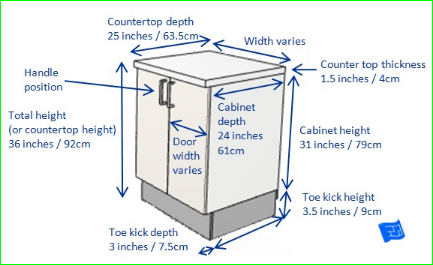
Standard kitchen cabinets are typically 24 inches deep for base cabinets and 12 inches deep for wall cabinets.
If you’ve ever measured your kitchen or planned a remodel, you’re likely asking how deep are standard kitchen cabinets and why depth matters for storage, ergonomics, and appliance fit. I’ve worked on dozens of kitchen layouts and remodeling projects, and in this guide I’ll explain standard cabinet depths, measurement tips, custom options, common mistakes, and real-world advice to help you choose the right depth for your space.

Standard depths by cabinet type: how deep are standard kitchen cabinets?
Here are the common, industry-standard depths you’ll encounter when designing or renovating a kitchen.
- Base cabinets
- Typical depth: 24 inches (cabinet box). With countertop overhang, total depth is usually 25 to 26 inches.
- Reason: Fits standard countertop and allows appliance clearances and toe-kick space.
- Wall (upper) cabinets
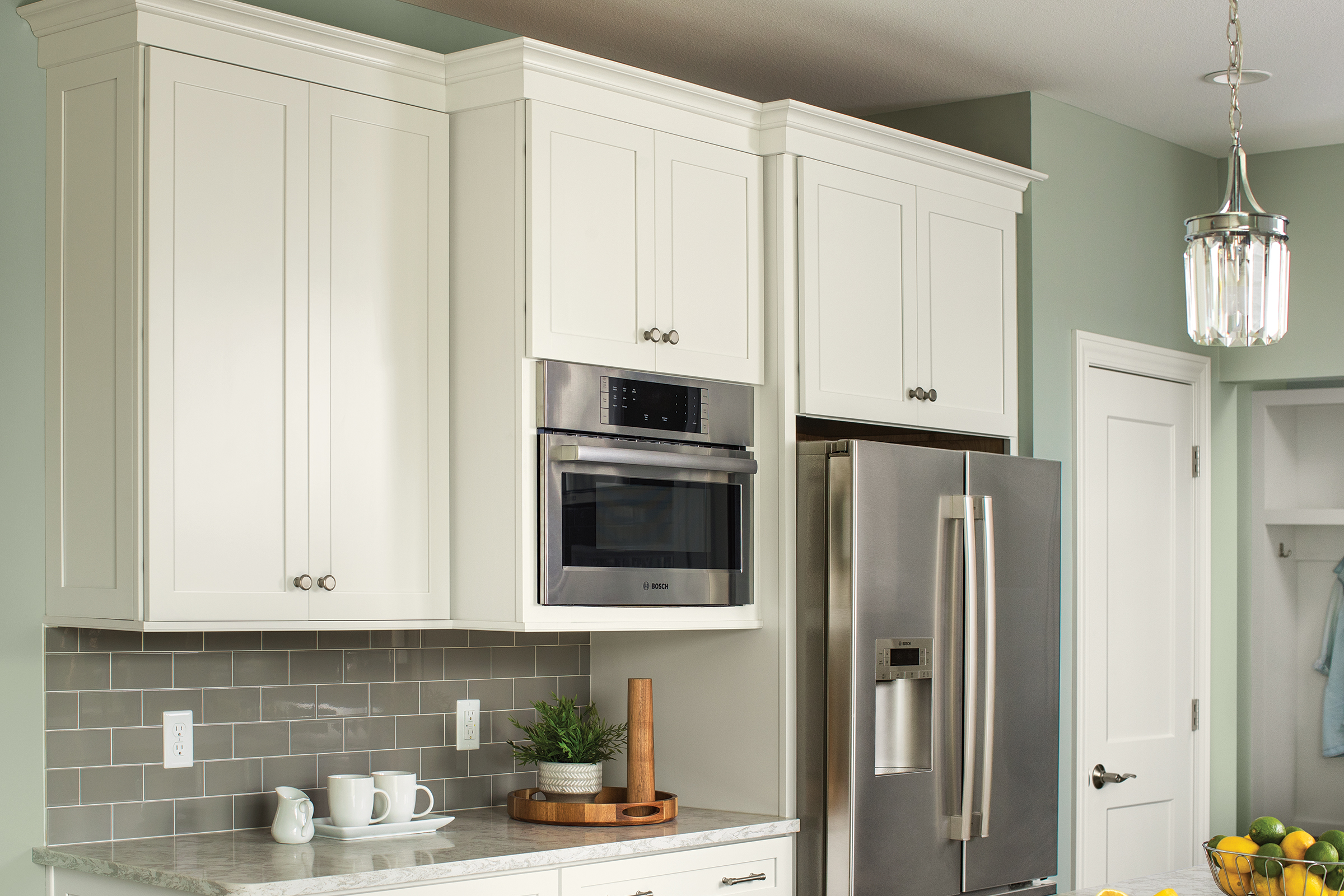
- Typical depth: 12 inches. Deeper options are often 15 or 18 inches for more storage or built-ins.
- Reason: Keeps cabinets within reach and keeps sightlines open.
- Tall (pantry) cabinets
- Typical depth: 24 inches is common; shallower versions 12 or 18 inches are used in tighter spaces.
- Reason: Matches base cabinet depth for consistent sightlines, but shallower pantries save space.
- Countertop depth
- Typical depth: 25 to 26 inches from the wall to the front of the counter, including backsplash and slight overhang.
- Appliance clearances
- Standard cabinet depths are coordinated with standard appliances to avoid crowding or gaps.
I’ve installed many base cabinets at 24 inches and found that the 24-inch depth works best for most cookware, while 12-inch wall cabinets keep everyday items reachable without a step stool.

Why depth matters for design, storage, and safety
Cabinet depth affects function and flow. Here’s why it matters.
- Storage capacity
- Deeper cabinets hold more, but items near the back can become hard to reach.
- Ergonomics
- Too-deep wall cabinets force stretching. Standard 12-inch depth keeps items within comfortable reach.
- Sightlines and room feel
- Deep wall cabinets can make a kitchen feel crowded. Shallow units keep the area airy.
- Appliance fit
- Standard depths coordinate with appliances. Mismatched depths cause awkward gaps or block doors.
- Safety and traffic flow
- Oversized base cabinets can intrude into walkways or reduce clearance for drawers and appliance doors.
From experience, people often overestimate needing deeper cabinets. A deep base cabinet helps for stock pots, but pull-out organizers often deliver more usable storage than simply increasing depth.
:max_bytes(150000):strip_icc()/guide-to-common-kitchen-cabinet-sizes-1822029-base-6d525c9a7eac49728640e040d1f90fd1.png)
How to measure cabinet depth and plan around appliances
Measuring correctly prevents costly mistakes. Follow these steps.
- Measure the cabinet box depth
- Measure from the back wall to the front of the cabinet box, not the door or countertop overhang.
- Include countertop and door projections
- Add countertop overhang (typically 1 inch) and door overlay to get the full installed depth.
- Allow appliance clearance
- Check appliance specs for required clearances and subtract any needed ventilation gaps.
- Check walkways and openings
- Maintain at least 36 inches of clear walkway in one-cook kitchens, and 42–48 inches in multiple-cook kitchens.
- Verify with mockups
- Use cardboard templates to visualize depth, especially in small kitchens.
When I planned a small galley kitchen, cutting cardboard boxes to 24 inches helped me see that a 24-inch base cabinet plus the countertop left just enough room for comfortable passage without feeling cramped.

Custom depths: when to choose non-standard cabinets
Standard depths meet most needs, but custom depths are useful in certain cases.
- Shallow wall cabinets (9–12 inches)
- Use when you want lighter visual weight or need to avoid blocking windows.
- Deeper wall cabinets (15–18 inches)
- Choose when storing bulk items on upper shelves or integrating a spice rack or microwave.
- Shallow base cabinets (18–20 inches)
- Useful in narrow kitchens or islands to increase walkway space.
- Deep base or pantry cabinets (28–30+ inches)
- Good for built-in pantries and appliance garages, but plan for pull-out organizers for access.
I once recommended 18-inch-deep upper cabinets over a small sink to keep a view to the backyard. The client loved the openness and still had enough storage by using clever organizers.
:max_bytes(150000):strip_icc()/guide-to-common-kitchen-cabinet-sizes-1822029-hero-08f8ed3104a74600839ac5ef7471372e.jpg)
Storage solutions and organization for different depths
Depth influences the types of organizers you can use and how you store things.
- Pull-out shelves and drawers
- Excellent for deep base cabinets to bring items to the front.
- Lazy Susans and corner inserts
- Make corner depths usable and reduce wasted space.
- Vertical dividers and trays
- Work well in deeper pantries and shallow wall cabinets for plates and cutting boards.
- Tiered shelf risers
- Help make use of the back of deeper cabinets without stacking too high.
Tip from experience: deep cabinets without organizers often become graveyards for rarely used items. Invest in pull-outs or drawers to maximize usable space.
Costs, remodeling trade-offs, and choosing the best depth
Depth choices affect cost and project scope. Consider these factors.
- Standard vs custom
- Standard depths are cheaper and faster. Custom sizes add cost and lead times.
- Cabinet box vs door style
- Custom door overlays or inset doors can slightly change installed depth and cost.
- Renovation scope
- Changing cabinet depth can require plumbing, countertop, and appliance adjustments.
- Resale considerations
- Sticking to common standards helps appeal to buyers and makes appliance replacement easier.
In several remodels, clients who chose custom depths for unique layouts ended up spending 10–20% more on cabinet boxes and countertops. The custom look was worth it to some, but many saved money by sticking with standard depths and adding smart organizers.

Short common questions (PAA-style)
Can I use 15-inch deep wall cabinets instead of 12-inch ones?
Yes. Fifteen-inch wall cabinets give extra storage and work well above appliances or a refrigerator, but make sure they don’t block windows or overhang counters excessively.
Will deeper base cabinets improve storage a lot?
Deeper base cabinets increase volume but can make items hard to reach; pull-out drawers or shelves usually yield better practical access than simply adding depth.
Do standard cabinet depths affect countertop fabrication?
Yes. Countertop fabricators expect standard depths like 25–26 inches; non-standard depths may increase templating and cutting complexity and cost.
Frequently Asked Questions of how deep are standard kitchen cabinets
What is the standard depth of base kitchen cabinets?
Standard base cabinets are typically 24 inches deep for the cabinet box, with the countertop adding about an extra inch.
How deep are standard wall cabinets?
Wall cabinets are usually 12 inches deep, though 15- and 18-inch options are common for added storage or built-ins.
Are pantry cabinets deeper than base cabinets?
Pantry cabinets often match base cabinet depth at 24 inches, but can be shallower (12–18 inches) in tight spaces or deeper for walk-in pantries.
How does cabinet depth affect appliance fit?
Cabinet depth determines how appliances align; mismatched depths can block doors or leave visible gaps, so always check appliance dimensions against cabinet depth.
Can I change cabinet depth during a remodel?
Yes, but changing depth can affect countertops, plumbing, appliances, and clearances, so plan carefully and factor in extra cost and time.
Should I choose deeper cabinets for pots and pans?
Deeper base cabinets help store large pots, but deep drawers and pull-outs provide better access and make heavy items easier to reach.
Do deeper wall cabinets make a kitchen look smaller?
Yes, very deep wall cabinets can make a kitchen feel heavy and crowded; shallower cabinets help maintain an open look.
Final thoughts
Choosing how deep are standard kitchen cabinets affects storage, comfort, and the overall look of your kitchen. Standard depths—24 inches for base cabinets and 12 inches for wall cabinets—work well for most kitchens and keep costs reasonable. If you need more capacity or have a unique layout, custom depths and smart organizers can give you the flexibility you want.
Takeaway: start with standard depths, mock up the space, and add organizers before committing to deeper cabinets. That approach saves money and delivers better everyday usability. If you’re planning a remodel, measure carefully, mock up cabinet depths with cardboard, and consult your installer or countertop fabricator before ordering.
I’d love to hear about your kitchen project—leave a comment or question and I’ll share practical tips from my experience.