
Use pull-outs, lazy Susans, dividers, and decluttering to make corner cabinets usable.
I’ve spent years organizing kitchens for friends and clients, and I can confidently walk you through how to organize corner kitchen cabinets so they stop being a black hole. This guide explains practical solutions, product choices, layout tips, and mistakes I’ve learned from. Read on to turn awkward corners into efficient storage you’ll actually use.

Why corner kitchen cabinets are tricky
Corner cabinets waste space when left plain. The deep, awkward shape hides items and makes reach difficult. Poor layout turns these spots into a grab-bag of unused pans, Tupperware lids, and odd gadgets. Learning how to organize corner kitchen cabinets fixes access, increases usable space, and speeds up cooking tasks.
Common problems include limited visibility, hard-to-reach items, and poor organization. These lead to duplicates, expired goods, and wasted time. Addressing the shape and access solves most issues quickly.

Main corner cabinet types and which to choose
Understanding the cabinet type helps you decide how to organize corner kitchen cabinets. Here are the main styles and their pros and cons.
- Diagonal corner cabinet
- Pros: Simple access to a single shelf. Easier to retrofit.
- Cons: Wasted deep corner space behind the diagonal shelf.
- Blind corner cabinet (standard box)
- Pros: Lots of storage volume.
- Cons: Poor access to the far corner without pull-outs.
- Lazy Susan (fixed or half-moon)
- Pros: Easy to see items, turns to access. Great for spices and small jars.
- Cons: Wastes vertical height; not ideal for tall items.
- Full-circle or kidney-shaped carousel (revolving shelves)
- Pros: Smooth access to the deep corner, good for pots and pans.
- Cons: Costlier and needs proper cabinet width.
- Pull-out or swing-out systems
- Pros: Best access; shelves pull fully out for clear reach.
- Cons: Higher cost and may require cabinet modification.
Pick the solution that matches your budget and what you store. I recommend pull-outs for heavy cookware and a lazy Susan for frequently used small items.
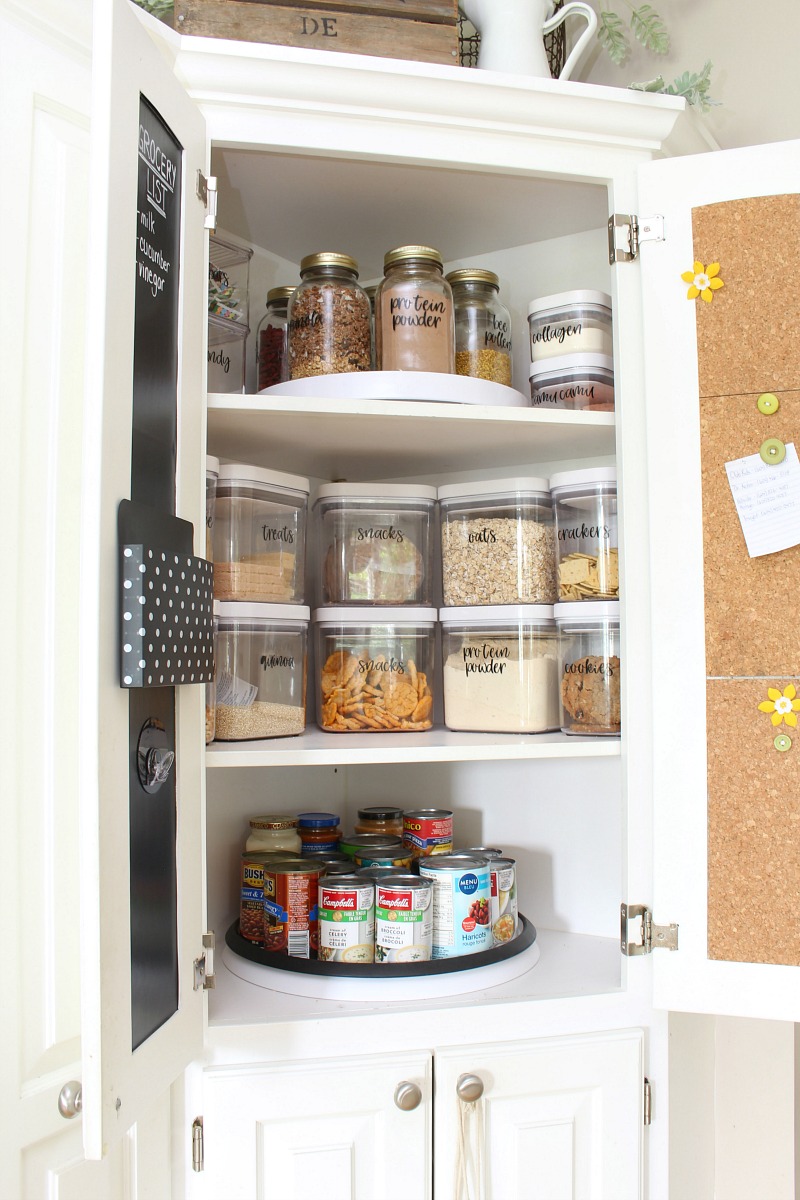
Step-by-step: How to organize corner kitchen cabinets
Follow this plan to organize corner kitchen cabinets efficiently. Keep each step short and focused.
- Clear and measure
- Empty the cabinet completely and wipe it down.
- Measure interior depth, height, and door opening.
- Categorize what belongs there
- Group items by use: pots, small appliances, lids, baking gear, or pantry goods.
- Decide which groups need frequent access.
- Choose the right system
- Use pull-out trays for heavy cookware.
- Use lazy Susans or carousels for jars and cans.
- Use vertical dividers for lids and baking sheets.
- Install organizers and place items
- Place daily-use items at the front and less-used items at the back.
- Use risers or shelf inserts for visibility.
- Label and refine
- Label shelves or bins to keep things where they belong.
- Revisit after two weeks and move items that feel out of place.
I once organized a client’s blind corner this way. We removed duplicates, installed a two-tier pull-out, and cut access time for pots in half. That small change made the whole kitchen feel more usable.
PAA-style questions
How far back should I store items in a corner cabinet?
Store seldom-used items in the back and daily-use items in the front. If you use a pull-out, you can safely store heavier items deeper because they slide out for access.
Can I convert a diagonal cabinet into a pull-out?
Yes. Converting is possible if you have enough depth and a professional or competent DIYer can install slides. Measure first and check for obstructions like plumbing.
What’s best for lids and baking sheets?
Vertical dividers or a dedicated pull-out rack work best. They keep lids visible and upright for easy grabbing.

Smart organizers and accessories that help most
Choosing the right accessories makes organizing corners easy. Here are reliable options I recommend from hands-on use.
- Pull-out shelving systems
- Strong for pans. Reduces bending.
- Kidney-shaped or full carousel units
- Great for canned goods and small jars.
- Swing-out racks
- Fit into blind corners and pull contents out to you.
- Vertical dividers and lid racks
- Keep baking sheets and lids tidy.
- Clear stackable bins and lazy Susan inserts
- Group similar items. Make inventory easy.
- Soft-close slides and heavy-duty drawer hardware
- Improve longevity and give a premium feel.
When picking hardware, match the load rating to what you’ll store. I learned this the hard way after a cheap slide bent under a cast-iron skillet. Spend a bit more on quality slides and hinges.

Planning, measuring, and installation tips
Measure twice and think about use before buying organizers. Simple measurements protect you from surprises.
- Measure interior width, depth, and height
- Note obstacles like corner braces or plumbing.
- Check door swing and toe kick
- Ensure pull-outs clear the door and floor.
- Consider cabinet opening size
- Some systems need wider openings.
- Choose DIY or pro installation
- Complex hardware or structural changes often need a pro.
- Plan for future needs
- Allow space for an appliance or larger cookware later.
I always sketch a quick layout before shopping. It helps avoid returns and saves time. If you are unsure, order one item, fit it, then proceed.

Maintenance and seasonal refresh
Keeping corners organized is simple with a routine. Short checks stop clutter from building up.
- Quarterly tidy
- Empty one shelf, wipe it, and re-evaluate contents.
- Purge duplicates and unused items
- Donate or discard things you haven’t used in a year.
- Re-label after changes
- Clear labels help household members return items properly.
- Inspect hardware annually
- Tighten screws and check slides for wear.
Small, regular steps keep corner cabinets functional without big overhauls.
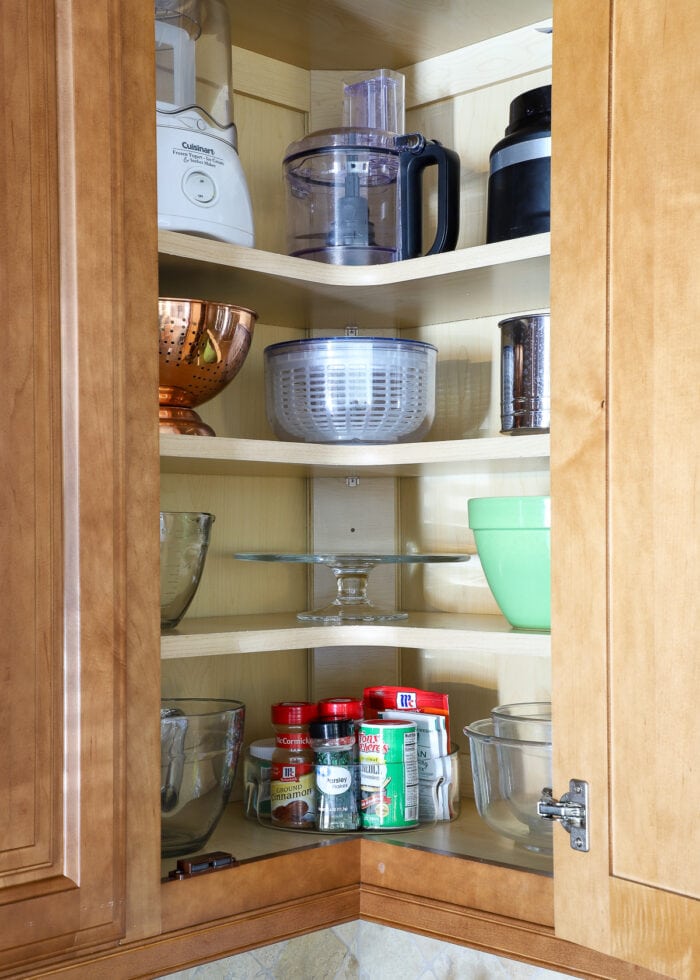
Frequently Asked Questions of how to organize corner kitchen cabinets
How do I maximize space in a corner cabinet?
Maximize space by installing pull-outs or carousels and using vertical dividers. Group items by frequency of use so the front holds daily items.
Are lazy Susans a good solution?
Lazy Susans work well for jars, spices, and small items. They are less ideal for tall or heavy cookware.
Can I organize a corner cabinet on a tight budget?
Yes. Start by decluttering, using stackable clear bins, and adding DIY shelf risers. Simple steps often improve access greatly.
How do I store heavy pots in a corner cabinet?
Use heavy-duty pull-out shelves rated for weight. Place heavier pots lower and keep lids on a separate vertical rack.
What mistakes should I avoid when organizing corner cabinets?
Avoid leaving the cabinet as-is, overloading weak slides, and storing frequently used items in the back. Measure before you buy organizers.
Conclusion
Organizing corner kitchen cabinets transforms storage from a frustrating black hole into a smooth, usable space. Start by clearing and measuring, choose the right organizers, and focus on regular maintenance. Small upgrades like quality pull-outs or vertical dividers make everyday cooking easier and save time.
Take one small step today: remove everything from one corner cabinet, sort items, and try a simple organizer. If this helped, subscribe, leave a comment about your corner challenges, or try one of the product ideas in this guide.