
Cook dry beans quickly and evenly in a pressure cooker with simple prep and clear timing.
I have cooked hundreds of pots of beans and tested timings across many varieties. This guide shows how to cook beans in pressure cooker step by step. You will learn safe methods, exact times, water ratios, seasoning tips, and troubleshooting. I explain choices from my experience and research so you can get perfect beans every time. Read on to master how to cook beans in pressure cooker for soups, salads, tacos, and meal prep.
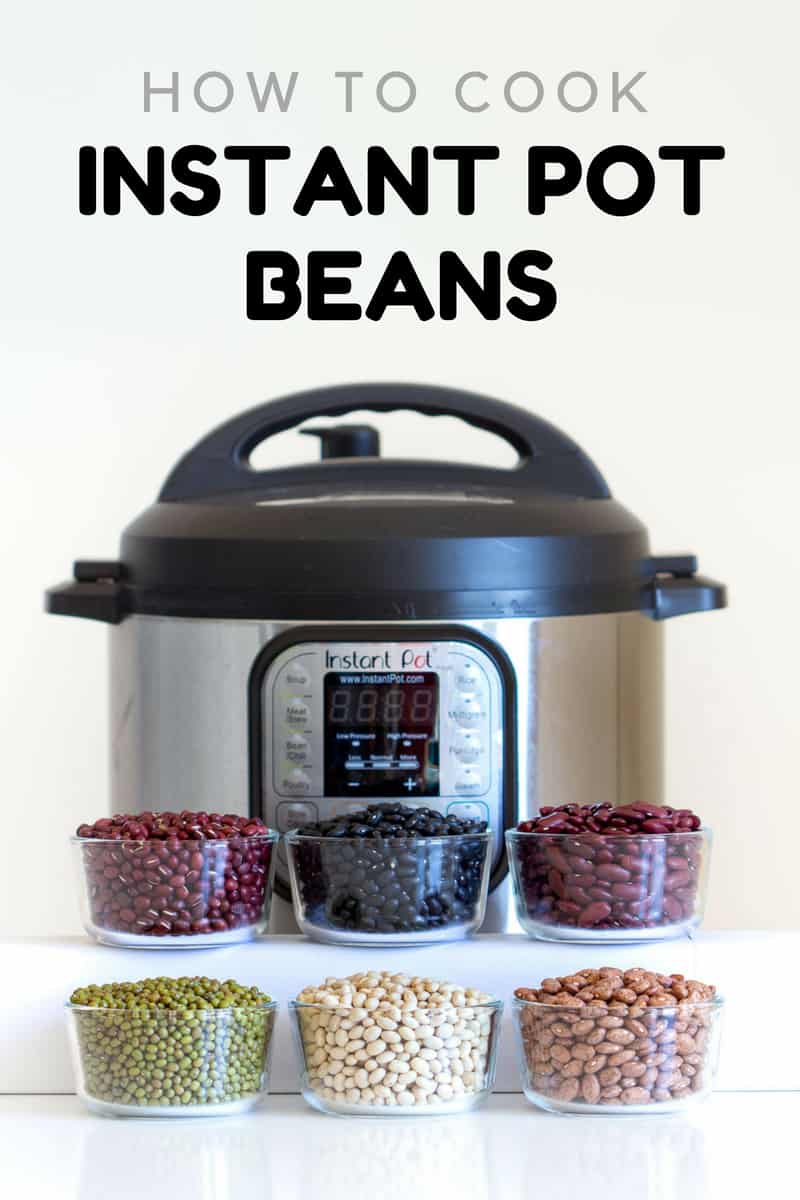
Why use a pressure cooker for beans
Pressure cooking saves time and energy.
It breaks down tough bean fibers fast.
You get creamy beans and less gas-causing compounds.
A pressure cooker locks steam and cooks evenly.
If you want consistent results, learning how to cook beans in pressure cooker is worth it.
Ingredients and equipment you need
- Pressure cooker or electric multicooker with sealing lid.
- Dry beans, rinsed and sorted.
- Clean water or broth.
- Salt, aromatics, and optional oil.
- Measuring cup and spoon.
- A safe release method (quick or natural) knowledge.
Use a heavy, well-sealing pressure cooker or a trusted electric model. I prefer models with visible safety locks. This reduces the chance of accidents when you follow how to cook beans in pressure cooker.

Types of beans and general pressure times
Different beans need different times. Times below are for medium-high pressure and a full natural release unless noted.
- Black beans: soaked 6–8 min; unsoaked 22–25 min.
- Pinto beans: soaked 6–8 min; unsoaked 20–25 min.
- Navy beans: soaked 5–7 min; unsoaked 20–22 min.
- Kidney beans: soaked 7–9 min; unsoaked 25–30 min.
- Chickpeas (garbanzo): soaked 12–15 min; unsoaked 35–40 min.
- Great northern: soaked 6–8 min; unsoaked 22–25 min.
Soaked times are shorter and often give creamier texture. These times help when you want to master how to cook beans in pressure cooker for different recipes. Adjust by a minute or two based on your altitude and cooker model.

Soaking beans: why and how
Soaking cuts cooking time.
Soaking reduces the chance of split skins.
It can lower oligosaccharides that cause gas.
Quick soak method
- Rinse 1 cup of beans.
- Cover with 3–4 cups hot water.
- Boil 2 minutes, then cover and sit 1 hour.
- Drain and rinse before pressure cooking.
Overnight soak method
- Cover beans with 3–4 times their volume of water.
- Soak 6–12 hours at room temperature.
- Drain and rinse before cooking.
Soaking is optional. If you skip soaking, plan for longer pressure time. Soaking also aligns with how to cook beans in pressure cooker when you want speed and even texture.
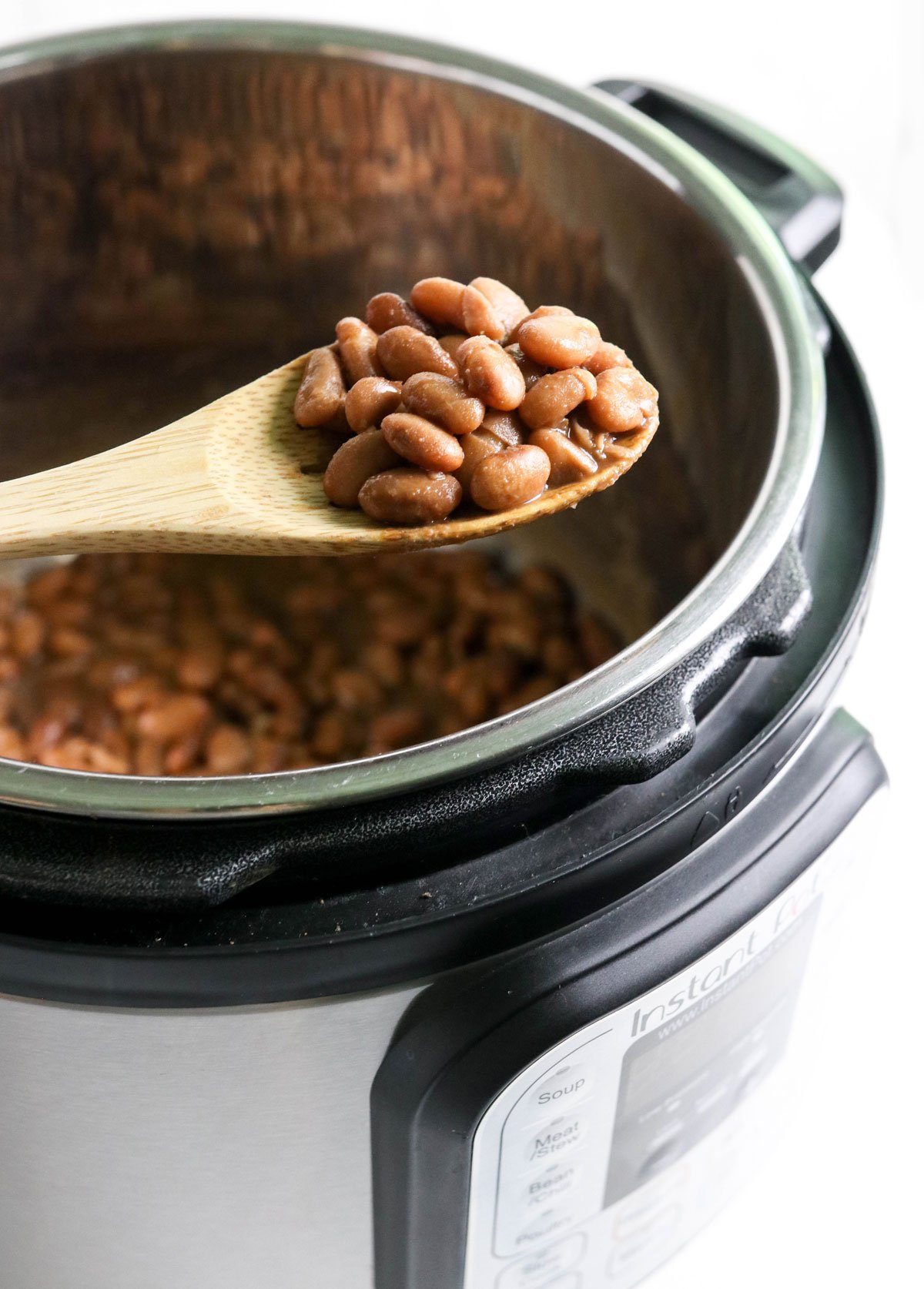
Step-by-step: How to cook soaked beans in pressure cooker
- Rinse and sort beans. Remove stones.
- Add beans to cooker. Use about 3 cups water per 1 cup soaked beans.
- Add 1 teaspoon salt per cup of dry beans if desired. Salt can go in early for flavor.
- Seal lid and set to high pressure. Set timer based on bean type (see times above).
- When timer ends, let pressure release naturally for 10–20 minutes for creamier texture. Then quick-release any remaining pressure.
- Check doneness. If too firm, reseal and cook 1–3 more minutes.
I often cook soaked black beans for 7 minutes and allow a 15-minute natural release. This method gives firm but tender beans, ideal for salads and tacos. Learning how to cook beans in pressure cooker this way saves time while keeping control over texture.

Step-by-step: How to cook unsoaked beans in pressure cooker
- Rinse and sort beans. No soaking needed.
- Add beans and 4 to 5 cups water per 1 cup dry beans.
- Add a splash of oil to reduce foaming.
- Seal lid and set to high pressure. Use the longer times listed earlier.
- Allow a natural release of 20 minutes to avoid sputtering vents. Then quick-release the rest if needed.
- Test a few beans for tenderness. Add short extra cooks if needed.
Unsoaked beans are convenient. They take longer but save planning time. Practice these steps so you can quickly decide how to cook beans in pressure cooker when you forget to soak.

Seasoning, acids, and salt timing
Salt
- Add salt early for true seasoning. It firms skins slightly but improves flavor.
- If you prefer, add salt after cooking to fine-tune taste.
Acids (vinegar, tomatoes, wine, lemon)
- Add acids after beans are mostly cooked. Acid slows softening.
- If a recipe uses tomatoes, add tomato or lemon at the end or after pressure cooking.
Aromatics and fat
- Bay leaves, garlic, onion, and herbs are fine at the start.
- A tablespoon of oil reduces foaming.
These rules help you control texture and taste when you learn how to cook beans in pressure cooker for soups or sauces. I learned the hard way that adding vinegar too early keeps beans firm. Now I wait until beans are tender before finishing with acid.

Safety tips and troubleshooting
Foam and clogged vents
- Foam can clog the vent. Use oil and do not overfill the cooker. Fill to no more than half when cooking beans.
- If you see sputtering, turn off heat and allow full natural release. Clean vent after use.
Undercooked beans
- If beans are undercooked, reseal and add 2–5 more minutes of pressure.
- Older beans take longer. Fresh stock cooks faster.
Skin split or mushy beans
- Overcooking or high pressure and long natural release can make beans mushy. Reduce time a minute or two if you want firmer beans.
Safety basics
- Follow your cooker manual for maximum fill levels.
- Never force the lid open. Use proper pressure release.
These steps reduce risk and help you handle common problems when learning how to cook beans in pressure cooker.

Storage, cooling, and reheating
Cooling and storage
- Cool beans in their cooking liquid for best texture.
- Store in fridge up to 4–5 days. Use a sealed container.
Freezing
- Freeze beans in small portions with cooking liquid for up to 3 months.
- Thaw in fridge or add frozen beans directly to soups while warming.
Reheating
- Reheat gently on the stove or in the microwave. Add a splash of water or broth if dry.
- For sauces, simmer briefly to let flavors marry.
Good storage makes meal prep easy and shows why mastering how to cook beans in pressure cooker saves time for weekly meals.
Personal tips and common mistakes
- Use fresh dry beans for predictable times. Old beans need more pressure.
- Always sort and rinse to remove grit and pebbles.
- Try a small test batch to dial in time for your cooker.
- Avoid overfilling. Beans foam and expand.
- Label and date frozen portions so you use the oldest first.
From my experience, a quick test of 4–6 beans after the natural release tells you most of what you need. These small checks prevent wasted dinner plans and are part of learning how to cook beans in pressure cooker well.
Frequently Asked Questions of how to cook beans in pressure cooker
How long should I cook soaked beans in a pressure cooker?
Soaked beans usually need 5–15 minutes at high pressure depending on type. Allow a natural release of 10–20 minutes for even doneness.
Can I add salt before pressure cooking beans?
Yes. Adding salt early seasons beans and is safe. It may slightly firm the skins but improves flavor.
Is it safe to cook kidney beans in a pressure cooker?
Yes, but kidney beans need full cooking to destroy a toxin present when raw. Use the higher times and ensure they are fully soft.
Do I need to soak beans before pressure cooking?
Soaking is optional. It cuts pressure time and can improve texture. Unsoaked beans cook longer but still turn out well.
How much water do I use per cup of dry beans?
Use about 4 to 5 cups water per 1 cup dry beans for unsoaked beans. For soaked beans use about 2.5 to 3 cups per cup of soaked beans.
Why are my beans still hard after pressure cooking?
Beans can be old or the pressure level may be low. Try adding more time and check seals. Older beans often need extra minutes.
Can I cook mixed beans together?
You can, but cook times vary. Choose beans with similar size and age or expect varied textures. When in doubt, cook separately and combine after.
Conclusion
You can make reliable, tasty beans fast once you know the steps. Use the right water ratio, choose soaking or not, follow times by bean type, and mind safety rules. Practice with a small batch, take notes, and adjust time for your cooker and bean age. Now try a simple pot of black or pinto beans using these steps and share how it turns out. Leave a comment, subscribe for more cooking guides, or save this post for your next meal prep.