
The best pans for baking bread deliver even heat, easy release, sturdy handling, and the right shape for your favorite loaf.
I know the feeling: you mix, knead, and wait, only to pull out a loaf with pale sides, a stuck bottom, or a sunken center. The right bread pan can fix many of those small baking problems. It supports the dough, spreads heat well, and helps the crust brown with less effort. I reviewed these pans for size, material, cleanup, durability, and daily use. This guide will help you choose the best pans for baking bread, whether you bake sandwich loaves, sourdough, banana bread, or crisp baguettes.
Amazon Basics 9.5-Inch Loaf Pan Set

The Amazon Basics Rectangular Nonstick Bread Loaf Pan Set gives you two matching pans for a very fair price. Each pan measures 9.5 by 5 inches, so it suits standard sandwich bread, quick bread, and meatloaf. The gray nonstick finish helps food lift out with little effort. I also like having two pans when I bake several loaves for family or guests.
The steel body feels light enough for easy handling but firm enough for normal home baking. Its shape gives a loaf good support while it rises, and the straight sides help create neat slices. I still recommend a light coat of oil when baking sticky dough or sweet bread. For new bakers, this set offers a simple, low-cost way to build a useful bakeware collection.
Pros:
- Two pans support batch baking
- Useful 9.5 by 5-inch loaf size
- Nonstick surface helps release bread
- Lightweight and easy to handle
- Works for bread, cake, and meatloaf
- Good value for budget shoppers
Cons:
- Thin metal may warp under rough use
- Nonstick coating needs gentle tools
- Gray finish can show baked-on marks
My Recommendation
I recommend this set for new bakers, busy families, and anyone who wants two dependable pans without spending much. It is one of the best pans for baking bread when value and easy cleanup matter most. The pair also helps when you want to bake two loaves at once. Its main trade-off is that it may not feel as heavy or refined as premium commercial bakeware.
| Best for | Why |
|---|---|
| Beginners | Simple shape and easy food release |
| Batch baking | Two matching pans save time |
| Budget shoppers | Useful features at a low cost |
GoodCook 8 x 4-Inch Loaf Pan Set

The GoodCook 8 x 4-inch loaf pan set uses heavy-duty steel and a nonstick coating for everyday baking. Its smaller size works well for compact sandwich loaves, pound cake, banana bread, and small meatloaves. The set includes two pans, which makes it easy to prepare a pair of loaves for the freezer. I find this size useful when a full 9 x 5-inch pan feels too large.
The nonstick finish reduces the need for parchment and makes cleanup faster. The pans are oven safe and dishwasher safe, although hand washing can help protect the coating over time. Their smaller cavities can also help control portion size and baking time. Use a wooden, silicone, or nylon utensil rather than a metal knife to preserve the surface.
Pros:
- Two pans suit small-batch baking
- Compact 8 x 4-inch shape
- Heavy-duty steel supports even baking
- Nonstick coating helps bread release
- Dishwasher-safe design saves cleanup time
- Useful for sweet and savory recipes
Cons:
- Smaller size may not fit large recipes
- Some tall loaves can rise above the rim
- Dishwasher use may shorten coating life
My Recommendation
This set is best for couples, small households, and bakers who prefer smaller loaves. It is among the best pans for baking bread if you often make banana bread or quick bread in modest portions. The two-pan design adds practical value, especially during holiday baking. Check your recipe before filling because dough made for a standard pan may overflow this smaller size.
| Best for | Why |
|---|---|
| Small households | Compact pans make smaller loaves |
| Quick breads | Nonstick sides release soft cakes well |
| Meal prep | Two pans allow one batch or two flavors |
Northriver Cast Iron Loaf Pan With Lid
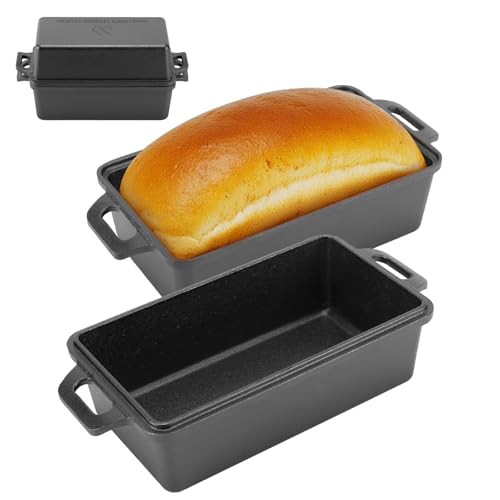
The Northriver Casting loaf pan uses cast iron to hold heat for a deep, steady bake. Its 9 x 5-inch shape fits many standard bread recipes, while the lid helps contain steam during the early part of baking. That feature can support a firm crust and a moist center, especially with rustic dough. The two-piece design also gives the pan more uses than a basic open loaf pan.
Cast iron takes longer to heat than thin steel, but it stays hot once heated. That steady heat can help brown the sides and bottom of a loaf. The pan is heavy, so I suggest placing it on the oven rack before filling it when the dough is soft. Dry it fully after washing and follow the care instructions to protect the seasoning.
Pros:
- Excellent heat retention
- Sturdy cast iron construction
- Lid helps hold baking steam
- 9 x 5-inch size fits common recipes
- Useful for sourdough and rustic bread
- Can last for years with proper care
Cons:
- Heavier than steel or aluminum pans
- Requires seasoning care
- Slow to heat and cool
My Recommendation
I recommend this pan for experienced bread bakers who enjoy sourdough and crusty loaves. It is one of the best pans for baking bread when heat retention and a covered bake matter more than light weight. The lid gives you extra control over moisture and crust. It is not the easiest pick for someone who wants quick washing and zero maintenance, but its long-term value can be excellent.
| Best for | Why |
|---|---|
| Sourdough bakers | Lid helps trap steam during baking |
| Rustic loaves | Cast iron creates strong heat contact |
| Long-term use | Heavy construction can last for years |
Pavsrmy Perforated Baguette Bread Pan

The Pavsrmy baguette pan is made for long, narrow loaves rather than sandwich bread. Its perforated channels allow hot air to move around the dough, which can help create a crisp, golden crust. The pan holds up to four baguettes, so it suits family meals and weekend baking projects. It can also help dough keep its shape while it rises and bakes.
This style of pan is useful for French bread, Italian bread, sourdough baguettes, and breadsticks. The nonstick finish makes transfer easier, though a light dusting of flour or cornmeal can add extra insurance. Since the channels are narrow, thick dough may need careful shaping before placement. I would choose this pan for crust-focused baking, not for standard sandwich loaves.
Pros:
- Designed for four baguettes
- Perforations support air circulation
- Helps create a crisp crust
- Supports even loaf shape
- Useful for French and Italian bread
- Nonstick surface helps with release
Cons:
- Not suitable for standard loaf recipes
- Long shape needs enough oven space
- Perforations may require careful cleaning
My Recommendation
I recommend this baguette tray for bakers who want bakery-style long loaves at home. It belongs on a list of the best pans for baking bread because it solves a problem that flat baking sheets cannot: keeping baguettes round and evenly spaced. It is a focused tool, so it may sit unused if you mostly bake sandwich bread. For crusty bread fans, however, it can quickly become a favorite.
| Best for | Why |
|---|---|
| Baguettes | Channels hold long dough in place |
| Crisp crusts | Perforations improve hot-air flow |
| Family baking | Four sections support a larger batch |
9-Inch Nonstick Loaf Pan With Liners
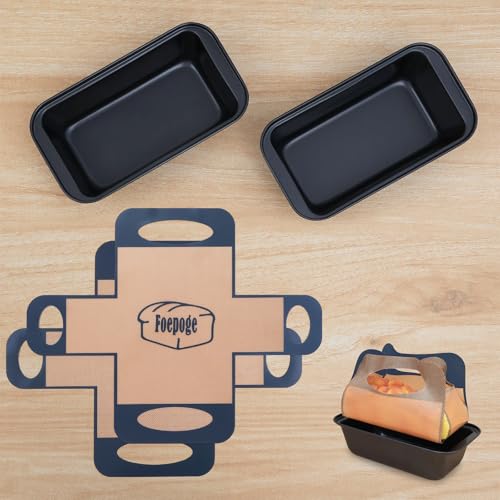
This 9 x 5-inch nonstick loaf pan comes with liners, which makes it friendly for both new and experienced bakers. The standard size fits many sandwich bread, banana bread, zucchini bread, and pound cake recipes. Liners can make lifting a warm loaf easier and reduce cleanup after baking. They also help protect the pan when you work with sticky dough or sugary batter.
The nonstick body gives the bread a clean release when you grease it lightly and let the loaf cool before removing it. A liner can also help keep the crust edges neat. I like this setup for gift baking because it reduces the small bits of parchment cutting and fitting. Keep the pan away from sharp tools, and check the liner care directions before repeated use.
Pros:
- Includes convenient liners
- Standard 9 x 5-inch capacity
- Useful for bread and quick cakes
- Nonstick finish supports easy release
- Liners reduce cleanup
- Helpful for beginners
Cons:
- Liners may need replacement over time
- Extra accessories require storage
- Coating can scratch with metal tools
My Recommendation
This pan is best for beginners, gift bakers, and anyone who dislikes scrubbing baked batter. It is one of the best pans for baking bread if you want a complete starter setup instead of a pan alone. The liners make loaf removal feel simple and less stressful. Its value depends on the quality and reuse life of the included liners, so handle them with care.
| Best for | Why |
|---|---|
| Beginners | Liners make release and cleanup easier |
| Sticky recipes | Extra lining helps prevent stubborn sticking |
| Gift baking | Simple set feels ready to use |
GoodCook 9 x 5-Inch Single Loaf Pan
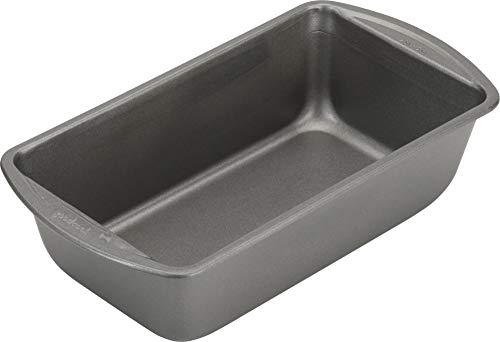
The GoodCook 9 x 5-inch loaf pan is a practical choice for everyday home baking. Its heavy-duty steel body gives a loaf firm support and helps spread heat across the sides. The nonstick coating makes it easier to remove bread, cakes, and meatloaf after cooling. This is the kind of basic pan I would keep ready for weekly baking.
The standard dimensions work with many recipes written for a traditional one-pound loaf. The pan also has enough room for dough to rise without forcing every loaf into a narrow shape. It is oven safe and dishwasher safe, but gentle hand washing remains the better choice for long coating life. The simple design makes it easy to stack with other bakeware.
Pros:
- Reliable standard loaf size
- Heavy-duty steel construction
- Nonstick coating aids release
- Works for bread and meatloaf
- Easy to store and handle
- Good choice for weekly use
Cons:
- Only one pan is included
- Nonstick coating needs careful cleaning
- May not suit very large artisan loaves
My Recommendation
I recommend this pan for home cooks who want one dependable loaf pan with no extra parts. It is a strong option among the best pans for baking bread because the 9 x 5-inch size fits many common recipes. The steel construction gives it a good balance of weight and control. Choose it if you want a useful daily pan rather than a specialty tool.
| Best for | Why |
|---|---|
| Weekly bread | Standard size fits many recipes |
| Mixed baking | Handles cakes, meatloaf, and casseroles |
| Small kitchens | One compact pan takes little space |
Razab Glass Loaf Pan Set With Lids

The Razab glass loaf pan set gives you two large glass pans with matching lids. Each pan holds about 7.6 cups, making it useful for bread, cakes, casseroles, and meatloaf. Clear glass lets you watch the sides and bottom as the loaf bakes. The lids also make storage and transport much easier after the food cools.
Glass heats differently from metal, so I suggest following the recipe temperature and watching the bake closely the first time. Avoid sudden temperature changes, such as placing a hot glass pan on a cold wet surface. The grip handles make carrying safer, while the lids help keep finished bread fresh during short storage. These pans are a good fit for cooks who want bakeware that moves from oven to table and then into the refrigerator.
Pros:
- Two large glass loaf pans
- Includes airtight-style storage lids
- Clear sides help monitor browning
- Useful for baking and food storage
- Microwave- and oven-safe design
- Grip handles improve carrying
Cons:
- Glass is heavier than steel
- Needs care to avoid thermal shock
- Bread may brown more slowly than in dark metal
My Recommendation
This set is best for families, meal preppers, and anyone who values storage after baking. It earns a place among the best pans for baking bread because the lids add useful value beyond the oven. I especially like it for banana bread, baked pasta, and make-ahead meals. Choose metal instead if you want the fastest crust browning or the lightest pan.
| Best for | Why |
|---|---|
| Meal prep | Lids make storage and transport simple |
| Family kitchens | Large capacity handles generous recipes |
| Visual baking | Glass lets you see side browning |
GoodCook 9 x 5-Inch Loaf Pan Set

This GoodCook set includes two 9 x 5-inch nonstick loaf pans for cooks who bake more than one loaf at a time. The heavy-duty steel body offers a stable base for dough and batter. The pans work for breads, lasagnas, casseroles, and meatloaf, so they can earn their space in a busy kitchen. The matching pair makes holiday baking and freezer prep more efficient.
The easy-clean surface helps reduce crumbs and baked sugar around the corners. A standard loaf usually fits well, but I still avoid filling any pan more than about two-thirds full unless the recipe says otherwise. The pans are oven safe and dishwasher safe for convenience. For the best results, I grease the pan lightly and use soft tools to protect the coating.
Pros:
- Two full-size loaf pans
- Heavy-duty steel supports even heating
- Nonstick surface releases bread easily
- Useful for many oven recipes
- Good for holiday and batch baking
- Dishwasher-safe convenience
Cons:
- Requires storage for two pans
- Coating can wear with harsh washing
- Not designed for baguettes or round loaves
My Recommendation
I recommend this set for families and regular bakers who want practical quantity. It is one of the best pans for baking bread when two standard loaves matter more than premium materials. The pans offer a useful mix of size, flexibility, and low-maintenance cleanup. If you bake only once or twice a year, a single pan may give you better value.
| Best for | Why |
|---|---|
| Batch baking | Two pans bake matching loaves together |
| Holiday cooking | Handles bread and other baked dishes |
| Busy homes | Nonstick finish speeds cleanup |
USA Pan Standard Nonstick Bread Pan
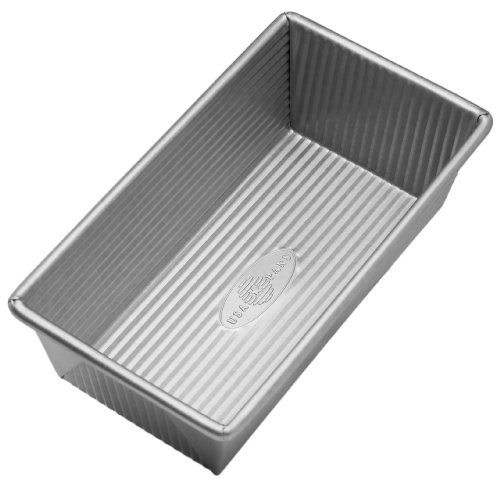
The USA Pan Standard Bread Loaf Pan is designed for a one-pound loaf and uses aluminized steel for a strong, steady bake. Its fluted surface adds structure and can help improve air flow around the pan. The nonstick coating supports easy release without forcing you to line the pan every time. This pan feels more purpose-built than a general baking tin.
I like it for sandwich bread because the standard shape creates even slices and a neat top. The pan has enough strength for repeated use, while the aluminized steel responds more quickly than thick cast iron. Avoid metal utensils and abrasive cleaners to preserve the coating. It costs more than basic sets, but the build quality can justify the extra spend for frequent bakers.
Pros:
- Aluminized steel offers strong heat response
- Made for standard one-pound loaves
- Fluted design supports pan strength
- Nonstick finish helps release bread
- Good shape for sandwich slices
- Suitable for frequent home baking
Cons:
- Higher price than basic pan sets
- Only one pan is included
- Coating needs gentle care
My Recommendation
This is my pick for serious home bakers who want a refined standard loaf pan. It is among the best pans for baking bread because it combines sturdy construction, useful dimensions, and reliable release. It suits sandwich bread, enriched dough, and many quick breads. If you bake often, the stronger build may offer better value than replacing cheaper pans again and again.
| Best for | Why |
|---|---|
| Sandwich bread | Standard shape creates neat slices |
| Frequent bakers | Strong steel supports repeat use |
| Premium results | Purpose-built design improves control |
GRMImosa Pre-Seasoned Cast Iron Pan

The GRMImosa cast iron loaf pan brings the steady heat of cast iron to a 9 x 5-inch sourdough-friendly shape. It comes pre-seasoned, so you can begin baking with less preparation than an unseasoned pan. The lid helps hold moisture around the dough during the first stage of baking. That can help sourdough develop a rich crust while keeping the inside tender.
This pan is made for bakers who enjoy a hands-on process. Cast iron is heavy and needs careful drying, but it rewards good care with long service. I would lift it with both hands and use oven mitts that cover the wrists. The lid may also help reduce the need for separate steam methods in some recipes, though each dough and oven will behave differently.
Pros:
- Pre-seasoned for a simpler start
- Strong heat retention
- Lid supports a steamy bake
- 9 x 5-inch size suits many loaves
- Excellent for sourdough experiments
- Durable construction can last a long time
Cons:
- Heavy to move when hot
- Needs regular drying and care
- Cast iron heats more slowly
My Recommendation
I recommend the GRMImosa pan for sourdough fans who want a covered cast iron bake. It is one of the best pans for baking bread when crust, steam, and heat retention are your main goals. The pre-seasoned surface makes it more approachable than raw cast iron. Pick a lighter steel pan if you bake quick breads, have limited storage, or dislike special care.
| Best for | Why |
|---|---|
| Sourdough | Covered cast iron bake supports crust development |
| Rustic bread | Heavy walls hold steady heat |
| Traditional bakers | Pre-seasoned iron offers a classic method |
How to Choose the Best Pans for Baking Bread
Choosing the best pans for baking bread starts with the type of loaf you make most. A standard 9 x 5-inch pan suits many sandwich loaves and quick breads. An 8 x 4-inch pan makes a smaller loaf and can work well for small households. A baguette pan serves a very different purpose and will not replace a normal loaf pan.
Material also changes the baking result. Steel heats fairly quickly and works well for even, everyday baking. Aluminized steel gives a good balance of strength and heat response. Glass lets you see the bake, but it needs careful temperature handling. Cast iron holds heat very well, although it weighs more and needs more care.
Nonstick coating makes release and cleanup easier, but it is not indestructible. Do not cut bread inside the pan with a metal knife. Avoid steel wool and harsh scrubbers. A small amount of oil can help, even when the label says the pan is nonstick.
What Pan Size Is Best for Homemade Bread?
For most sandwich bread recipes, a 9 x 5-inch loaf pan is a safe starting point. Many recipes also use an 8.5 x 4.5-inch pan, so always compare the recipe size with the pan size. A smaller pan creates a taller loaf, while a larger pan creates a wider and often shorter loaf. Too much dough can spill over the rim and make the center bake unevenly.
I usually fill a loaf pan only partway and let the dough rise until it reaches the right level. The exact point depends on the recipe, yeast strength, and flour type. Quick breads often need more room because they expand in the oven. When in doubt, place the pan on a baking sheet to catch small spills.
Metal, Glass, or Cast Iron for Bread?
Metal remains the easiest choice for most home bakers. It heats quickly and often gives bread a well-browned side and bottom. Glass can be useful when you want to see the crust, but it may change the bake time and browning pattern. Cast iron works well for crusty bread and sourdough because it stores heat and can hold steam with a lid.
There is no single material that wins for every recipe. The best pans for baking bread depend on your dough, your oven, and how much care you want to give the pan. For simple weekly baking, choose coated steel. For rustic bread, consider cast iron. For storage and family meals, glass with lids can be very practical.
Tips for Better Results With a Bread Pan
Grease the pan lightly unless your recipe says not to. For very sticky dough, add parchment or a suitable liner. Do not pack flour tightly into the pan, because this can make the loaf dense. Let the bread cool for a few minutes before removing it, but do not leave sweet bread trapped in a hot pan for too long.
Place the pan near the center of the oven for balanced heat. If your oven has a hot spot, rotate the pan only when the loaf has set enough to avoid collapse. Use an instant-read thermometer when testing yeast bread; many finished loaves reach an internal temperature around 190 to 210 degrees Fahrenheit, depending on the style. Always follow the recipe because hydration and flour type affect the final result.
Clean the pan soon after use. Warm water and mild soap usually remove fresh crumbs and grease. Dry steel and cast iron completely before storage. These small habits protect the pan and help it perform like a trusted kitchen tool instead of a forgotten tin in the cabinet.
FAQs Of best pans for baking bread
What is the best pan size for sandwich bread?
A 9 x 5-inch loaf pan works well for many standard sandwich bread recipes. Some recipes call for an 8.5 x 4.5-inch pan, so match the pan to the recipe when possible.
Are nonstick pans safe for baking bread?
Yes, nonstick bread pans are made for oven baking within their stated temperature range. Use soft utensils and avoid abrasive cleaners to protect the coating.
Is cast iron good for sourdough?
Cast iron is excellent for sourdough because it holds heat and can trap steam with a lid. It is heavier and needs more care than a coated steel pan.
Can I bake bread in a glass loaf pan?
Yes, glass works for many bread recipes. Avoid sudden temperature changes, and watch the loaf closely because glass can brown bread differently from metal.
Should I use parchment in a bread pan?
Parchment is helpful for sticky dough and quick bread. It is optional with a good nonstick pan, but it can make loaf removal easier and reduce cleanup.
Final Verdict: Which Should You Buy?
For most home bakers, the USA Pan Standard Bread Loaf Pan is the best overall choice. It offers a useful size, strong aluminized steel, and dependable release. For a lower-cost pair, choose the Amazon Basics set.
The best pans for baking bread should match your loaf style and routine. Choose cast iron for sourdough, Pavsrmy for baguettes, and glass Razab pans for baking plus storage.