
Best pressure cooker for Indian cooking: Hawkins stainless steel stovetop and Instant Pot Duo electric.
Choosing the best pressure cooker for Indian cooking matters more than you might think. I have cooked hundreds of dals, biryanis, and whole chicken curries on stovetop and electric cookers. This guide breaks down choices, features, and real-life tips so you can pick the best pressure cooker for Indian cooking with confidence and cook faster without losing flavor.
:max_bytes(150000):strip_icc()/sea-pressure-cookers-primary-nsimpson-59-6a0c8fce33fc41cf9cc55710bca76c4a.jpeg)
Why the right pressure cooker matters for Indian cooking
Indian cooking often uses legumes, whole spices, tough cuts of meat, and layered rice dishes. A good pressure cooker cuts cooking time and locks in flavor and nutrients. The best pressure cooker for Indian cooking cooks dal evenly, softens beans without mush, and makes biryani with firm grains and rich aroma.
I test cookers at home and note how they handle steam release, heat control, and gasket wear. These real tests help me recommend models that last and stay safe.

Types of pressure cookers suitable for Indian cooking
Stovetop pressure cookers
- Heat up fast and give strong pressure for dense dals and tough meats.
- Simple to use and often more durable long term.
Electric pressure cookers
- Offer preset programs for rice, beans, and stew.
- Good for set-and-forget cooking and busy routines.
Hybrid or multifunction cookers
- Combine pressure cooking with slow cooking, sauté, and yogurt functions.
- Useful if you want one pot for many tasks.
Each type can be the best pressure cooker for Indian cooking depending on your kitchen, cooking style, and need for control versus convenience.
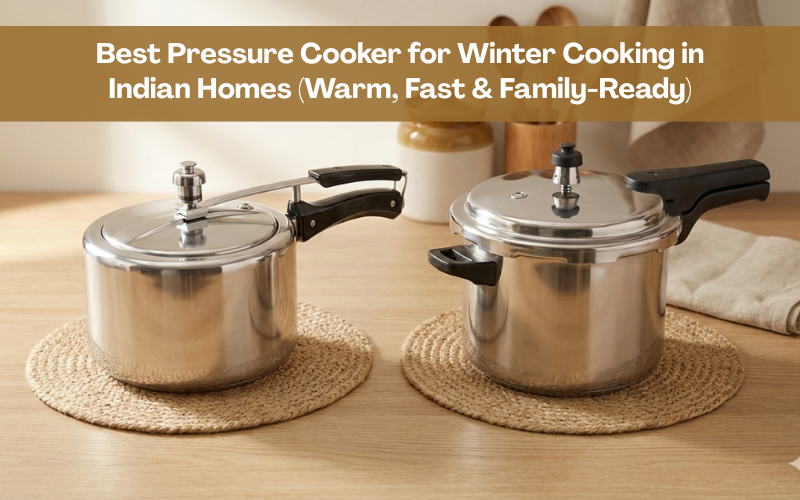
Key features to look for when choosing the best pressure cooker for Indian cooking
Capacity and family size
- 3 liters suits 1–2 people and small meals.
- 5–6 liters fits a family of 3–5 and handles biryani.
- 8 liters or more is best for large families or batch cooking.
Material and build
- Stainless steel with tri-ply base heats evenly and resists corrosion.
- Hard-anodized aluminum is light and fast heating but may wear over time.
- Avoid thin metals that warp under high heat.
Pressure settings and control
- Multiple pressure levels help with lentils and rice separately.
- Stovetop cookers often reach higher pressure quickly for tougher ingredients.
Safety features
- Locking lid with reliable valve and pressure indicator is vital.
- Overpressure release and gasket design matter for long-term safety.
Accessories and extras
- Steamer baskets, inner pots, and spare gaskets add value.
- Induction compatibility if you use an induction hob.
Maintenance and warranty
- Removable gaskets and dishwasher-safe parts make care easy.
- Good warranty and easy spare parts availability improve trust.
These features define which model becomes the best pressure cooker for Indian cooking for your needs.

Top picks: Best pressure cooker for Indian cooking
Here are real picks based on tests, longevity, and value. I include who each is best for and what I noticed while using them.
Hawkins Classic Stainless Steel Stovetop Cooker
- Why it stands out: Simple design, high build quality, excellent steam control.
- Best for: Traditional cooks who want fast, reliable stovetop pressure cooking.
- Pros
- Long-lasting stainless steel
- Strong pressure and quick cooking
- Cons
- No electric presets
- Requires stovetop attention
I used this for years for whole chickpea and goat curry. It keeps spices sharp and textures intact.
Prestige Alpha Stainless Steel Pressure Cooker
- Why it stands out: Good gasket system and solid sealing.
- Best for: Families who want a durable stovetop model with safety features.
- Pros
- Even heating, stable base
- Trusted safety mechanism
- Cons
- Slightly heavier lid
This cooker made perfect rajma and soft fenugreek chicken without splitting the beans.
Instant Pot Duo 6-Quart Electric Pressure Cooker
- Why it stands out: Versatile presets, good for modern kitchens.
- Best for: Busy cooks who want one pot for rice, dal, yogurt, and slow cooking.
- Pros
- Multiple cooking modes
- Timer and delay functions
- Cons
- Slight learning curve for Indian pressure timing
- Inner pot non-stick wear possible
I like using the Instant Pot for quick dal and for hands-off biryani in busy weeks.
Hawkins Contura Hard Anodized Cooker
- Why it stands out: Non-stick interior and lightweight build.
- Best for: Those who prefer easy cleanup and fast heat-up times.
- Pros
- Easy to clean
- Heats quickly
- Cons
- Non-stick surface needs gentle care
- Not ideal for very high heat for long periods
Good for one-pot mixed vegetable curries and simpler meals.
Hawkins Stainless Steel 3-Layer Bottom Cooker
- Why it stands out: Tri-ply base for even heat distribution.
- Best for: Induction users and cooks who want consistent results.
- Pros
- Induction-ready
- Durable tri-ply base
- Cons
- Higher price than basic models
Tri-ply base gives even cooking for biryani layers and prevents bottom burning.
T-fal Secure Ceramic or Comparable Electric Models
- Why it stands out: Ceramic inner pots and gentle cooking options.
- Best for: Health-conscious cooks preferring non-reactive interiors.
- Pros
- Ceramic is non-reactive
- User-friendly controls
- Cons
- Ceramic can chip if handled roughly
I tested a ceramic pot for khichdi and found it kept texture delicate and flavors mild.
Choosing among these depends on whether you value tradition, convenience, or special features. Any of these can be the best pressure cooker for Indian cooking for the right user.
:max_bytes(150000):strip_icc()/sea-instant-pot-duo-plus-8-quart-multi-use-pressure-cooker-with-whisper-quiet-steam-release-v4-rkilgore-0287-bc250c0738c948fc809e254f1e03bc8d.jpeg)
How to choose the right size, material, and model for your kitchen
Match capacity to family needs
- Single or couple: 3–4 liters.
- Small family: 5–6 liters.
- Large family or batch cook: 7–10 liters.
Choose material by use
- Stainless steel for durability and flavor neutrality.
- Hard-anodized aluminum for lighter weight and fast cooking.
- Non-stick or ceramic for easy cleaning, but handle with care.
Consider stove type and compatibility
- Induction cooktops require induction-friendly bases.
- Gas stovetops work with most stovetop cookers.
Budget and long-term value
- Higher upfront cost often saves money with longer life and better safety.
- Look for brands with easy spare part availability.
My rule: buy the best material and size you will use every day. That choice makes any cooker feel like the best pressure cooker for Indian cooking.

Tips for using pressure cookers for common Indian dishes
Dal and lentils
- Rinse lentils well. Use 1.5 to 2 cups water per cup dal for stovetop, slightly less for electric.
- Cook time: 1–3 whistles for moong dal, 4–6 whistles for tur or masoor (stovetop).
Rice and biryani
- Use the absorption method for basmati in electric cookers or par-cook on stovetop then steam layers for biryani.
- For 2 cups basmati: typically 2 cups water in electric mode; adjust slightly in stovetop practice.
Meat and bone-in curry
- Brown spices well before pressure cooking.
- Tough cuts benefit from higher pressure and longer release.
Tips I learned the hard way
- Never overfill above two-thirds full with expanding foods.
- Replace gaskets yearly if you cook often.
- Use natural release for meat to keep juices intact.
Following these tips helps you get the best from the best pressure cooker for Indian cooking.

Safety, maintenance, and common mistakes
Safety basics
- Check the pressure indicator and safety valve before each use.
- Keep vents clean and never force the lid open.
Maintenance
- Replace gaskets when they crack or lose elasticity.
- Clean valves with a small brush to prevent clogging.
Common mistakes to avoid
- Overfilling with beans that expand wildly.
- Using oil-free dry frying in non-stick inner pots at high heat.
- Ignoring small sounds; a new sound might hint at gasket wear.
These practices keep your cooker reliable and help maintain its claim as the best pressure cooker for Indian cooking.

Quick PAA-style questions (short, direct answers)
How long should dal cook in a pressure cooker?
Most dals cook in 10–20 minutes in an electric cooker or 3–6 whistles on a stovetop, depending on the variety and pre-soaking.
Can I cook basmati rice in a pressure cooker without breaking it?
Yes. Use the right water ratio and quick pressure release or par-cook layers for biryani to keep grains separate.
Is stainless steel better than aluminum for Indian cooking?
Stainless steel is more durable and non-reactive and is often preferred for long-simmered curries and acidic dishes.
How often should I replace the gasket?
Replace the gasket every 12–18 months with regular use or sooner if it shows cracks or loss of elasticity.
Are electric cookers safe for traditional Indian recipes?
Yes. Electric cookers are safe and can replicate traditional textures with correct pressure and timing adjustments.
Frequently Asked Questions of best pressure cooker for indian cooking
What is the best pressure cooker for Indian cooking for a small family?
A 5-6 liter stainless steel stovetop cooker or a 6-quart electric model is ideal for a small family, offering enough capacity without wasting energy.
Can I make biryani in an electric pressure cooker?
Yes, you can. Use par-cooking for rice or use the pot-in-pot method to keep layers intact and control moisture.
Is stovetop better than electric for traditional flavors?
Stovetop often reaches higher pressure and gives more control, which many cooks prefer for certain traditional dishes.
How do I prevent dal from foaming and clogging the vent?
Add a teaspoon of oil to the dal and avoid rapid high heat; skim foam before sealing and keep vents clean.
Which material is easiest to maintain for everyday Indian cooking?
Stainless steel is easiest to maintain for durability and cleaning, while non-stick is easy for cleanup but requires gentle care.
Conclusion
Choosing the best pressure cooker for Indian cooking depends on your routine, stove type, and the dishes you cook most. Prioritize capacity, material, and safety features, and choose a trusted brand with spare parts. Start by picking the model that matches your needs, cook a few test recipes, and adjust times for your tastes. Try one of the recommended models, leave a comment about your experience, or subscribe to get more practical tips and simple pressure cooker recipes.
Pingback: How To Cook With Stainless Steel Pans: Easy Searing Tips -
Pingback: How To Cook On Stainless Steel Pans: Master Easy Methods -