
Cook on stainless steel pans by preheating, adding oil, and using proper heat control.
I have used stainless steel pans for years in home and test kitchens. I will show you how to cook on stainless steel pans with clear steps. This guide covers prep, heat control, techniques, cleaning, and fixes. Read on to learn practical tips that work every time.

Why choose stainless steel pans
Stainless steel pans are durable. They resist rust and scratches. They do not react with acidic foods. This makes them safe for lemon, tomato, and wine sauces.
Stainless steel pans also give a great sear. The pan holds shape under high heat. That makes them ideal for steaks and browning. I prefer them for foods that need an even crust.
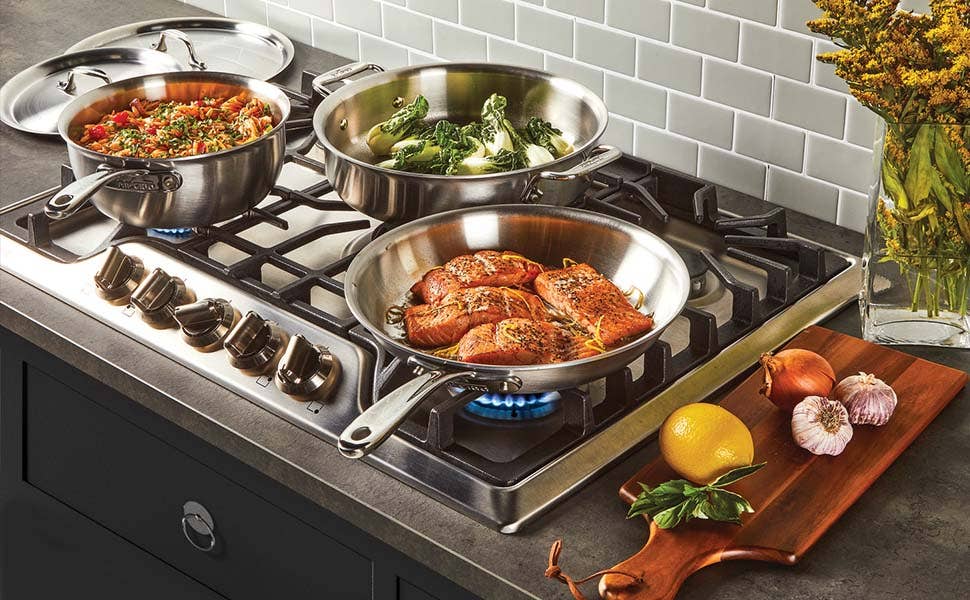
Before you start: prep and care
Use a clean, dry pan. Check for food residue or oil. Any leftover grime can cause uneven cooking.
Preheat the pan. Start on medium heat for a few minutes. You should feel steady radiant heat before adding oil.
Seasoning stainless steel is optional. A light oil coat after a deep clean helps. It creates a smoother surface and can reduce sticking in the short term.
I once forgot to preheat and my chicken stuck badly. After that, I always test heat with a drop of water. If a bead forms and dances, the pan is ready.

Mastering heat, oil, and timing
Heat control is the key to how to cook on stainless steel pans. Use medium to medium-high heat for most jobs. Reserve high heat for quick sears.
Use the right oil. Choose oils with a suitable smoke point for your heat. For medium heat, olive oil or canola works. For higher heat, use avocado or refined oils.
Add oil after the pan is hot. Pour a thin layer and swirl. Let oil shimmer but not smoke. Then add food gently and give it time to release.
PAA-style question: How long should I preheat a stainless steel pan?
Answer: Preheat for 2 to 4 minutes on medium heat. The pan is ready when a water droplet forms a moving bead.
PAA-style question: Can I use butter in a stainless steel pan?
Answer: Yes. Use butter with oil at medium heat to prevent burning. Or add butter near the end for flavor.

Cooking techniques that work best
Searing meat
- Pat meat dry.
- Salt just before cooking.
- Sear without moving it for 2–4 minutes per side.
This creates a crust and easy release.
Sautéing vegetables
- Heat oil until it shimmers.
- Add vegetables in one layer.
- Stir or toss to brown evenly.
Frying eggs
- Use medium-low heat with a bit of oil or butter.
- Let the egg set before sliding a spatula under it.
- Be patient; eggs will release when edges are done.
Deglazing and pan sauces
- After searing, remove food and add liquid like stock, wine, or water.
- Scrape the brown bits to make sauce.
- This is one of the best uses of stainless steel pans.
Cooking acidic foods
- Stainless steel handles acidity well.
- Use moderate heat to avoid over-reduction.
- Acid can help lift stuck bits during deglazing.

Cleaning and maintenance
Cool the pan slightly before washing. Sudden cold can warp thin pans. Use warm water, soap, and a soft sponge.
For stuck food, soak 10–20 minutes. Then scrub gently. For tough stains, simmer water with a splash of vinegar. That loosens residue.
Avoid abrasive powders on polished surfaces. Use a non-scratch pad or a stainless cleaner when needed. Wipe dry to prevent water spots.
I scrubbed a pan too hard once and left tiny marks. Now I use a gentle scrub and the pan looks new.
:max_bytes(150000):strip_icc()/sea-primary-stainless-steel-skillets-jan-25-rkilgore-0699-4df4b200ea9e420080bbe1fc47c3faee.jpeg)
Common problems and how to fix them
Food sticks despite preheating
- Cause: pan too cool or food damp.
- Fix: dry food well, preheat longer, add oil after heat.
Cloudy or rainbow discoloration
- Cause: mineral buildup from hard water or high heat.
- Fix: clean with a vinegar soak, then rinse and dry.
Warped pan
- Cause: sudden temperature change or cheap construction.
- Fix: avoid high heat when empty. Replace if warp affects cooking.
Burnt oil or residue
- Cause: oil overheated or left too long.
- Fix: simmer with water and baking soda, then wash.

Tips from my experience
Practice on simple foods first. Try seared chicken breasts or vegetables. Learn the sound and look of a properly seared edge.
Use a thermometer for meats. It removes guesswork and helps avoid overcooking. Keep notes. I track times and heat levels for new pans.
Invest in a heavier pan if you cook often. Thicker bases heat more evenly and reduce hot spots. A good pan lasts many years.

Frequently Asked Questions of how to cook on stainless steel pans
How do I stop food from sticking to stainless steel pans?
Preheat the pan and add oil after it gets hot. Let the food form a crust before moving it. Dry food well before cooking.
Can I use metal utensils on stainless steel pans?
Yes. High-quality stainless steel tolerates metal utensils. Still, use care to avoid scratching nonstick finishes.
Is seasoning necessary for stainless steel pans?
Seasoning is optional. A light oil layer can help short-term. It does not create a true nonstick surface like cast iron.
What heat setting should I use for searing?
Use medium-high to high heat for searing. Preheat the pan first. Watch oil to avoid smoking.
How do I remove rainbow discoloration from my pan?
Boil a mix of water and vinegar for a few minutes. Rinse and dry. For stubborn marks, use a mild stainless cleaner.
Can I cook tomatoes or lemon in stainless steel pans?
Yes. Stainless steel is safe for acidic foods. Cook at moderate heat to avoid taste changes.
Will stainless steel pans rust?
High-quality stainless pans resist rust. Clean and dry them well. Avoid leaving salty water on the surface for long.
Conclusion
Stainless steel pans are versatile, durable, and great for searing, sautéing, and sauce-making. Learn to preheat, add oil at the right time, and control heat. Practice simple dishes and build confidence slowly.
Try one clear change this week: preheat your pan properly before cooking. You will notice less sticking and better browning. Share your results, ask questions, or subscribe for more tips.