
Soak rusty utensils in white vinegar, scrub with baking soda, rinse, and dry immediately.
I’ve spent years restoring cookware and testing methods for how to remove rust from kitchen utensils. I write from hands-on experience in home kitchens and small professional settings. This guide lays out safe, effective cleanup steps, the best tools, prevention tips, and real-world lessons so you can restore pans, forks, and knives with confidence. Read on to learn practical, tested ways to remove rust from kitchen utensils and keep them rust-free.
Why kitchen utensils rust and what to expect
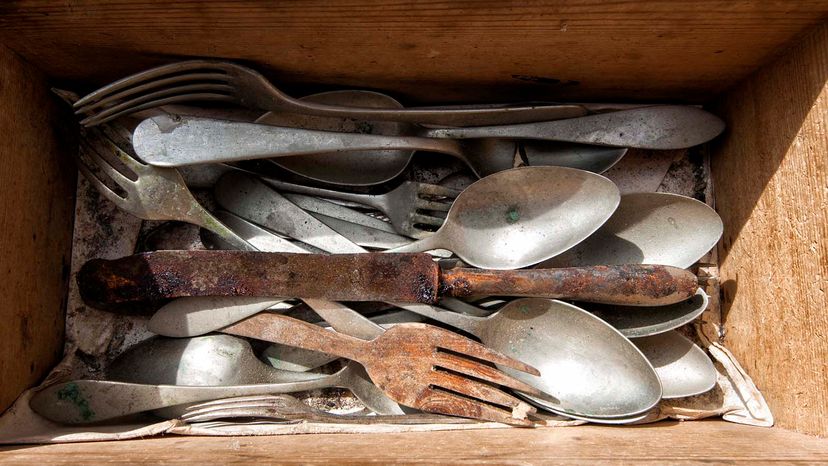
Rust forms when iron or steel reacts with oxygen and moisture. Many common utensils have iron, carbon steel, or low-grade stainless steel that can corrode if left wet. Small surface rust looks grim but is often removable. Deep pitting or flaking may mean the item is permanently damaged and should be replaced for safety.
Common causes of rust on utensils:
- Leaving utensils wet in a sink or dishwasher for long periods.
- Storing mixed-metal items together so galvanic corrosion occurs.
- Using acidic foods or salt without drying utensils promptly.
- Scratches or worn coatings exposing bare metal.
Understanding why rust forms helps you pick the right method for how to remove rust from kitchen utensils. Assess the severity before you start: light surface rust cleans differently than heavy pitting.

Materials and which utensils are safe to restore
Not all cookware reacts the same to cleaners. Choose methods based on material to avoid damage.
Materials and notes:
- Stainless steel: Usually safe with vinegar, baking soda, or mild abrasives.
- Carbon steel and cast iron: Rust-prone, but restorable; avoid harsh acids or scrubbing that removes seasoning.
- Chrome-plated or aluminum items: Test first; acids can dull or pit finishes.
- Silver-plated utensils: Use gentle methods; strong abrasives can remove plating.
When considering how to remove rust from kitchen utensils, always test on a hidden spot. If unsure, treat gently or consult the manufacturer.

Tools and supplies you’ll need
Gather simple items most households already have. These cover the safest and most effective approaches.
Essentials:
- White vinegar or apple cider vinegar
- Baking soda
- Lemon or lime juice and table salt
- Soft scrub brush, nylon scouring pad, or fine steel wool (0000 grade)
- Dish soap and clean towels for drying
- Small container for soaking and a toothbrush for tight spots
- Food-safe oil (for cast iron finishing)
Having the right supplies makes removing rust faster and lowers risk of damage when you remove rust from kitchen utensils.
Step-by-step methods that work (choose based on material)
Below are clear, simple methods for how to remove rust from kitchen utensils. Pick the one that suits your utensil and rust level.
Method 1 — Vinegar soak (best for stainless and small rusty spots)
- Fill a bowl with enough white vinegar to cover the rusted area.
- Soak the utensil for 1 to 8 hours depending on severity.
- Scrub with a nylon pad or fine steel wool, then rinse and dry.
- Apply a thin layer of oil if restoring cast iron.
Method 2 — Baking soda paste (gentle option)
- Mix baking soda with water to make a paste.
- Apply paste to rust and let sit 15–30 minutes.
- Scrub with a toothbrush or soft pad, rinse, and dry.
Method 3 — Lemon and salt (natural, works on light rust)
- Sprinkle salt over rusted areas.
- Rub with a lemon half or apply lemon juice and let sit 10–20 minutes.
- Scrub, rinse, and dry thoroughly.
Method 4 — Abrasive scrub for stubborn rust
- Use fine steel wool (0000) or a scouring pad for heavy surface rust.
- Rub gently with the grain or along the shape.
- Rinse, dry, and treat with oil if needed.
Method 5 — Commercial rust removers (when home remedies fail)
- Choose a food-safe product for utensils.
- Follow label directions closely and rinse multiple times.
- Dry and neutralize any residues as recommended.
When you’re removing rust from kitchen utensils, prioritize mild acids and gentle abrasion first. Escalate to stronger tools only if needed. Always dry well after cleaning to stop rust from returning.

Preventing rust after cleaning
Cleaning is only half the battle. Prevention keeps utensils ready and safe.
Simple prevention habits:
- Dry items immediately after washing with a towel and let air-dry upright.
- Store in a dry drawer or hanging rack with good air flow.
- Do not leave utensils wet in the sink or dishwasher overnight.
- For cast iron or carbon steel, re-season with oil after cleaning.
- Use silica packets or moisture absorbers in your drawer if humidity is high.
These routines reduce how often you need to remove rust from kitchen utensils and extend their life.
Safety tips, limitations, and troubleshooting
Safety first. Some common cautions will protect your tools and health.
Safety and limits:
- Avoid harsh acids on plated or delicate finishes; they can strip coating.
- Don’t use power tools unless you know the material; you can remove too much metal.
- If rust has deeply pitted the metal, the utensil may be unsafe for food use.
- Wear gloves when using stronger chemicals and work in a ventilated area.
Troubleshooting common problems:
- Rust returns quickly: you may have moisture in storage or damaged protective coating.
- Stubborn rust stains: try a combined vinegar soak followed by baking soda paste.
- Odor or taste: rinse several times and heat the utensil before cooking to burn off residues.
Use care and common sense when removing rust from kitchen utensils to avoid damage or injury.

Personal experience and practical tips
I’ve restored dozens of pans, graters, and forks over the years. Here are lessons I learned the hard way.
Real-world tips:
- Start with gentlest methods. One small mistake with steel wool can ruin a finish.
- For cast iron, I always avoid vinegar soaks longer than an hour. Re-season right away.
- A toothbrush is priceless for crevices on utensils and handles.
- I keep a small “rust repair kit” under the sink: vinegar, baking soda, steel wool, and a towel.
- When in doubt, replace cheap, heavily pitted utensils rather than risk food safety.
These simple practices saved me time and money and will help you when you remove rust from kitchen utensils.
Frequently Asked Questions of how to remove rust from kitchen utensils
Is vinegar safe for all kitchen utensils?
Vinegar is safe for most stainless steel and carbon steel but can damage plated or anodized finishes. Test a hidden area first and rinse thoroughly after use.
Can I use bleach to remove rust from utensils?
Bleach does not remove rust and can harm metal and finishes. It may also react with other cleaners. Avoid bleach for rust removal.
How long should I soak rusty utensils in vinegar?
Soaking times vary from 30 minutes to several hours depending on rust severity. Check every 30–60 minutes and scrub lightly to monitor progress.
Will steel wool scratch my cookware?
Coarse steel wool can scratch. Use fine-grade (0000) only and rub gently with the grain. For nonstick or plated surfaces, avoid steel wool entirely.
Is it safe to eat from utensils I restored?
Yes, if you removed only surface rust, rinsed thoroughly, and dried the item. If metal is pitted or flaking, replace the utensil to avoid contamination.
Conclusion
You can remove rust from kitchen utensils safely using simple, household methods like vinegar, baking soda, lemon and careful scrubbing. Start gently, match the method to the material, and always dry and store utensils properly to prevent rust from returning. Try these steps today on a small item, keep a basic rust-repair kit handy, and comment below with your results or questions — I’d love to help you troubleshoot.