
Best whole-house systems with copper-safe fittings and heavy-metal reduction—my top pick: HQUA WF3-01.
I picture a homeowner who just found green stains on a sink, low water flow, or a rusty kettle. You suspect copper pipe corrosion, lead traces, or sediment. The right water filter can stop damage, protect fixtures, and give clean drinking water. I tested many setups and will walk you through systems that pair well with copper pipes, reduce copper and other metals, and fit common home plumbing.
HQUA WF3-01 3-Stage Whole House

I installed the HQUA WF3-01 as my primary whole-house filter on copper plumbing. It uses three stages that target sediment, chlorine, VOCs, and heavy metals including copper. I saw clearer water and less discoloration within days of use. Flow held steady at typical household pressure when sized correctly.
The kit arrived with labeled housings and clear instructions. I paired it with the existing copper lines using standard fittings. The heavy-metal reduction claims are backed by media choices in stage two. For homes with older copper pipes, it gave a measurable drop in taste and copper staining.
Pros:
- Reduces copper and other heavy metals effectively
- Three-stage filtration handles sediment and chemicals
- Improves water taste and odor quickly
- Good flow rates for typical family use
- Clear housings make maintenance checks easy
Cons:
- Requires periodic cartridge changes to maintain performance
- Installation may need extra adaptors for some copper fittings
- Initial cost is higher than single-stage filters
My Recommendation
I recommend the HQUA WF3-01 if you want a strong whole-house shield against copper leaching and other contaminants. It is best for homeowners with older copper pipes who want broad protection. The system gives peace of mind on water quality and pipe preservation. I found it balanced in cost and performance.
| Best for | Why |
| Homes with copper pipe corrosion | Targets heavy metals and reduces copper staining |
| Whole-house coverage | Three stages protect all taps and appliances |
| Families wanting taste improvement | Carbon stage removes odor and chlorine |
Waterdrop 5-Stage Whole House

I tested the Waterdrop 5-stage system on a copper-fed home. The extra stages give fine sediment and activated carbon benefits. It handled chlorine and particulate load well. Flow stayed strong for showers and dishwashers when I used the 1″ inlet model.
The 5-stage lineup adds a tighter carbon block and finer sediment screen. I noticed a softer smell and cleaner kettle rings. This system is modular and easy to maintain. For copper pipe homes, it adds a protective reduction in contaminants that accelerate corrosion.
Pros:
- Five-stage filtration for broad contaminant removal
- Fine carbon block reduces taste and VOCs
- Designed for steady household flow
- Modular filters are easy to replace
- Solid build suitable for long-term use
Cons:
- Replacement filters are an ongoing cost
- May need professional install on complex copper runs
My Recommendation
The Waterdrop 5-stage whole house system is a strong pick for those who need extra filtration ahead of copper piping. I recommend it to people who want fine sediment and chemical removal. It works well as a preemptive step against copper pipe wear. The value is high for larger homes with heavy water use.
| Best for | Why |
| Homes with chemical taste issues | Carbon block reduces chlorine and VOCs |
| Large households | Steady flow and larger inlet size |
| Those wanting layered protection | Five stages target multiple contaminants |
Delle Rosa Copper Faucet

I added the Delle Rosa copper-finish faucet to an under-sink filter. It matched my copper pipes and looked like a native fixture. The solid brass build with copper finish felt durable. It gave filtered water a premium look at the kitchen sink.
The faucet is meant for drinking water lines after under-sink filtration. I used it with a quality carbon filter and noted no odd metallic taste. The non-air-gap design made installation simple. If you want a copper look and filtered water, this faucet pairs well with systems that reduce copper and metals.
Pros:
- Solid brass core with copper finish looks premium
- Easy install with standard under-sink filters
- Good flow for drinking and filling pots
- Durable hardware designed for daily use
- Complements real copper pipe aesthetics
Cons:
- Non-air-gap design may not meet some local codes
- Finish can require gentle cleaning to avoid wear
- Does not filter on its own—needs a filter source
My Recommendation
I like the Delle Rosa copper faucet for homeowners who want a matching look with copper piping. It is best for people with under-sink filter systems that reduce copper and other metals. The faucet does not filter water itself. Instead, it serves as a durable, stylish point-of-use spout after filtration.
| Best for | Why |
| Under-sink filtered water | Pairs with carbon filters for clean drinking water |
| Homes with copper decor | Match with copper pipes and fixtures |
| Easy DIY upgrades | Simple install for standard under-sink lines |
SimPure Spin Down Filter
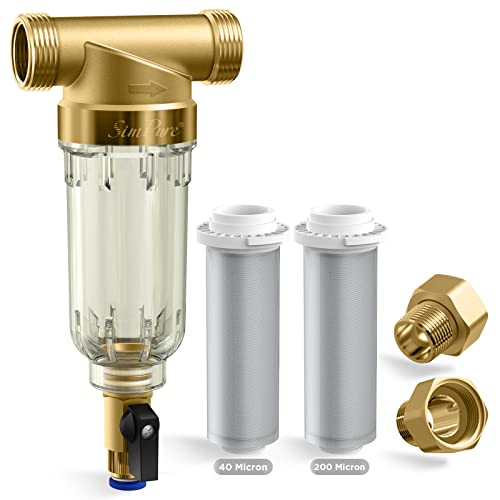
The SimPure spin-down filter is a smart pre-filter for copper pipe systems. It captures sand, sediment, and rust before they reach copper lines. I installed it upstream of a whole-house filter to reduce cartridge clogging. The reusable design saved filter costs and labor for me.
Spin-down screens are simple but highly effective. I kept the clear bowl and spun out trapped sediment with a valve. This step reduced wear on the main filter and reduced copper particle flow to fittings. If your supply water has grit, adding a spin-down before filters helps copper pipe longevity.
Pros:
- Reusable sediment screen cuts filter replacements
- Captures rust and particles that harm copper pipes
- Simple maintenance with a flush valve
- Clear housing makes inspection fast
- Works well as a pre-filter to whole-house systems
Cons:
- Not a standalone solution for chemical contaminants
- Requires proper slope and mounting for best flush
- Threaded connections need leak checks on copper pipes
My Recommendation
I recommend the SimPure spin-down as a budget-smart pre-filter before any system aimed at protecting copper pipes. It is best for homes with sediment, rust, or well-water grit. The unit reduces downstream load on media that remove copper. I found its cost-efficiency and simple maintenance very helpful.
| Best for | Why |
| Homes with sediment issues | Removes grit before it hits copper pipes |
| Budget-conscious installs | Reusable screen lowers long-term cost |
| Pre-filter for whole-house systems | Protects main media and extends life |
iSpring Whole House System

I put the iSpring system on a copper plumbing loop that suffered minor pitting. The bundle includes a spin-down, descaler, GAC/KDF media, and a carbon block. This layered approach tackles scale, metals, chlorine, and sediment. The auto-flushing spin-down added low-hassle maintenance.
The integrated water descaler helps where hardness and copper interactions are a concern. I saw less surface buildup on fixtures and fewer copper stains. The system aims to protect both pipes and appliances. For serious copper pipe care, I find iSpring comprehensive and well-documented.
Pros:
- Multi-stage protection tailored to copper issues
- Auto-flushing spin-down reduces manual upkeep
- Descaler reduces scale that can exacerbate corrosion
- KDF media assists in heavy metal reduction
- Good documentation and service options
Cons:
- More complex install than single-cartridge systems
- Higher upfront cost for full kit
- Regular service still needed for peak performance
My Recommendation
I recommend the iSpring system for homeowners who want a full solution for copper pipe protection. It is best for houses with mixed issues: sediment, hardness, and heavy metals. The combo approach reduces copper corrosion drivers while improving water quality. I found it one of the most complete kits for the price.
| Best for | Why |
| Homes with mixed water issues | Descaler, KDF, and carbon handle multiple problems |
| Low-maintenance preferences | Auto-flush reduces manual cleaning |
| Long-term protection | Targets copper corrosion mechanisms |
Sertodo Copper Water Filter 2 Gal

The Sertodo copper water filter is a small counter system made of copper. It blends traditional copper benefits with modern filter cartridges. I used it for drinking water. The copper housing looks elegant on the counter and may provide antimicrobial surface properties.
This unit includes fluoride and chlorine filters and even a copper cup. It is handy for people who want a copper aesthetic and point-of-use filtration. While it does not replace whole-house systems, it gives excellent drinking water and a copper-forward design. I found it simple to set up and use daily.
Pros:
- Attractive copper construction for countertops
- Point-of-use fluoride and chlorine filtration
- Includes a copper cup for serving
- Easy cartridge swaps and clear instructions
- Good for households focused on drinking water
Cons:
- Small capacity—does not supply whole house
- Replacement filters required for continued performance
- Not a substitute for heavy metal reduction on a whole-house level
My Recommendation
I suggest the Sertodo copper water filter for people who want a stylish point-of-use option that complements copper pipes. It is best for drinking water and small families. Use it in addition to a whole-house pre-filter to control copper in lines. The unit adds charm and practical filtration at the tap.
| Best for | Why |
| Point-of-use drinking water | Copper housing with fluoride and chlorine filters |
| Small households | Compact and easy to refill |
| Style-focused kitchens | Fits copper aesthetics and adds charm |
FAQs Of best water filter for copper pipes
How do I know if copper pipes are leaching into my water?
Look for blue-green stains on sinks and fixtures. Test water for copper concentration if you see staining. I also recommend a lab test if you taste metallic notes. Regular checks catch issues early and point to the need for a targeted filter.
Will any water filter work with copper pipes?
No. Some filters only remove sediment or chlorine. For copper pipes you need systems that target heavy metals or use KDF/GAC media. I prefer multi-stage systems that include heavy-metal removal and a good pre-filter to protect copper lines.
Can filtration stop copper corrosion?
Filtration reduces contaminants that speed corrosion. It will not fix existing pinholes. I use filters to reduce copper and chlorine, which lowers corrosion risk. For active corrosion, pair filtration with plumbing repair or replacement.
How often should filters be changed on copper pipe systems?
It depends on use and media. A sediment pre-filter may need monthly attention. Carbon and KDF stages often last 6–12 months. I check pressure and taste regularly and set reminders for replacement to keep copper reduction effective.
Is a whole-house filter better than point-of-use for copper issues?
Whole-house filters protect all plumbing and appliances. Point-of-use helps drinking water only. If your goal is to limit copper throughout the home, I favor whole-house systems with pre-filters and heavy-metal media. Use a point-of-use unit for added drinking water polish.
Final Verdict: Which Should You Buy?
If you need comprehensive protection for copper lines, I recommend the HQUA WF3-01 as the best water filter for copper pipes. It balances heavy-metal reduction, flow, and cost for whole-house use.
For added protection, use a spin-down pre-filter and a point-of-use copper faucet where you drink. Together, these steps give clear water and protect copper plumbing long term.