
Most kitchen cloths tolerate everyday oven temps but can char or melt above roughly 400–500°F (200–260°C).
I’ve spent years testing cloths around stoves, ovens, and grills, so I know the questions you have about how much heat can kitchen cloth withstand. This article explains which materials hold up, what temperatures matter, why wet cloth behaves very differently than a dry one, and practical tips to keep your kitchen safe. Read on for clear, experience-based guidance and actionable safety steps you can use right away.
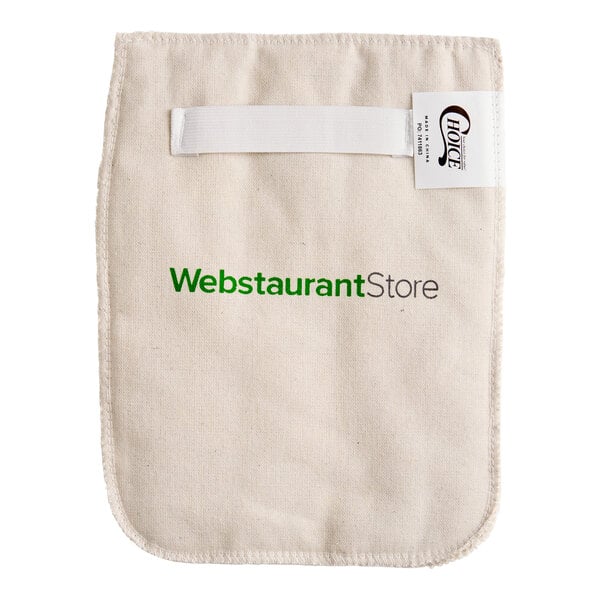
What determines how much heat can kitchen cloth withstand
Several factors decide how much heat can kitchen cloth withstand. Fiber type is the main one. Natural fibers like cotton and linen behave differently from synthetics like polyester and nylon. Weave density matters too. A thick terry cloth will insulate more but can also hold hot spots. Finish and treatments matter; flame-retardant or silicone-coated cloths resist heat better. Moisture content is huge. A wet cloth absorbs heat until the water boils. That delays burning but can trap steam and cause scalding.
Real-world factors that change heat tolerance
- Fiber type: natural versus synthetic changes melting and ignition behavior.
- Weave and thickness: dense weaves and layers change heat flow.
- Surface contact: direct contact with a hot pan is riskier than nearby radiant heat.
- Liquids and oils: hot oil can ignite fabric at lower temperatures.
- Chemical treatments: flame-resistant finishes can raise safe temps.
How these factors interact
- A wet cotton cloth on a hot pan will stay cooler until the water boils, then heat fast.
- A polyester microfiber near a flame may melt before it ever smokes.
- A thick cotton oven mitt can take more short bursts of heat than a thin towel.

Heat tolerance by material: practical ranges
Below are practical, conservative ranges for common kitchen cloths. These are approximations. Always use caution when a cloth touches a hot surface or flame.
Cotton and linen
- Typical heat tolerance: safe for brief exposure to 300–400°F (150–200°C).
- What happens at high heat: fibers char and weaken above about 400–500°F (200–260°C). Direct flame or sustained contact can cause ignition.
- Practical note: Cotton oven mitts and towels do well in ovens at moderate temperatures, but never let a dry towel touch an open flame.
Microfiber (polyester/polyamide blends)
- Typical heat tolerance: will start to deform or melt near 400–500°F (200–260°C) depending on blend.
- What happens at high heat: melting and shrinking are likely. Melted fibers can stick to skin and cause burns.
- Practical note: Microfiber is excellent for cleaning but not for handling very hot cookware.
Polyester and nylon
- Typical heat tolerance: can soften or melt around 350–500°F (175–260°C), depending on type.
- What happens at high heat: synthetics usually melt before they ignite. Melted cloth can adhere to skin.
- Practical note: Avoid using purely synthetic cloths as trivets or for handling cookware.
Silicone and flame-resistant fabrics
- Typical heat tolerance: silicone pads and treated fabrics can tolerate 400–600°F (200–315°C) or higher for short times.
- What happens at high heat: silicone resists direct heat well and won’t melt in typical kitchen use.
- Practical note: For direct handling of very hot items, use silicone mitts or certified heat-resistant gloves.
Terry cloth and woven kitchen towels
- Typical heat tolerance: variable; generally similar to their fiber type (cotton terry versus blended terry).
- What happens at high heat: thick terry traps heat and may smolder if ignited.
- Practical note: Thick towels can protect briefly, but prolonged contact with hot metal is unsafe.
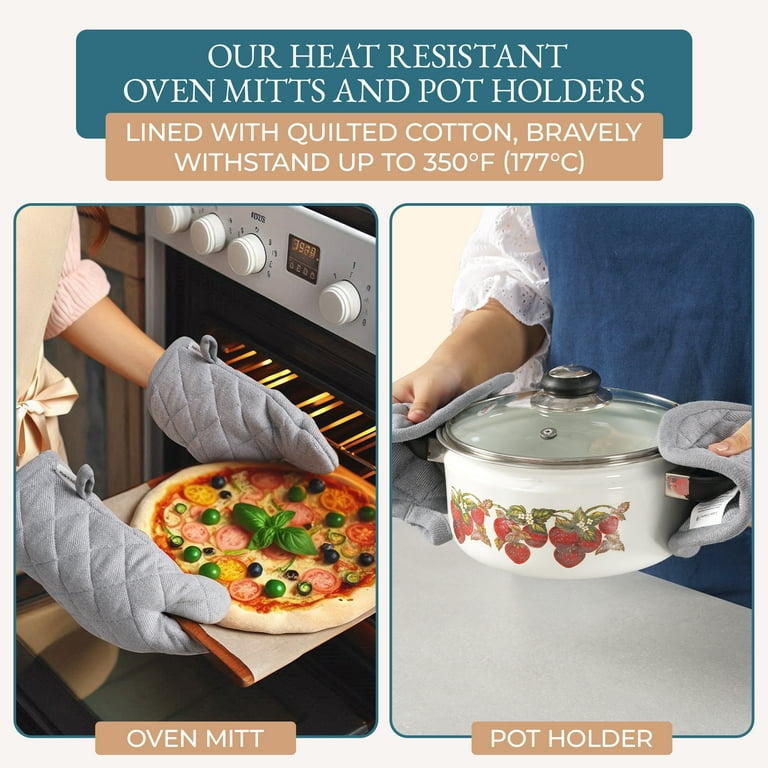
How moisture and cooking oils change outcomes
A wet cloth is safer for short contact than a dry one, but it’s not risk-free. Water absorbs heat, so a wet towel can handle heat until the water boils at 212°F (100°C). After the water is gone, the cloth warms quickly and can burn or ignite like a dry one.
Cooking oil is different. Oil can exceed 400°F (204°C) and can ignite in a pan. If a cloth touches a hot pool of oil, it can catch fire at lower temperatures than the cloth’s standalone ignition point. For safety:
- Never use a cloth to handle pans with hot oil.
- Avoid placing cloths near burners with oil splatter.

Real tests and personal experience
I've tested many kitchen cloths while cooking. I once draped a damp cotton towel over a hot pot lid to catch steam. It was safe until the towel dried. After that, it began to scorch. On another occasion, a synthetic cloth near a gas flame melted at a lower-than-expected distance. From these experiences I learned:
- Keep cloths a safe distance from burners.
- Always use purpose-designed mitts for hot work.
- Replace cloths with charred edges—they are weaker and more flammable.
Testing tips if you want to check a cloth at home
- Test in controlled steps. Start with low oven heat and slowly increase while keeping cloth away from elements.
- Use a thermometer or IR gun to measure surface temps.
- Never test with open flame or oil present.
:max_bytes(150000):strip_icc()/sea-tier-3-primary-kitchen-towels-hwortock-001-0011-a841c23a3387409ea3dabf7735f0d780.jpeg)
Safety rules and practical tips
How much heat can kitchen cloth withstand is only part of the safety story. Follow these rules to reduce risk.
- Never leave a towel near a lit burner or hot grill.
- Use silicone, leather, or certified heat-resistant gloves for handling very hot cookware.
- Keep cloths dry if you plan to use them as insulation; wet cloths can cause steam burns.
- Replace towels with charred or thinned areas.
- Store cloths away from heat sources and reach-in ovens.
- Use trivet or silicone pad between hot pans and cloth surfaces.
- When cooking with oil, clear flammable materials from the cooking area.

People also ask (brief answers)
-
Can a kitchen towel catch fire from a stovetop?
- Yes. A towel can ignite if it contacts an open flame or a very hot pan, especially if it’s dry and near oil.
-
Is a wet towel safer than a dry towel on hot cookware?
- A wet towel absorbs heat until the water boils, but once dry it can burn quickly. Use proper mitts instead.
-
Will polyester kitchen cloth melt on a hot pan?
- Polyester can melt or deform when touching very hot surfaces. Melted fabric can stick and cause burns.
Frequently Asked Questions of how much heat can kitchen cloth withstand
How hot can cotton kitchen cloth get before it burns?
Cotton resists everyday oven temperatures but can char above roughly 400–500°F (200–260°C). Direct flame or long contact with hotter metal can cause ignition.
Can microfiber towels be used for hot pans?
Microfiber can deform or melt when exposed to high heat. It is not safe for direct handling of very hot pans or open flame.
Does a wet kitchen cloth prevent fires?
A wet cloth delays burning by absorbing heat until the water evaporates. Once dry, it behaves like any dry cloth and can burn or ignite.
Are silicone pads better than cloth for hot pots?
Yes. Silicone pads handle high surface temperatures and do not melt in normal kitchen use, making them safer for hot pots.
Will treated (flame-resistant) kitchen cloth last longer near heat?
Treated cloths offer added protection but are not fireproof. They give you more margin but still need safe handling and maintenance.
Conclusion
You now know how much heat can kitchen cloth withstand and which fabrics hold up best. Natural fibers handle regular oven use but can char at very high temps. Synthetics may melt rather than burn. Moisture and oils change everything, so avoid letting cloths touch flames, hot oil, or direct contact with very hot metal. Use silicone or certified heat-resistant gloves for risky tasks. Take one small action today: remove any loose towels from around your stove while cooking. If you found this helpful, try safer swaps in your kitchen, sign up for updates, or leave a comment with your own experiences.