
Most kitchen upper cabinets are 12 inches deep, with options from 10 to 24 inches.
I’ve worked on dozens of kitchen remodels and measured hundreds of cabinets. This guide explains how deep are upper cabinets in a kitchen, why depth matters, and how to pick the right size for your space. Read on for practical rules, real-world tips, and mistakes to avoid so your cabinets look good and work well.
Standard depths and sizes
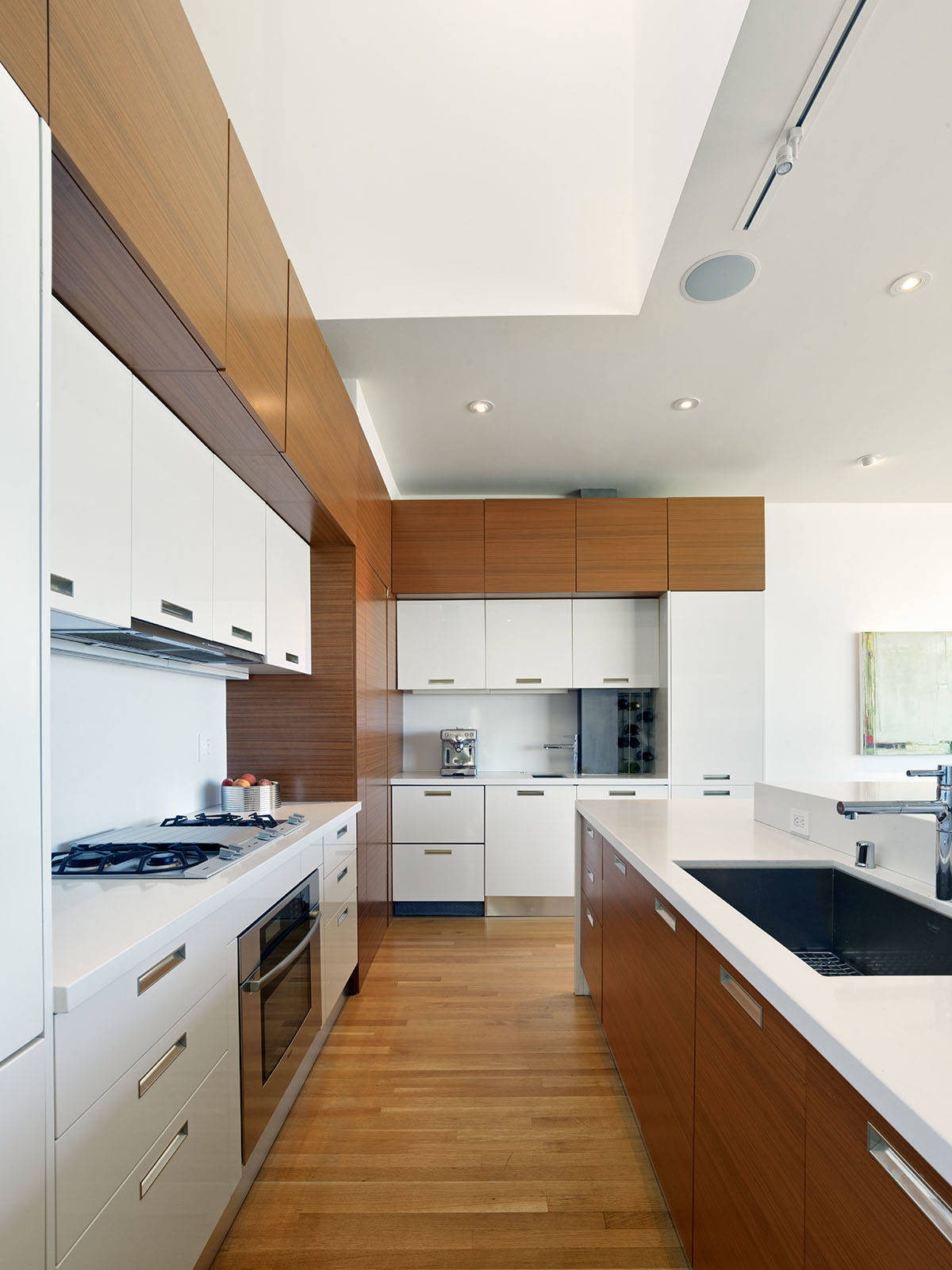
Standard wall cabinets are most often 12 inches deep. This depth lines up well with common countertop appliances and keeps upper cabinets from sticking too far into the room. When people ask how deep are upper cabinets in a kitchen, the quick answer is usually 12 inches, but there are common variations.
Common depths you’ll see:
- 10 inches: A shallow option for tight walkways or to keep sight lines open.
- 12 inches: The standard size for most kitchens and the most common answer to how deep are upper cabinets in a kitchen.
- 15 inches: A deeper choice for extra storage or designer looks.
- 24 inches or more: Used for built-in pantry modules or over-fridge cabinets, not typical for standard wall cabinets.
Heights and widths to know:
- Heights: 30 inches, 36 inches, and 42 inches are typical.
- Widths: Usually come in increments from 9 inches up to 48 inches.
Framed vs frameless cabinets can shift the effective interior space. Frameless European cabinets may measure 13 inches deep front-to-back. When planning, remember that door style and hardware also affect usable depth.
Why depth matters
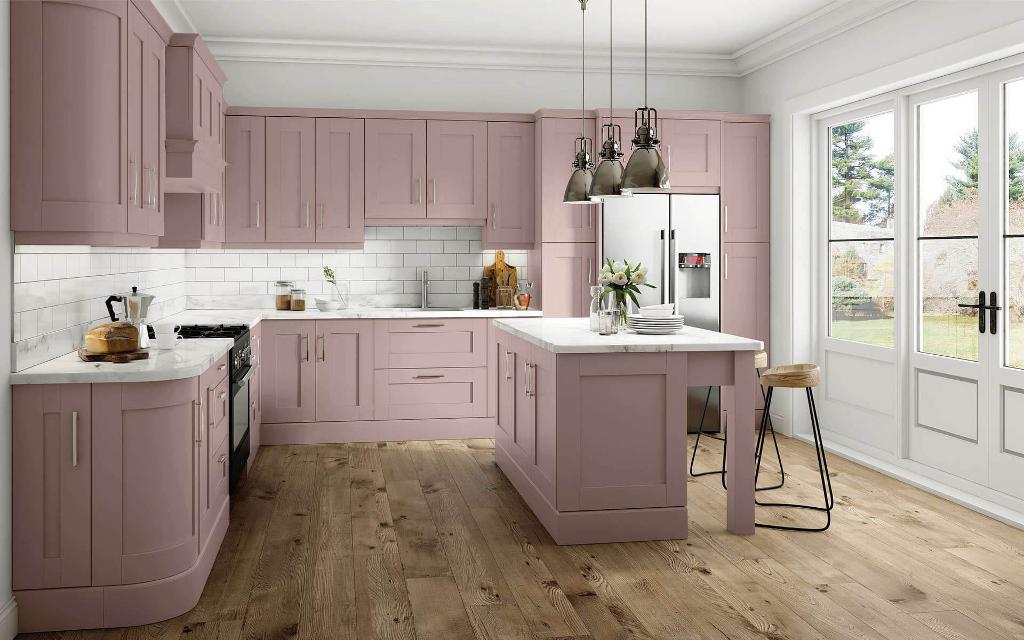
Cabinet depth affects storage, ease of use, and how open your kitchen feels. If you want to know how deep are upper cabinets in a kitchen for practical reasons, focus on what you store and how you move.
Key impacts:
- Storage capacity: Deeper cabinets hold more, but small items can get lost in the back.
- Reach and ergonomics: Too deep and items sit out of reach for many people.
- Visual weight: Deep uppers can make a kitchen feel heavy or small.
- Appliance fit: Microwaves, spice racks, and undercabinet lighting need consistent clearances.
Think of upper cabinet depth like shoe shelves. Deep shelves hold big boots but make it hard to find a pair. Shallow shelves keep things visible and easy to reach.
How to choose the right depth
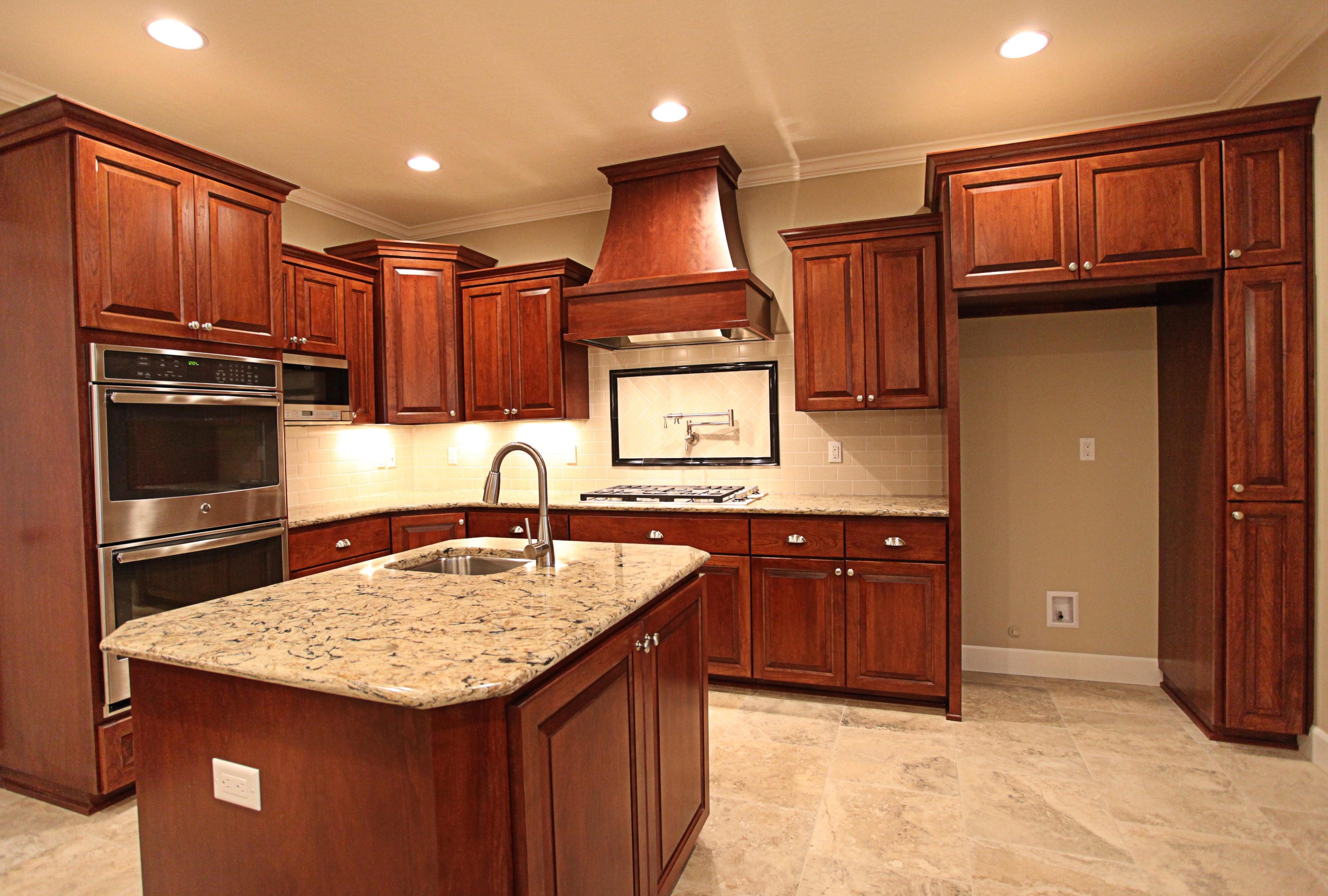
Choosing the right depth comes down to balance. Ask what you store, how tall users are, and how open the room should feel.
Decision checklist:
- Inventory your items: Plates, bowls, glassware, small appliances. Measure depth of the largest items.
- Walkway space: Keep at least 44 inches of clearance for main walkways when opposing cabinets or islands exist.
- Sightlines: Choose shallower cabinets if you want a lighter look or to keep a window view.
- Appliance alignment: If you want appliances to tuck under cabinets, match depths so doors open freely.
- Ceiling height: Taller ceilings can handle deeper or taller cabinets without feeling cramped.
Pro tip: Measure a stack of plates or your favorite serving bowl to confirm fit before choosing a nonstandard depth. When planning, remember the consistent answer to how deep are upper cabinets in a kitchen can vary based on these needs.
Installation and spacing guidelines
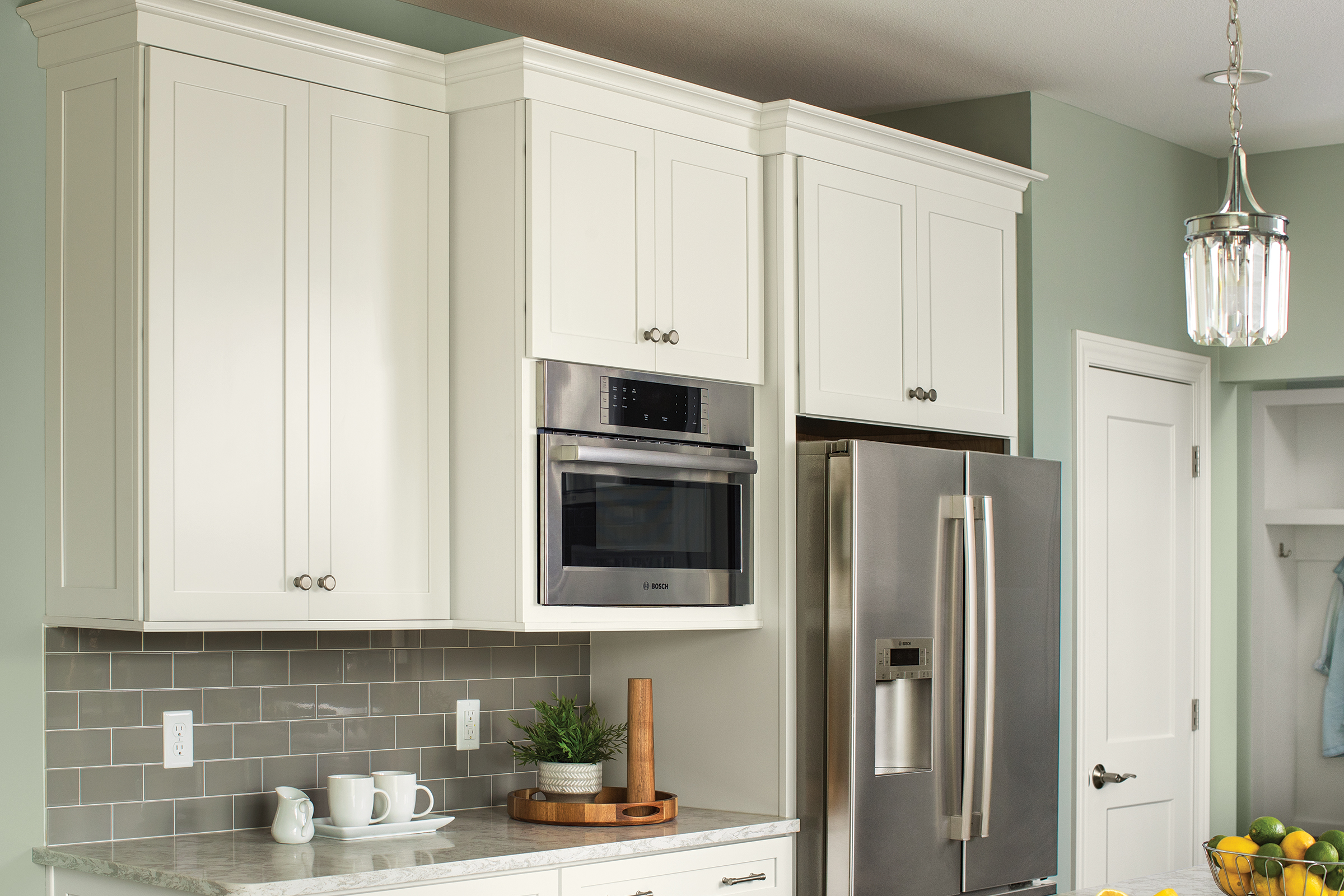
Proper mounting height and spacing keep cabinets functional. A common layout rule helps answer how deep are upper cabinets in a kitchen in the context of clearances.
Typical guidelines:
- Countertop height: 36 inches from floor is standard.
- Space between countertop and bottom of upper cabinet: 18 inches is typical for most kitchens.
- Bottom of upper cabinet height from floor: Usually 54 inches when using a 36-inch countertop and 18-inch clearance.
- Above range: Some homeowners reduce that 18 inches to 15 inches for design, but always check code and hood manufacturer recommendations.
- Ceiling clearances: On 8-foot ceilings, 42-inch tall cabinets often reach the ceiling. On 9-foot ceilings, 42-inch cabinets leave space for crown molding or a soffit.
Consider how depth affects mounting. Deeper cabinets may require blocking or a stronger support system. Also, back panels and built-in lighting change interior usable depth slightly.
:max_bytes(150000):strip_icc()/82630153-56a2ae863df78cf77278c256.jpg)
Customization and special cases
There are many reasons to go off the standard depth. Islands, over-the-island cabinetry, corner units, and open shelving all need special thought about depth.
Examples and options:
- Over an island: Shallow cabinets or open shelving keeps sight lines open. Many designers use 10–12 inch depths here.
- Corner cabinets: Use lazy susans or diagonal units to maximize space. Depth decisions matter for access.
- Over fridge: Deeper or taller cabinets here can match the fridge footprint. That’s often 24 inches deep or custom-fit.
- Glass-front displays: Slightly shallower cabinets keep dishes visible and prevent items from being lost in the back.
- Floating shelves: Depths of 8–12 inches work for plates and cups and keep the room airy.
Custom depth is fine. But always measure your items first. When people ask how deep are upper cabinets in a kitchen for a built-in look, remember that function should guide form.

Personal experience and tips
I once specified 15-inch deep uppers in a small kitchen to add storage. They looked great but blocked a window and made the room feel tight. I learned to test full-size mockups before committing.
Practical tips from real installs:
- Mock up cabinet depth with cardboard to feel it in the room.
- Keep everyday items within arm’s reach in shallower fronts.
- Use pull-out trays or spice organizers if you choose deeper cabinets.
- Avoid depths that force you to step back to reach items; accessibility matters more than a few extra inches.
If you’re undecided, lean toward 12 inches. It’s a safe, versatile choice and it’s the most common answer to how deep are upper cabinets in a kitchen that works for most homeowners.

Frequently Asked Questions of how deep are upper cabinets in a kitchen
What is the standard depth for kitchen upper cabinets?
Standard kitchen upper cabinets are typically 12 inches deep. This depth balances storage with reachability and sightlines.
Can upper cabinets be deeper than 12 inches?
Yes, upper cabinets can be 15 inches or deeper for more storage, but deeper cabinets may reduce reachability and make the space feel heavy.
How far should upper cabinets be from the countertop?
Upper cabinets are commonly mounted 18 inches above the countertop. This gap allows for small appliances and under-cabinet lighting.
Are shallow upper cabinets a good idea?
Shallow cabinets, like 10-inch depths, are great in tight kitchens or to keep windows and views unobstructed. They limit storage but improve accessibility.
How do I decide cabinet depth for a remodel?
Measure the items you store, mock up depths with cardboard, and consider clearance and sightlines. Prioritize ease of use and walkways.
Do different cabinet styles change depth?
Yes. Frameless cabinets and inset doors can change interior usable space slightly, so check actual interior depth when shopping.
Conclusion
Upper cabinet depth shapes storage, usability, and the look of your kitchen. Most homeowners do best with 12-inch deep cabinets, while 10-inch and 15-inch options solve specific needs. Measure your items, test a mock-up, and think about reach and sightlines before ordering. Start by measuring how you use your current cabinets and then choose the depth that fits your life and space. If you’re planning a remodel, try a cardboard mockup and share your measurements with your cabinet maker or designer to get the best result. Leave a comment with your kitchen challenge or subscribe for more practical remodeling tips.